In every cup, a little piece of the island.
Before there were machines, there was the colador — the cloth coffee sock on a wooden stand that has made café colao in Puerto Rican kitchens for generations. This is the Caribbean piece of the Steeping the Soul series: Bert resting easy in the colador’s steam, a coquí perched alongside, a pocillo of strong sweet coffee waiting below. The front is home. The back is the reason you keep it close, in Spanish and English — because no matter how far the island is, a good cafecito brings a little of it back.
Colors that read like the island: ivory for kitchen warmth, coral pink for the painted houses of Old San Juan, Caribbean blue for the water. Garment-dyed, so each piece settles into its own lived-in shade.
The Design Story
Puerto Rican coffee grew up in the mountains and came of age in the kitchen. The colador — a cloth filter on a simple wooden stand — is how café colao gets made at home: strong, sweet, poured into a small pocillo and shared. Every detail on the front is part of that world: the dripping colador, the pocillo below, the red coffee cherries, the warm steam Bert sits inside, and a coquí perched alongside — the little tree frog whose call is the sound of the island itself. Explore where coffee comes from →
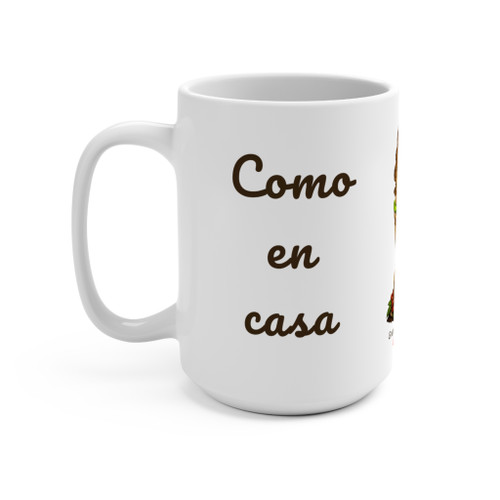
The back says it plainly, in both languages: En cada taza, un pedacito de la isla — in every cup, a little piece of the island. If the Ethiopian piece prays and the Japanese piece whispers, the Puerto Rican piece tells stories — the kitchen, the family, the island you carry with you. It’s the warmest, most vivid design in the series. See all Clothing & Gear →
Craft & Details
Bert says: Home is a cafecito and the sound of a coquí.
Perfect for anyone who carries the island with them
Size & Fit Details
Comfort Colors runs relaxed and slightly boxy. S–3XL.
Fabric & Print Details
Wash & Care
About the Colador & Puerto Rican Coffee
Puerto Rico has grown coffee in its central mountains since the 1700s. At home it’s brewed café colao — hot water poured through a cloth colador again and again until it runs strong, then sweetened and served in a small pocillo. It’s a daily ritual and an act of welcome; a cafecito is rarely drunk alone, and the coquí, the island’s tiny tree frog, sings the whole thing along.
There’s a deeper story under that cup. In the 1800s, Puerto Rican coffee was world-famous — among the most prized in the Americas. Then, in the span of two years, the golden era ended: the island became a United States territory in 1898, which cut off its European markets and pushed farmers toward sugar, and in 1899 Hurricane San Ciriaco destroyed most of the crop. Coffee never fully recovered, and Hurricane Maria struck it again in 2017. Today a small, stubborn group of farmers is bringing Puerto Rican specialty coffee back, one mountain farm at a time, against a warming climate that makes every harvest harder. This is American coffee heritage — Puerto Rico has been part of the United States for more than a century, and its people are American citizens — and it’s worth remembering. That is what un pedacito de la isla means here: a little piece of an island, and a story, worth carrying with you.
About the Steeping the Soul Series
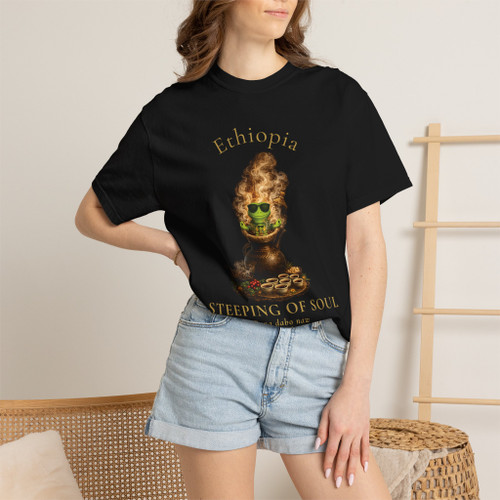
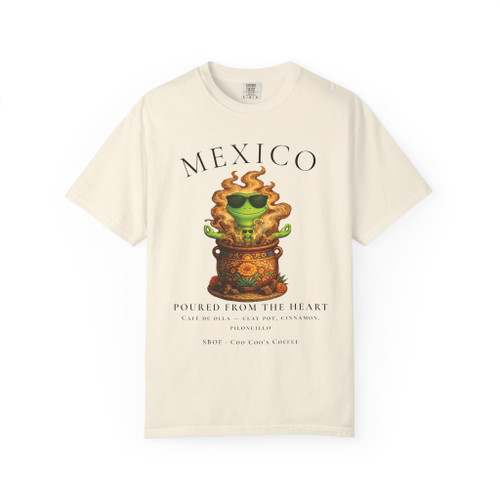
A world coffee tour — Bert resting with the traditional vessel of each coffee culture, each with its own palette, script, and feeling. The Japanese piece whispers (the tea cup, stillness). The Mexican piece sings (the café de olla, warmth). The Puerto Rican piece tells stories (the colador, family). The Ethiopian piece prays (the jebena, the ceremony). Made to let someone from each culture feel seen, and someone outside it feel curious.