
Brazil
Comfort, Craft & Consistency
Chocolate, nuts, and caramel sweetness from Cerrado, Sul de Minas, and Mogiana. Syrupy espresso foundations and reliable blend architecture.
Every coffee on our menu is here for a reason. This hub shows the work behind the sourcing — where the coffees come from, what makes each origin distinct, and which ones are active vs. ones we're still chasing. No smoke and mirrors. Just the map.
Country-by-country flavour profiles, origin stories, and processing explainers for guests, wholesale partners, and our own team. Pick the country on your bag, skim the guide, and taste with more context.
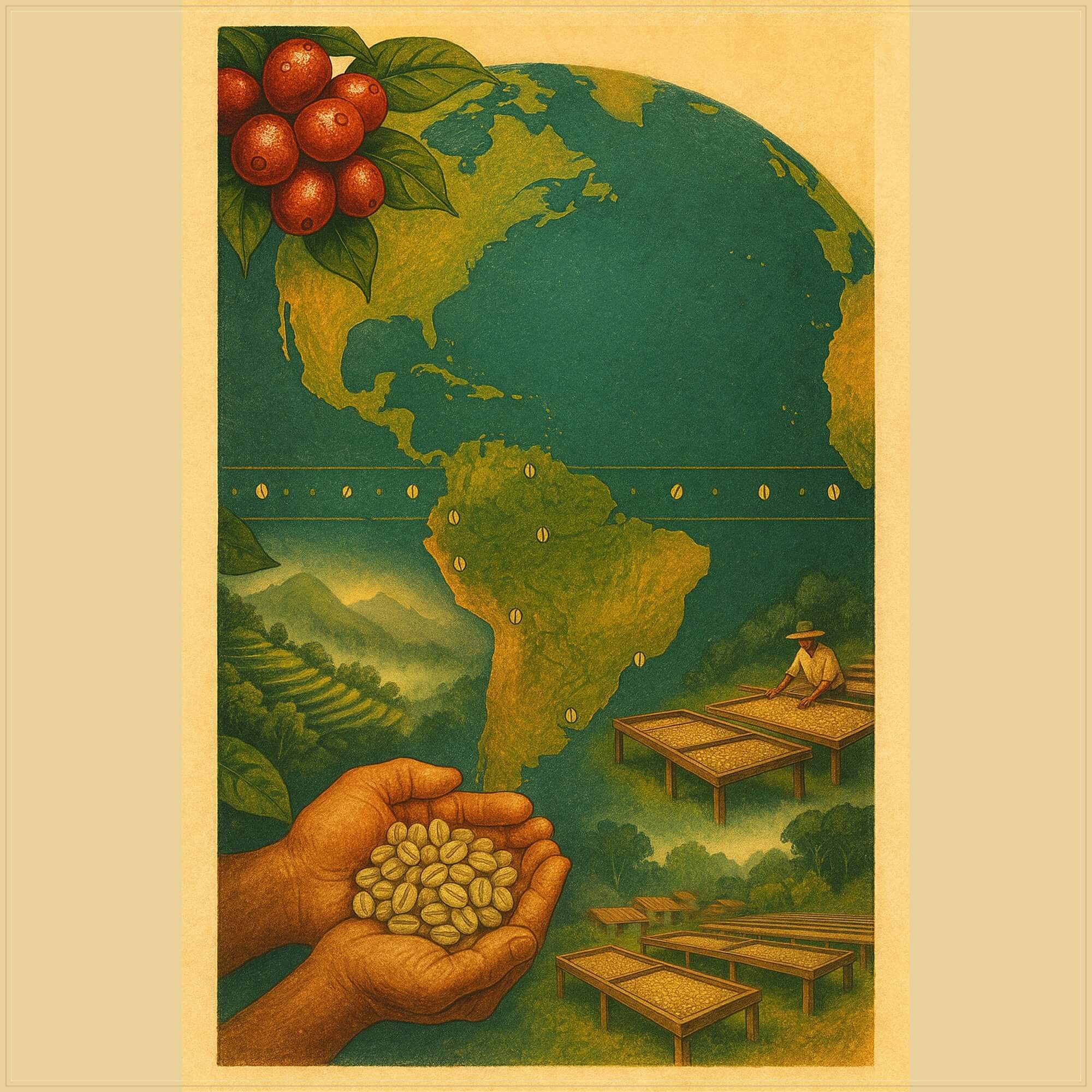
Classic comfort cups, structured washed lots, and emerging microlots from North to South. These guides anchor our daily menu and blend architecture.
Chocolate, nuts, and caramel sweetness from Cerrado, Sul de Minas, and Mogiana. Syrupy espresso foundations and reliable blend architecture.
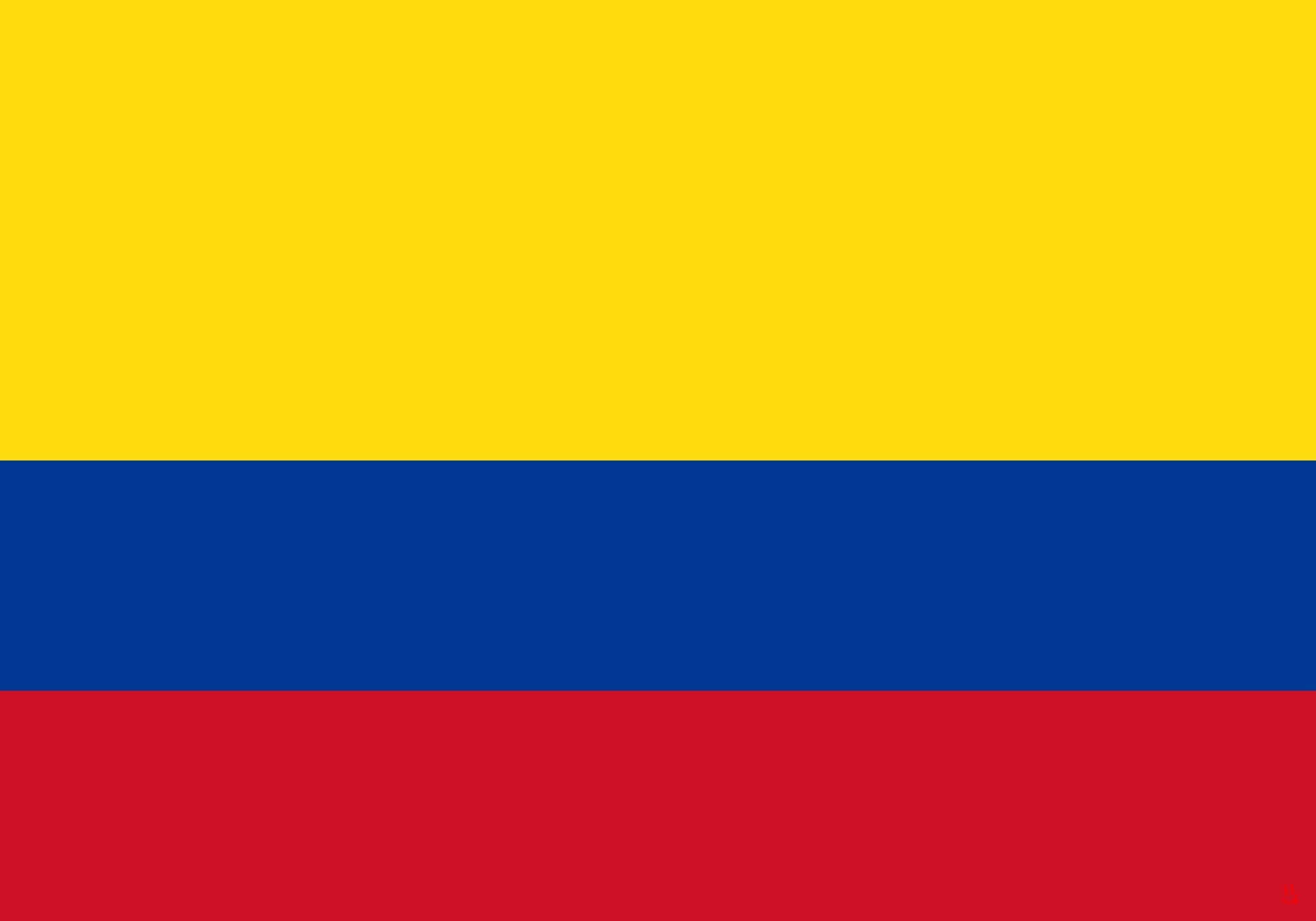
Washed classics and experimental lots; our reference point for balanced modern profiles. Consistent from Nariño to Huila.
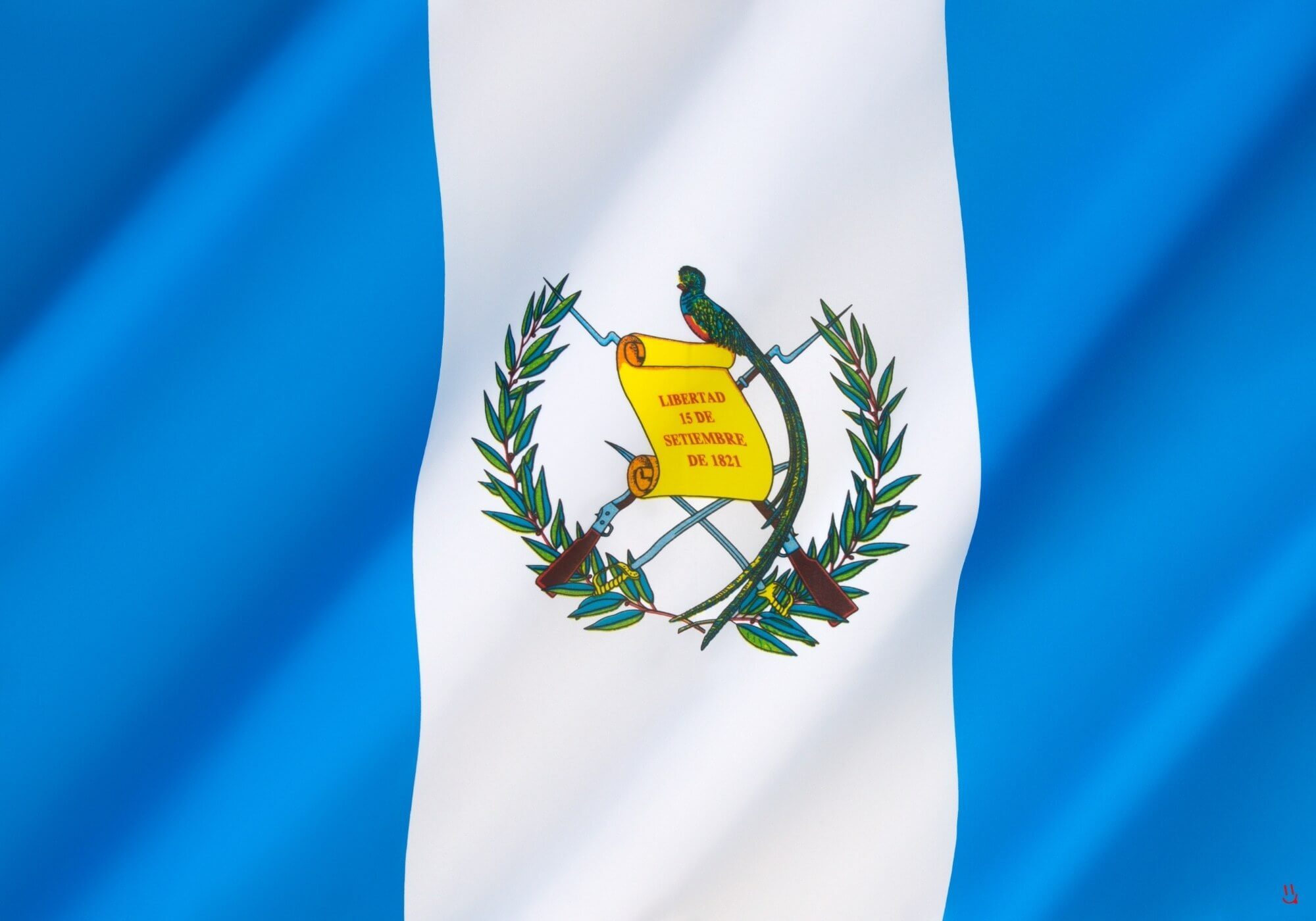
Antigua, Huehuetenango, and neighbours — structured washed cups with depth, ideal for both filter and espresso.
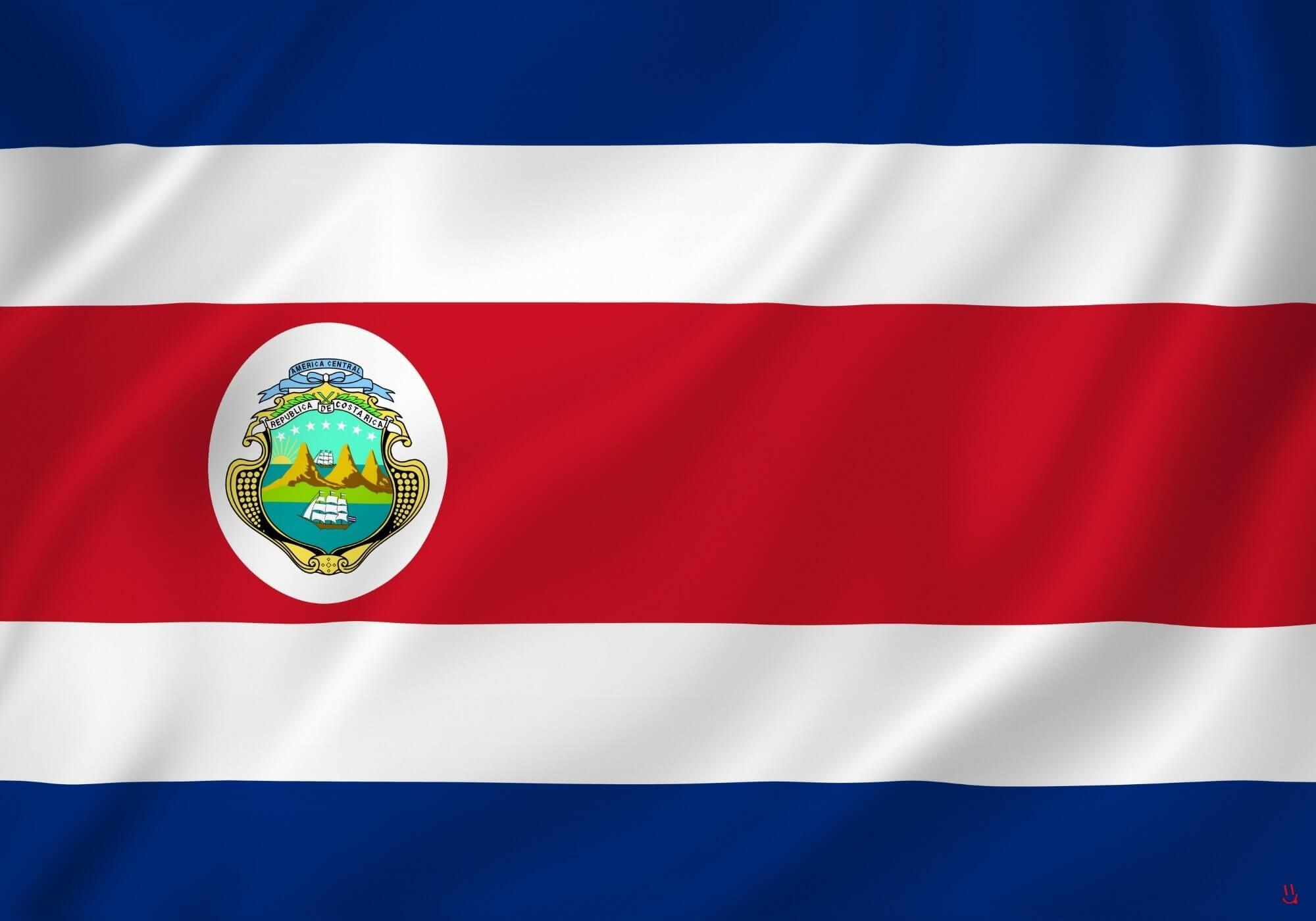
Clean washed lots and calibrated honeys from one of the world's most technically rigorous origins. West Valley and Tarrazú lead the field.
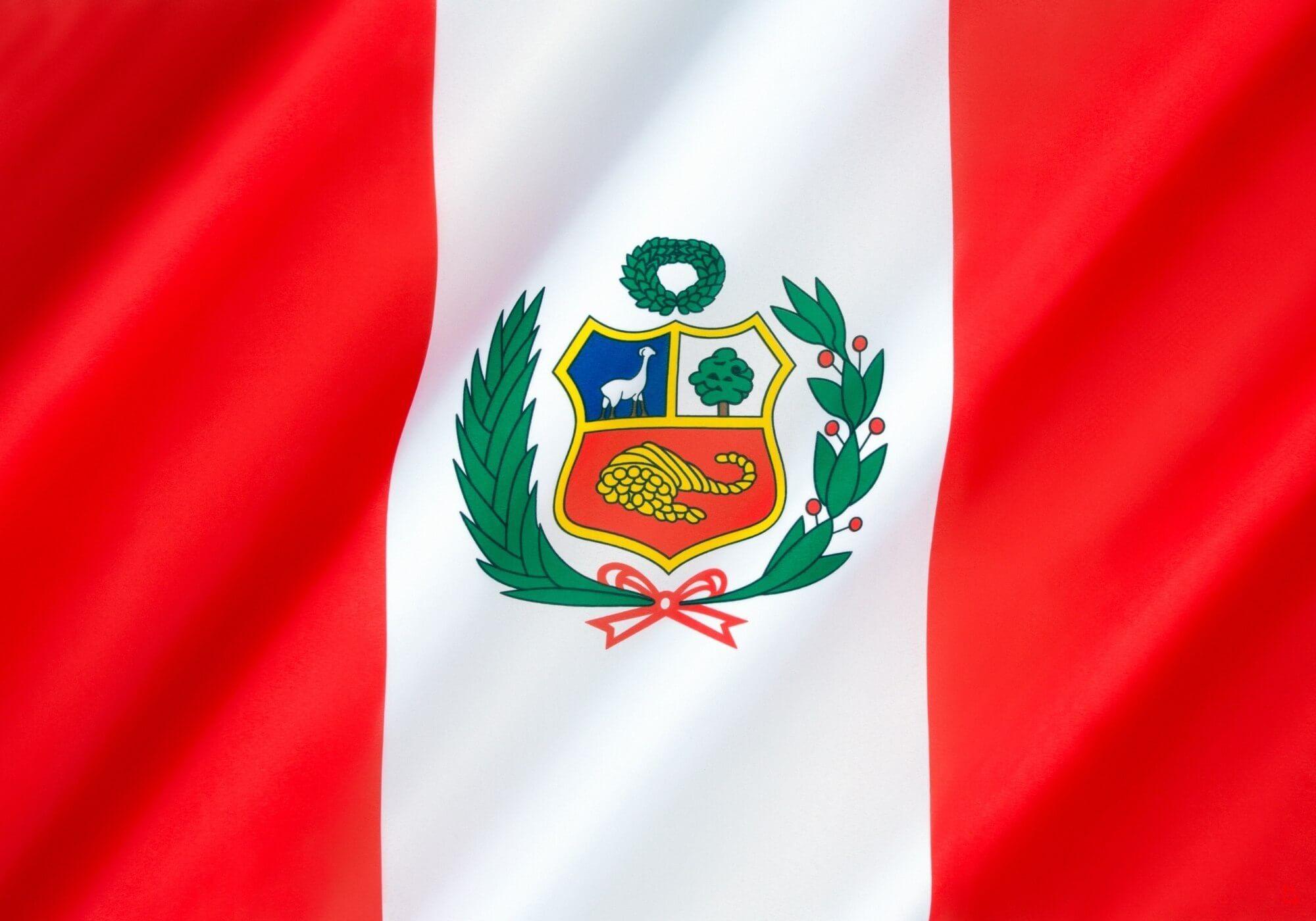
Community lots and microlots with gentle fruit, cocoa, and strong value. Puno and Cajamarca deliver when sourcing aligns.
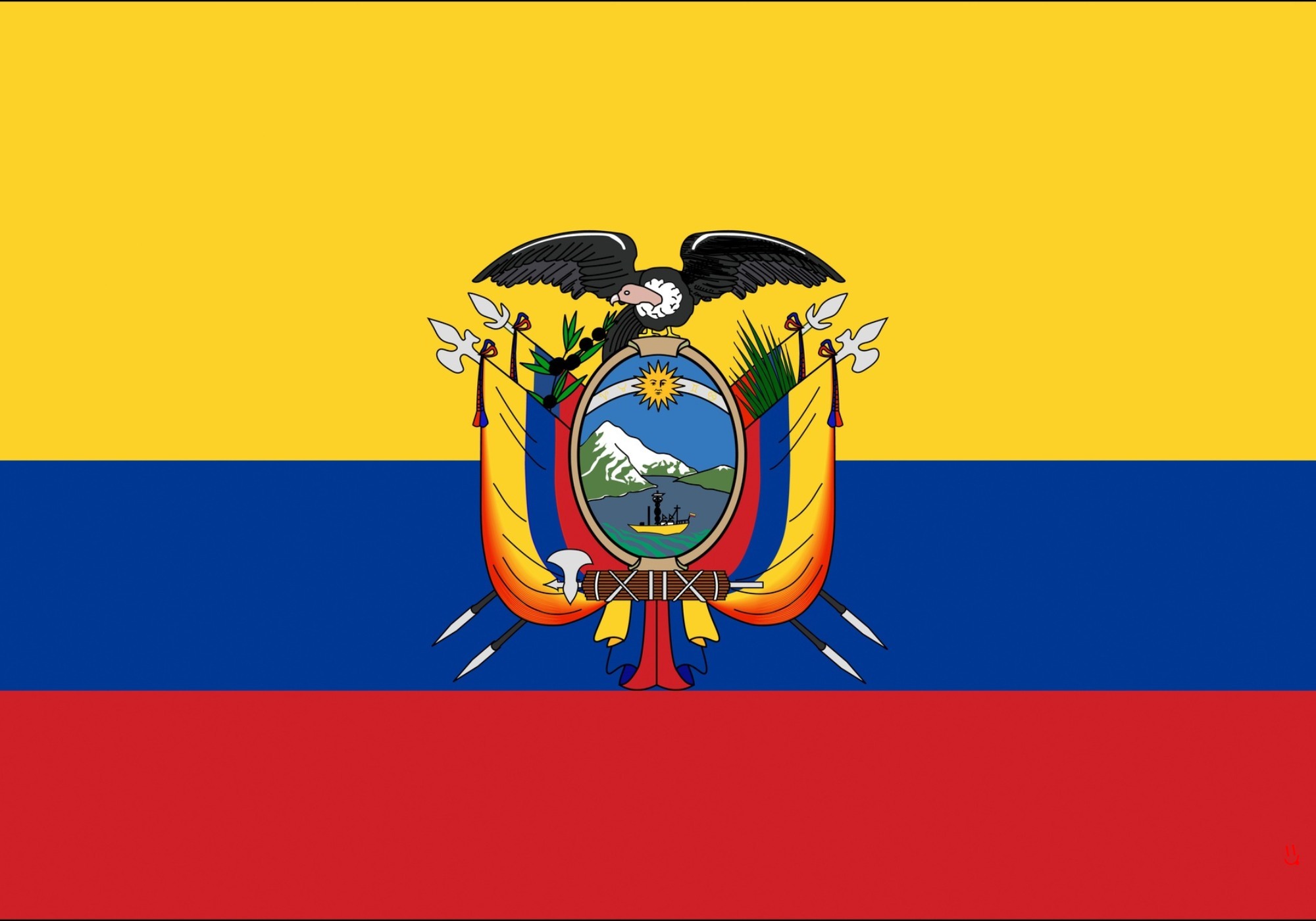
High-grown lots from the Andes with bright fruit, florals, and honeyed sweetness when the sourcing lines up.

Chiapas and Oaxaca coffees with renewed focus on traceability and cup clarity. A sourcing story that's still developing.
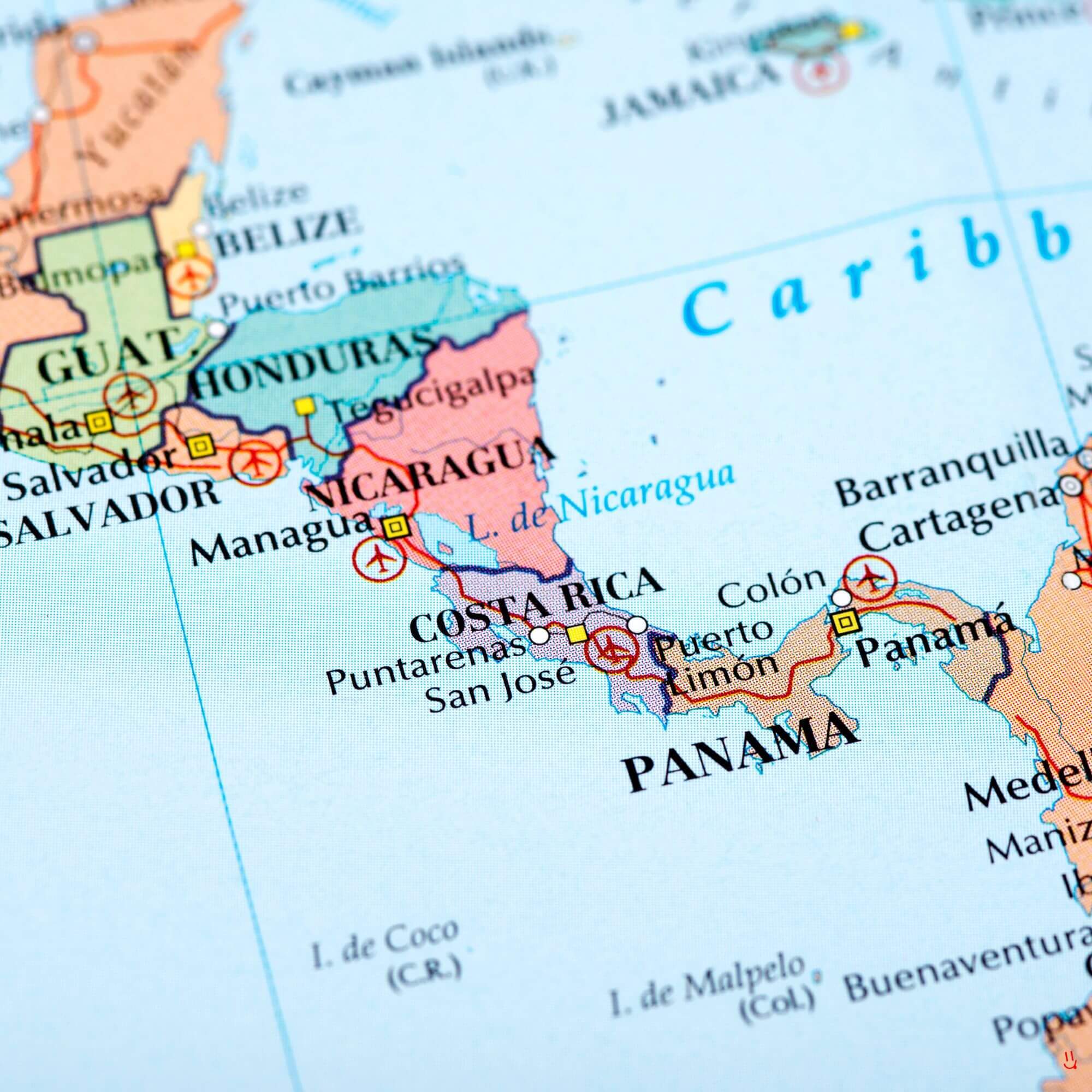
Guides for Central and Andean origins — each with its own structure, sweetness, and emerging story worth tracking.
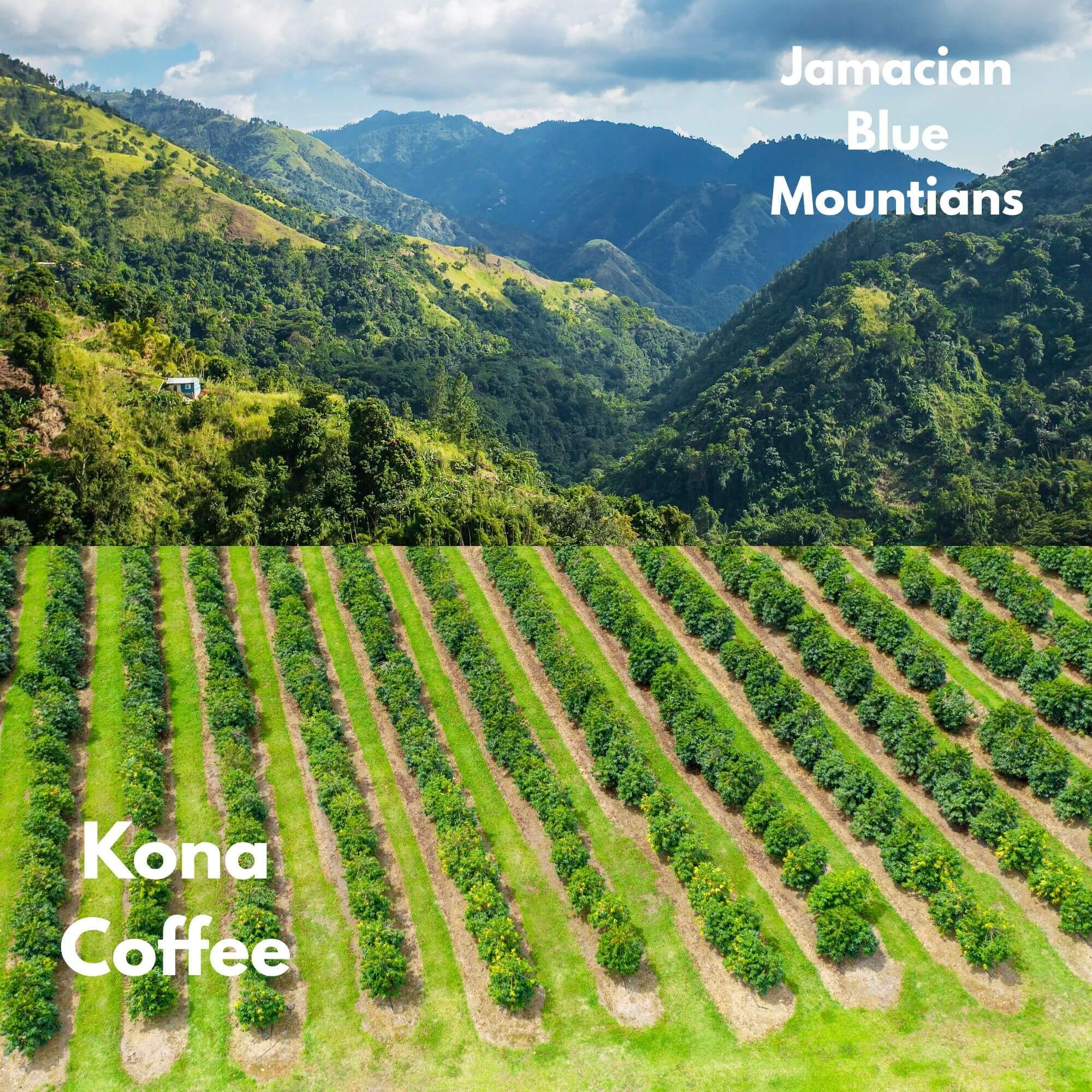
Only listed when provenance, cup quality, and pricing all justify the badge. We don't carry the name without carrying the standard.
If a filter or origin page doesn't show active coffees, it simply means we're between harvests or still searching for the right lot. Presence in this guide means the origin is on our active radar.
Floral, citric, tea-like, and beyond — benchmark washed coffees and expressive naturals from East and Great Lakes Africa.
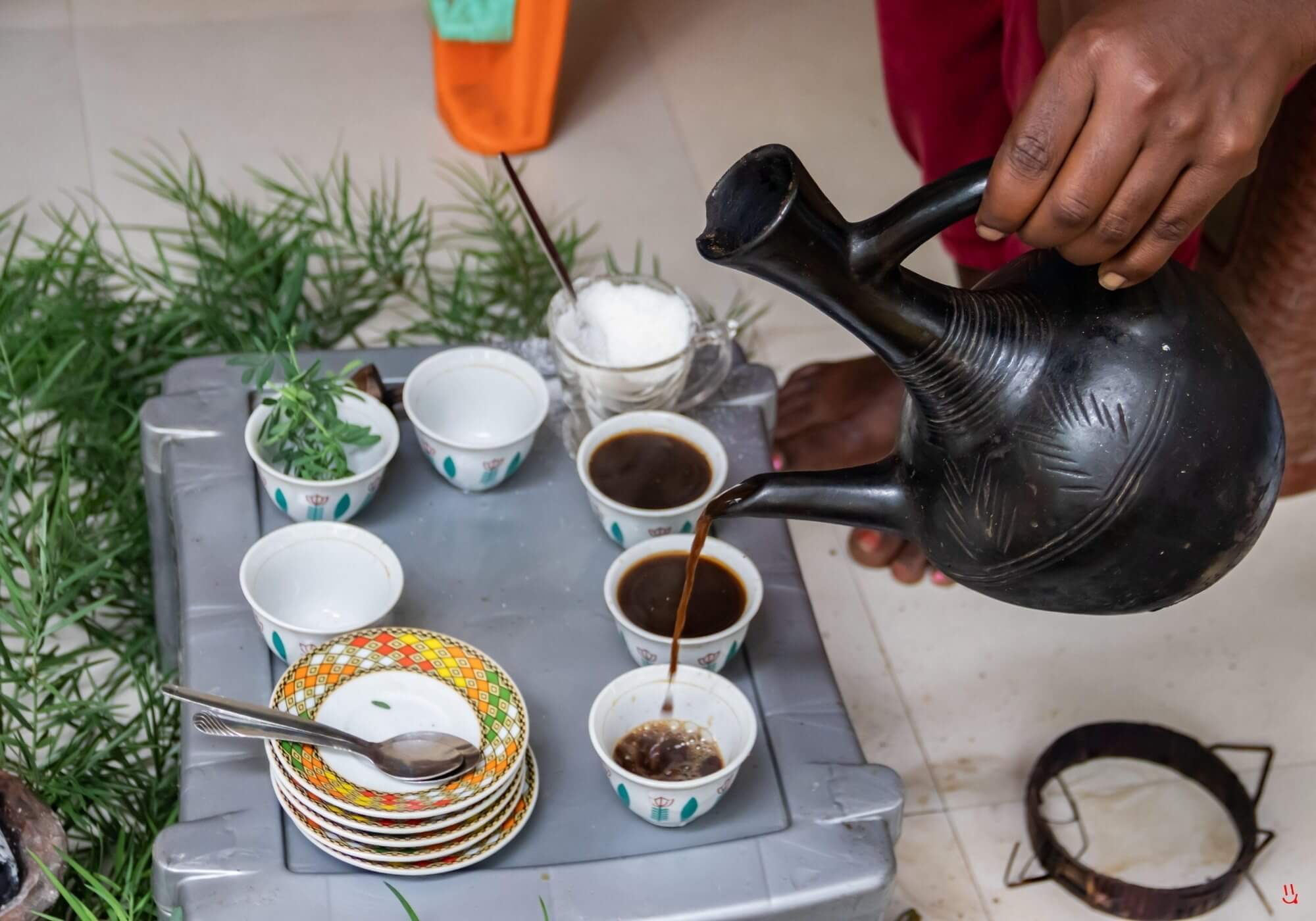

From classic washed Yirgacheffe to layered Sidama naturals — our north star for elegance and the birthplace of coffee itself.

Layered SL28 and SL34 profiles with vivid fruit and structured acidity. Used intentionally in features and high-octane blends.
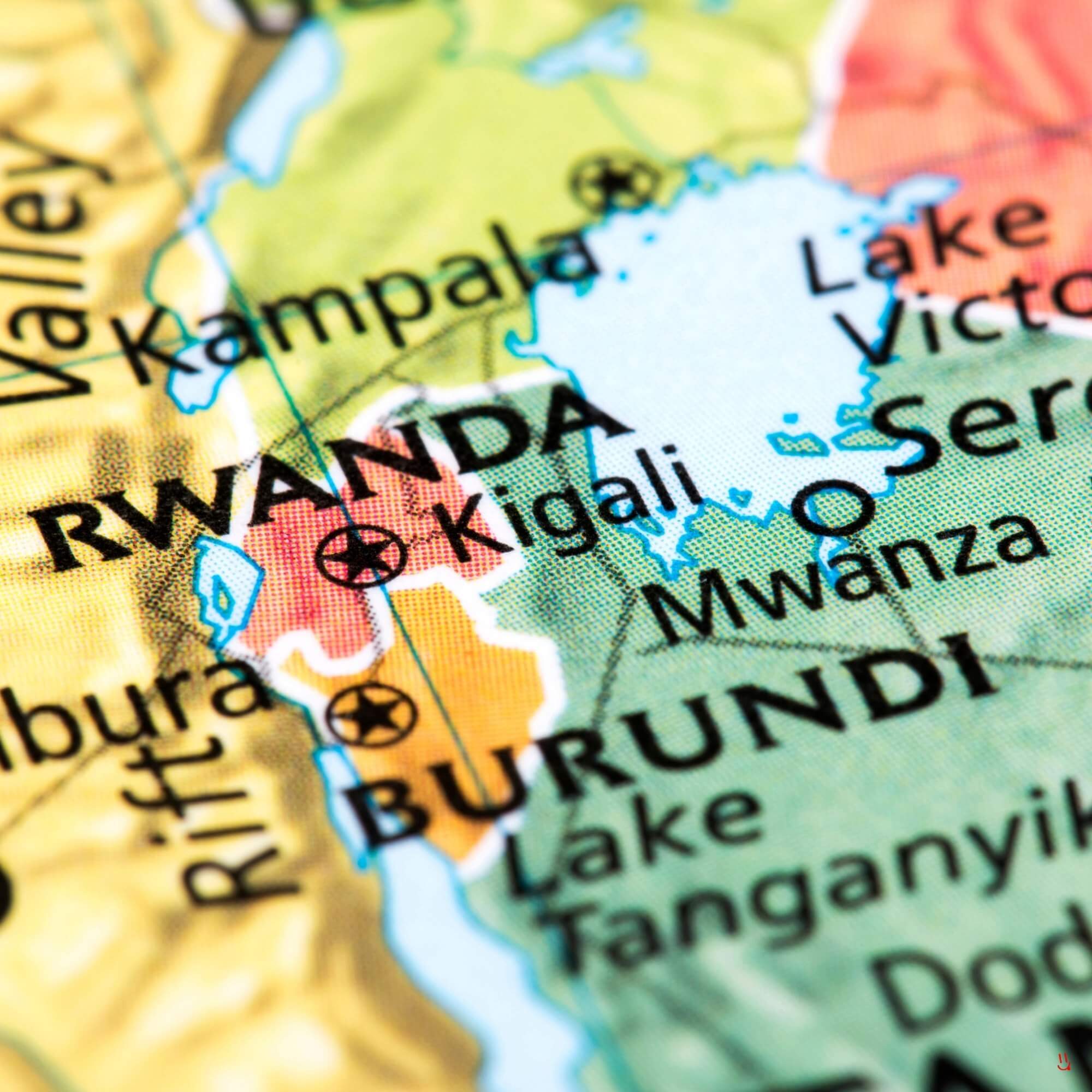
Sweet, tea-like, and structured profiles when QC and traceability align. Rwanda and Burundi lead with clean, washed excellence.

Heirloom Ismaili and Tufahi varieties on ancient terraces — dried as naturals. Only on our menu when story and cup both hold up.
Earthy classics, carefully handled wet-hulled profiles, and emerging washed lots from a wide and underrated arc.
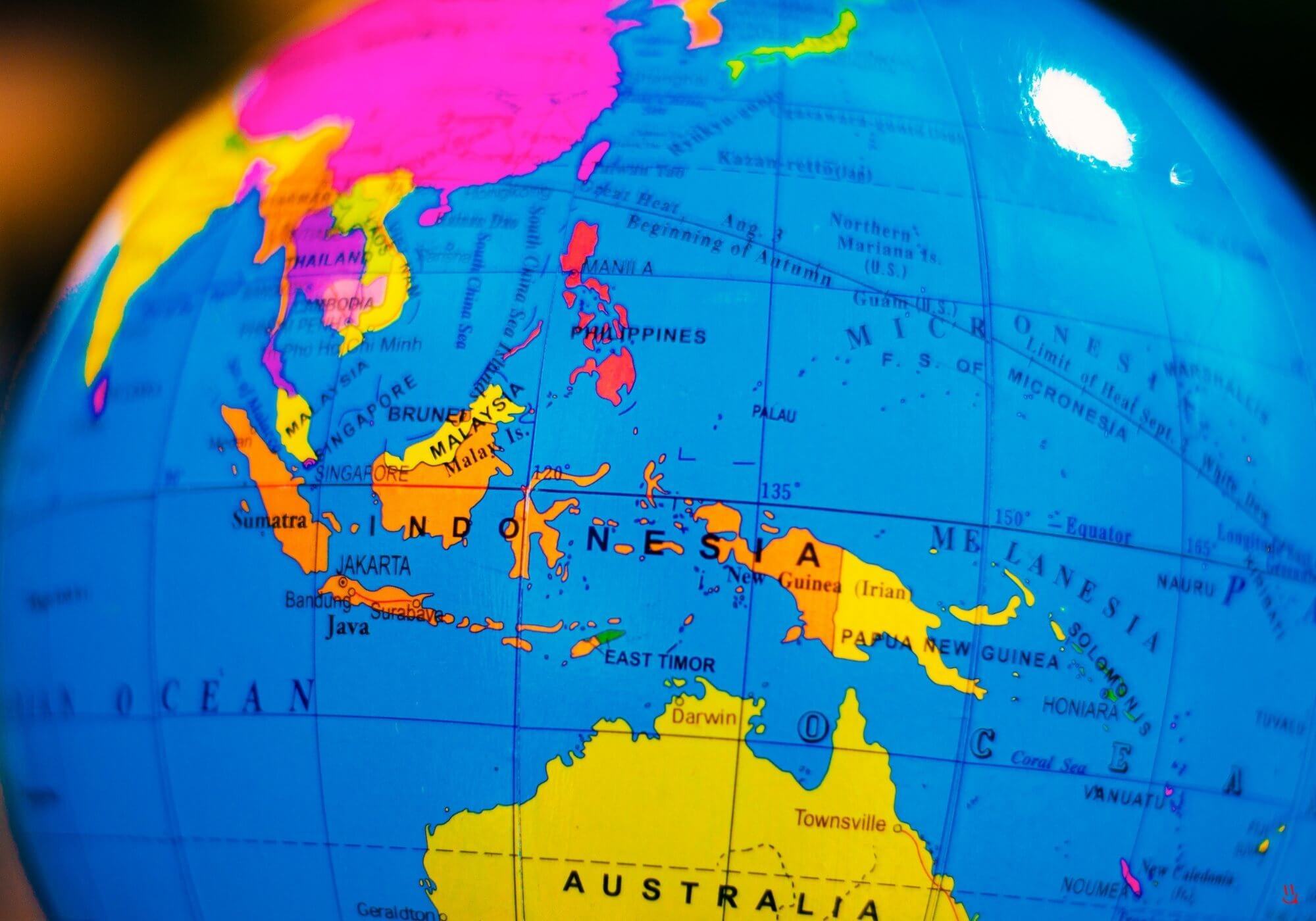
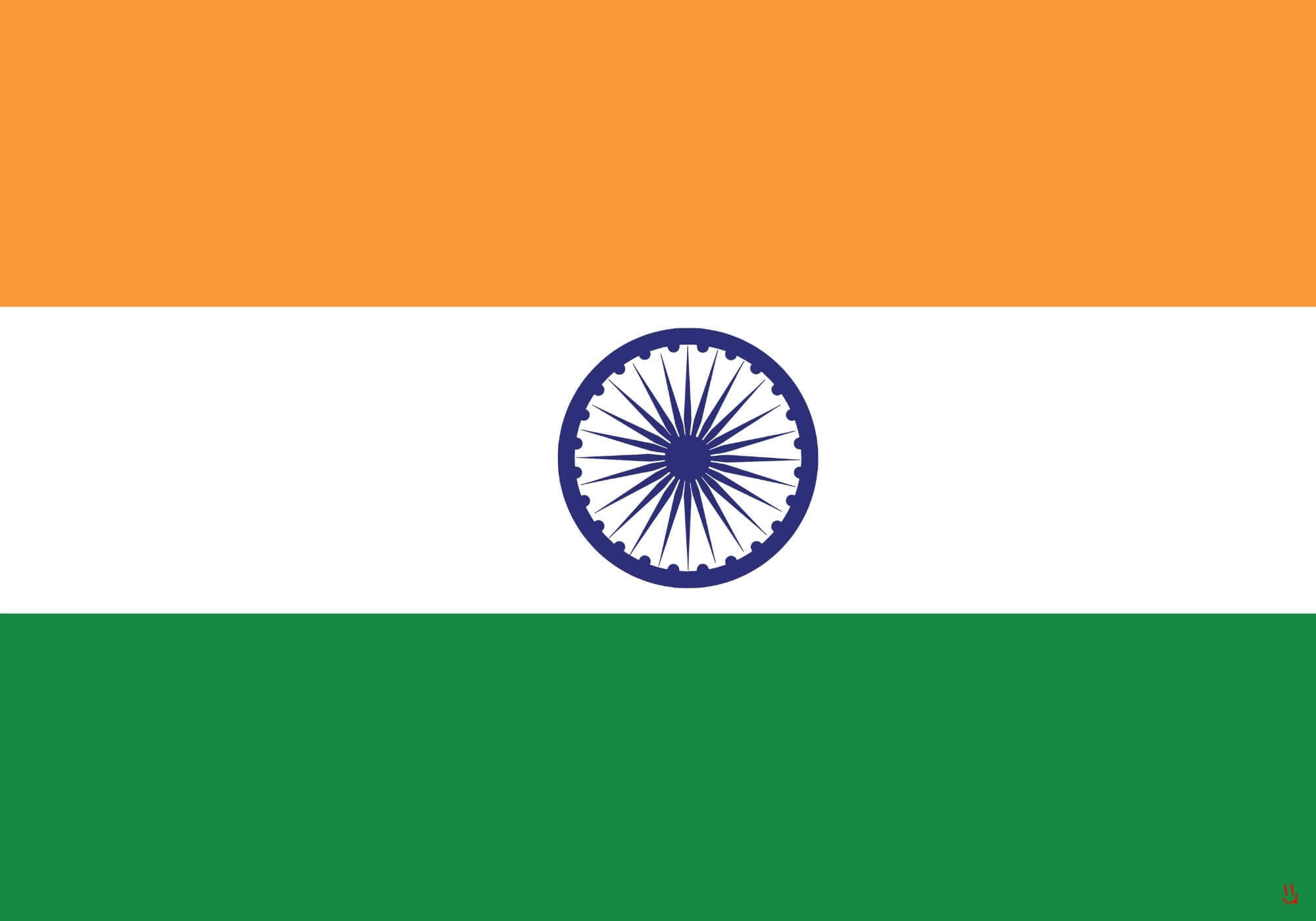
Plantation classics from the Western Ghats and new-wave lots emerging from smaller estates. We watch for balance and clarity.
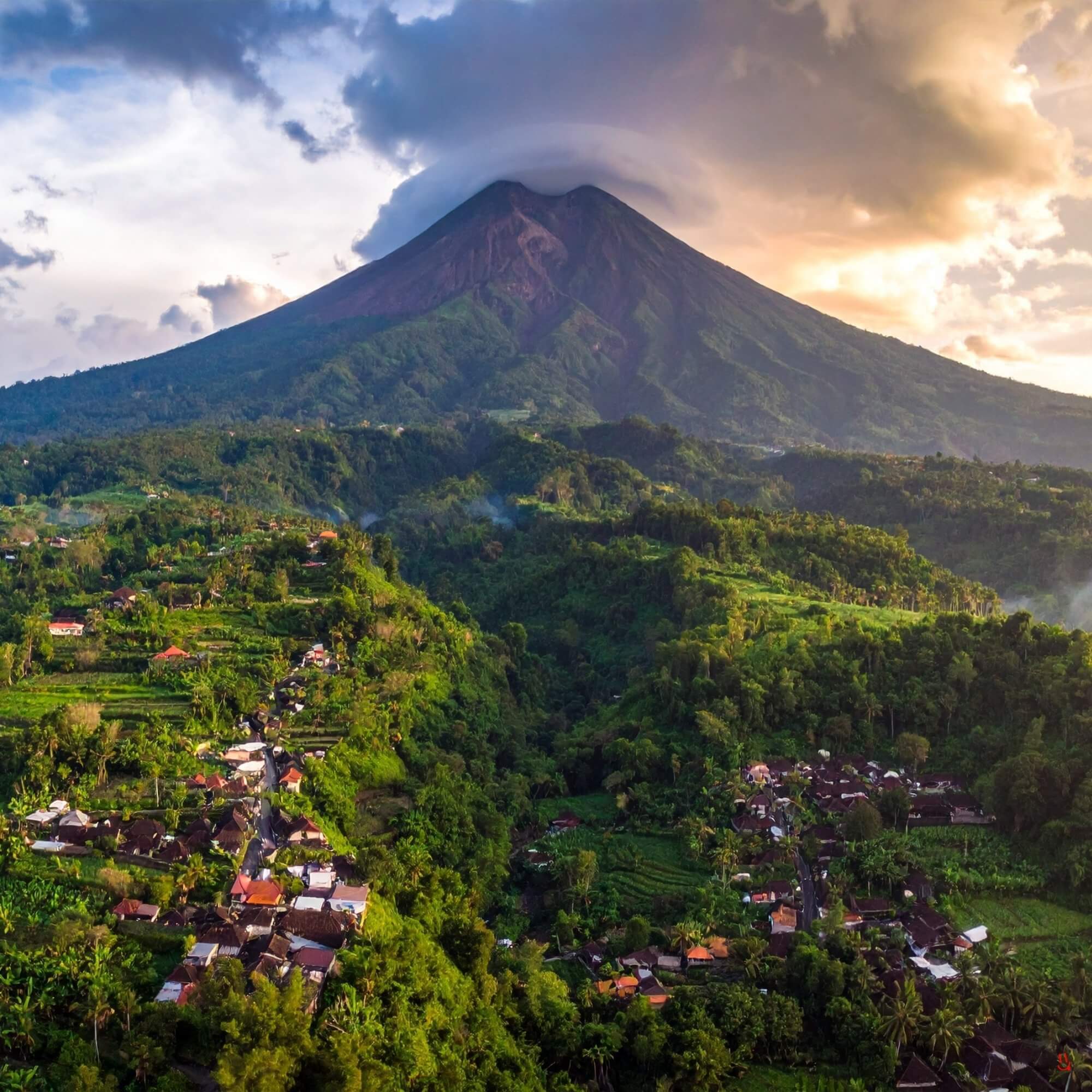
Wet-hulled and washed lots handled to highlight complexity without the caricatured earthiness. Gayo and Toraja lead the way.

High-grown lots we feature when cleanliness and character align. The supply chain can be challenging — when it works, it really works.

Kept in our atlas as we follow quality — not yet guaranteed on the shelf. Taiwan's high-altitude lots are genuinely interesting when they surface.
Presence in this section means "on our radar with real potential" — not a promise of perpetual stock. Asia-Pacific is one of the most dynamic and underrated sourcing regions in specialty coffee.
The library that ties it all together — Mocha Java, washed vs. natural, and how we build blends without smoke and mirrors.
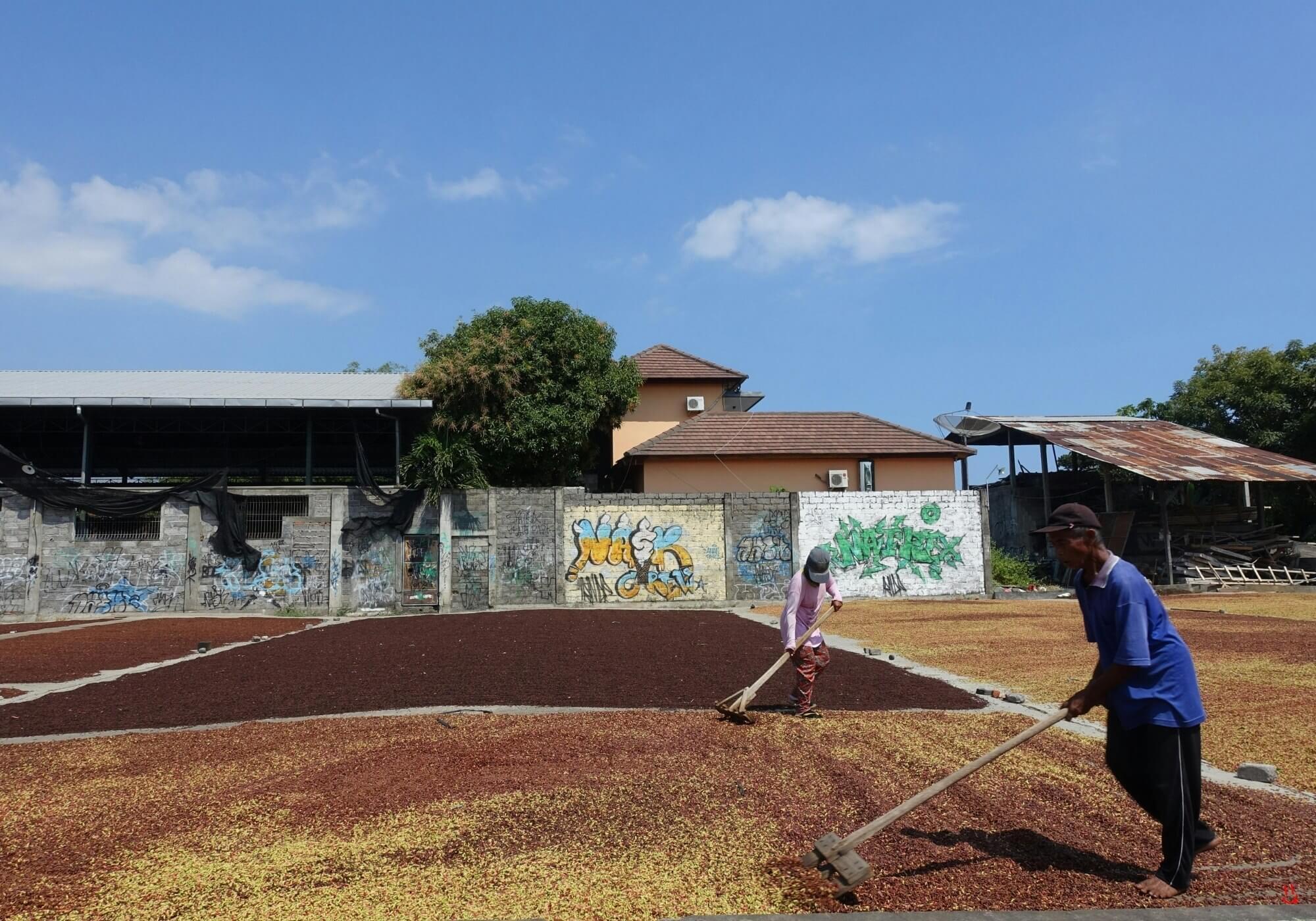

Where the legends came from, what they mean today, and how we interpret them honestly. No badge-dropping without the context.
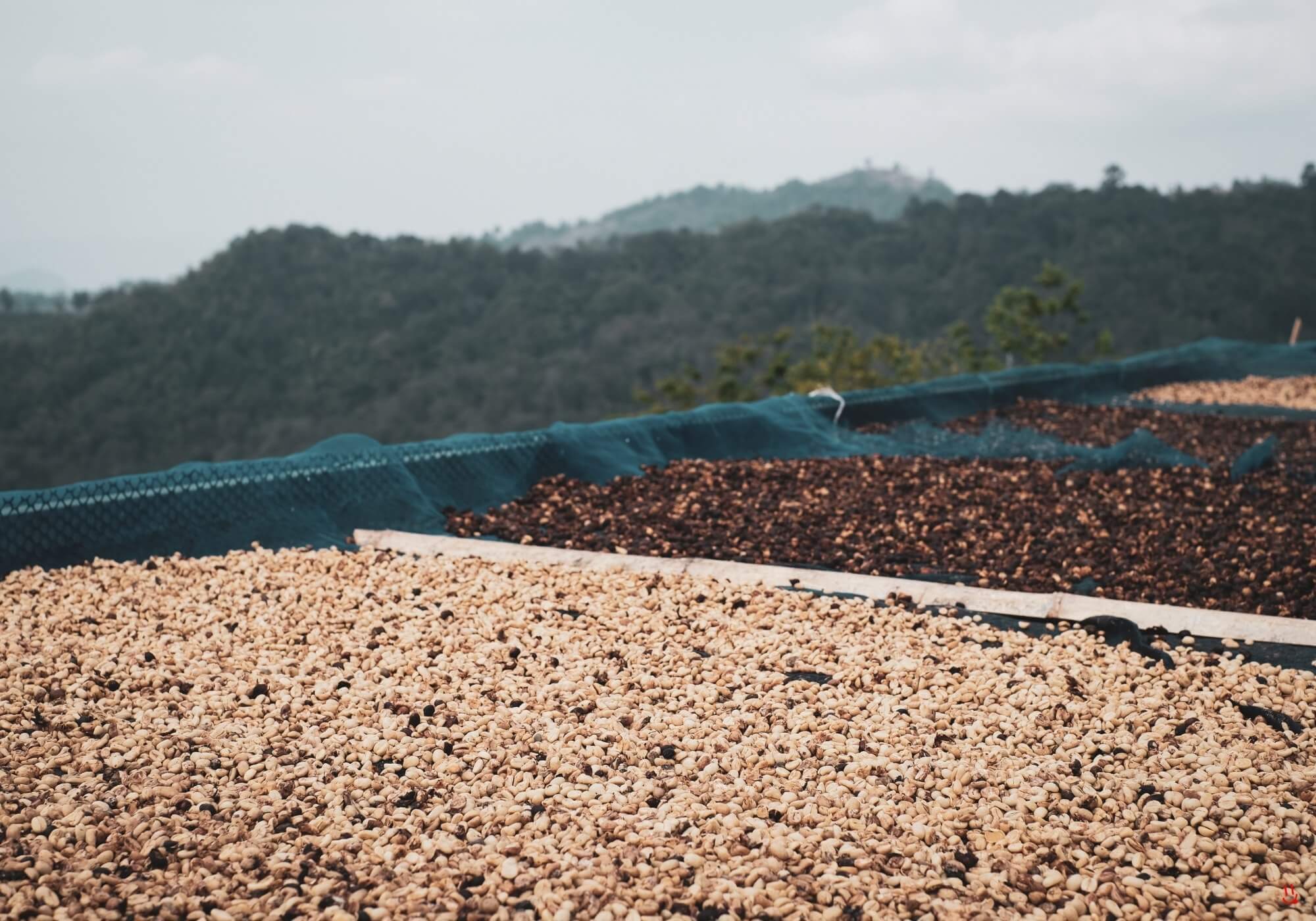

Pick the country on your bag, skim the guide, and taste with more context. No homework vibes — just a better cup with more meaning behind it.

This hub mirrors our sourcing and roast standards. If we can't explain it here clearly enough for a curious guest, we don't put it on the menu.
We'll keep layering in fresh harvest notes, producer stories, and seasonal features so this stays a living atlas — not a static brochure.