Brazil Coffee Origins — Comfort, Craft & Consistency

Brazil is where the world’s coffee daydreams turn into everyday cups. Vast plateaus, precise post-harvest craft, and generations of growers create chocolate-leaning, nutty, caramel-sweet coffees that anchor our blends and reward anyone who cares about consistency in the cup.
Caramel Sweetness Milk & Dark Chocolate Roasted Nuts Low Acidity Syrupy Espresso Blend Backbone
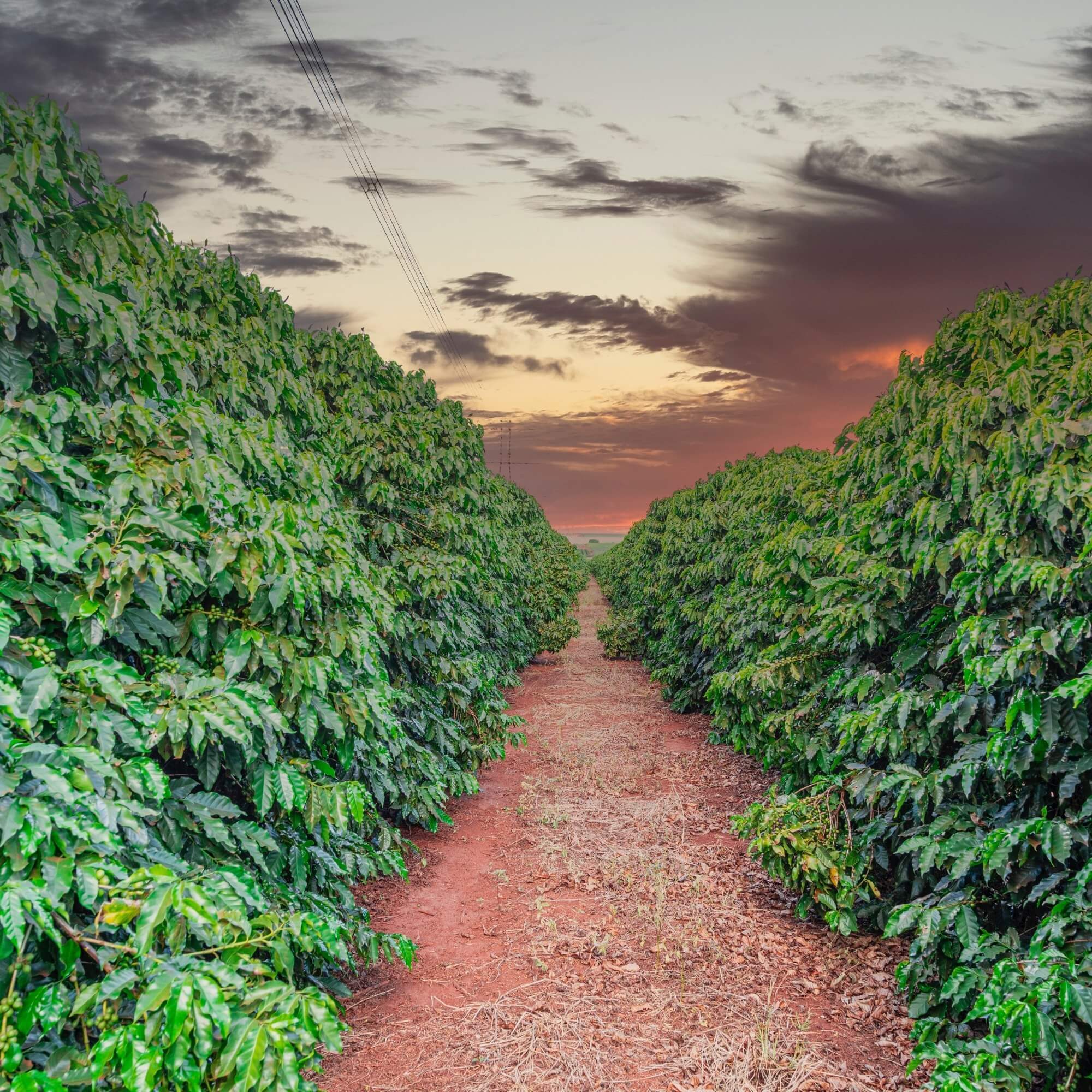
Brazilian coffee farm
A look across Brazil’s coffee-growing landscapes — The producers behind our most approachable cups.

Brazil at a Glance

Typical Altitude
800–1,300 m (pockets up to ~1,500 m)
Key Varieties
Bourbon · Mundo Novo · Catuaí · Acaiá · Icatu
Primary Processes
Natural & Pulped Natural (Honey); select Washed micro-lots
Harvest Window
May – September (region dependent)
Signature Cup Profile
Chocolate · Nuts · Caramel · Gentle Acidity · Full, Smooth Body

Major Coffee Regions of Brazil

Within one country, climate, altitude, and soil shift dramatically — from high, dry plateaus to misty Atlantic slopes. Those differences let us shape Brazil into creamy espresso bases, comforting house blends, and expressive single-origin lots.

Cerrado Mineiro

High, flat plateaus with a well-defined dry season. Perfect for uniform ripening and clean natural processing.

  • Altitude: ~800–1,300 m
  • Profile: Clean, chocolatey, nutty, caramel; espresso-friendly and reliable.

Sul de Minas

Rolling green hills and cooler nights form the classic Brazilian core.

  • Altitude: ~900–1,300 m
  • Profile: Sweet, creamy body, milk chocolate, almond, subtle fruit.

Mogiana

Deep valleys on the São Paulo–Minas border with long coffee history and dense beans.

  • Altitude: ~800–1,200 m
  • Profile: Chocolate fudge, hazelnut, raisin, smooth structure.

Chapada Diamantina (Bahia)

Elevated plateaus and cooler microclimates stretch maturation, adding nuance.

  • Altitude: up to ~1,400 m
  • Profile: Florals, yellow fruit, refined sweetness, vibrant for filters.

Espírito Santo & Caparaó

Steep Atlantic slopes once known for Robusta, now producing standout Arabica micro-lots.

  • Altitude: ~900–1,400 m
  • Profile: Brighter acidity, citrus, cocoa, layered sweetness.
Learn more about Brazil’s terroir, climate & why these regions taste different

Brazil’s strength is control. In regions like Cerrado Mineiro, a predictable dry season allows producers to sun-dry naturals with precision — amplifying chocolate, nut, and caramel notes without rough edges. In Sul de Minas and Mogiana, cooler nights and undulating hills build denser beans and a round, silky sweetness.

Higher, wind-brushed zones such as Chapada Diamantina and Caparaó stretch cherry development, concentrating sugars and organic acids for more aromatic, fruit-led profiles. Differences in elevation, soil (from red volcanic clays to sandy loams), and plant genetics give us a toolkit: forgiving espresso foundations, chocolate-driven comfort cups, and nuanced single origins when we want to show how elegant Brazil can be.

At Coo Coo’s Coffee, we select lots by role — pairing each region’s natural strengths with roast curves built for clarity, sweetness, and reliability across brew methods.

Processing & Our Approach to Brazilian Coffees

People, History & Everyday Coffee Culture

Coffee is woven into Brazil’s story — from early fazendas to today’s network of family farms, progressive cooperatives, and specialty-focused exporters. In cities like São Paulo, Belo Horizonte, and Rio, café culture ranges from traditional counters to modern brew bars. We work to honor that legacy by choosing partners who invest in workers, soil, and water, then roasting with the same respect for detail they show in every harvest.

On the mineiro table

Pão de Queijo

Brazil’s cheese bread · café com pão de queijo

Your October coffee comes from Mata de Minas, in Minas Gerais — and in Minas, you don’t just drink the coffee, you drink it with this. Warm, chewy, cheesy little breads next to a good cup: that’s the ritual. It’s grandma food — a handful of simple things, naturally gluten-free, about 20 minutes. This is the food your coffee grew up next to.

Ingredients

Makes ~20–24 balls
  • 500 g polvilho (tapioca / cassava starch) — sour (azedo) for chew, or half-sour / half-sweet for a milder, puffier bite
  • 1 cup (240 ml) milk
  • ½ cup (120 ml) water
  • ½ cup (120 ml) neutral oil (or part butter for richness)
  • 2 tsp salt
  • 2–3 eggs
  • 200–250 g grated cheese — authentic = queijo Minas; easy stand-in = parmesan + a melting cheese (Monterey Jack / mild mozzarella), about half & half

Method

The traditional scald
  1. Put the polvilho in a big bowl. Bring the milk + water + oil + salt to a boil.
  2. Scald it: pour the hot liquid over the starch all at once and stir hard — it turns into a hot, gluey mass. Let it cool until just warm (~10 min).
  3. Add eggs one at a time, mixing fully between each, then the cheese. Mix to a smooth, very sticky dough.
  4. Oil your hands, roll into balls a bit smaller than a golf ball, space on parchment.
  5. Bake 375–400°F (190–200°C), 20–25 min — until puffed, golden, and hollow-sounding. Eat warm.
Dial it like a roast: more sour polvilho = chewier & tangier; more sweet = lighter & puffier. Too stiff → a splash of milk; too loose → a bit more starch. Busy-day version: blend milk, oil, egg, cheese, salt + polvilho into a batter, pour into a mini-muffin tin, bake (skips the scald, 90% there). Allergens: milk + egg.
The recipe belongs to Minas Gerais, not to us — we’re just making it with respect, and a little mess.
Shop the Brazil →

Brazil in Pictures

Use these visuals (or your own) to bring the origin to life — farms, cities, food, and coastline — so guests can feel the place behind the beans.


Performer in vibrant Carnival costume smiling at the camera
Carnival color — energy that matches Brazil’s warm cup profile.
View of Rio de Janeiro
Iconic landscapes shaping Brazil’s global identity.
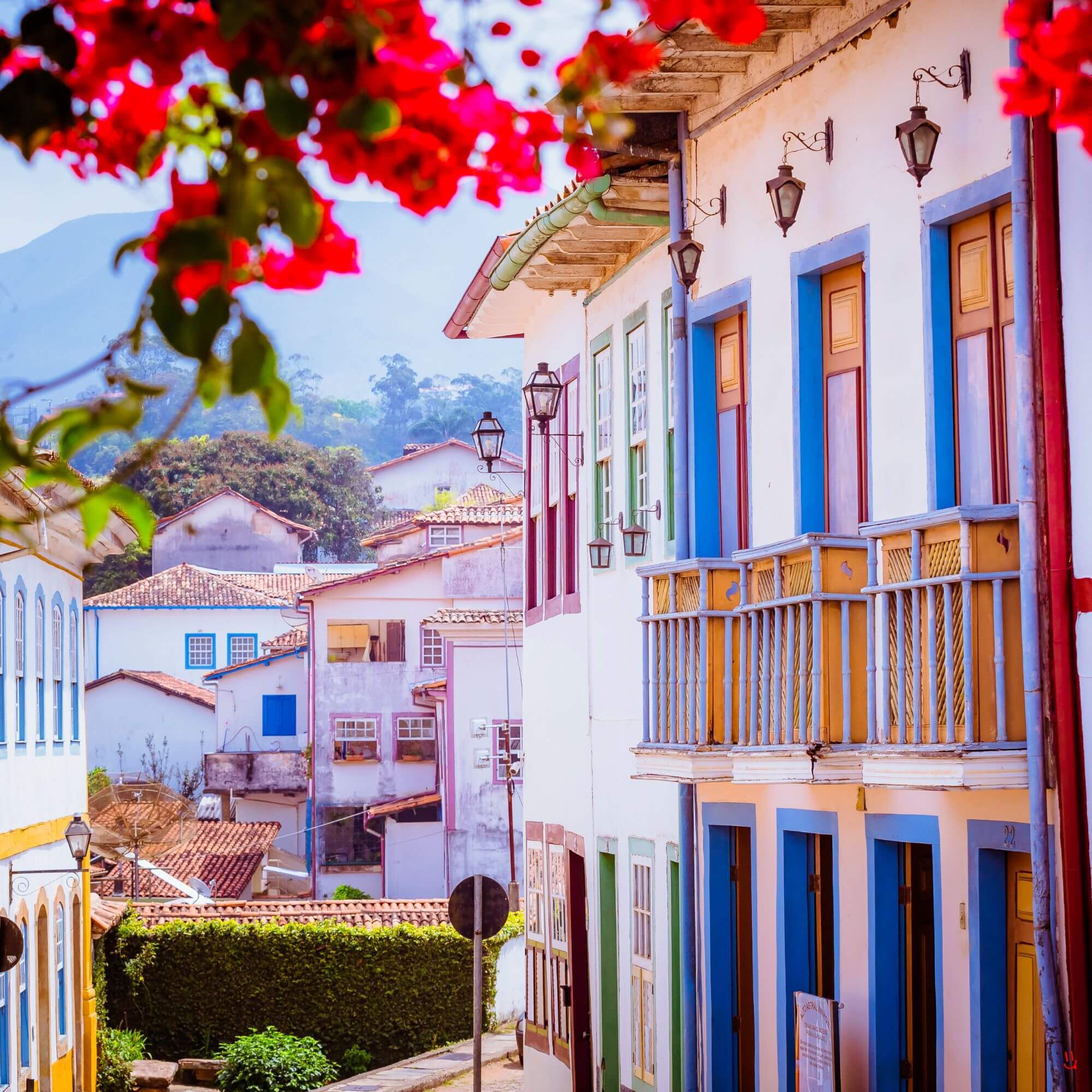
Colorful colonial street with cafés in a Brazilian town
Neighborhood streets where daily coffee rituals live.
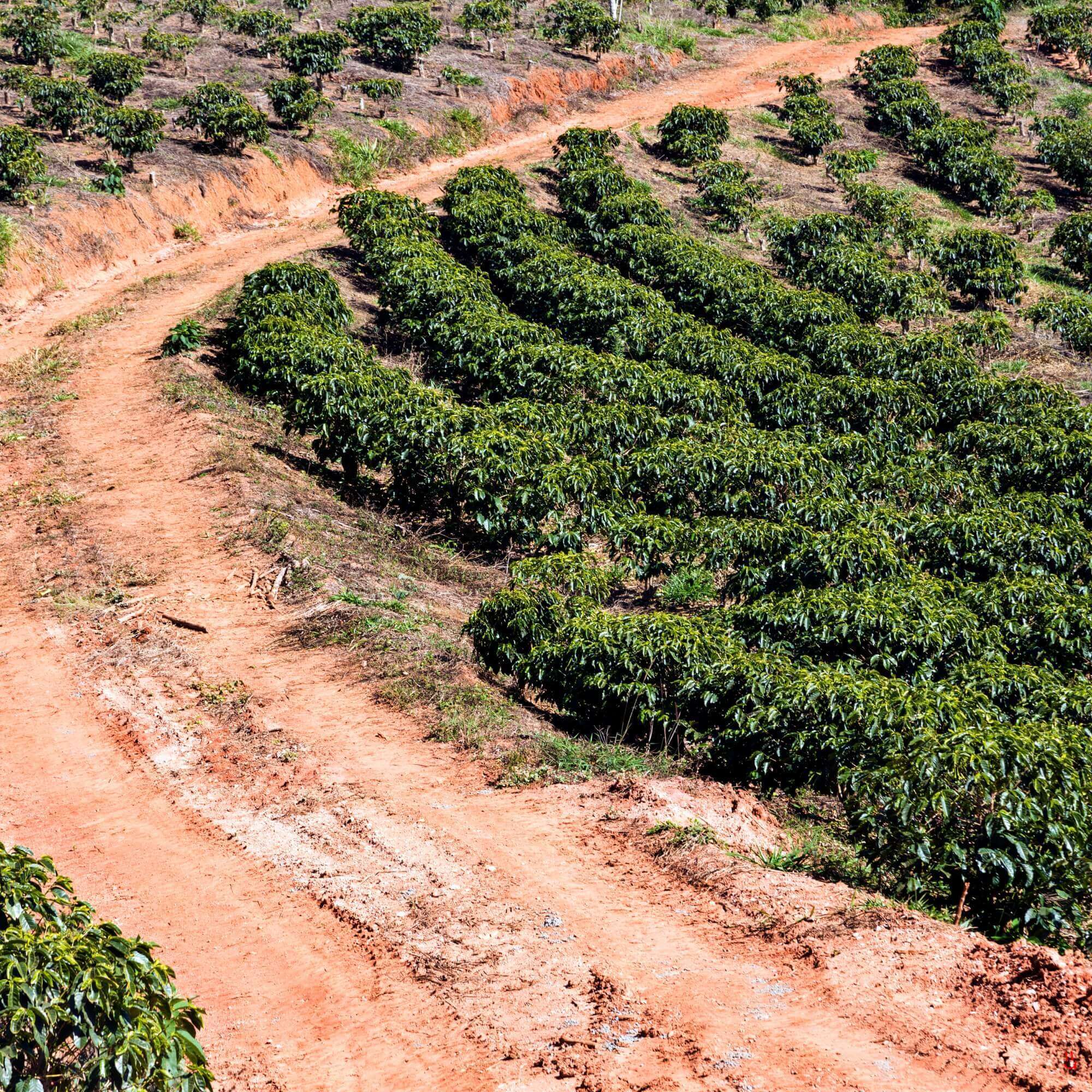
Rows of coffee trees on red soil curving along a Brazilian hillside
Rows of coffee on red earth — the backbone of our Brazil lots.
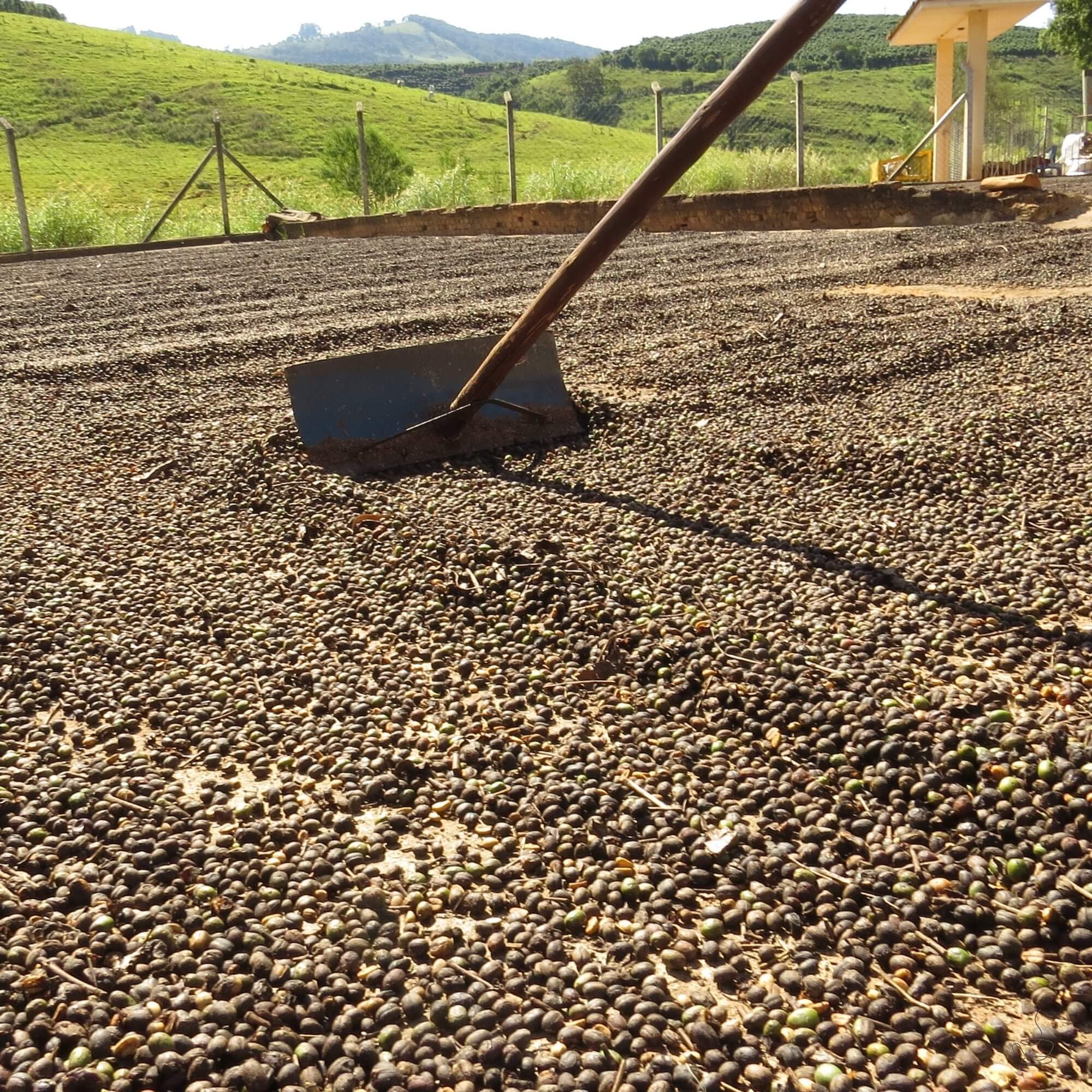
Natural processed coffee cherries drying evenly on patios
Sun-dried naturals building caramel and chocolate sweetness.
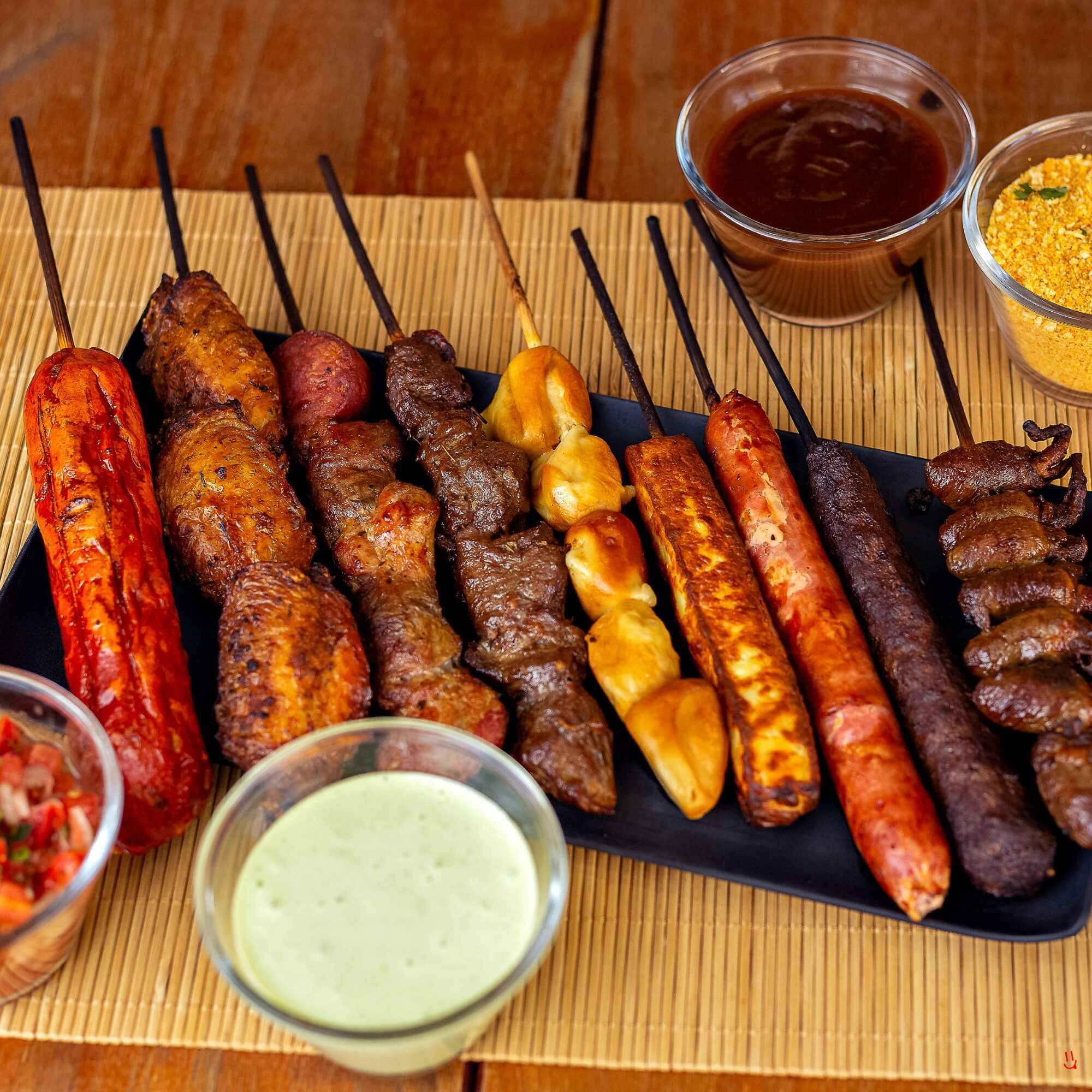
Brazilian barbecue spread with grilled meats and chimichurri
Comfort food & coffee — everyday Brazilian hospitality.
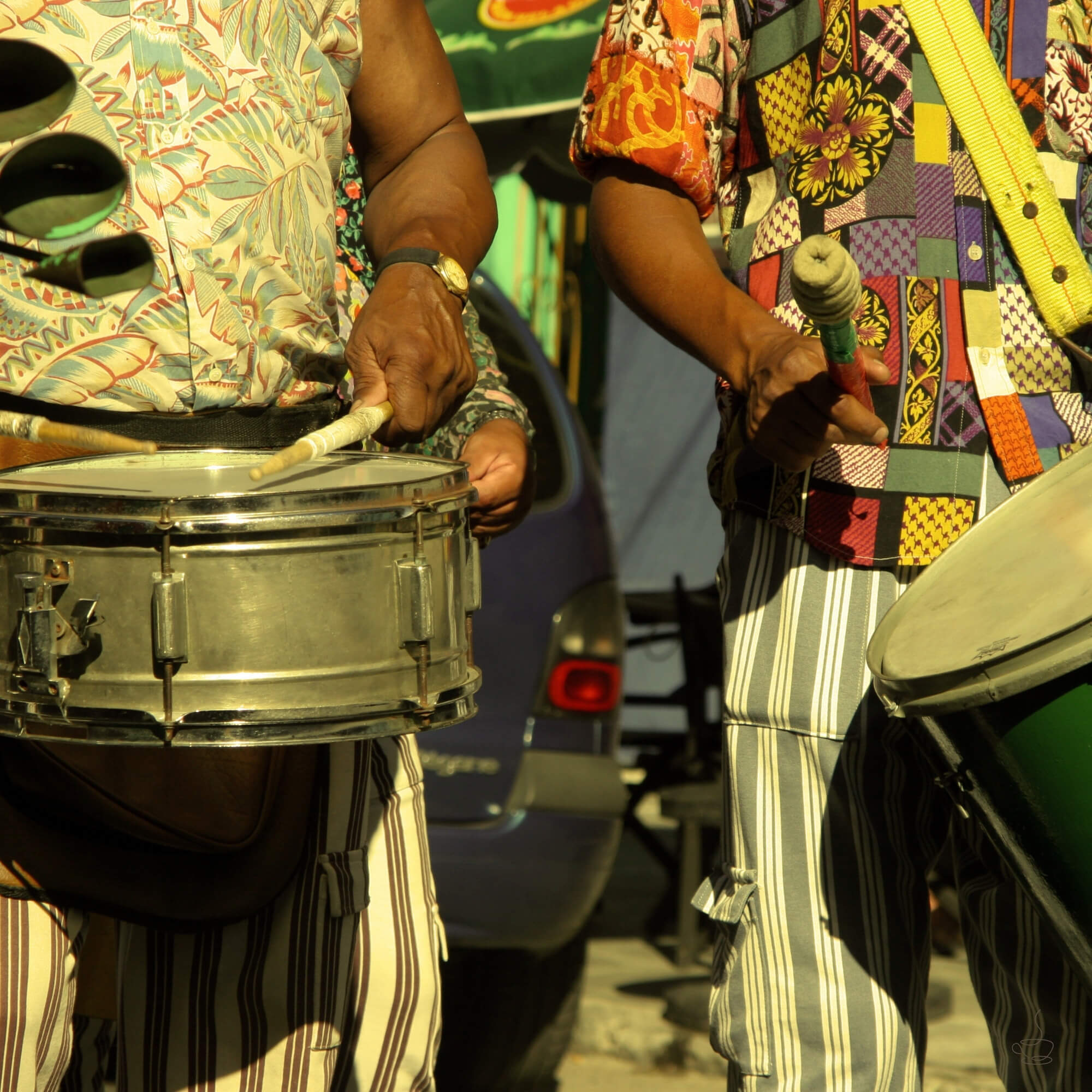
Brazilian Samba - Drums
Carnival Parade
Carnival Parade
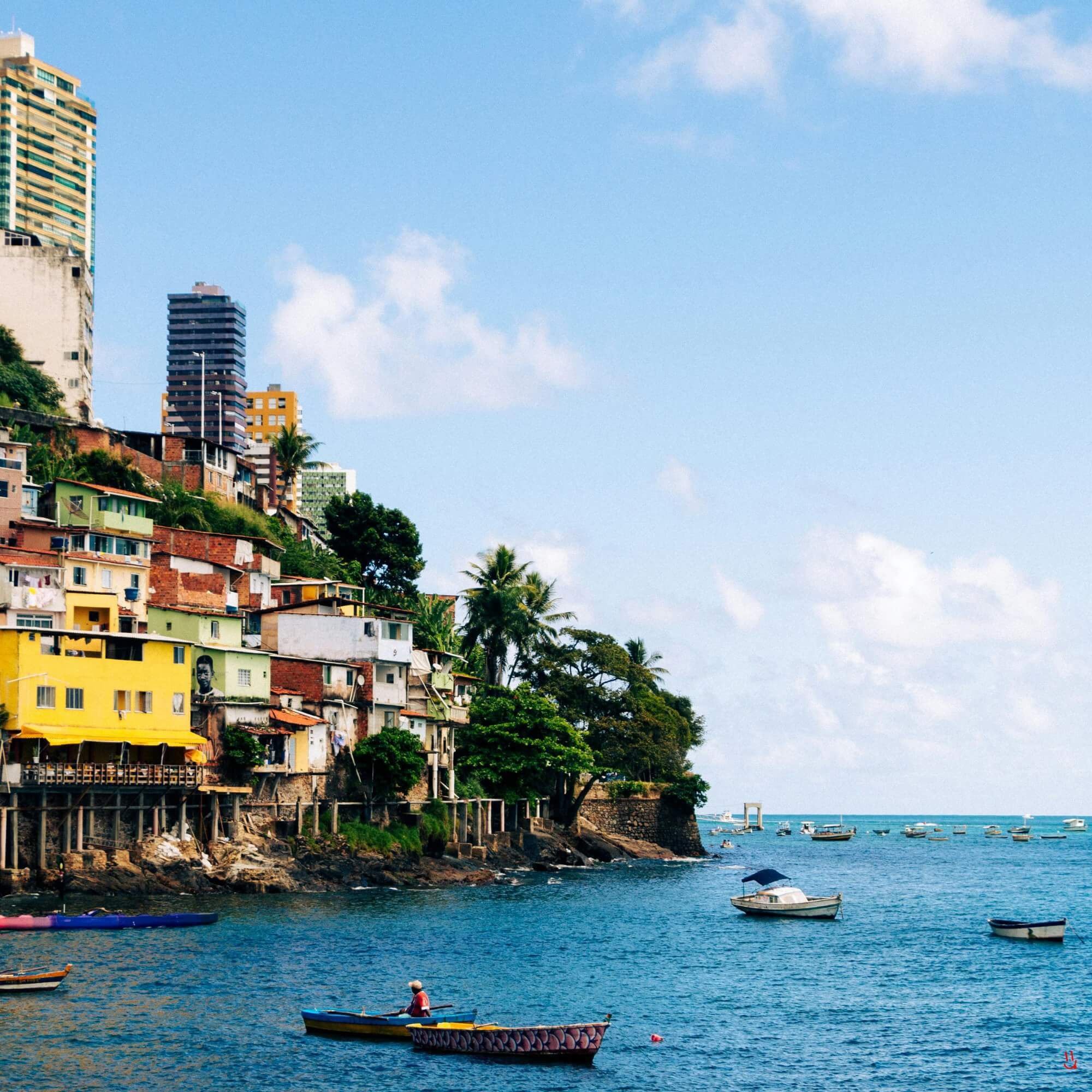
San Salvador Beach Front

Brazil Origin FAQ

Why do so many of your blends start with Brazil?
Brazil provides dependable sweetness, body, and crema with gentle acidity. It’s the anchor that lets brighter components from other origins shine without losing balance.
Is Brazilian coffee always low acidity and simple?
No. Classic regions lean chocolatey and mellow, but higher-altitude zones like Chapada Diamantina and Caparaó can deliver citrus, stone-fruit, and floral complexity when carefully processed and roasted.
How does Coo Coo’s Coffee select Brazilian producers?
We partner with farms and cooperatives focused on selective picking, clean natural and pulped natural processing, traceability, fair labor, and long-term soil and water health — then design roast profiles that highlight each lot’s strengths.