Yemen Coffee Origins — Ancient Terraces, Bold Character & Intentional Selection

Yemen is one of coffee’s oldest cultivated homelands. Today, its sun-baked stone terraces and heirloom varieties can deliver intense, layered cups — but only when sourcing, processing, and selection are handled with extreme care.
Dried Fruit Sweetness Berry & Grape Cocoa & Spice Winey Complexity Heirloom Varieties Micro-Lot Only
Terraced coffee farms on steep mountainsides in Yemen
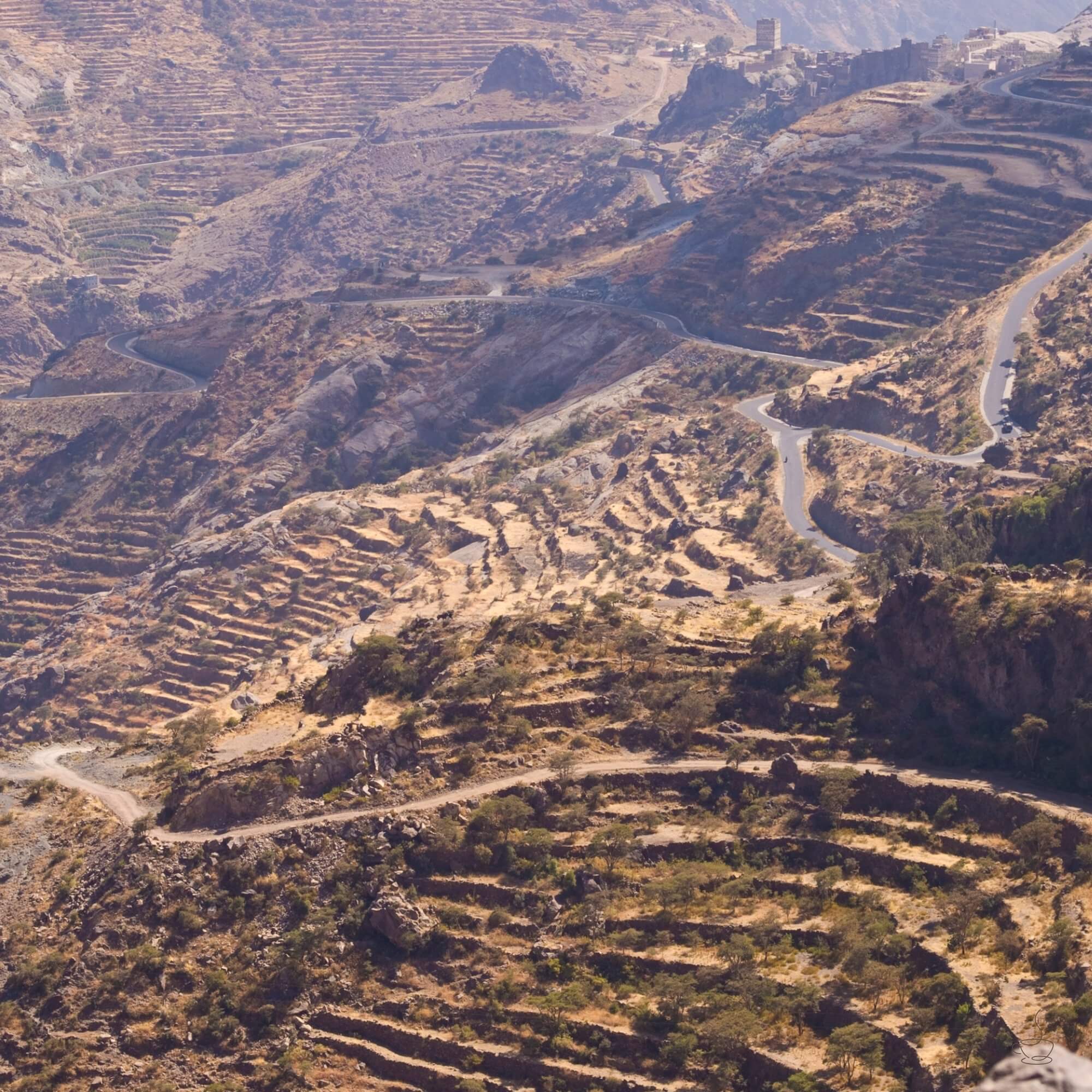
Centuries-old terraces and dry, highland climates define Yemen’s singular coffee identity.

Yemen at a Glance

Key Regions
Haraz · Bani Matar · Hayma · Saʿdah · Al-Qafr / Ibb · Other Western & Northern Highlands
Typical Altitude
~1,800–2,300+ m (terraced highlands)
Varieties
Local heirloom populations (often grouped as “Yemeni / Jemenia” types)
Processing
Primarily Natural (sun-dried cherry); selective partners using improved raised-bed and controlled methods
Harvest Window
Roughly October – March (region & elevation dependent)
Flavor Spectrum
Raisin · Fig · Berry · Cocoa · Spice · Floral hints · Winey & dense when well processed

Key Coffee Regions of Yemen

Yemen’s coffee is grown on dry stone terraces by smallholder families, often with trees older than many roasteries. Elevation, aspect, and post-harvest discipline turn this challenging environment into some of the most expressive natural coffees in the world — when done right.

Haraz

Perhaps the most recognized modern Yemen origin for specialty coffee.

  • Altitude: Often 1,900–2,300+ m
  • Profile: Intense dried fruit, berry, cocoa, spice; structured and dense.
  • Role: Hero micro-lots; carefully curated naturals only.

Bani Matar & Hayma

Historic highland zones west of Sana’a, with steep terraces and long heritage.

  • Profile: Raisin, fig, cocoa, spice, sometimes florals.
  • Role: Structured, classic Yemen profiles; select for cleanliness.

Saʿdah & Northern Highlands

Remote, high, and demanding — potential for standout density and aromatic depth.

  • Profile: Darker fruit, spice, complex sweetness.
  • Role: Distinct micro-lots when sorting and drying are well controlled.

Ibb, Al-Qafr & Surrounding Areas

Greener, often more humid pockets that benefit from improved handling.

  • Profile: Sweet spice, fruit, softer structure when carefully dried.
  • Role: Regional lots with potential as transparency improves.
Learn more about Yemen’s terroir, challenges & why careful selection matters

Yemen’s coffee trees grow in thin, stony soils on steep, terraced slopes, often at elevations exceeding 2,000 m. Rainfall is limited, nights are cool, and many farms rely on traditional, low-input practices. These stresses concentrate sugars and create dense seeds — a foundation for powerful flavor.

Historically, sun-drying on rooftops or open courtyards led to wide cup variability. Modern quality-focused exporters and producer groups now invest in selective picking, improved drying beds, defect sorting, and cleaner storage. The result, when standards are upheld, is highly expressive natural coffee with layered fruit, spice, cocoa, and floral notes.

At Coo Coo’s Coffee, Yemen is a micro-lot, high-scrutiny origin. We only accept lots that meet strict physical and sensory thresholds and come with transparent, documented handling — so the romance of Yemen’s story is backed by the reality in the cup.

Processing & How We Evaluate Yemen Coffees

History, People & Yemen’s Place in Your Lineup

Yemen’s relationship with coffee is centuries deep — from early export ports to the spread of coffee across the world. Today’s producers operate in complex conditions, often on family terraces passed down through generations. When we feature Yemen, we work to: clearly credit the communities behind each lot, avoid romanticizing hardship, and align premiums with measurable quality and traceability. For your guests, that translates into a cup that feels historic, rare, and responsibly chosen, not just expensive.

Yemen in Pictures

Use photography to connect each release to real places — terraces, villages, drying beds — and to the care it takes to bring clean Yemen coffees to your bar.
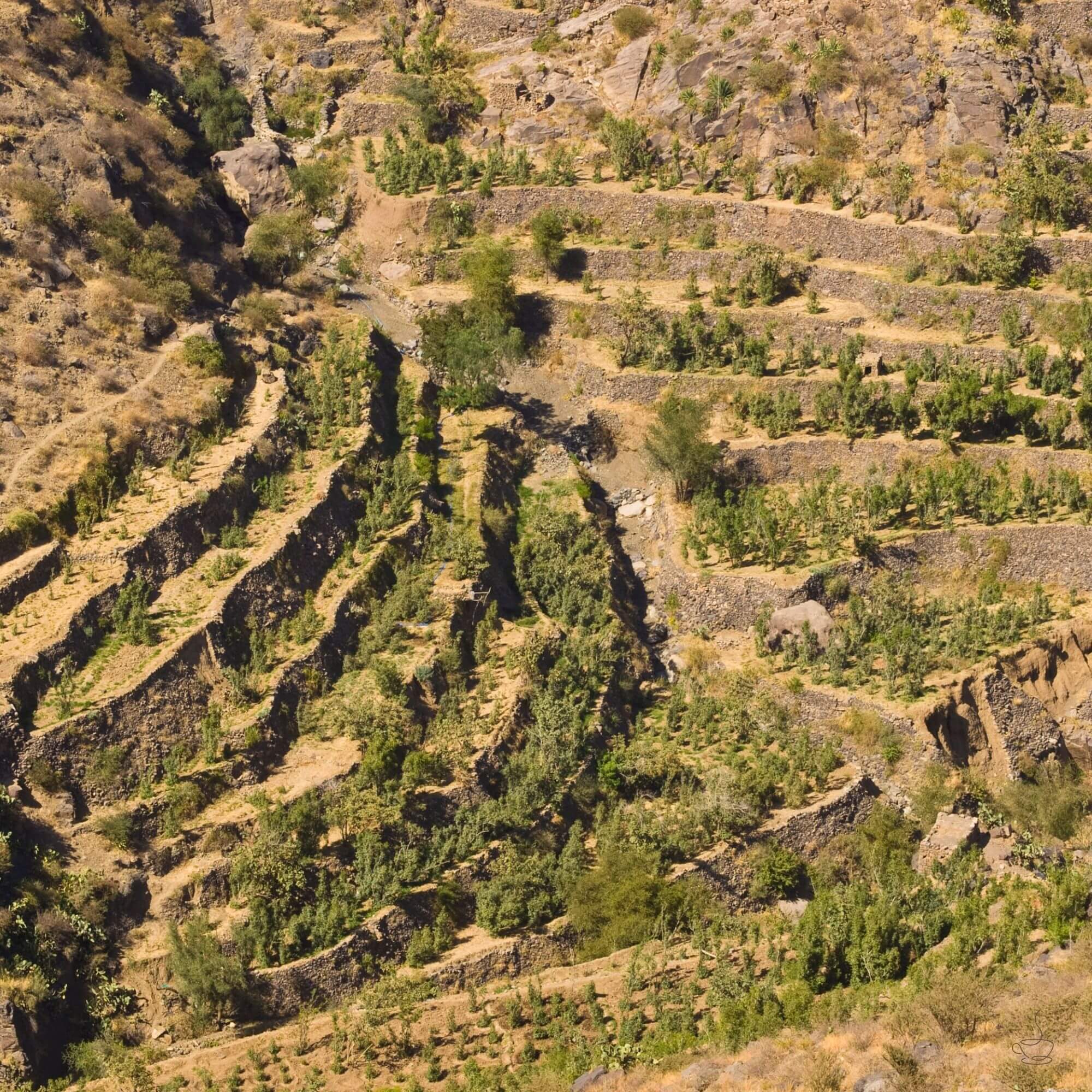
Ancient stone coffee terraces in Yemen
Ancient terraces — the architecture of Yemen’s coffee legacy.
Coffee cherries drying on raised beds in Yemen
Improved drying elevates classic profiles into clean, complex cups.
Yemeni mountain village built into cliffs
Modern rooftop cafe
Ripe coffee cherries on a Yemen coffee branch
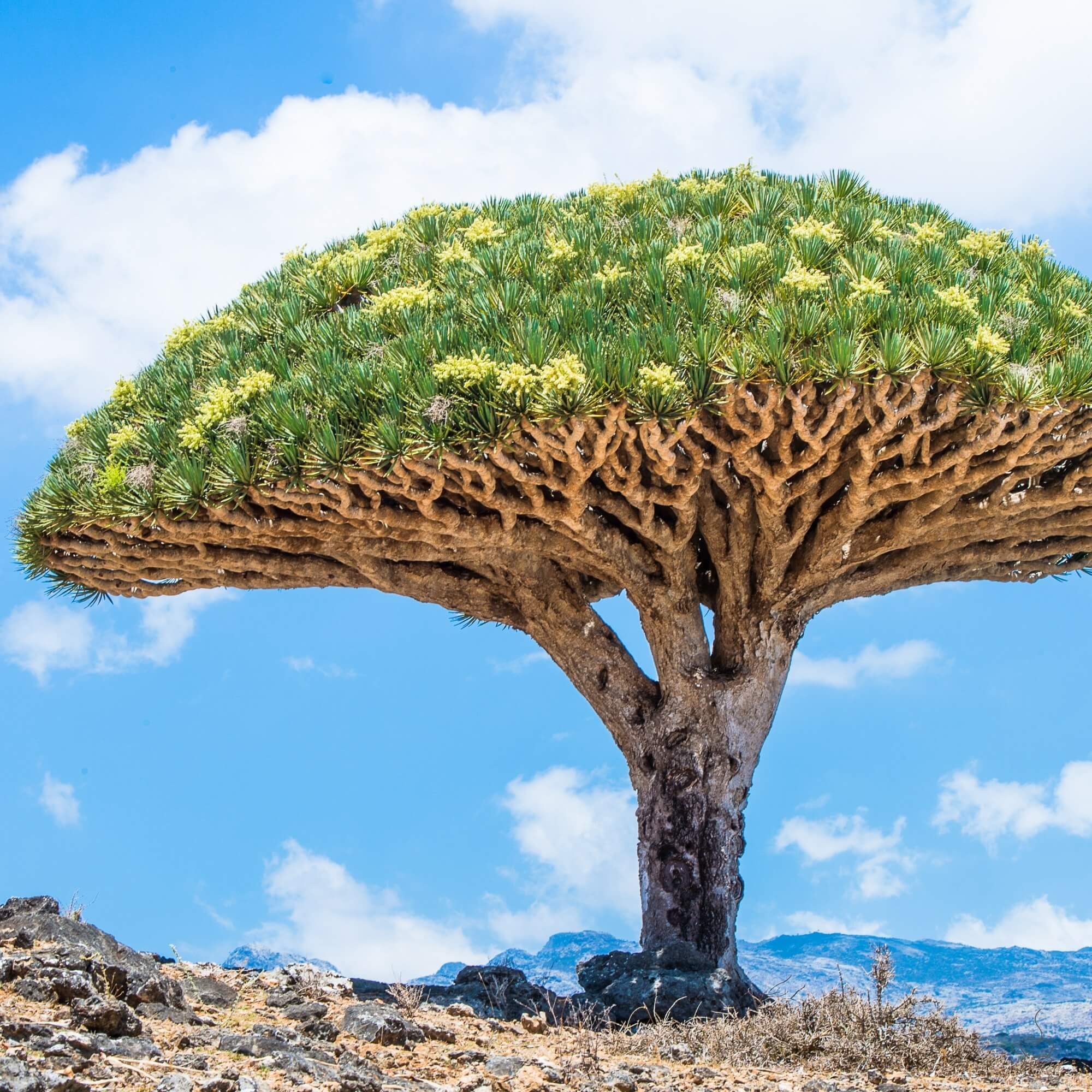
Dragon tree
Producers sorting dried coffee cherries by hand
Tiaz, near the port of Mokha
Cupping Yemeni coffee samples
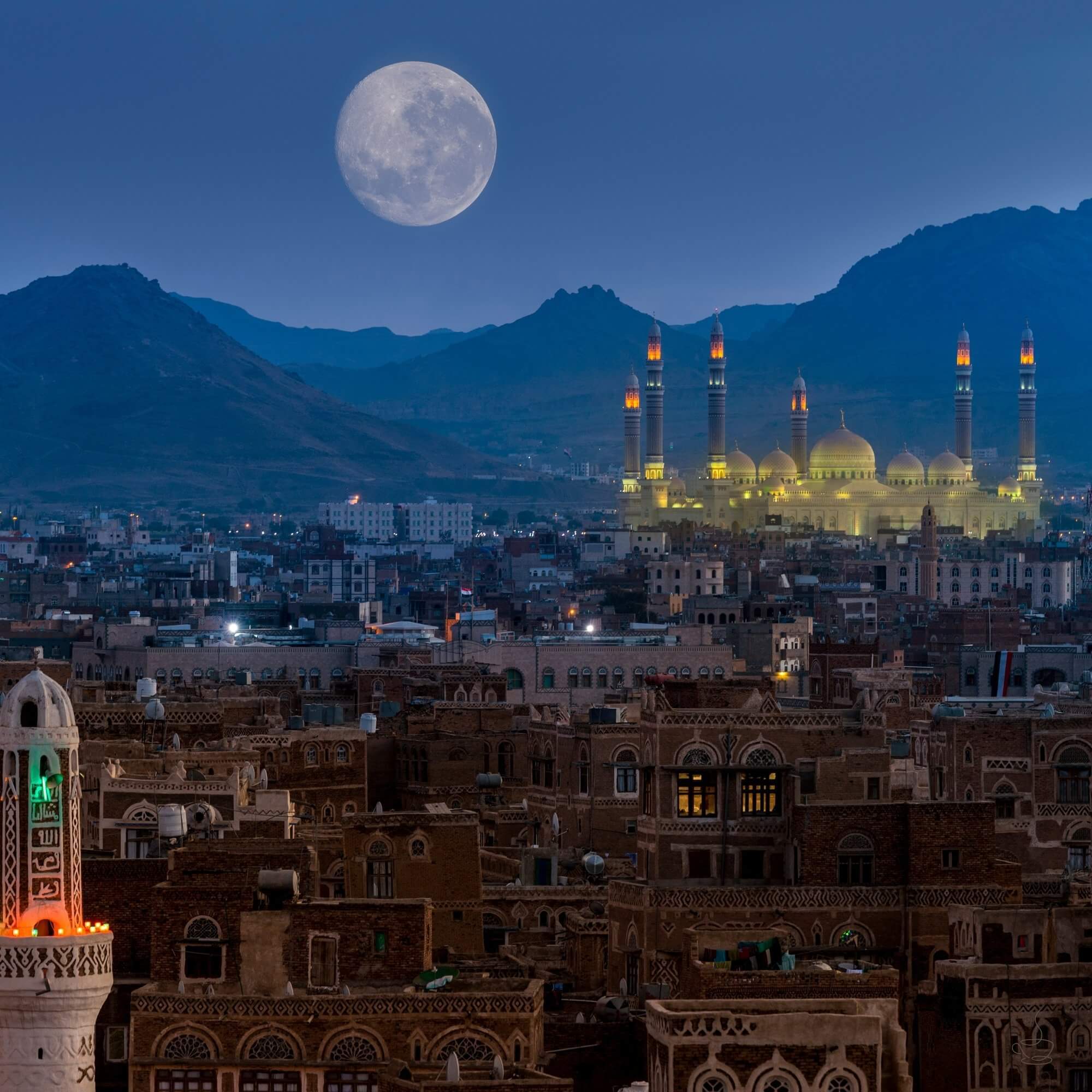
full moon, city of Sana
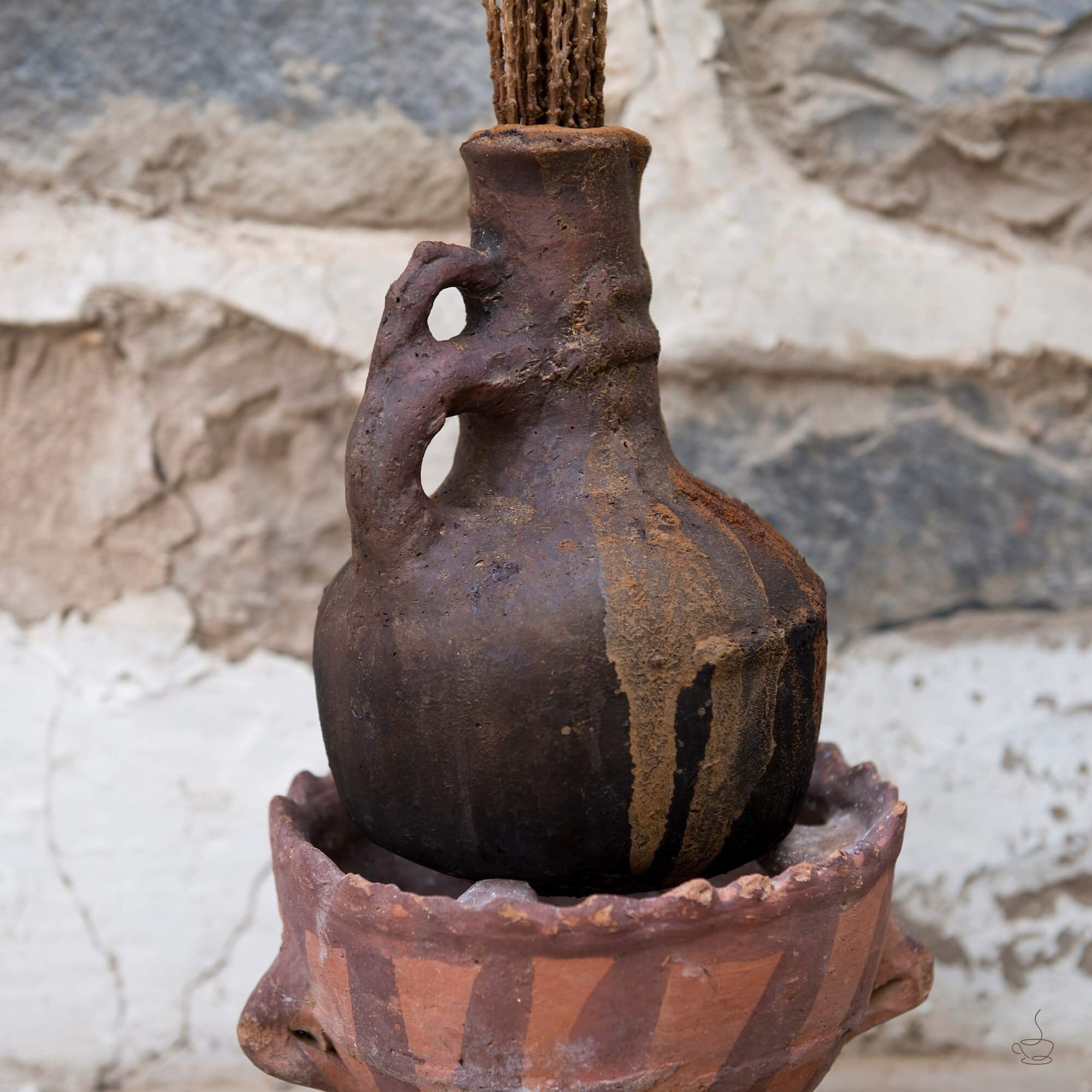
Traditional Yemeni coffee or mocha-style brew
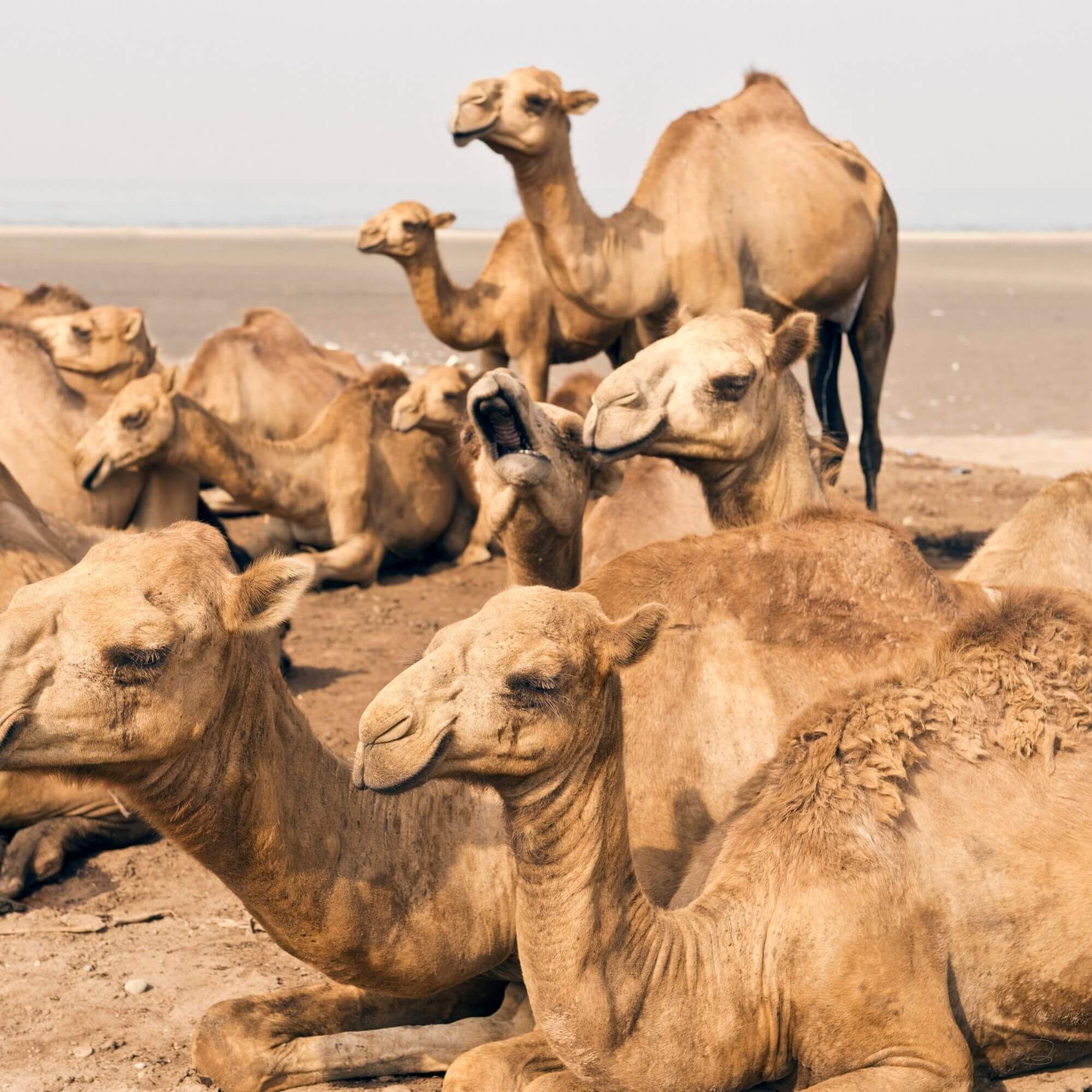
Trade routes, ancient long haulers
Sunrise over Yemeni highlands
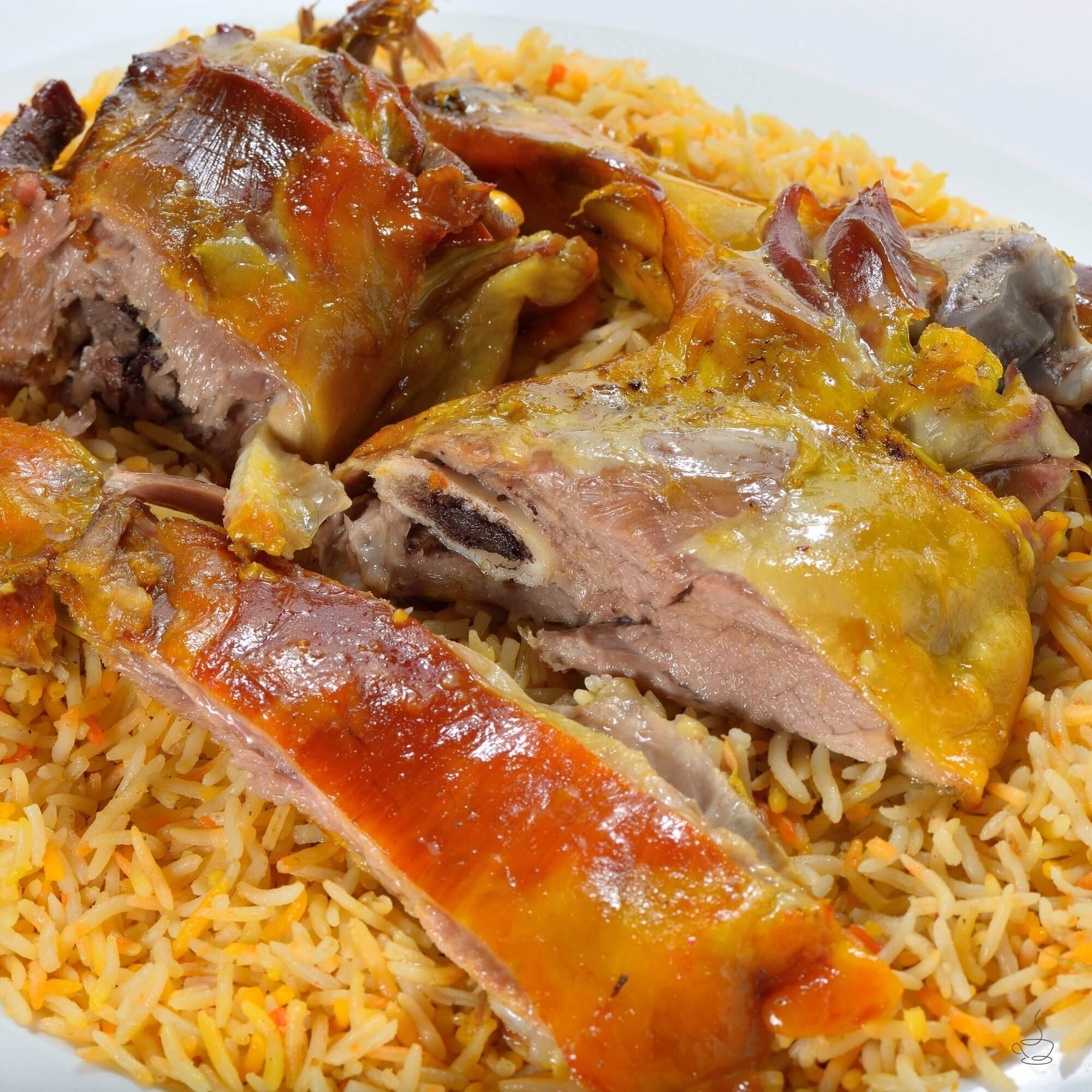
Traditional Mandi dish.
Historic Yemeni port city skyline
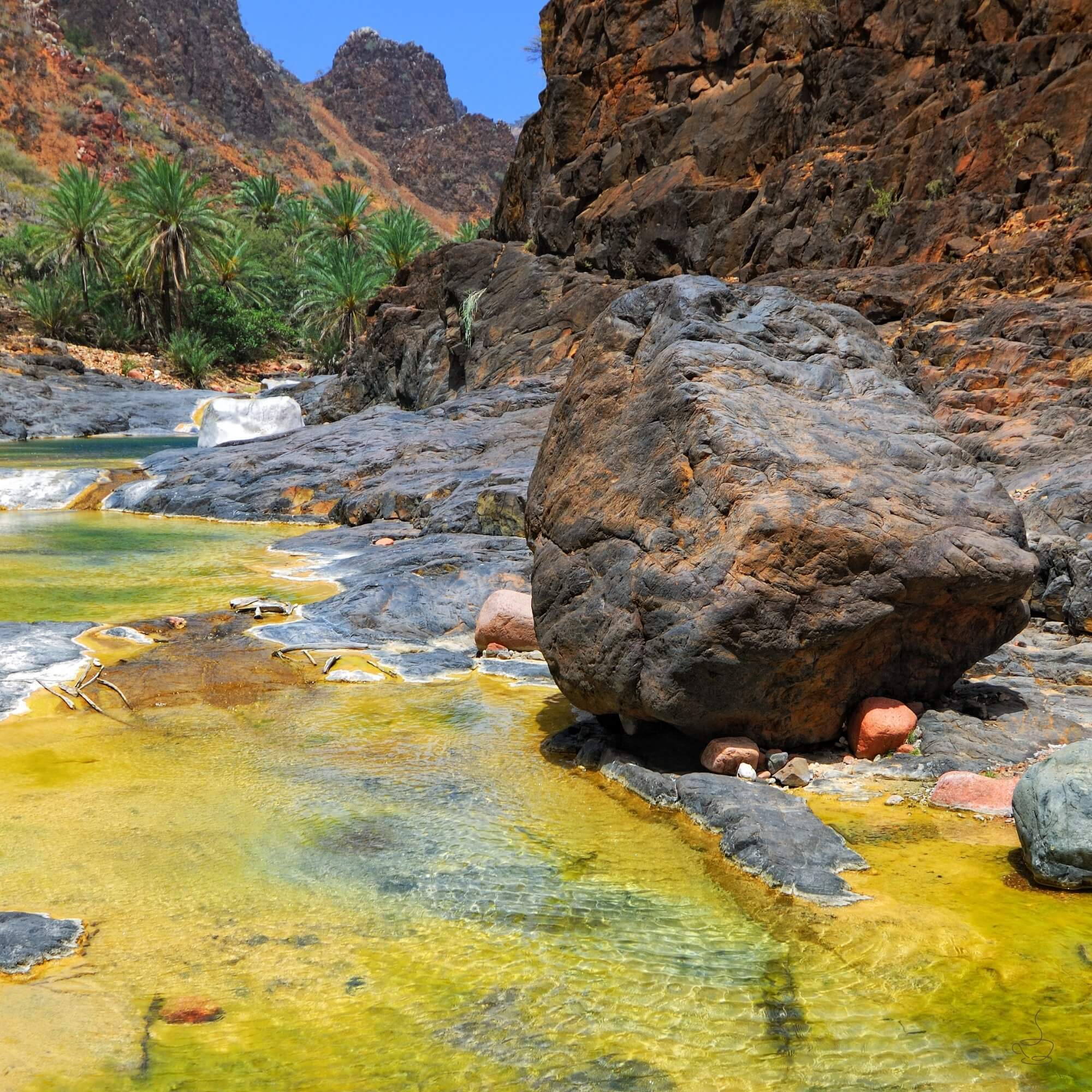
Mountain river in Socotra

Yemen Origin FAQ

Why is Yemen coffee usually more expensive?
Extremely small-scale farming, difficult terrain, low yields, complex logistics, and the labor required to reach clean, high-scoring cups all raise true production costs. We feature Yemen only when quality and impact justify the premium.
What flavors should I expect from a good Yemen lot?
Look for concentrated sweetness (raisin, fig, dates), berry and grape notes, cocoa, spice, and occasional florals. Clean Yemen naturals are intense but should not taste moldy, acrid, or harshly fermented.
How does Coo Coo’s Coffee approach Yemen sourcing?
We work with partners who can demonstrate selective harvest, improved drying, clear lot structure, and fair, transparent relationships with farmers. Every Yemen release is cupped repeatedly; if it doesn’t meet our standards, it doesn’t ship.