Uganda is no longer just a commodity line on a blend sheet. Highland Arabicas and disciplined Robustas deliver
fruit, cocoa, and structure — giving us tools for both expressive single origins and intentional blend design.
Ripe berry · Dried fruit · Cocoa · Brown sugar · Spice · Structured body
Key Coffee Regions of Uganda
Ugandan coffee is defined by altitude, processing infrastructure, and whether we’re talking Arabica or Robusta.
We focus on lots where structure, sweetness, and clarity outperform old stereotypes.
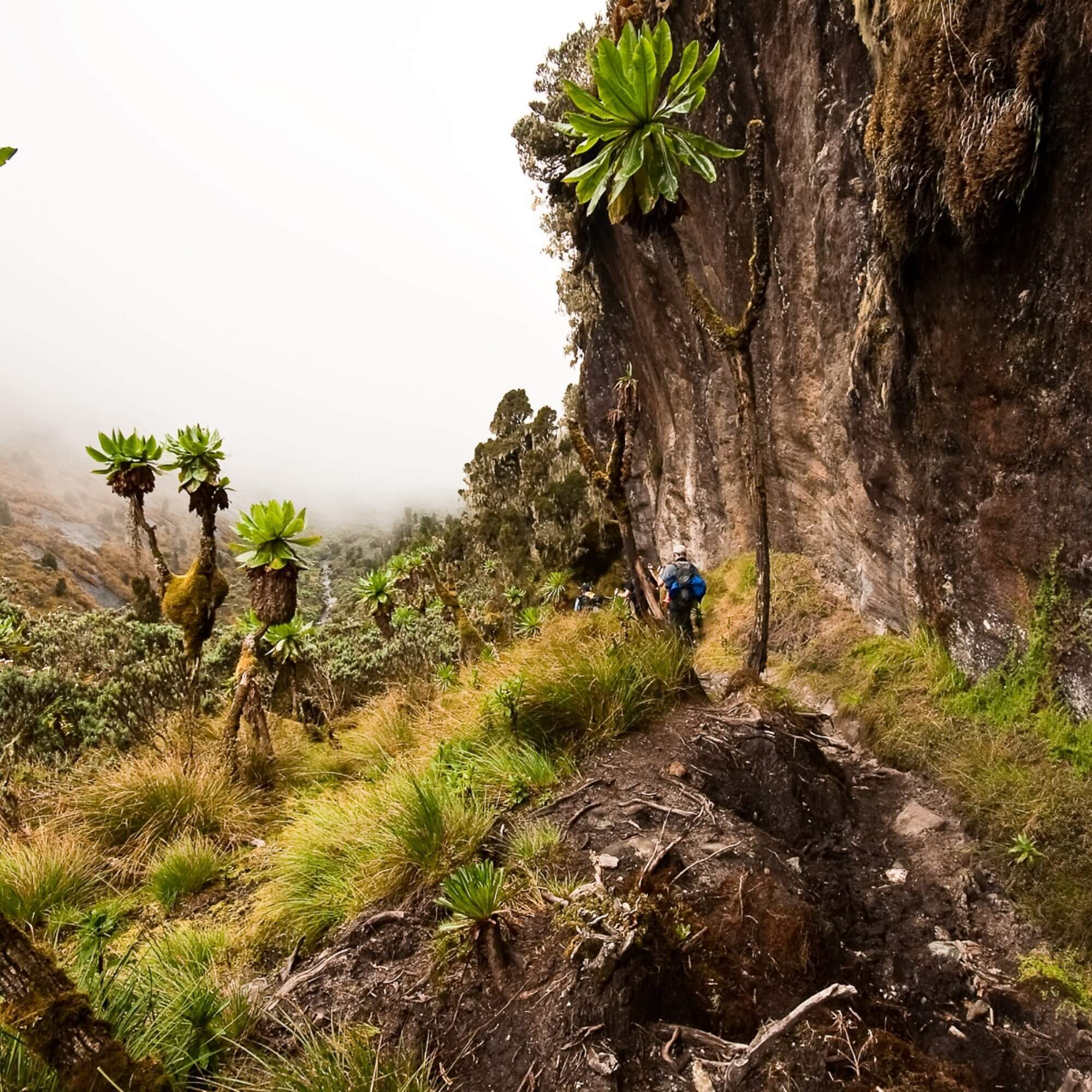
Rwenzori Mountains (West)
Steep slopes above the Rift Valley; historically home-processed naturals, now increasingly organized.
Role: Characterful naturals; careful selection for cleanliness and balance.
Mount Elgon (East)
High elevations and cooler climate on the Kenyan border; organized washing stations and community mills.
Profile: Citrus, stone fruit, florals, cane sugar.
Role: Washed anchor for refined single origins and blends.
Southwest Highlands & West Nile
Emerging Arabica areas with promising altitude and growing QC investment.
Profile: Sweet, cocoa-toned, fruit and spice nuance.
Role: Future space for traceable microlots and projects.
Central & Lake Victoria Crescent (Robusta)
Heartland of Ugandan Robusta; quality ranges from commodity to carefully processed specialty.
Profile (fine lots): Cocoa, toasted nuts, low fruit, heavy body.
Role: When used, clearly labeled as quality-driven Robusta in blends for crema and structure.
Learn more about Uganda’s terroir, varieties & how regions shape flavor
Uganda’s potential has long been buried under aggregation and inconsistent processing. In the Rwenzoris,
steep slopes and high altitude are ideal for dense cherry and expressive naturals — when drying is slow,
shaded, and well managed. Structured partnerships and central processing are turning rustic fruit-bomb
reputations into clean, layered cups.
On Mount Elgon, higher elevations and organized washing stations produce washed Arabicas with citrus, florals,
and sugarcane sweetness that can stand alongside more famous East African origins. Southwest and West Nile
pockets are quietly building similar stories as investment in quality grows.
Robusta is part of Uganda’s identity. We selectively explore high-elevation, well-processed Robustas as a
transparent tool for crema, body, and complexity — never as a hidden filler. Across all types, we look for
lots where terroir, process control, and structure are strong enough to talk about in detail.
Processing & Our Approach to Ugandan Coffees
Clean naturals from Rwenzori: Partner only with groups using raised beds, careful turning,
and protective drying — targeting fruit-forward cups without harsh ferment.
Washed clarity from Elgon: Seek fully washed lots with disciplined cherry selection,
fermentation, and washing for articulate citrus and florals.
Fine Robusta, if used: Choose documented highland Robustas with low defects as an intentional
component in select blends, communicated plainly.
QC stack: Multiple cupping stages, moisture and water activity checks, and close review of
physical prep before any Uganda lot is approved.
Roast philosophy: Light–medium for Arabicas to preserve complexity; slightly deeper, measured
development when integrating Robustas or building espresso structure.
People, Landscape & Everyday Coffee Culture
Ugandan coffee is grown by smallholders who often intercrop bananas, beans, and coffee on steep hillsides.
Cooperative structures, youth-led projects, and quality-focused exporters are reshaping how this origin appears
on specialty menus. Our aim is to move past generic “African blend” language and connect guests with named places,
real stations, and long-term partners as our sourcing evolves.
Uganda in Pictures
Use imagery that ties flavor to place — mountain trails, drying beds, markets, and lakeshores — while keeping
the focus on people and craft rather than clichés.
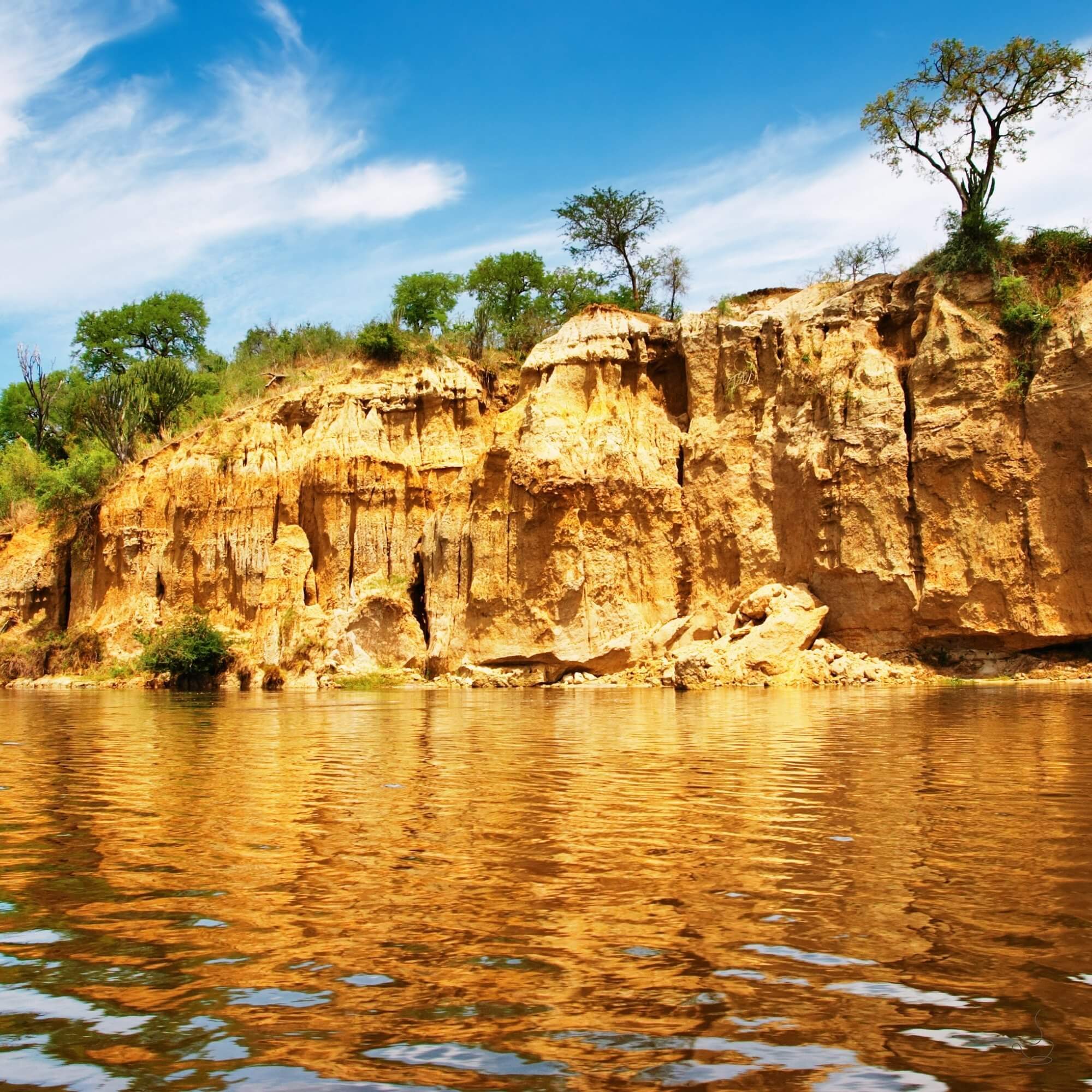
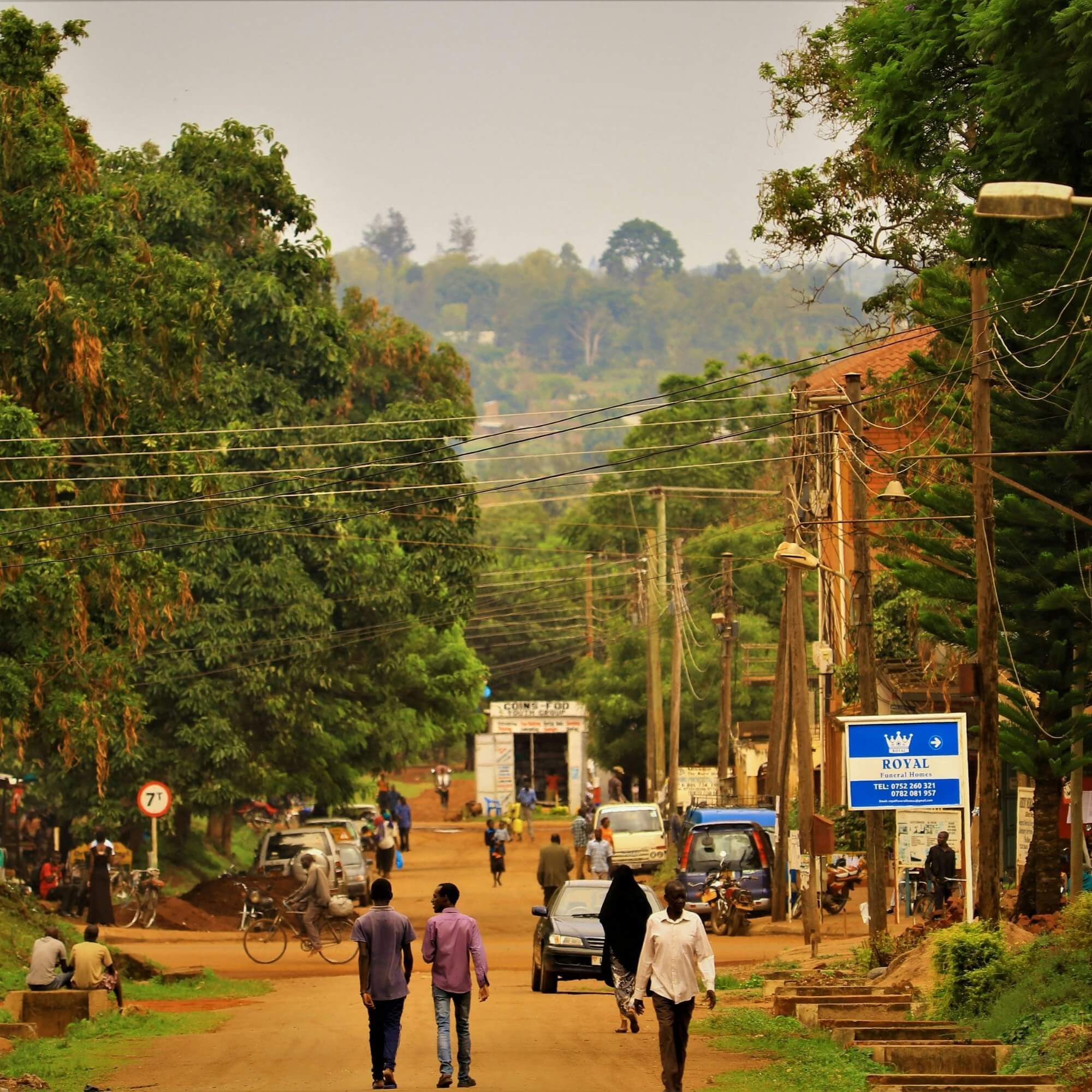
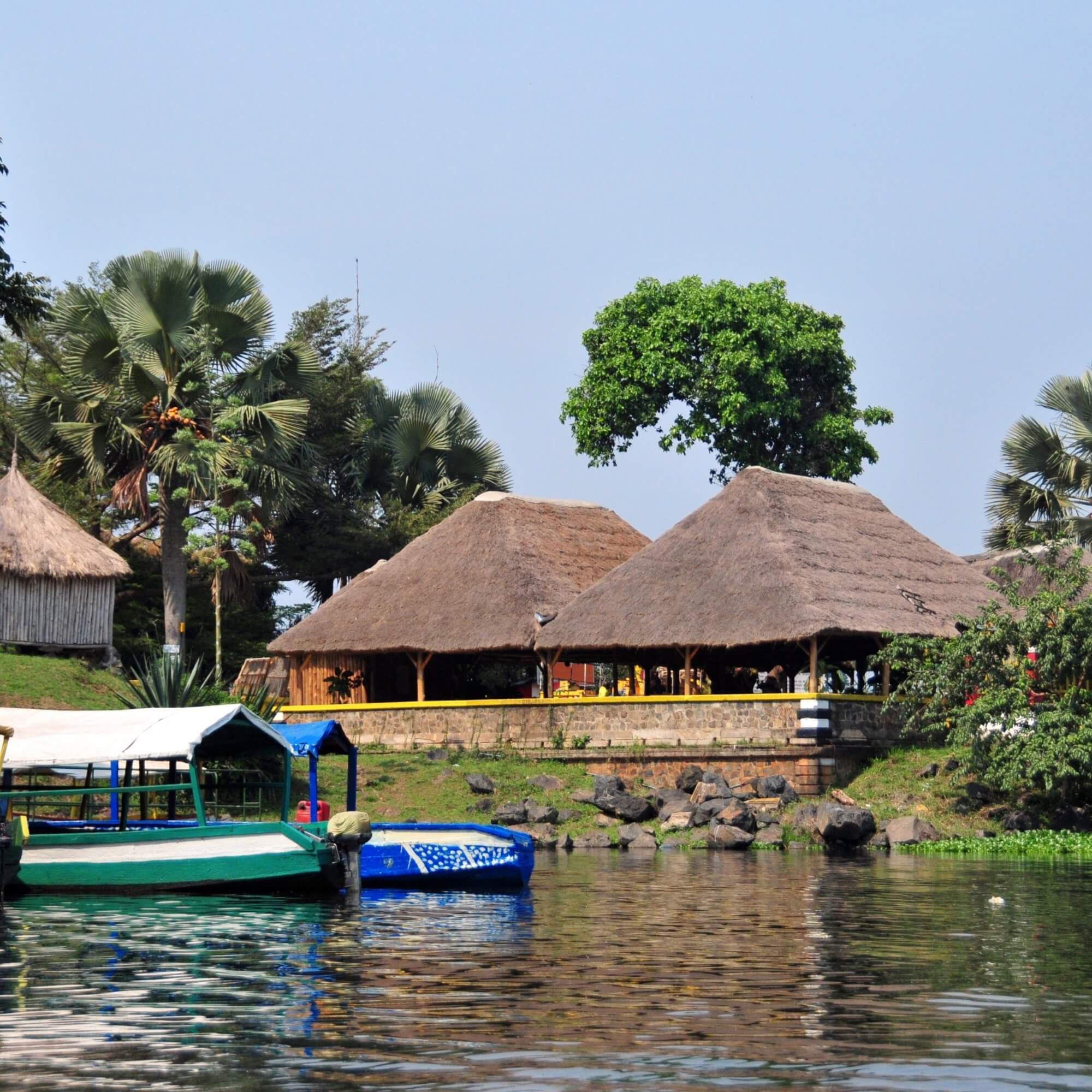
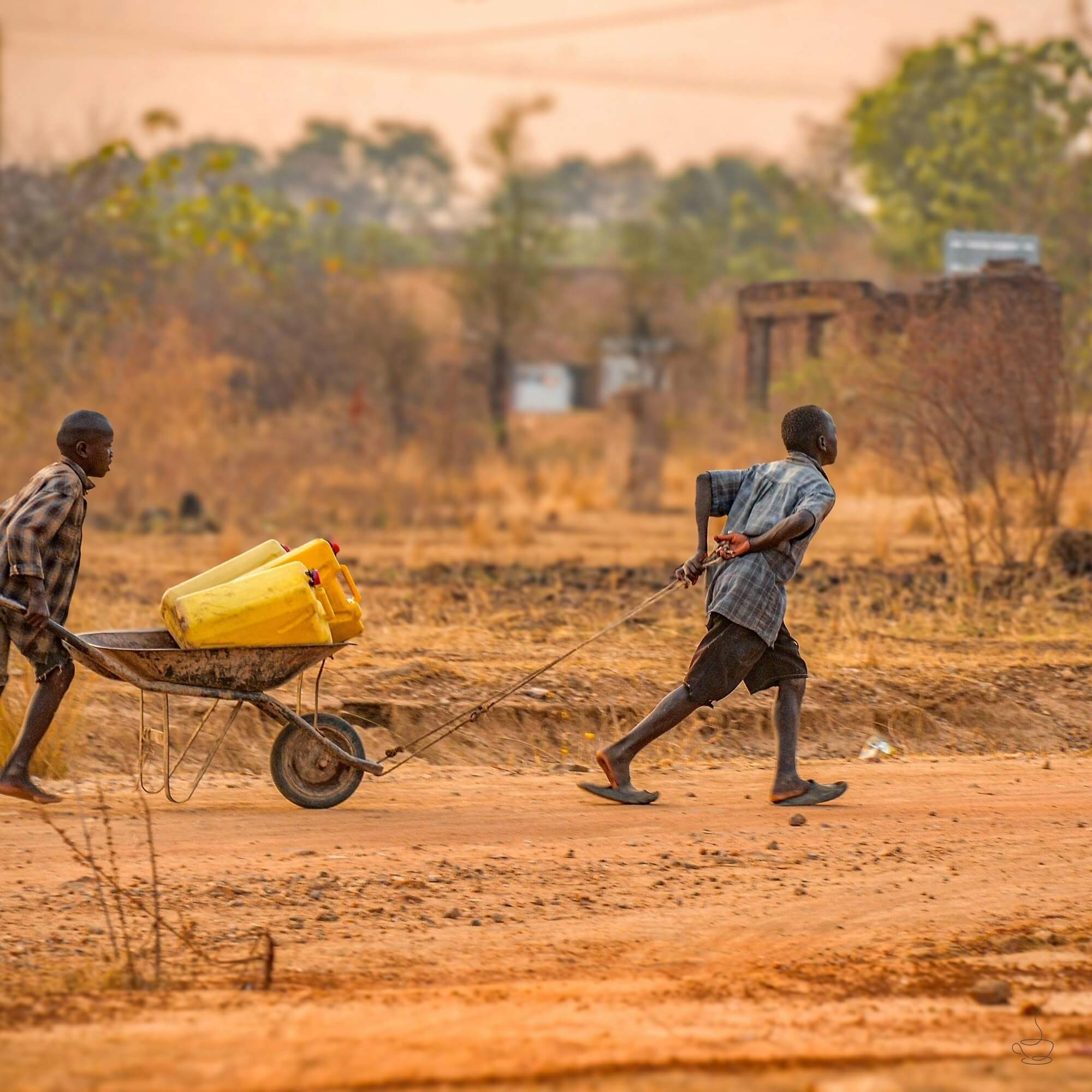
Rwenzori slopes: the backbone of Uganda’s modern natural Arabicas.River NileEveryday Uganda — communities behind each lot we select.
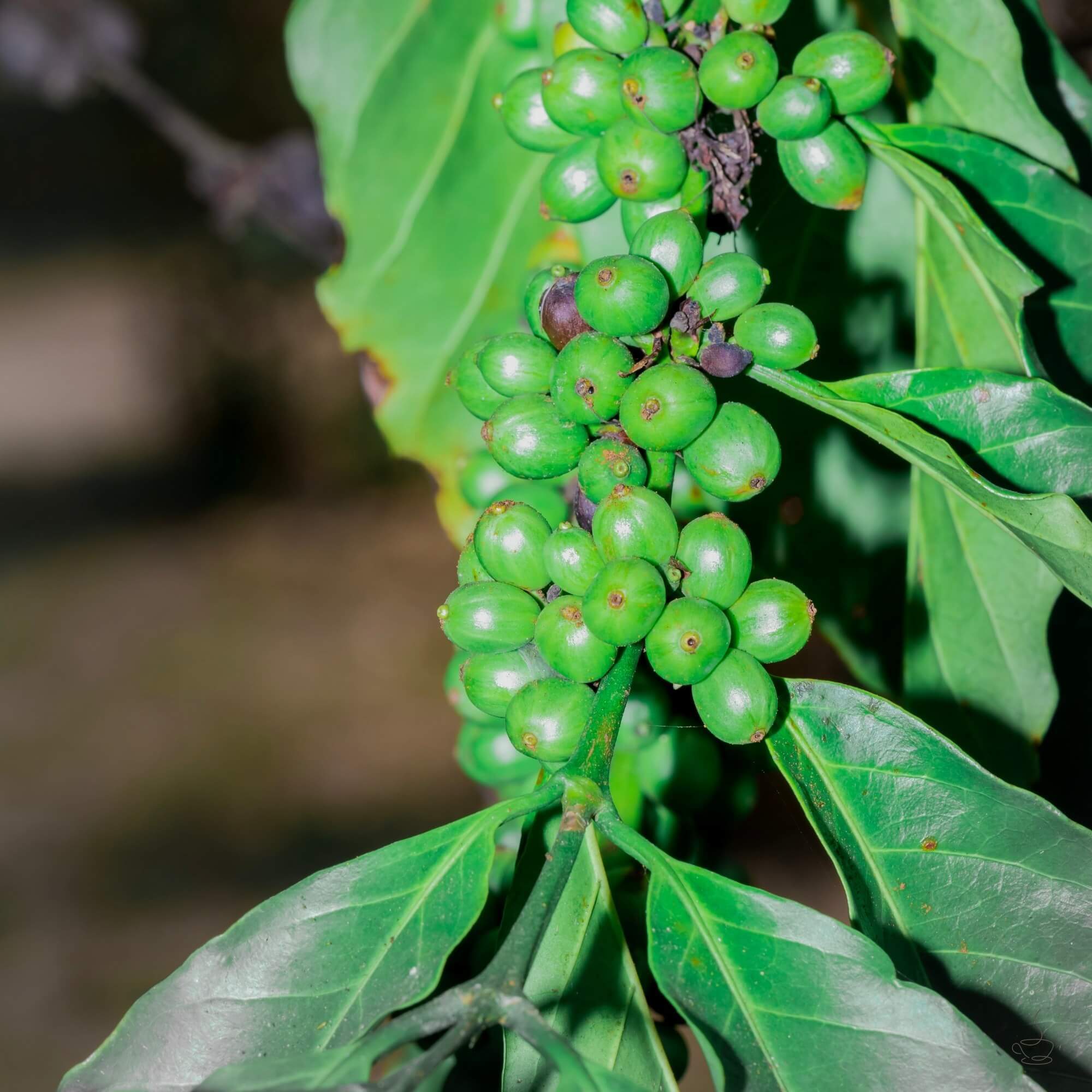
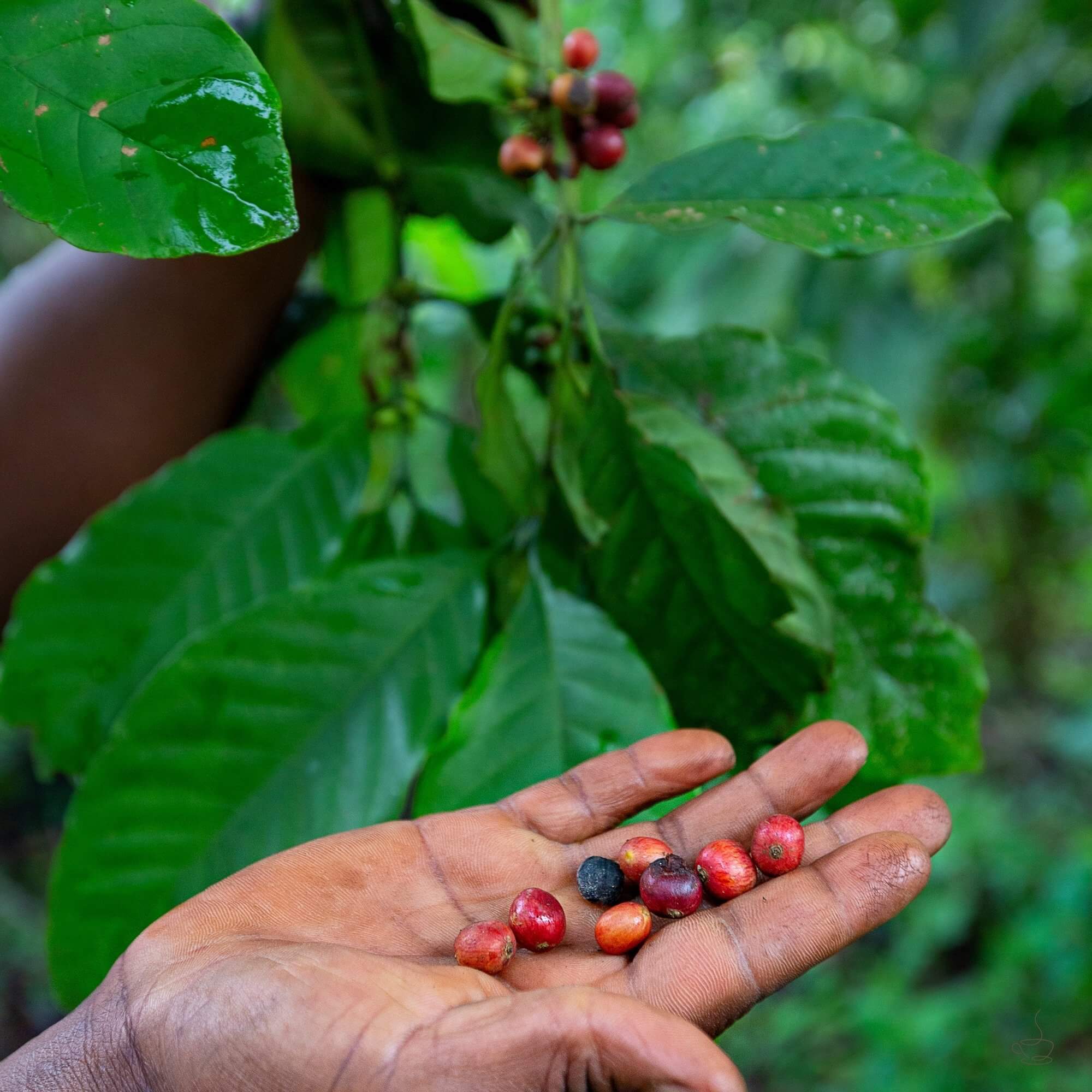
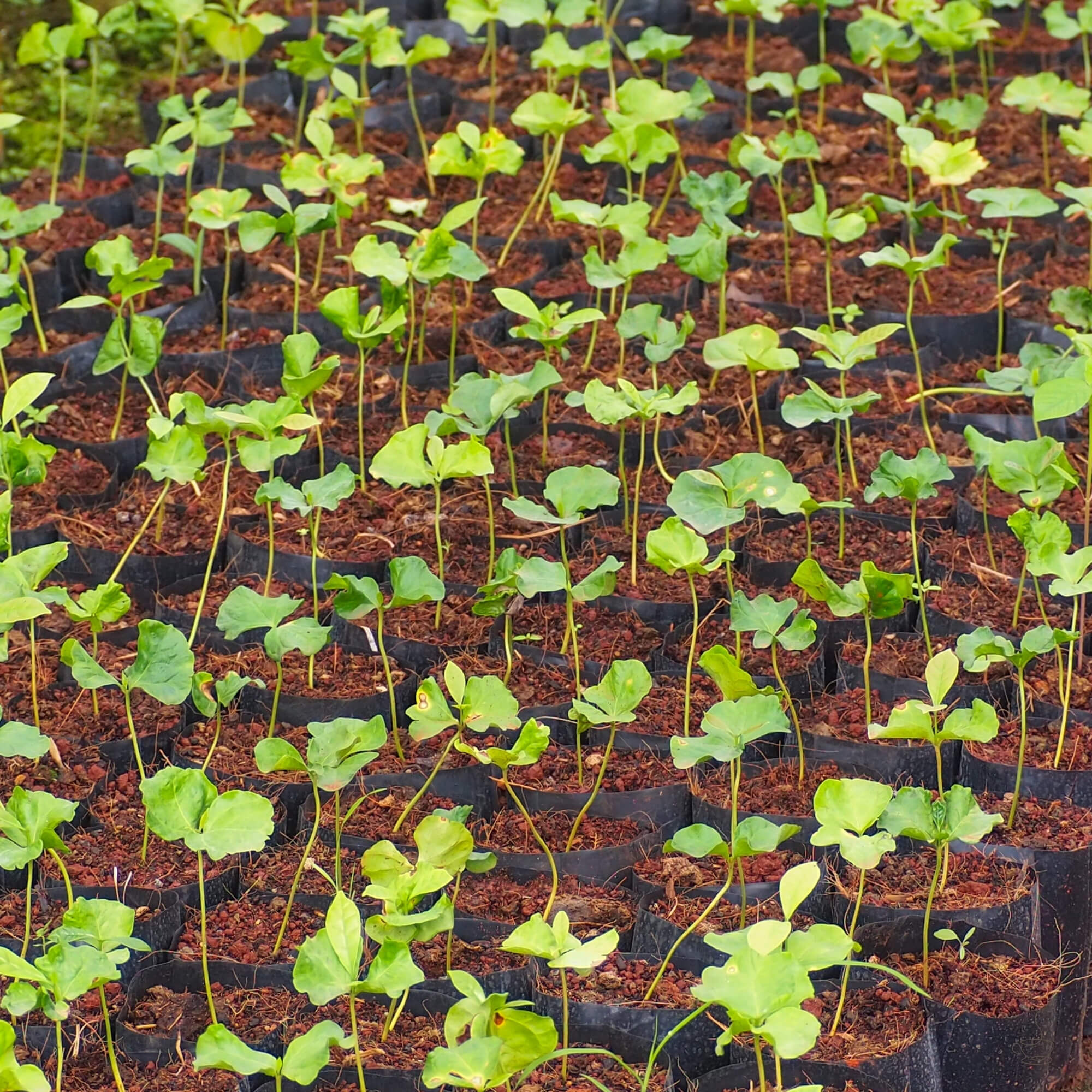
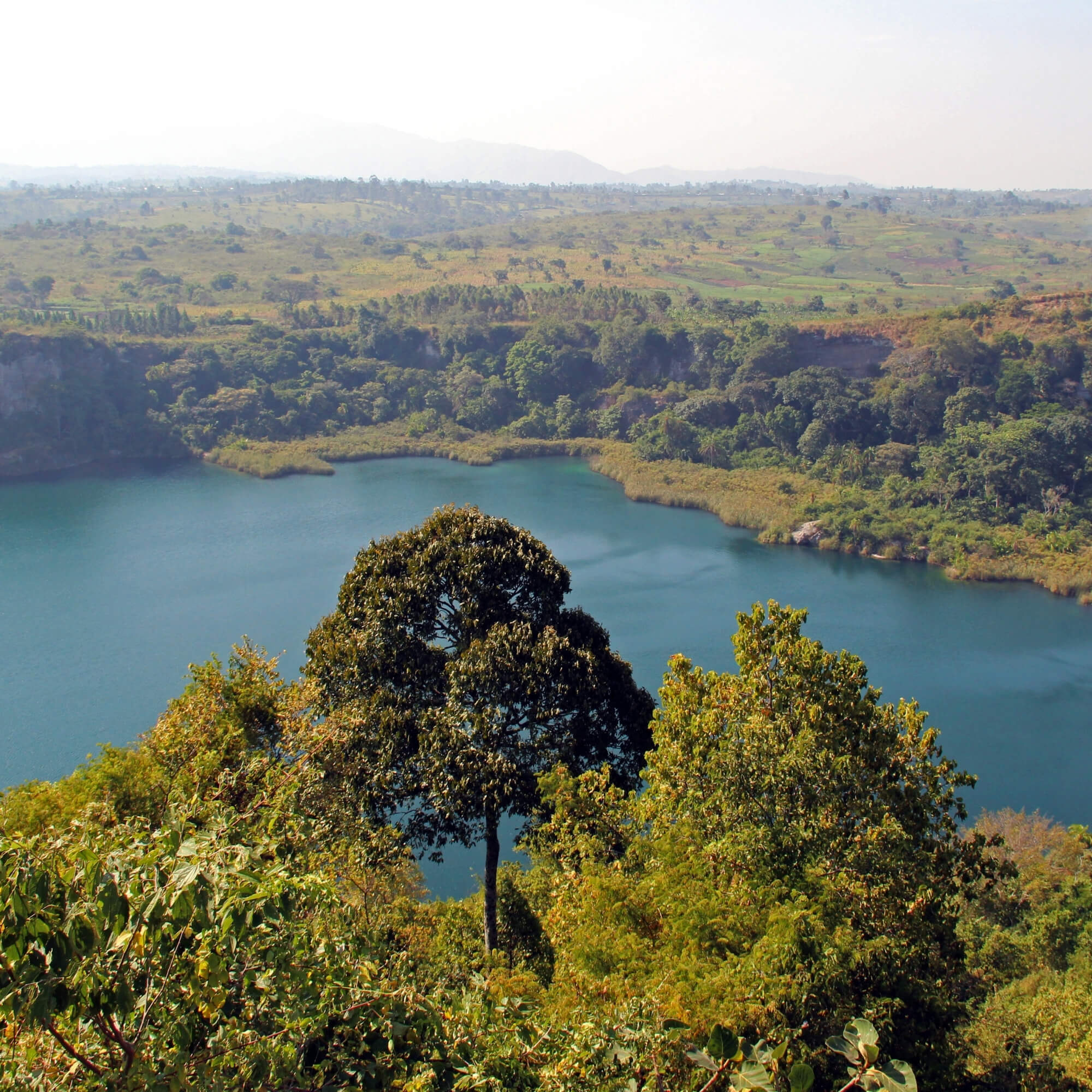
Pan-Troglodytes, Chimpanzee. Rwenzori MountainsSource of the Nile River? Jinga boat terminal.Bringing water home.QC tables where Uganda’s new reputation is built.Coffee Robusta seedlings.Water, elevation, and climate that frame the terroir.
Is Ugandan coffee only used as “filler” in blends?
No. While Uganda has a history of bulk exports, highland Arabicas from Rwenzori and Elgon — and carefully
processed Robustas — can be distinctive, traceable, and role-specific. We select lots that can stand on their
own or clearly strengthen a blend.
Do you use Ugandan Robusta?
Only when quality and transparency are in place. If we use fine Robusta, we say so plainly and explain why —
typically for crema, structure, and chocolate depth in specific blends.
What flavor profile should I expect from Ugandan coffees?
Expect dried and fresh red fruit, cocoa, molasses, and gentle spice from naturals; citrus, stone fruit and
cane sugar from washed Arabicas; and dense body from select Robustas. We avoid lots with rough ferment or
aggressive bitterness.