Tanzania Coffee Origins — Kilimanjaro Heritage & Southern Highlands Precision

From the foothills of Kilimanjaro to the Southern Highlands, Tanzania offers citrus-bright, floral, and sugarcane-sweet coffees that bridge classic East African vibrance with calm drinkability. This page clarifies where they come from and why they earn space on our menu.
Orange & Grapefruit Black Tea & Florals Sugarcane Sweetness Balanced Acidity Washed & Select Naturals Elegant, Structured Cup
Tanzanian coffee farm with Mount Kilimanjaro or Southern Highlands landscape
Coffee grown on volcanic slopes and highland plateaus across northern and southern Tanzania.

Tanzania at a Glance

Key Regions
Kilimanjaro & Arusha · Ngorongoro · Mbeya & Songwe (Southern Highlands) · Tarime & Mara
Typical Altitude
~1,200–2,000 m (higher in select zones)
Varieties
Bourbon-lineage (Kent, N39, etc.) · SL & local selections
Processing
Washed (smallholders & estates); growing Naturals & Honeys
Harvest Window
North: ~July – December · South: ~May – October
Flavor Spectrum
Citrus · Stone Fruit · Black Tea · Florals · Sugarcane & Caramel

Key Coffee Regions of Tanzania

Tanzania’s cup profile depends heavily on altitude, variety, and processing structure — from historic estates to smallholders delivering to centralized mills. Here’s how we think through the country.

Kilimanjaro & Arusha

Volcanic slopes, long coffee history, and well-established processing.

  • Profile: Citrus, florals, sugarcane, tea-like structure.
  • Role: Classic washed Tanzania for filter and educational flights.

Ngorongoro & Northern Highlands

High-altitude farms around the crater and northern ranges.

  • Profile: Structured, layered, often floral with stone fruit.
  • Role: Characterful single origins with strong storytelling value.

Mbeya & Songwe (Southern Highlands)

Smallholder-dense, fast-evolving quality scene with centralized mills.

  • Profile: Juicy citrus, red fruit, balanced sweetness.
  • Role: Reliable, scalable lots for single-origin and blend components.

Tarime & Lake Zone

Higher elevations near Lake Victoria; emerging specialty profiles.

  • Profile: Bright, fruit-forward, distinct regional character.
  • Role: Future space for microlots and contrasting releases.
Learn more about Tanzania’s terroir, structure & how regions shape flavor

Tanzania straddles estate heritage and smallholder innovation. Around Kilimanjaro and Arusha, long-standing farms and organized factories lean on volcanic soils and mild temperatures to produce citrusy, floral washed coffees with sugarcane sweetness. These lots read “classic East Africa” in a gentle register.

In the Southern Highlands (Mbeya & Songwe), thousands of smallholders deliver cherry to centralized mills and AMCOS-style groups. When fermentation, washing, and drying are well managed, the result is vibrant, juicy coffees with clean acidity and modern traceability — ideal for intentional house offerings.

Altitude, variety, and mill discipline are non-negotiables for us. We target lots with clarity, sweetness, and structural integrity, then roast to keep citrus and florals lifted without tipping into thin or sour cups.

Processing & Our Approach to Tanzanian Coffees

People, Landscape & Everyday Coffee Culture

Tanzanian coffee is grown among villages, wildlife corridors, and historic estates. Our goal is to move past vague safari imagery and connect guests to real producers, cooperatives, and landscapes — from Kilimanjaro foothills to Southern Highlands communities. As partnerships mature, this section can carry named stories and on-the-ground details that show how we choose to engage.

Tanzania in Pictures

Use imagery that connects the cup to place — mountains, highland farms, markets, and daily life — instead of relying only on wildlife clichés.
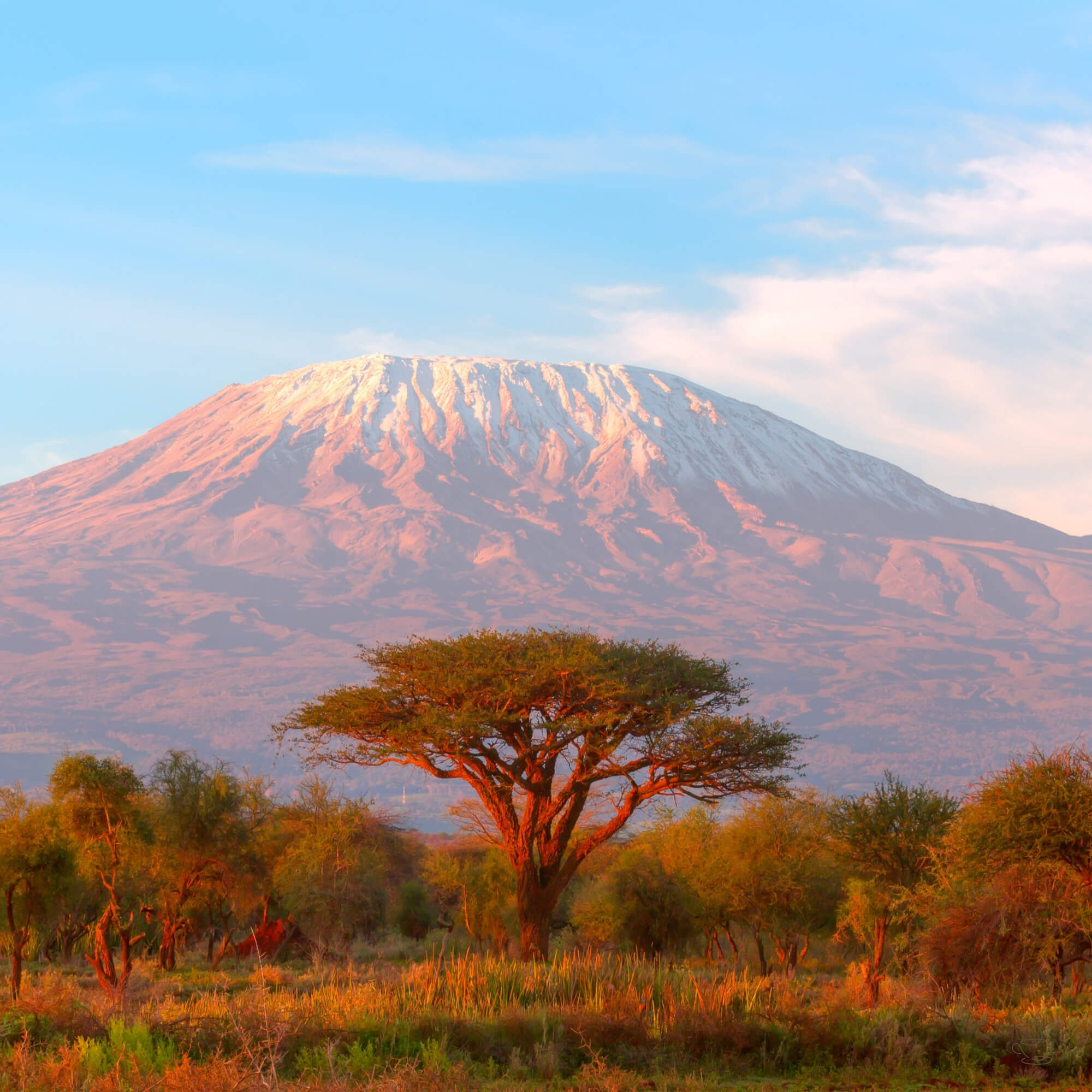
Mount Kilimanjaro rising above coffee-growing foothills
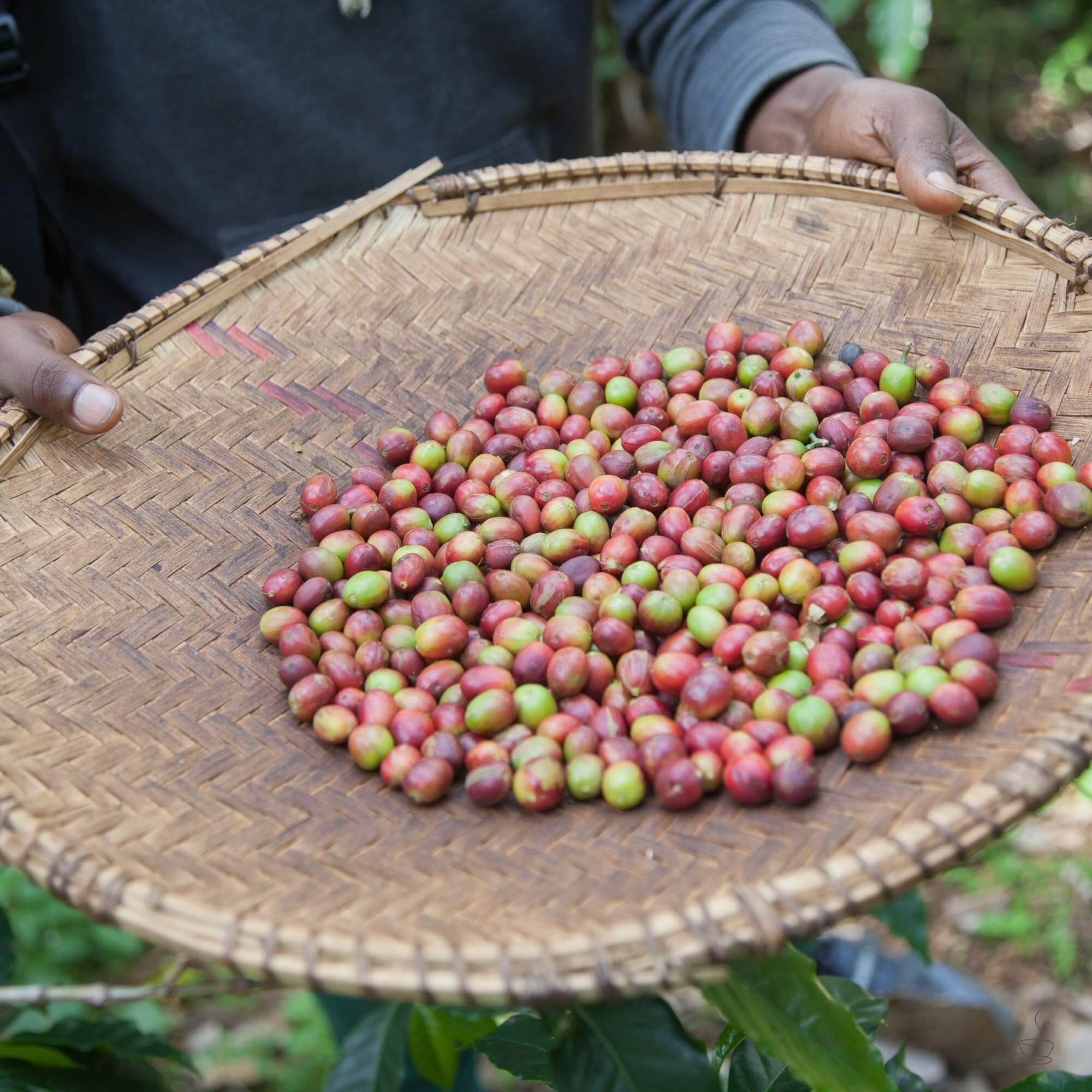
Ripe coffee cherries
Southern Highlands coffee farms in Tanzania
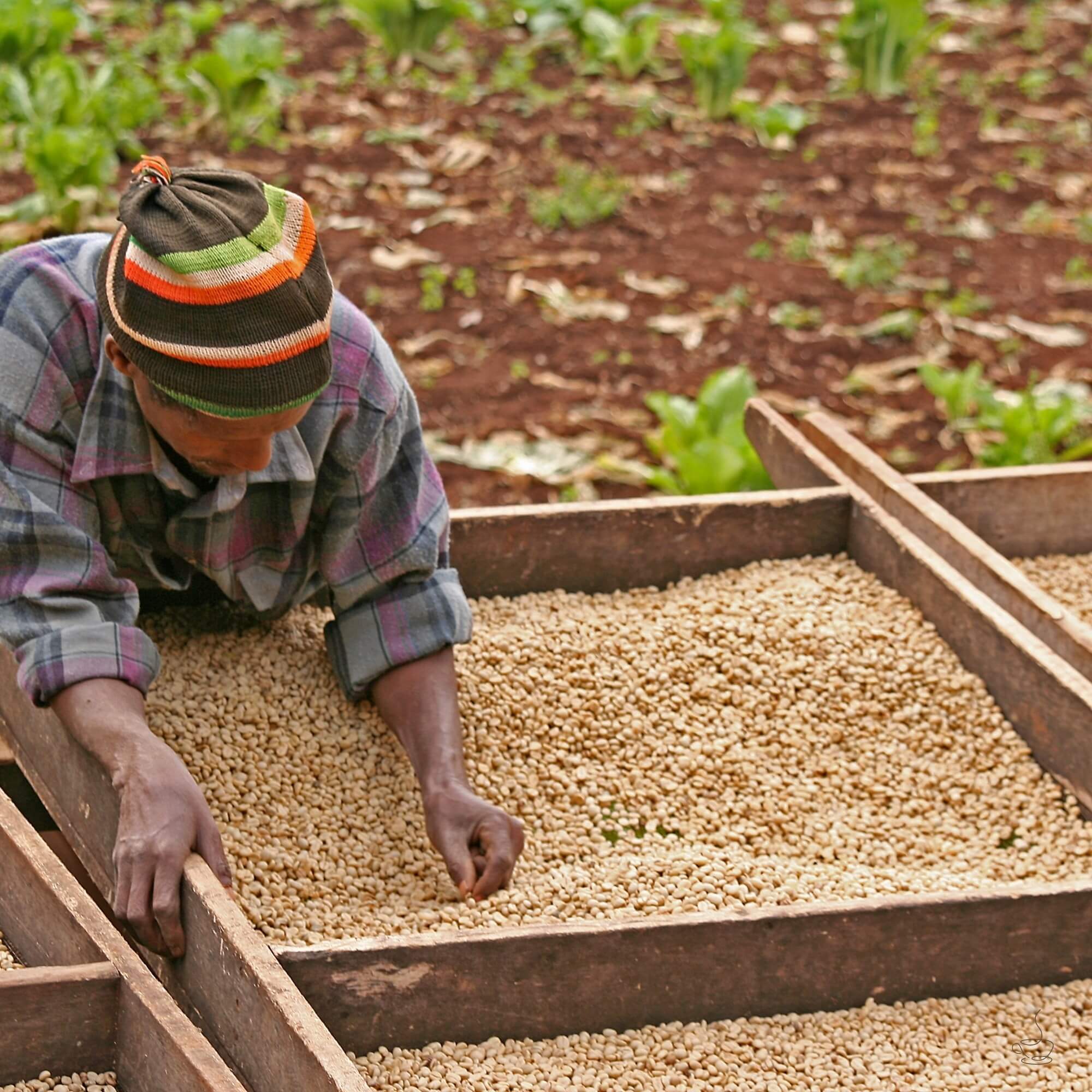
Worker sorting coffee drying on beds
Tanzanian market scene or street with people and goods
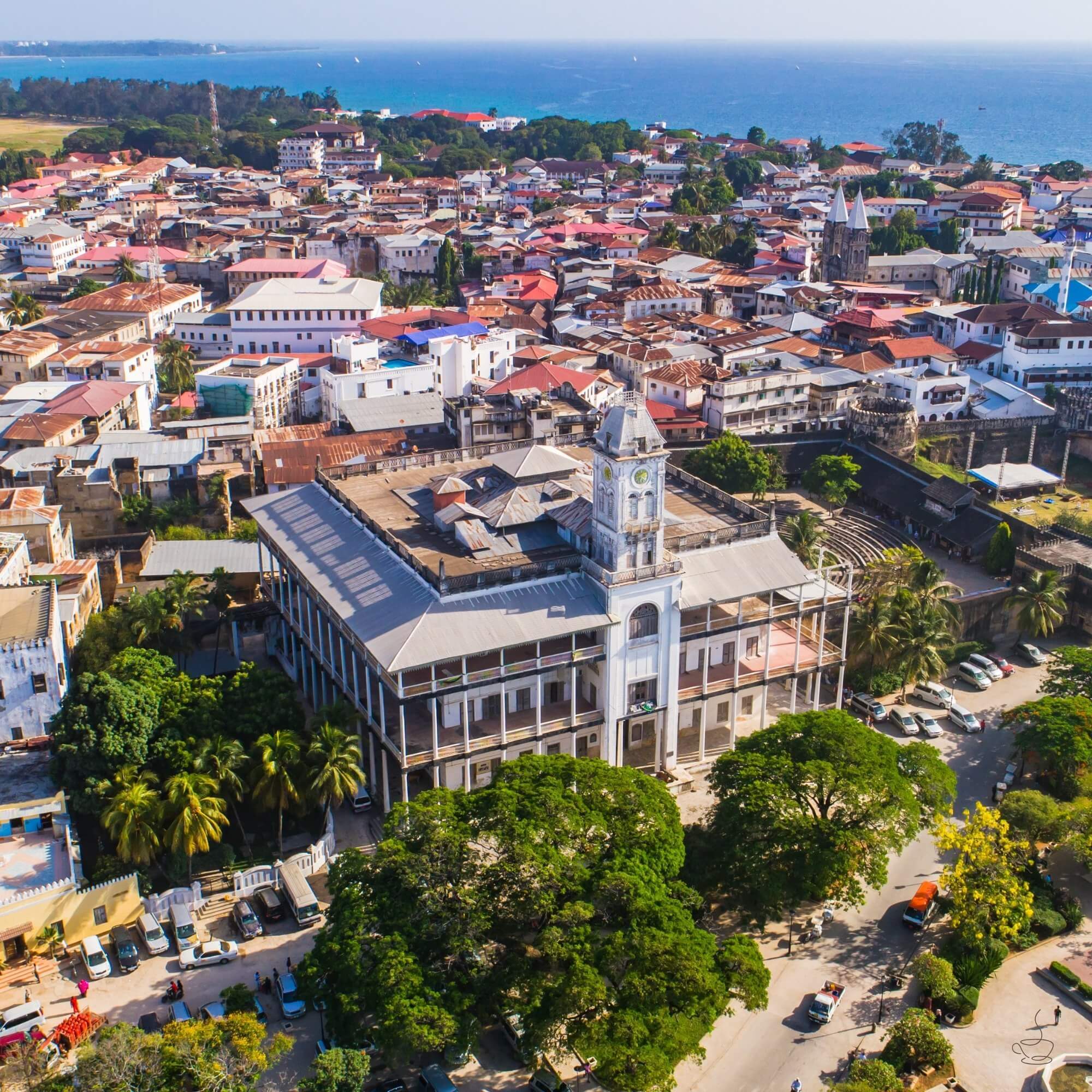
City of Zanzibar
Ripe red coffee cherries in Tanzania
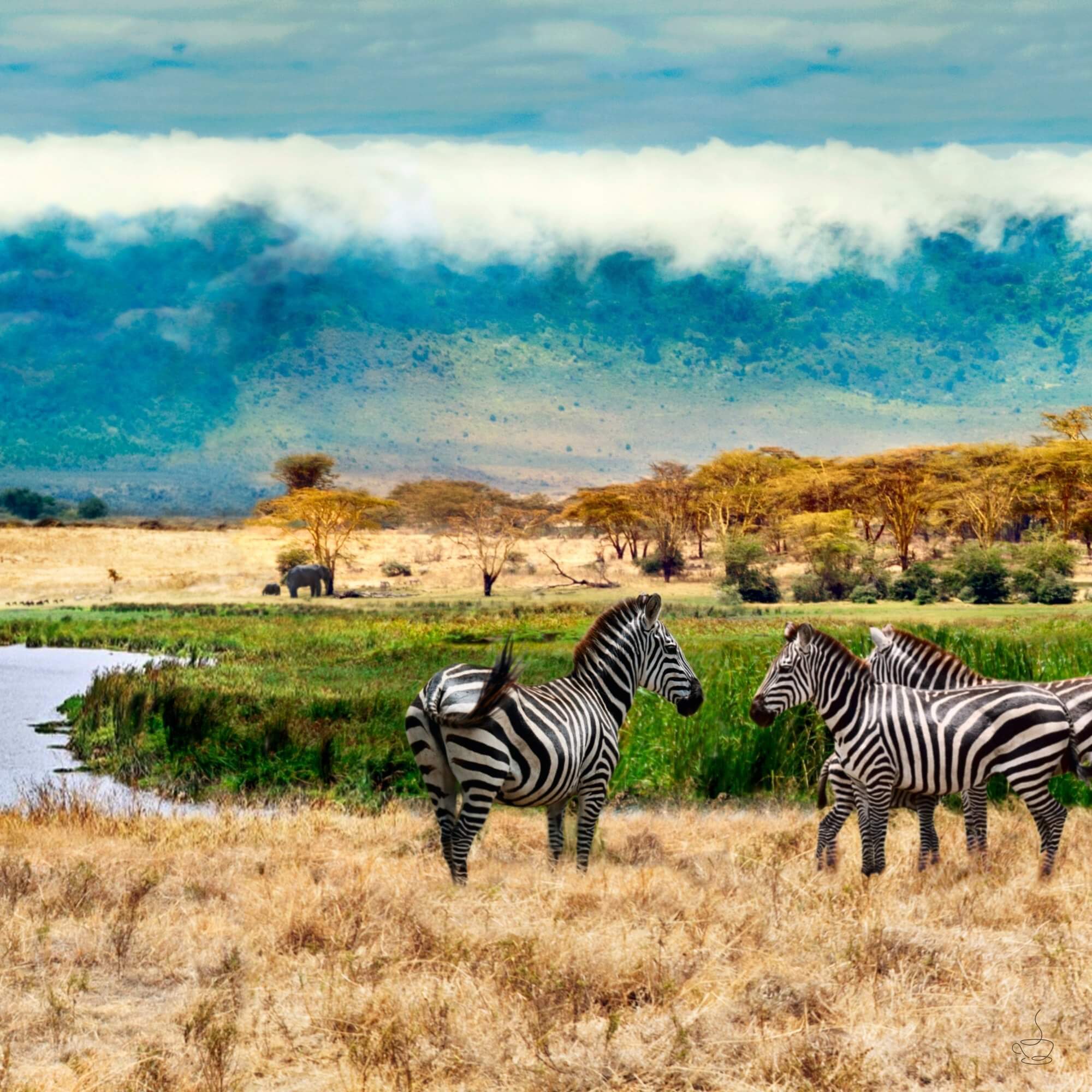
Zebras of Ngorongoro Crater
Tanzanian washing station with raised beds
Balloons over the Serengeti.
Tanzanian coffee producer standing among coffee trees
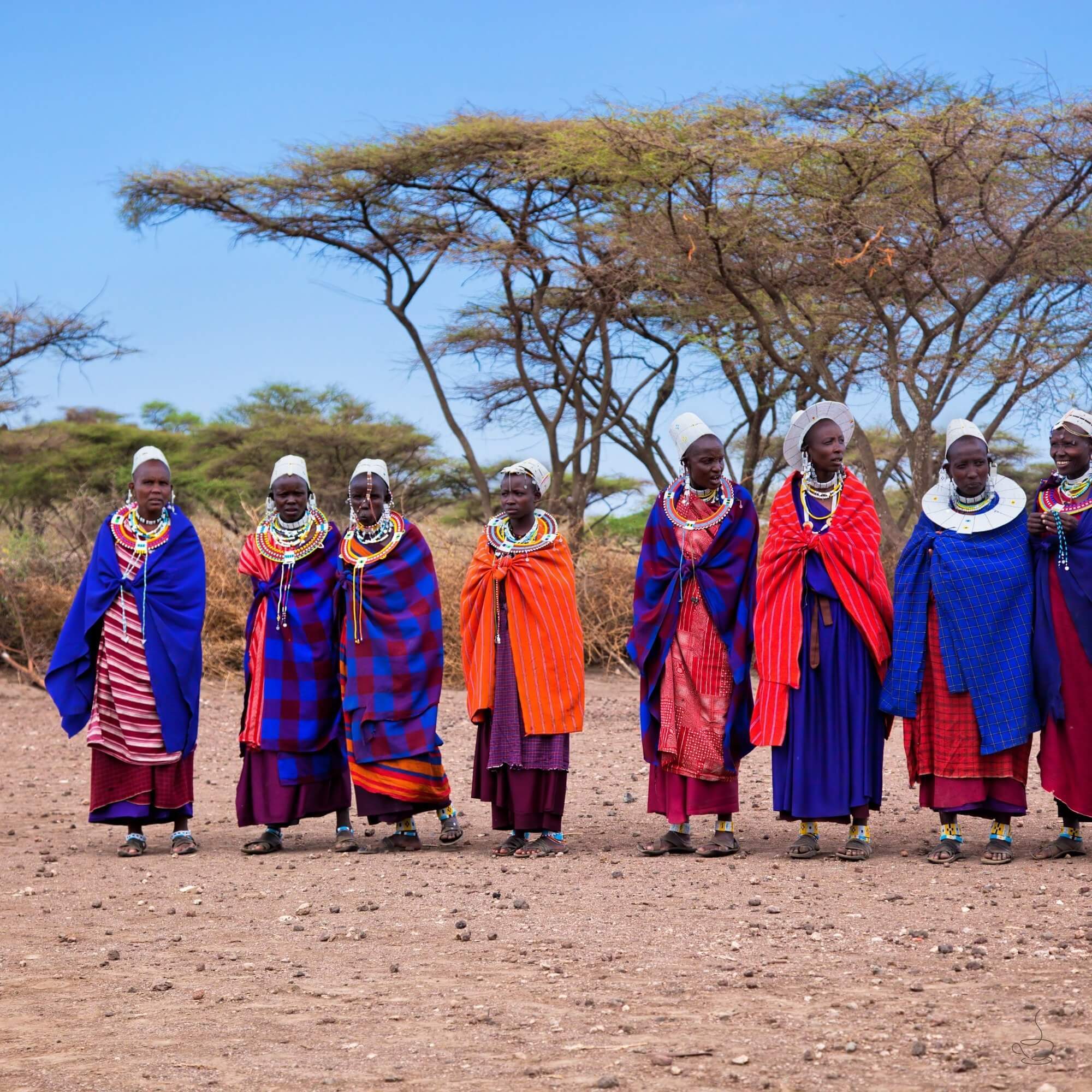
Women of the Maasai tribe.
Cupping table with Tanzanian coffees
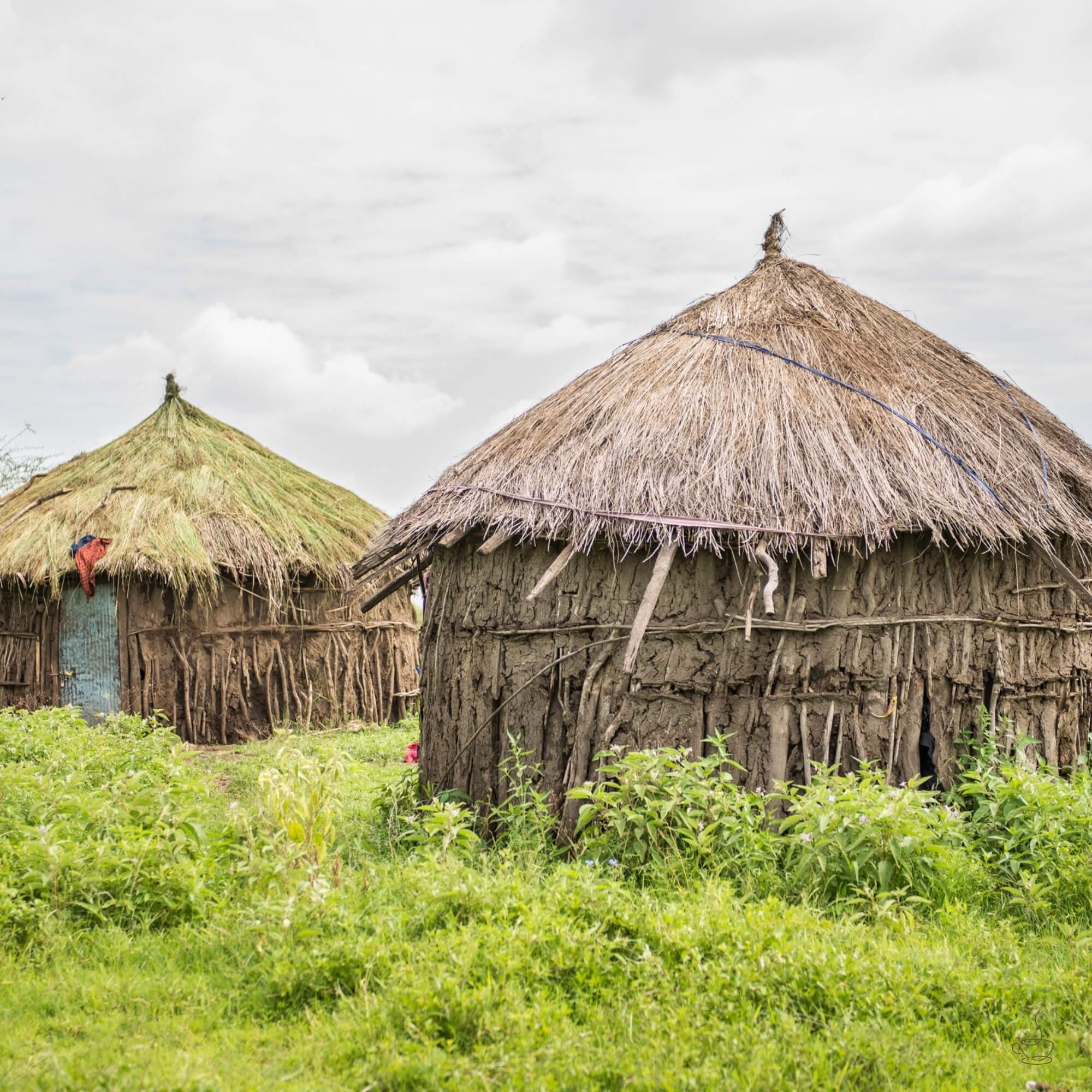
Maasai tribal huts
Dar es Salaam or Arusha street or cafe scene
Hammock, beach view in Zanzibar
Sunrise over Tanzanian highlands
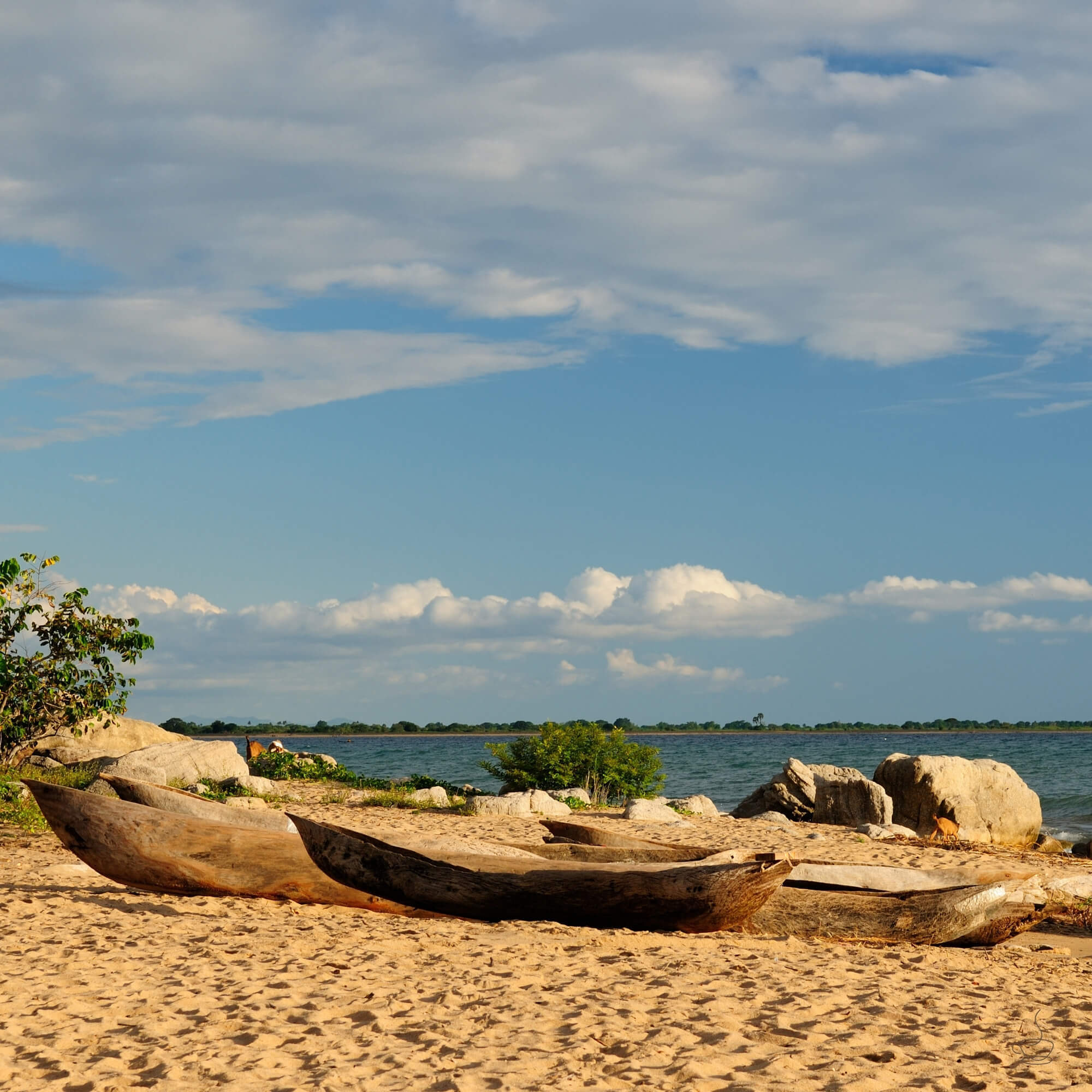
Lake Malawi, Nyasa.

Tanzania Origin FAQ

How is Tanzanian coffee different from Kenyan or Ethiopian?
Tanzanian coffees often sit between: more citrus, tea and sugarcane sweetness than many Latin origins, but generally less aggressive than classic Kenyan profiles. Compared to Ethiopia, they lean a bit more structured and less wildly floral, depending on region and process.
What styles of Tanzanian coffees does Coo Coo’s Coffee prefer?
We favor clean, washed lots from Kilimanjaro, Arusha, Ngorongoro, Mbeya and Songwe that show clear citrus, florals, and sugarcane sweetness. Naturals and experimental lots are chosen carefully and framed transparently.
How do Tanzanian coffees fit into your blends?
Tanzanian coffees can add top-end clarity, citrus, and aroma to blends without overwhelming chocolate-driven bases. When they’re in the blend, we treat that as a feature and say so on the story side.