Sumatra Coffee Origins — Deep Forests, Wet-Hulled Density & Modern Clarity

Sumatra is iconic for syrupy body, herbal depth and low acidity. In the right hands, its wet-hulled and fully washed lots move from muddy stereotypes to layered cups built for both adventurous drinkers and chocolate lovers.

Syrupy Body Dark Chocolate Sweet Spice Earth & Forest Notes Low Acidity Blend Backbone
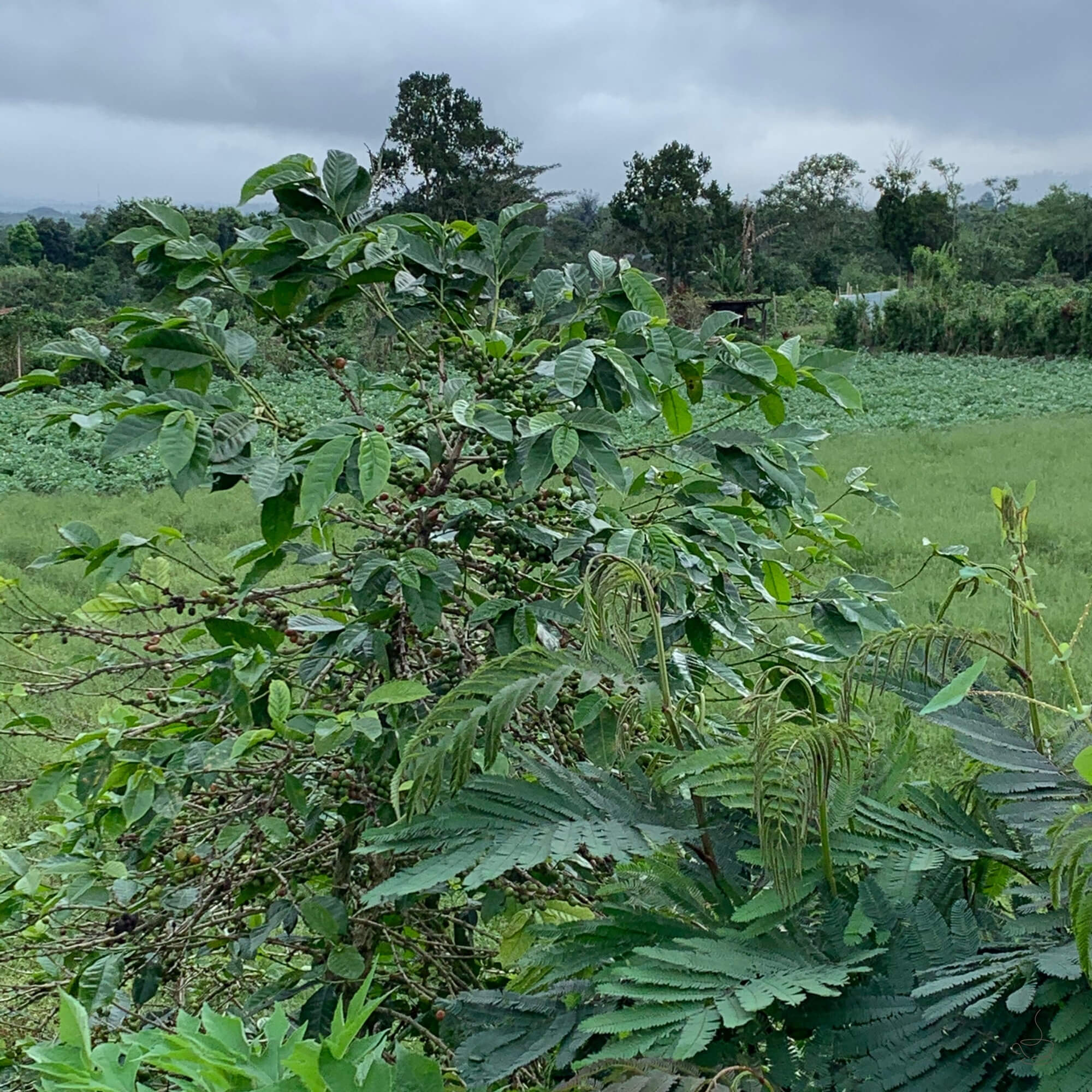
Lush Sumatran coffee landscape with mist, forest and coffee trees
High rainfall, volcanic soils and smallholder networks across Aceh and North Sumatra.

Sumatra at a Glance

Key Growing Areas
Aceh (Gayo Highlands) · North Sumatra (Lintong, Mandheling, Sidikalang) · West Sumatra & beyond
Altitude Range
~900–1,700 m (Arabica)
Processing Styles
Wet-Hulled (Giling Basah) · Washed · Natural & Honey (select micro-lots)
Varieties
Ateng, Gayo 1 & 2, Timtim, Typica-lineage, Catimor-types
Harvest Window
Roughly October – May (varies by region & altitude)
Flavor Spectrum
Cocoa · Molasses · Sweet Tobacco · Herbals & Spice · Earthy Forest Tones · Low Brightness

Key Coffee Regions of Sumatra

“Sumatra” on a bag can hide huge variation. Here’s how different highlands shape our selections — and which profiles earn a place in our lineup.

Aceh — Gayo Highlands

High-elevation smallholders around Lake Laut Tawar; organic and cooperative-led production is common.

  • Profile: Cocoa, caramel, sweet spice, soft herbal, syrupy body.
  • Role: Traceable wet-hulled or washed lots for centerpiece Sumatras.

Lintong & Lake Toba

Volcanic soils and sloping farms south of Lake Toba.

  • Profile: Dark chocolate, cedar, mild citrus, layered earth.
  • Role: Structured, classic Sumatra profiles for blends & single origins.

Mandheling & Sidikalang

Often used as broad trade names; we treat them as specific highland sources when traceability allows.

  • Profile: Molasses, spice, forest floor, low acidity.
  • Role: Big-bodied anchors when quality and cleanliness are verified.

Washed & Natural Micro-Lots

Emerging projects in Aceh and North Sumatra exploring fully washed and natural processes.

  • Profile: Cleaner fruit, cocoa, spice; less rustic, more articulated.
  • Role: Limited features showcasing “new Sumatra” profiles.
Learn more about Sumatra’s terroir, wet-hulling & why it tastes so different

Sumatra sits on volcanic massifs with rich, dark soils and high rainfall. Smallholders typically farm mixed plots of coffee, fruit and shade trees, with picking and primary processing often handled at home before beans move through village collectors and mills.

The hallmark wet-hulled (Giling Basah) process removes parchment at higher moisture than fully washed coffees, then dries the exposed bean. Done well, it builds heavy body, deep sweetness and signature earthy-spice complexity. Done poorly, it drifts into musty, rubbery or acrid cups — profiles we deliberately avoid.

Elevation, drainage, and mill discipline separate truly compelling Sumatras from generic “dark Sumatra.” We look for traceable networks where selective picking, clean flotation, managed drying and lot separation are part of the story — whether the coffee is wet-hulled, washed, or part of a controlled natural experiment.

Our goal: Sumatra that tastes intentionally deep and layered, not accidental or dirty.
Processing & How We Choose Sumatra Lots

People, Smallholders & Culture

Sumatra’s coffees are moved by people: smallholder families hand-pulping and drying, collectors aggregating parchment, and mills that can either protect or lose quality. Markets, mosques, and mountain towns sit just down the road from drying patios. As we formalize relationships, this is where we name the co-ops, processors and communities we trust — and how those connections translate into more stable quality in your cup.

Sumatra in Pictures

Use rich, grounded imagery — volcanic lakes, misty ridges, village drying patios — to connect guests with the origin behind those deep, syrupy cups.

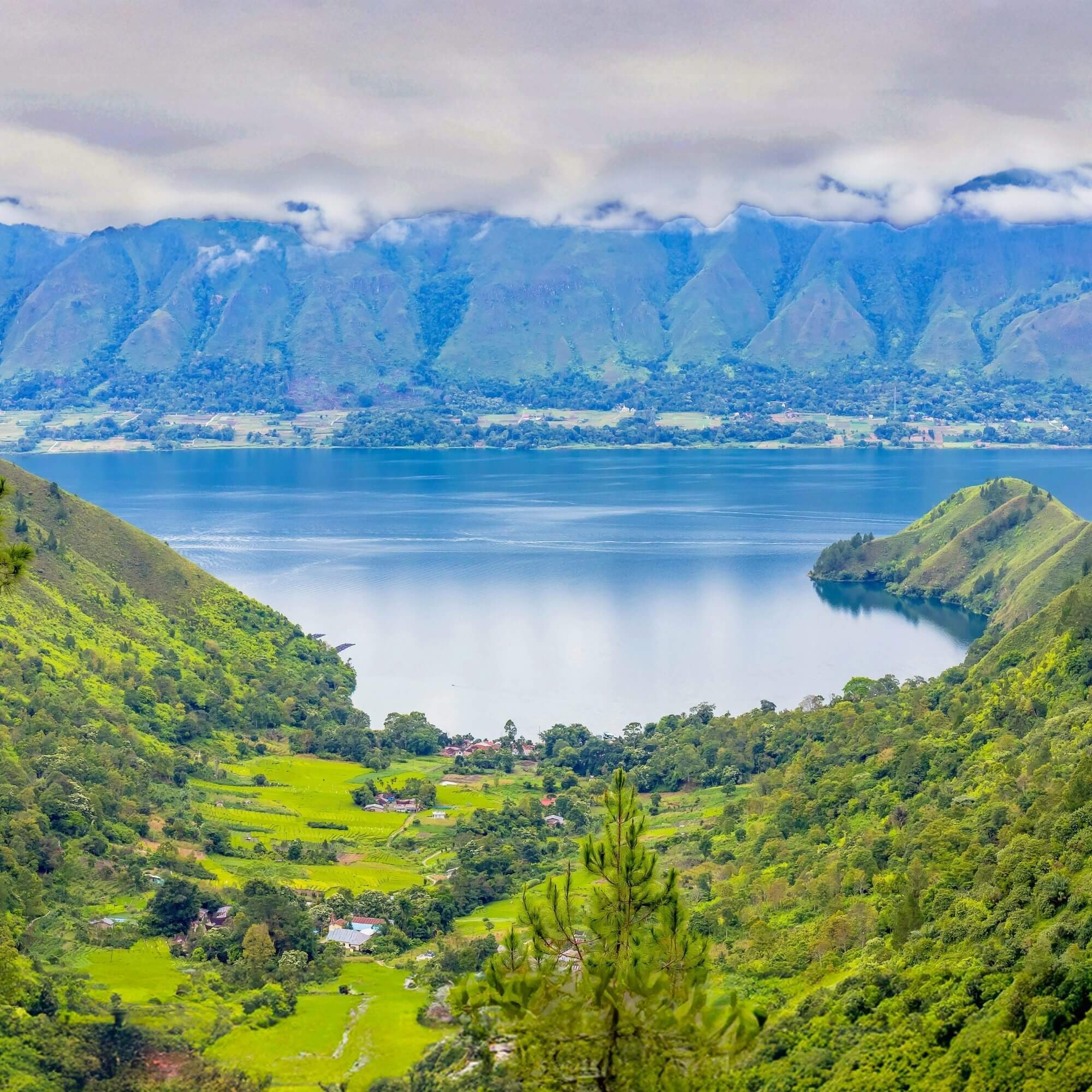
Lake Toba landscape with surrounding highlands
Lake Toba highlands — volcanic soils and cooling winds.
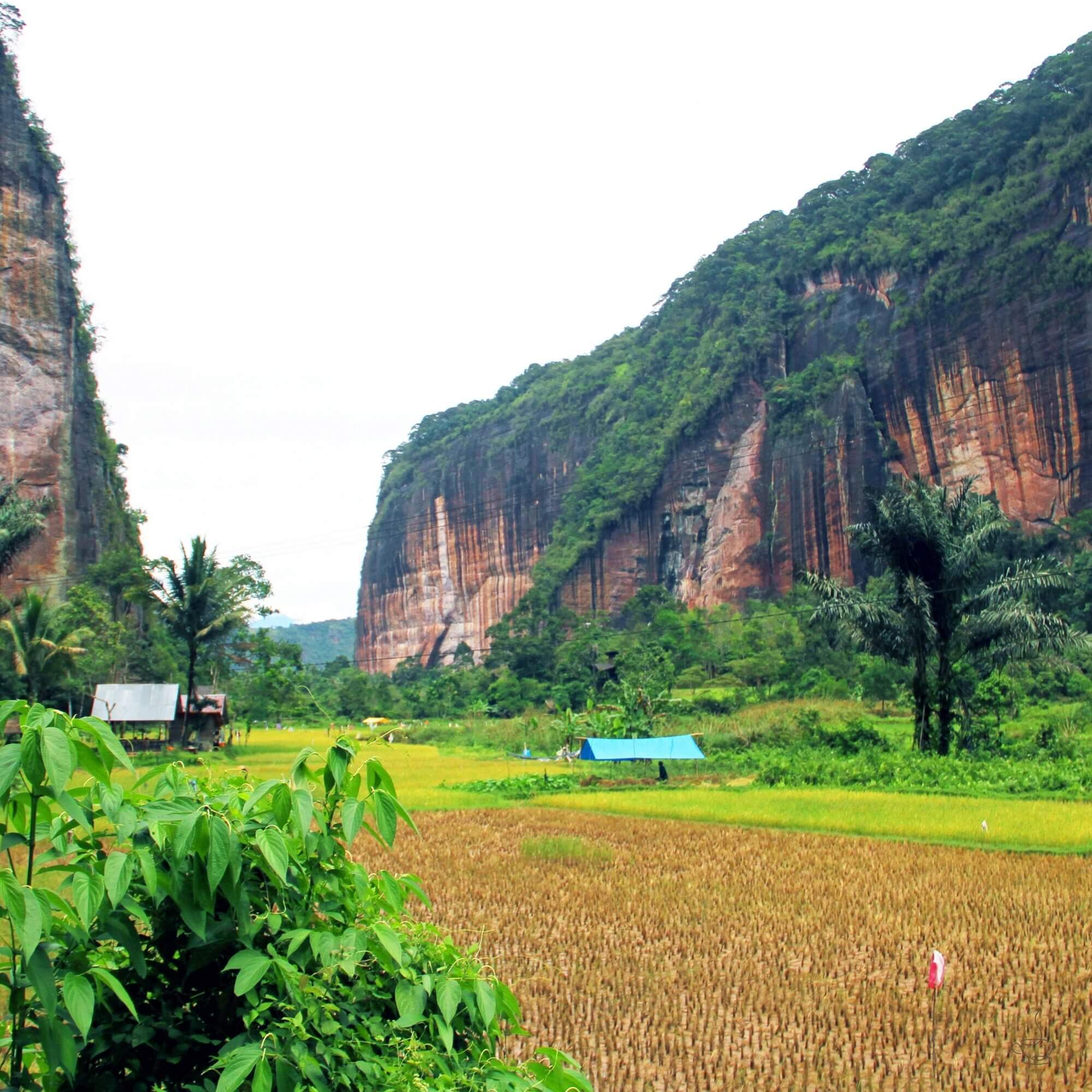
Coffee drying on patios in Sumatra
Harau Valley.
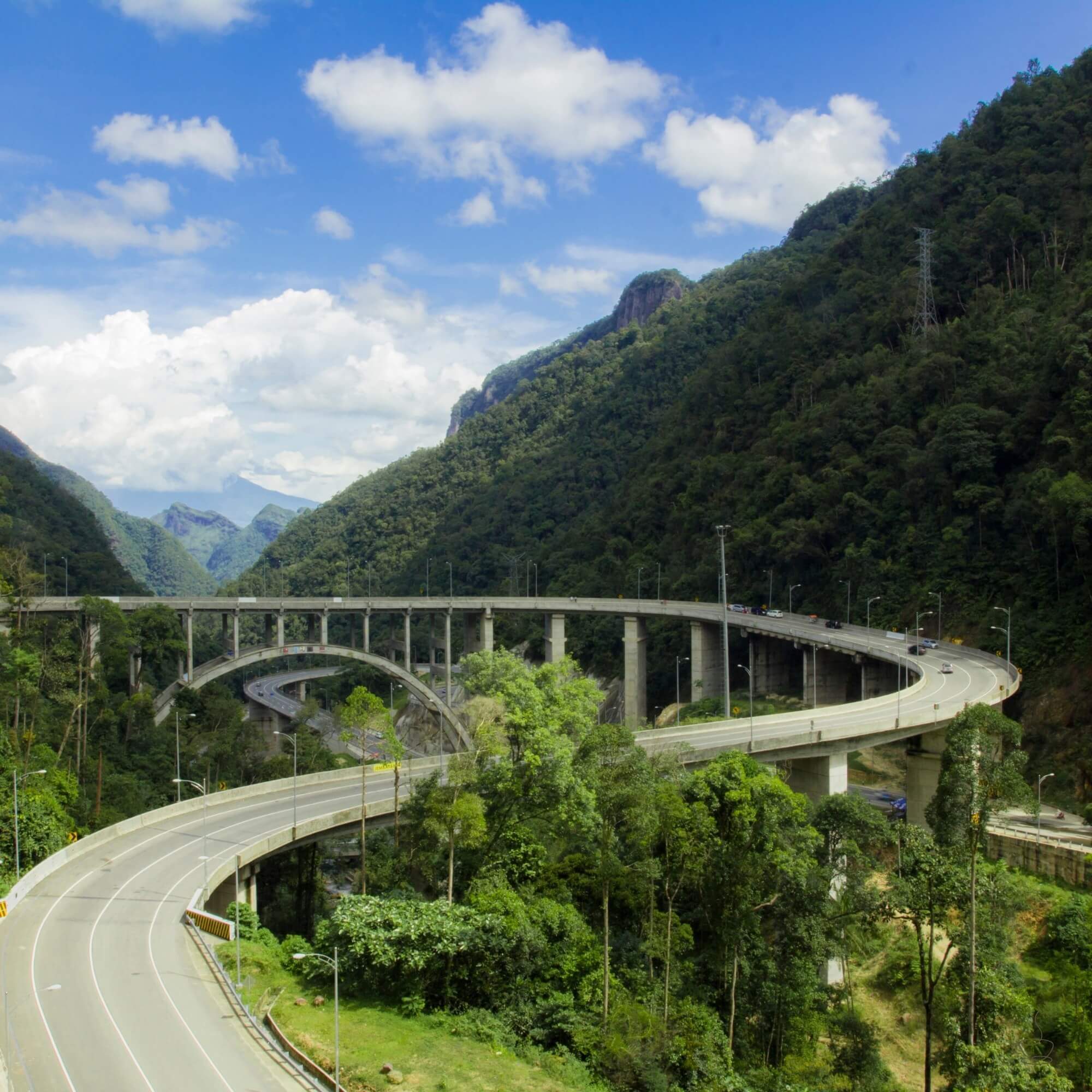
Street scene in a Sumatran town
Kelok Sembilan in Payakumbuh - The Long and Winding Road
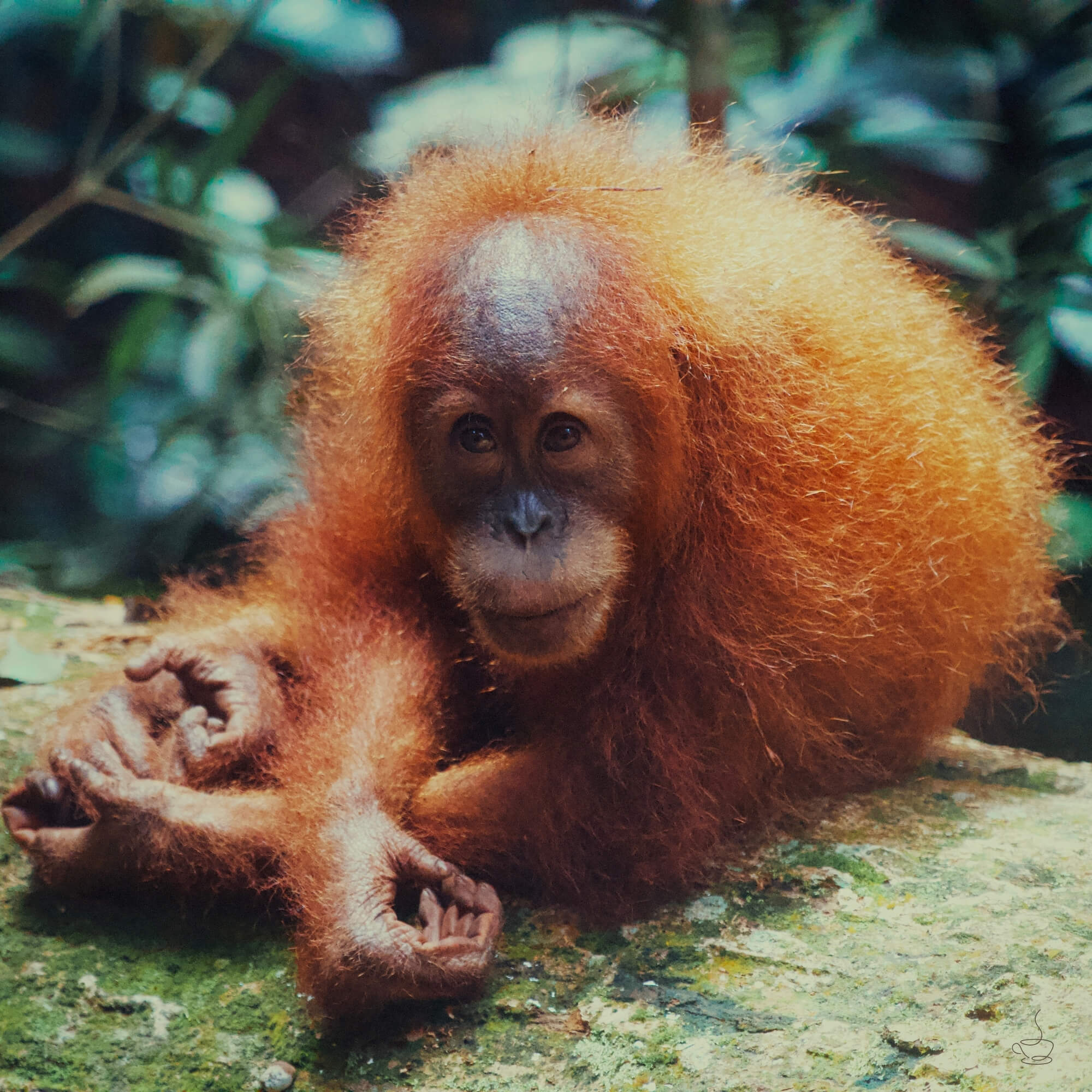
Ripe Sumatran coffee cherries
An Orangutan.
Wet-hulled coffee being processed
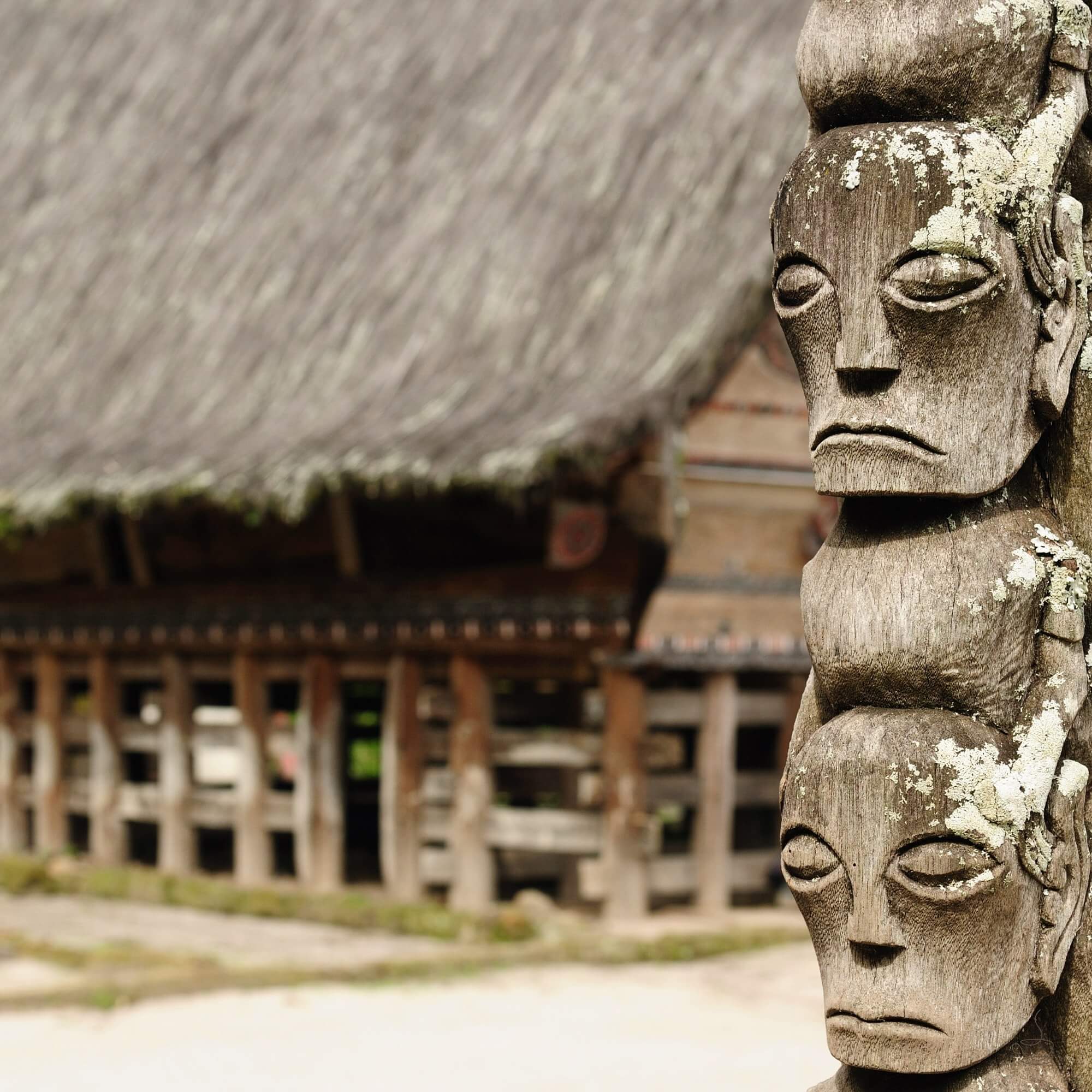
Batak carving totem.
Sumatran coffee producer in the highlands
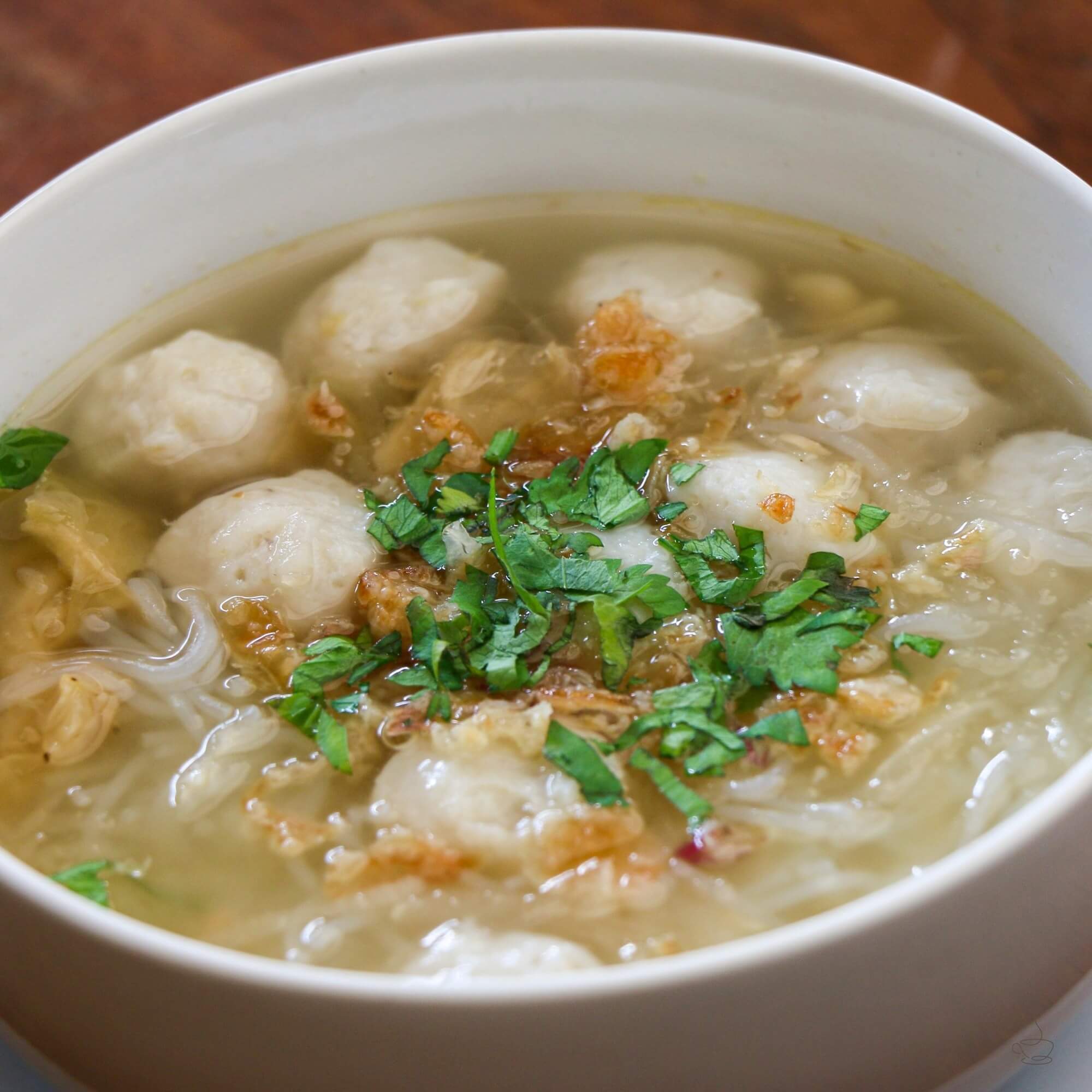
Bowl of traditional tekwan
Cupping table with Sumatra coffees
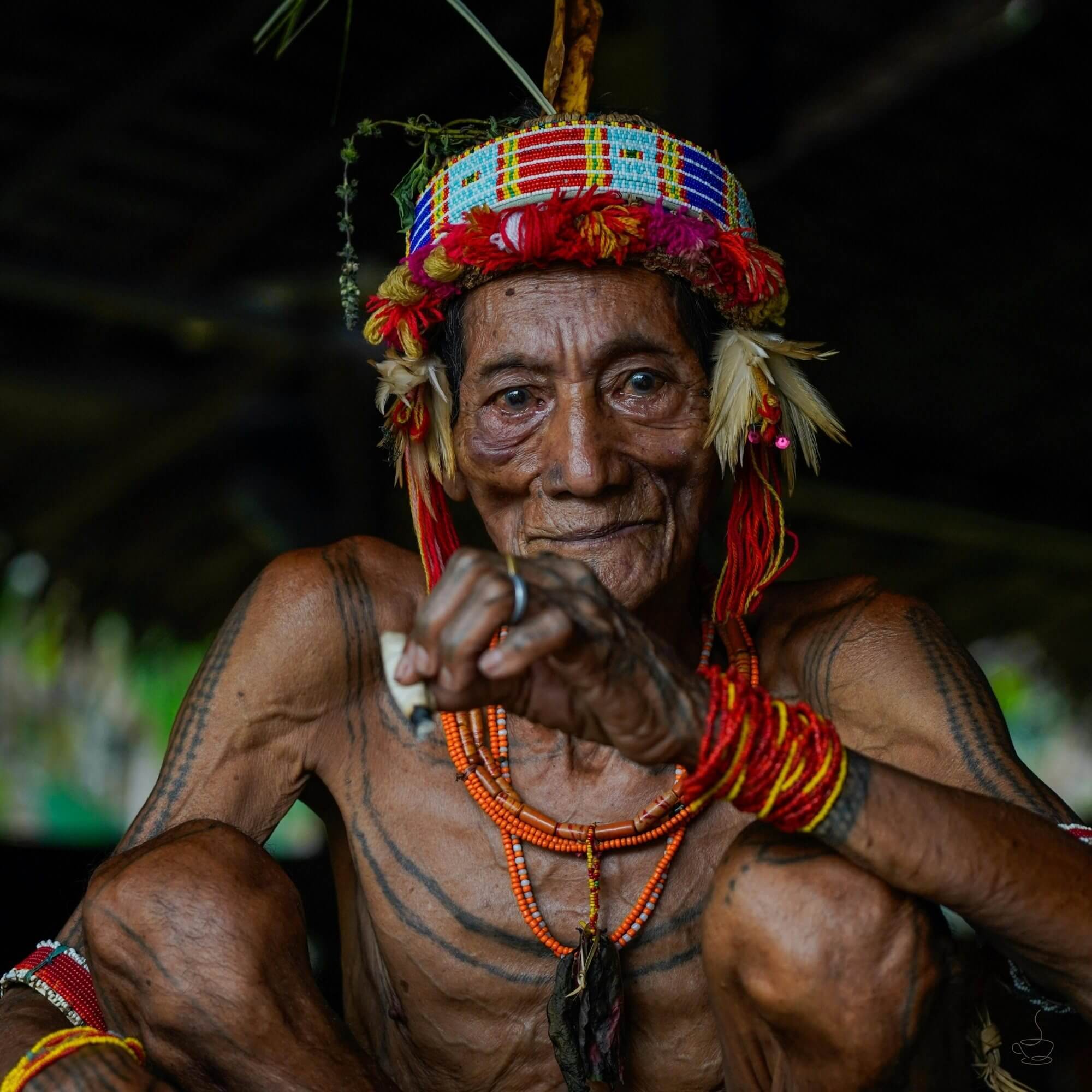
Elderly tribesman West Sumatra.
Lush Sumatran forest near coffee farms
Sumatra Beach.
Espresso shot made with Sumatra coffee
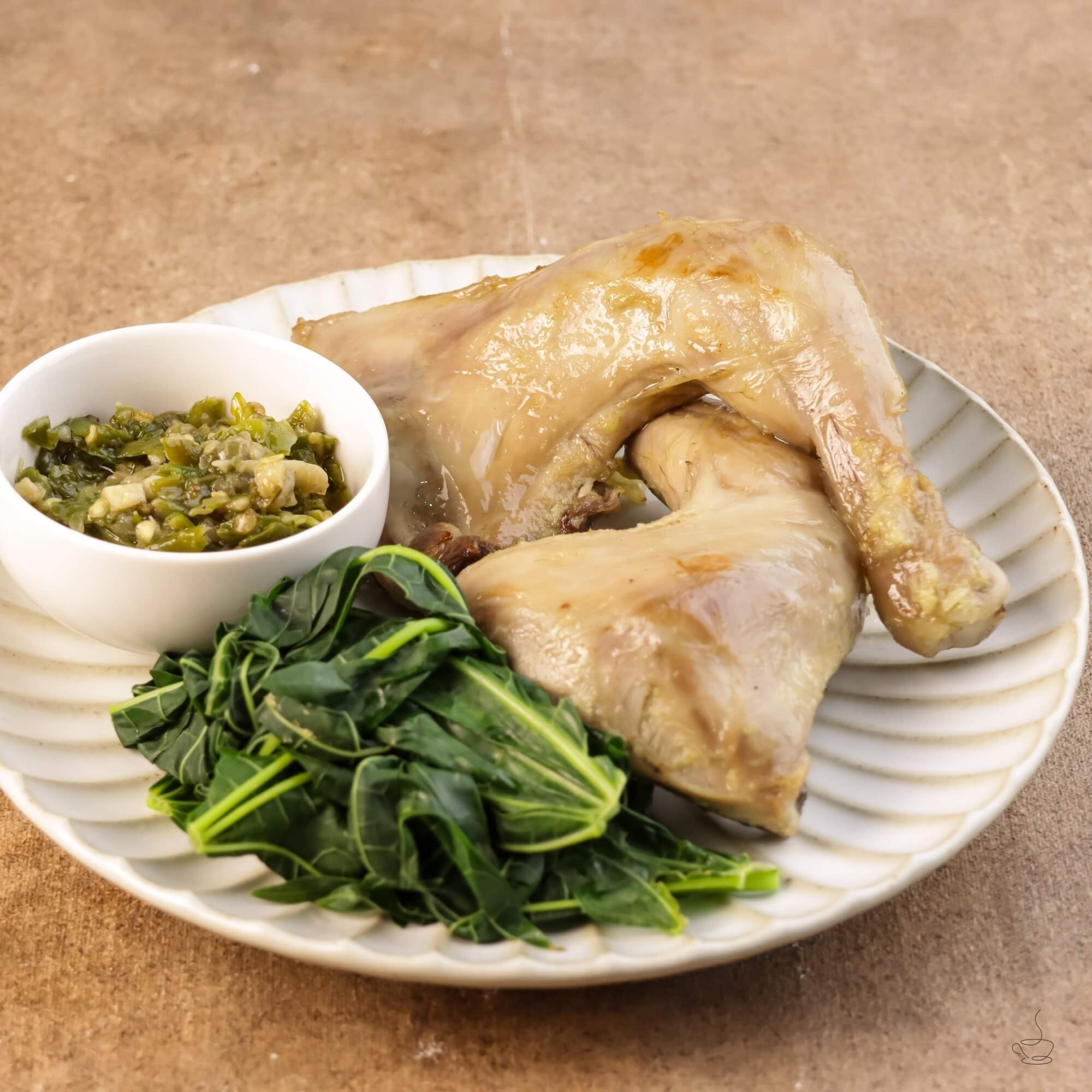
Ayam Pop, chicken dish.

Sumatra Origin FAQ

Why do Sumatran coffees taste “earthy” and low in acidity?
High rainfall, smallholder processing, wet-hulling and specific soils produce dense, low-acidity coffees with foresty, cocoa and spice notes. We select partners who deliver those traits cleanly, without musty or rubbery defects.
Are all Sumatras dark roasted?
They don’t have to be. We favor medium to thoughtful medium-dark roasts that keep sweetness, structure and herbal complexity intact instead of burning everything flat.
How does Coo Coo’s Coffee source Sumatra responsibly?
We prioritize traceable groups and mills, clean processing, and long-term relationships where premiums support better cherry selection, drying infrastructure and forest-conscious farming. Over time, our Sumatra Stories hub will name those partners directly.