Western Province (Lake Kivu)
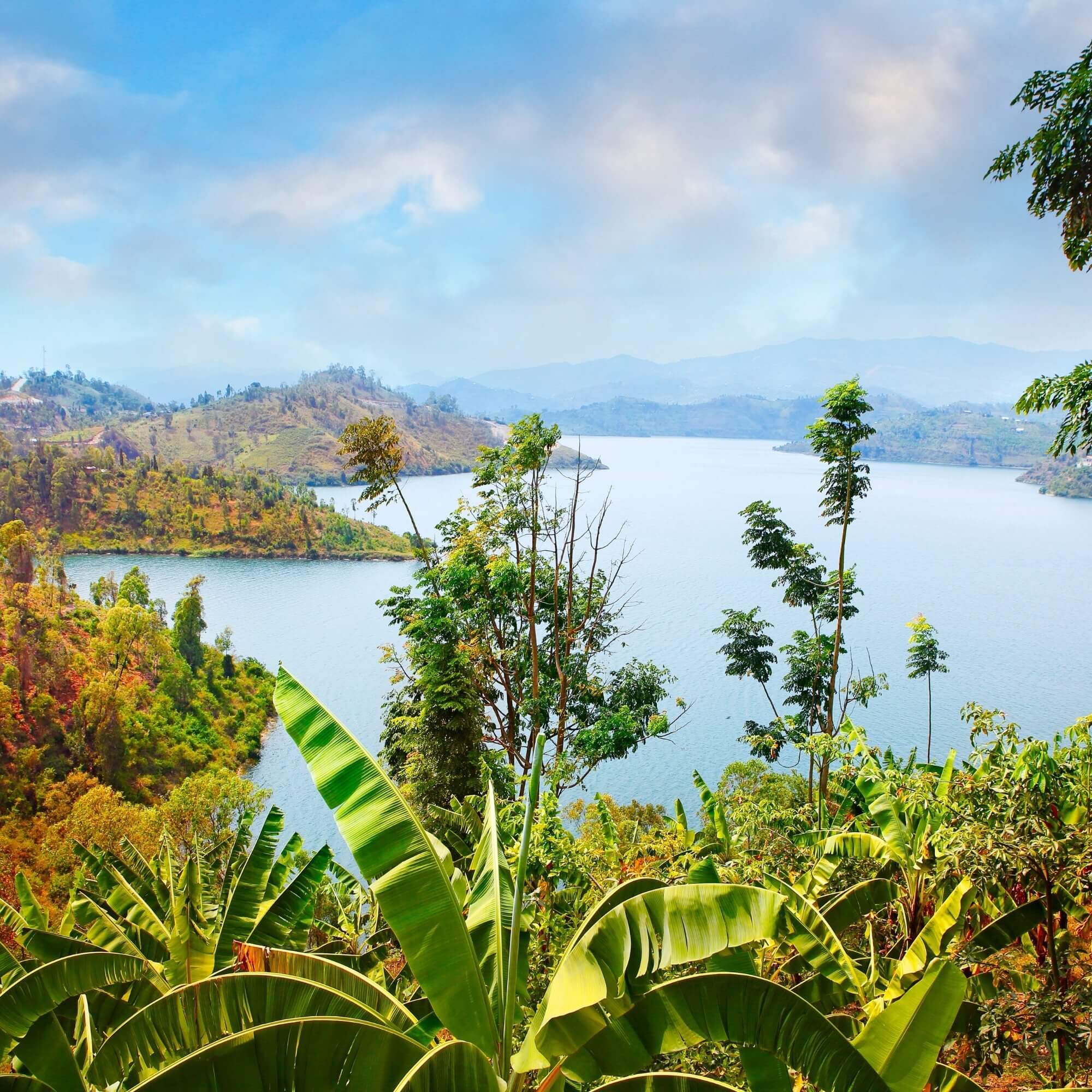
Hillsides dropping toward Lake Kivu with cool breezes and high elevations.
- Districts: Nyamasheke, Rubavu, Rutsiro.
- Profile: Citrus, red berries, florals, honeyed sweetness; vibrant but clean.
Rwanda’s rolling hills and village washing stations produce elegant coffees with honeyed sweetness, citrus, stone fruit, and tea-like florals. This page introduces the country, the key growing regions, and how we source and roast Rwandan lots with care and accountability.
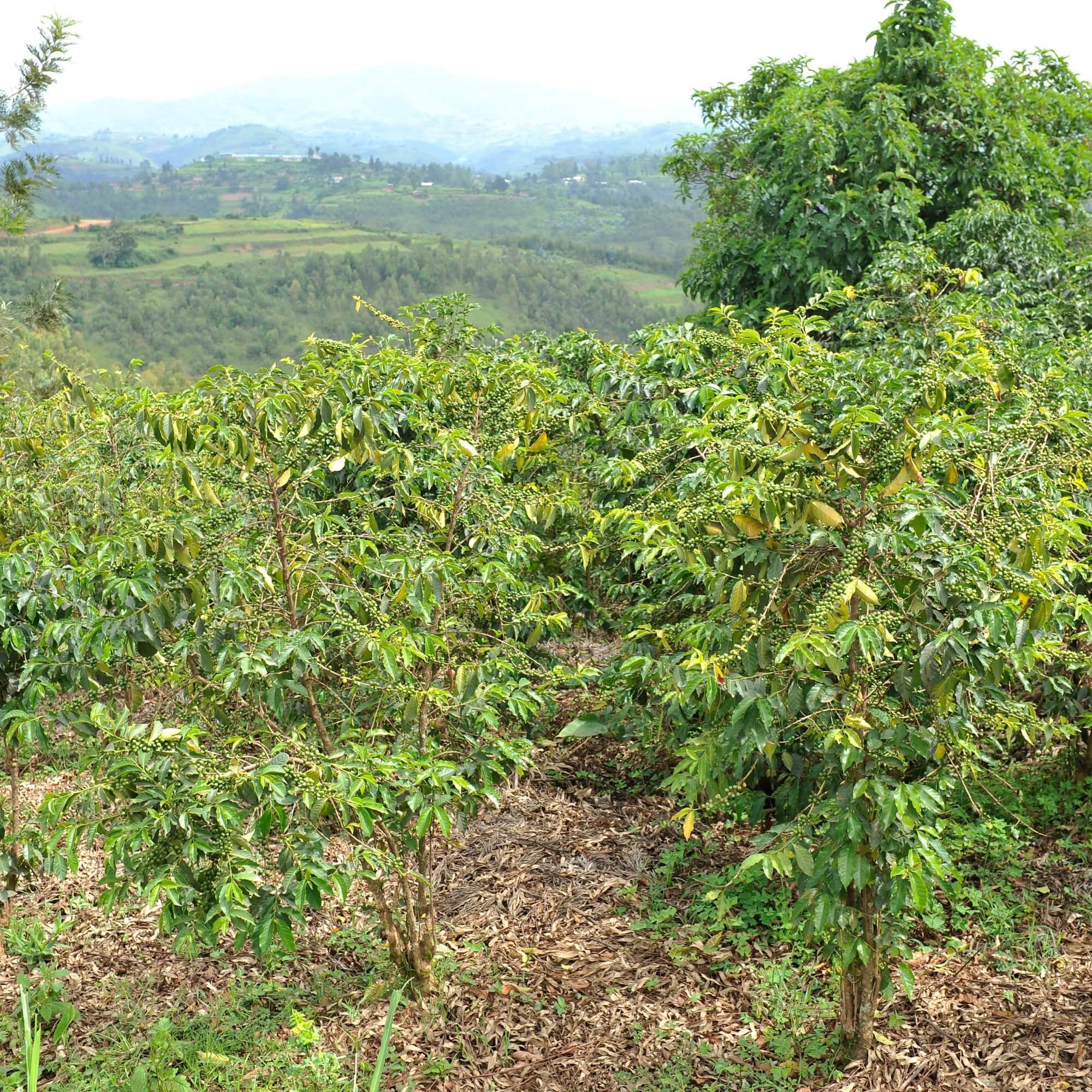
Rwanda is compact but diverse. Elevation, lake influence, and washing-station management all shape how bright, sweet, and structured the cup becomes. Here’s how we frame the main producing zones for guests and partners.
Hillsides dropping toward Lake Kivu with cool breezes and high elevations.
High, cool slopes and respected washing stations.
Cooler elevations with emerging quality-focused mills.
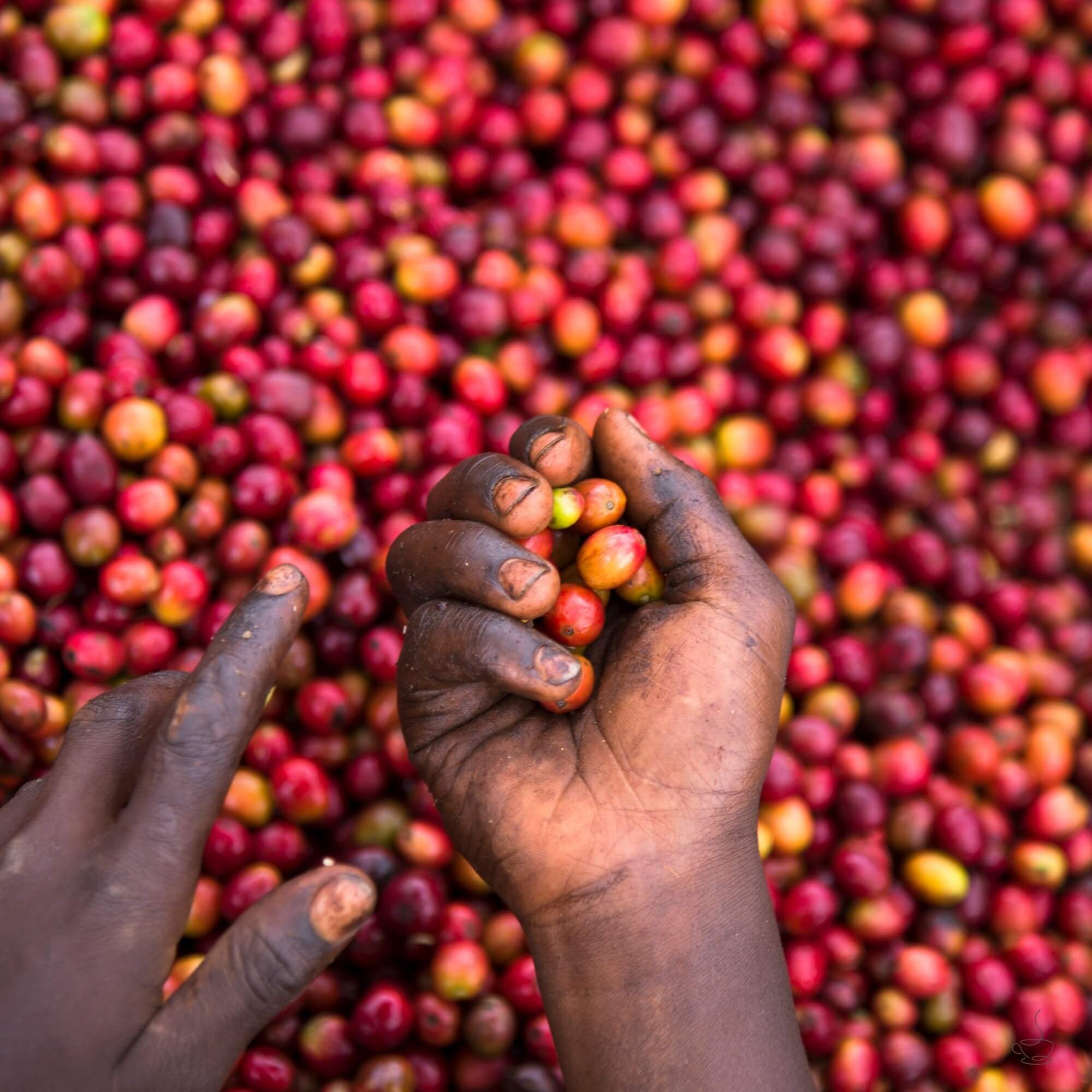
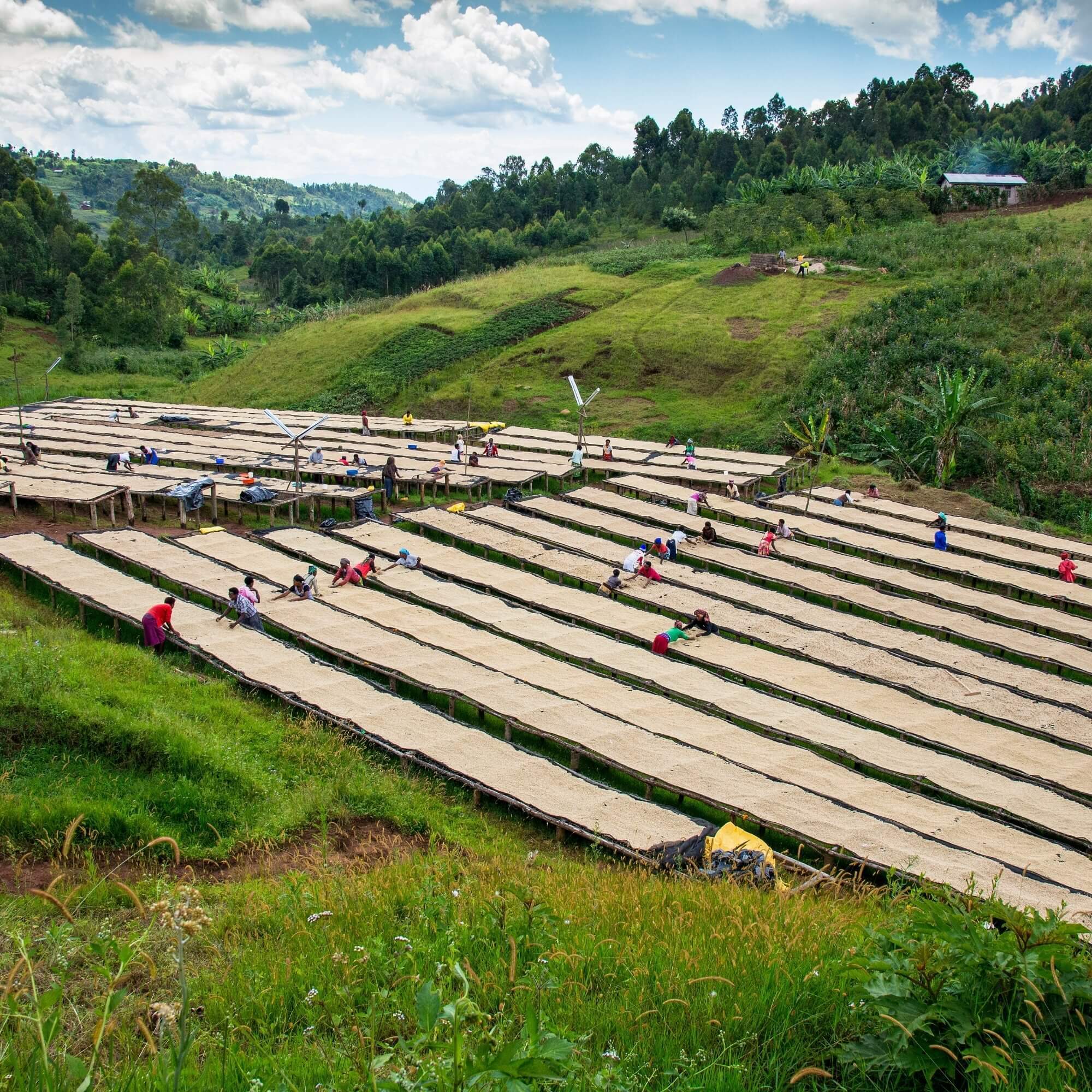
Rwanda’s coffee is shaped by altitude, volcanic and clay-rich soils, and dense networks of central washing stations. Smallholder farmers typically deliver cherry to these stations, where sorting, pulping, fermentation, washing, and raised-bed drying can be tightly controlled.
Elevations often above 1,700 m keep nights cool, stretching cherry maturation and preserving acidity. Classic Bourbon-lineage varieties contribute to sweetness and structure. When stations manage flotation, fermentation times, and drying carefully, the result is a clean, citrus-forward, honey-sweet cup with tea-like florals and a silky texture.
At Coo Coo’s Coffee, we prioritize lots from stations and partners who invest in selective cherry collection, careful processing, and local livelihoods — turning “Land of a Thousand Hills” into traceable, reliable, character-driven coffees.
Rwanda’s coffee sector is part of a broader story of recovery, resilience, and intentional quality improvement. Many washing stations are community hubs supporting agronomy training and expanded opportunities. Our aim is to feature coffees that respect that work — buying on quality, being clear about where coffees come from, and presenting Rwandan lots as quietly confident, world-class options on our menu.
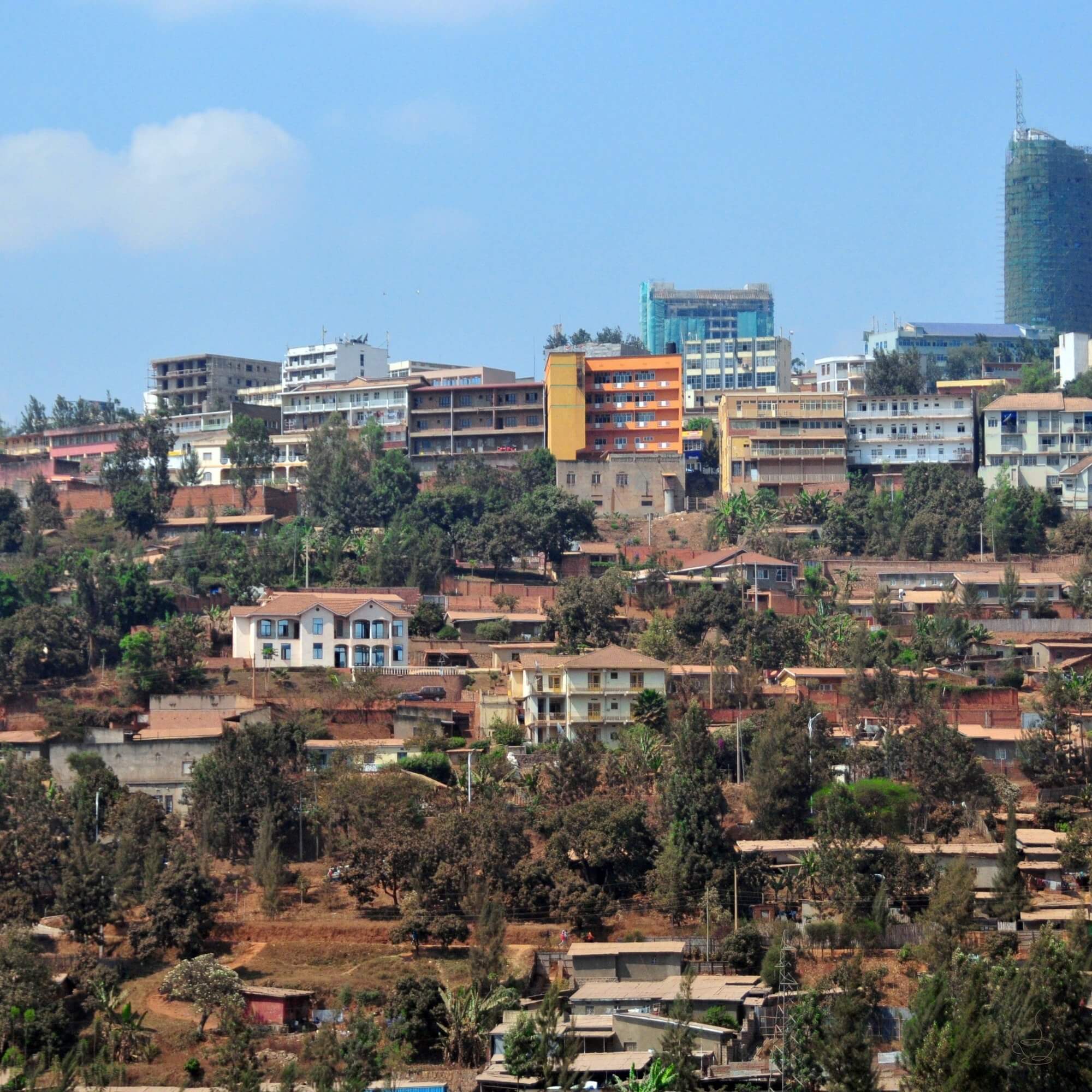
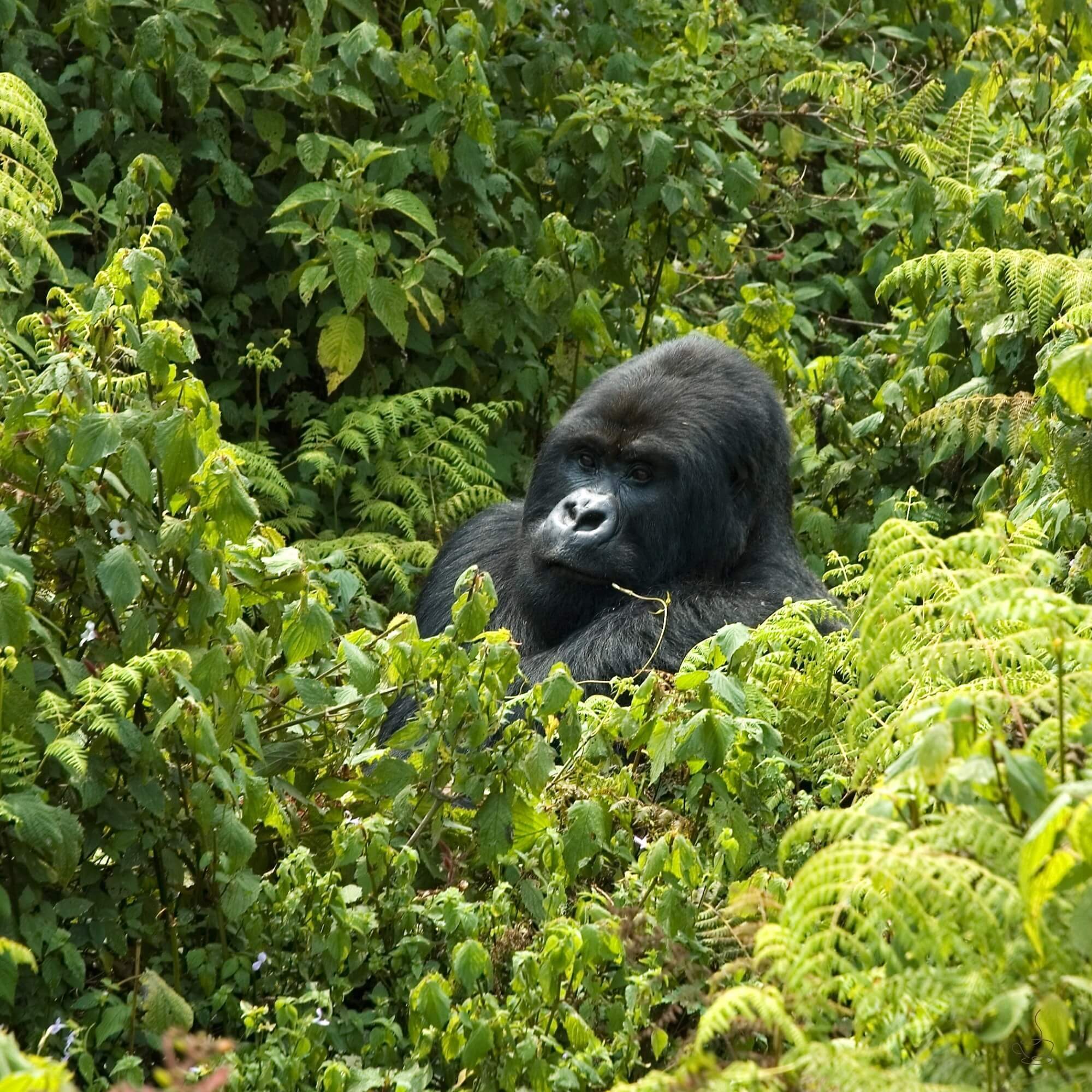
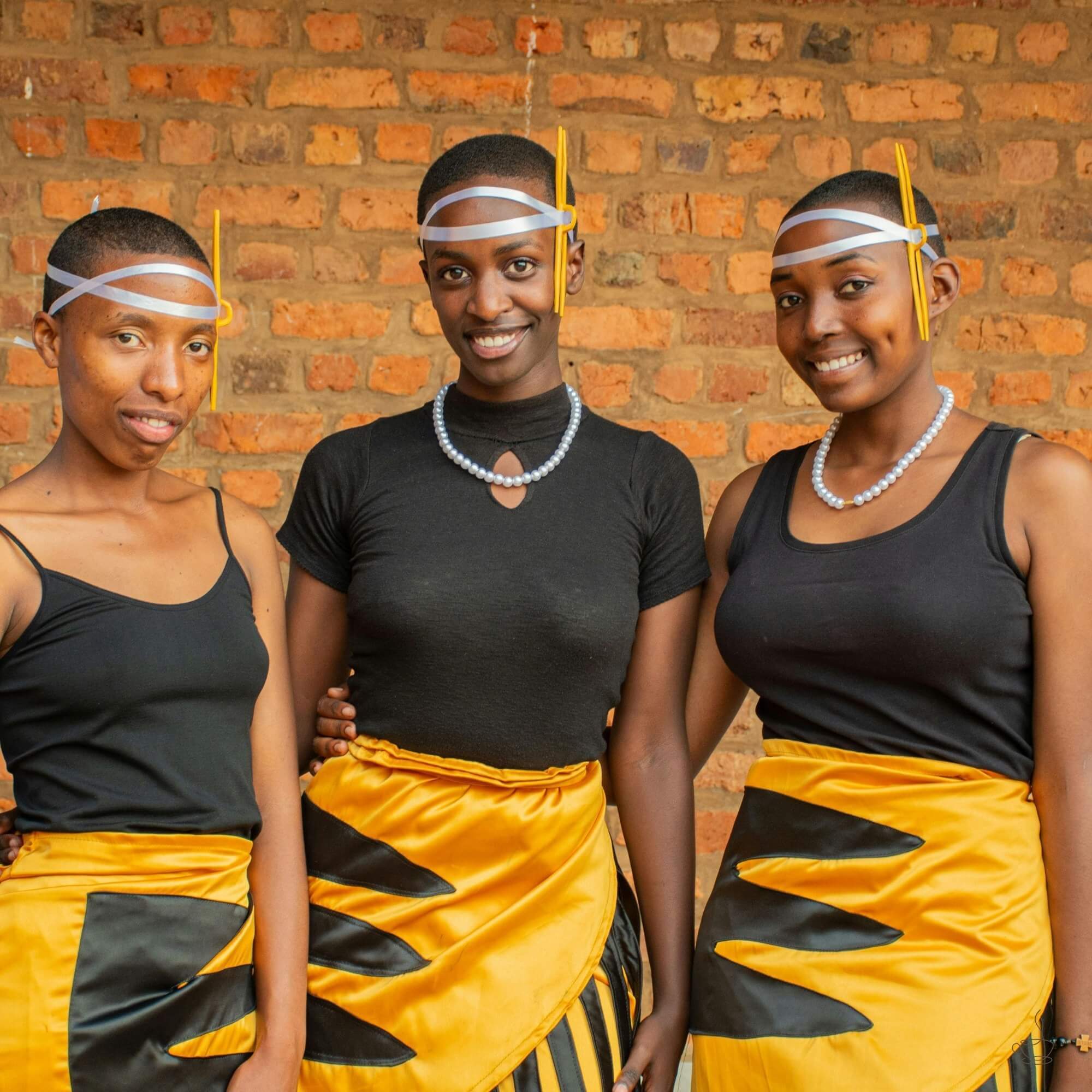
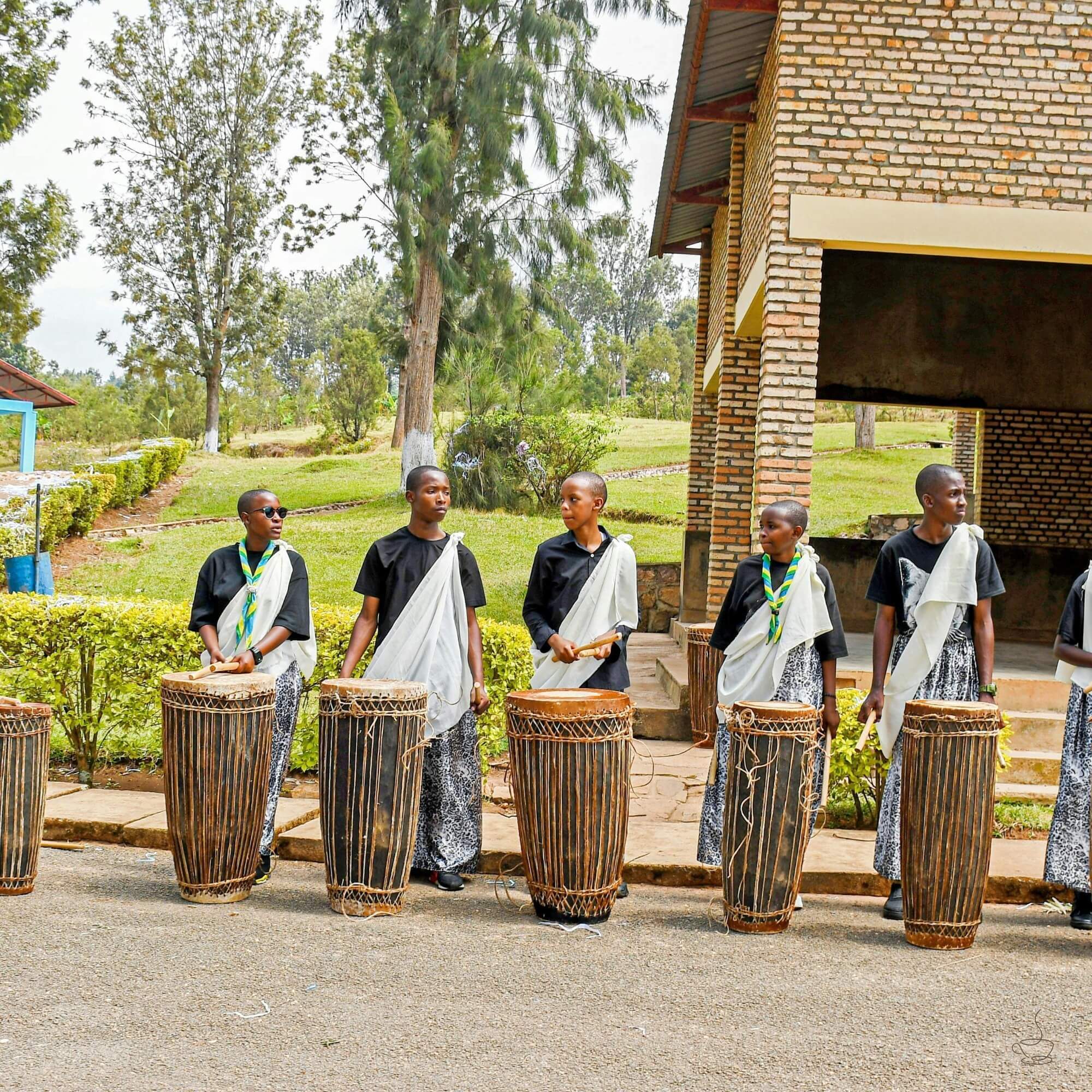
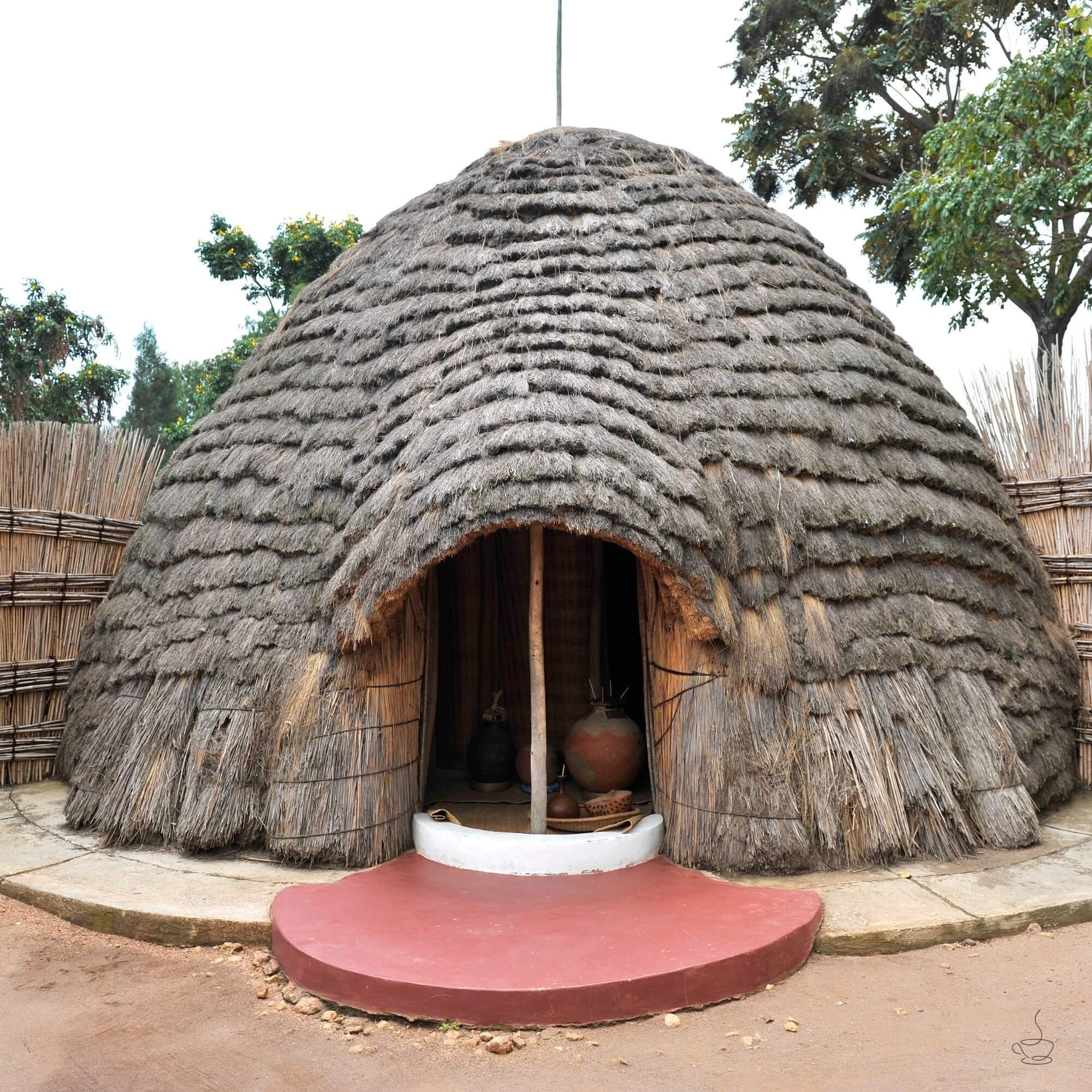
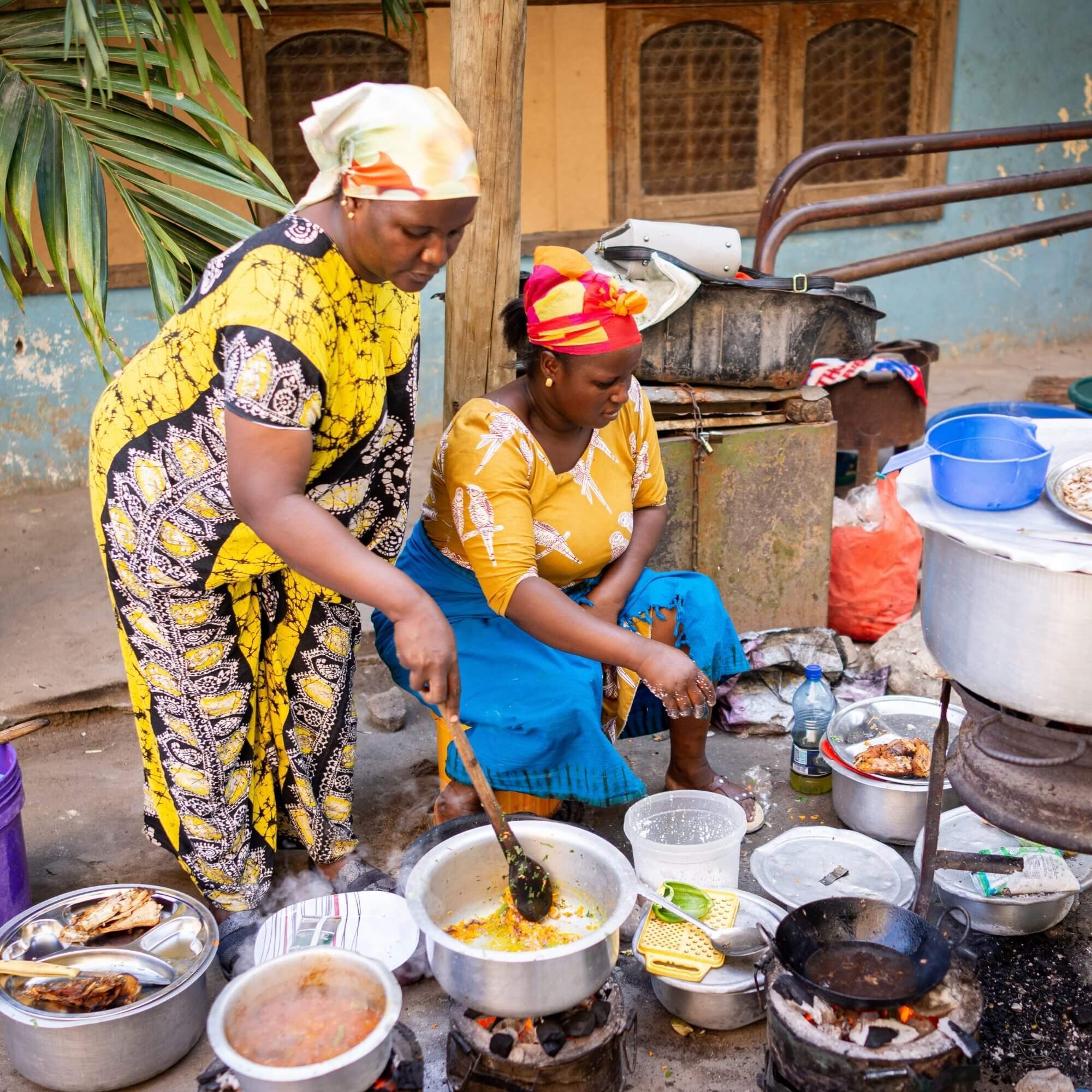
Use photography that connects the refined cup profile to real hillsides, lakes, stations, and streets — modern, optimistic, and rooted in place.
Last updated: November 8, 2025