Peru Coffee Origins — High-Altitude Sweetness, Clarity & Community Lots

Peru has quietly become one of the most important origins for clean, sweet, organic-leaning coffees. High Andean elevations, deep cooperative networks, and improving processing deliver cups that flex from chocolate comfort to structured citrus and florals.
Raw Sugar & Caramel Milk Chocolate Gentle Citrus Soft Stone Fruit Clean, Calm Acidity Organic & Community Lots
Peruvian coffee farm terraces in the Andes with morning light
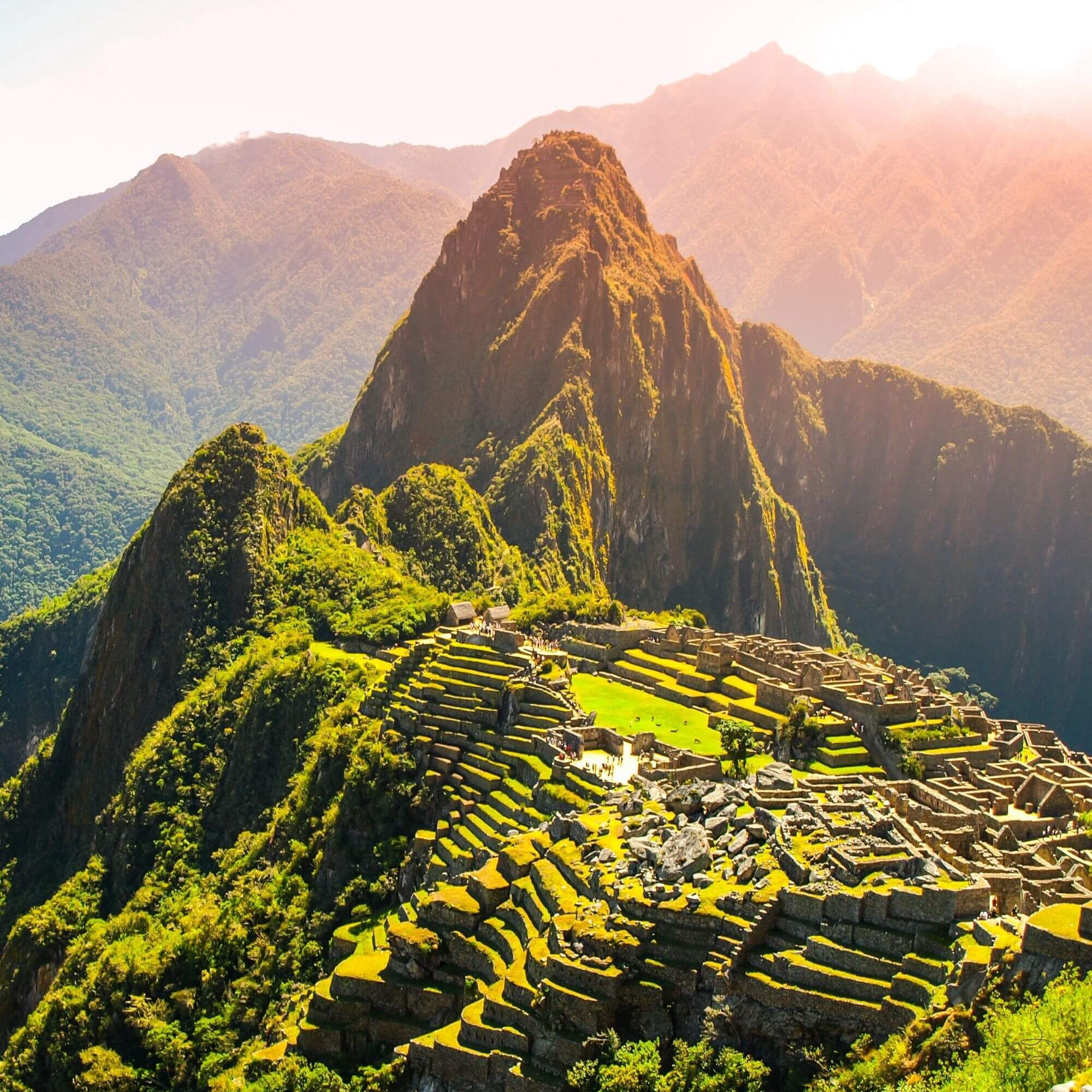
Classic, Macchu Picchu.

Peru at a Glance

Altitude
1,400–2,000+ m across Andean slopes
Varieties
Typica · Bourbon · Caturra · Catuaí · Pache · Local selections
Processing
Primarily Washed; growing Honey/Natural from select producers
Harvest Window
Approx. May–Oct (varies by region & elevation)
Producer Structure
Smallholders & cooperatives; strong organic presence
Flavor Spectrum
Brown sugar · Cocoa · Citrus · Apple · Stone Fruit · Soft florals

Key Coffee Regions of Peru

Peru’s strength lies in its elevation and its cooperatives. From Cajamarca down to Cusco, careful washed processing and selective aggregation turn thousands of smallholder farms into distinct, reliable flavor profiles.

Cajamarca (Jaén, San Ignacio, Chirinos)

Northern hub for some of Peru’s most consistent specialty lots, driven by altitude and organized co-ops.

  • Altitude: ~1,600–2,000+ m
  • Profile: Cane sugar, cocoa, citrus, apple, clean structure.

Cusco (La Convención, Quillabamba)

High valleys and cloud forest edges with growing specialty focus and traceable groups.

  • Altitude: ~1,400–1,900 m
  • Profile: Sweet citrus, cocoa, florals; structured, modern cups.

Huánuco, Junín & Pasco

Central regions with altitude and infrastructure; quality depends on sorting & drying discipline.

  • Altitude: ~1,400–1,800 m
  • Profile: Chocolate, nuts, gentle fruit; ideal for blends when curated.

Puno & Southern Highlands

Isolated zones with serious potential when logistics and processing align.

  • Altitude: ~1,600–2,000 m
  • Profile: Complex fruit, florals, syrupy sweetness (micro-lot dependent).
Learn more about Peru’s terroir, co-ops & why it’s a rising star

Peru’s best lots come from high-altitude farms where cool nights, careful shade, and slow cherry development concentrate sugars and acids. When co-ops and exporters support selective picking and controlled washed processing, the result is clean, sweet coffees that rival longer-established “hero” origins.

Historically, weak drying infrastructure and aggregation masked quality. As raised beds, better storage, and transparent buying improve, Peru now delivers community lots with distinct regional signatures — from cane-sugar-and-cocoa comfort to soft florals and citrus in higher-elevation pockets.

At Coo Coo’s Coffee, we treat Peru as both a dependable structure-builder and a source of quietly complex single origins, chosen for role, traceability, and cup integrity — not just certifications on paper.

Processing & How We Use Peru in the Lineup

People, Landscape & Cooperative Culture

Much of Peru’s specialty volume comes from smallholder families farming steep Andean slopes and selling through cooperatives. When those co-ops invest in agronomy support, drying beds, and honest premiums, everyone wins: producers, roasters, and guests. Our focus is on partners who close that loop — so each Peru lot on our menu is tied to real structure, not vague promises.

Peru in Pictures

Use imagery that connects guests to the origin: high valleys, terraces, co-op patios, and daily life in Peru’s coffee towns.
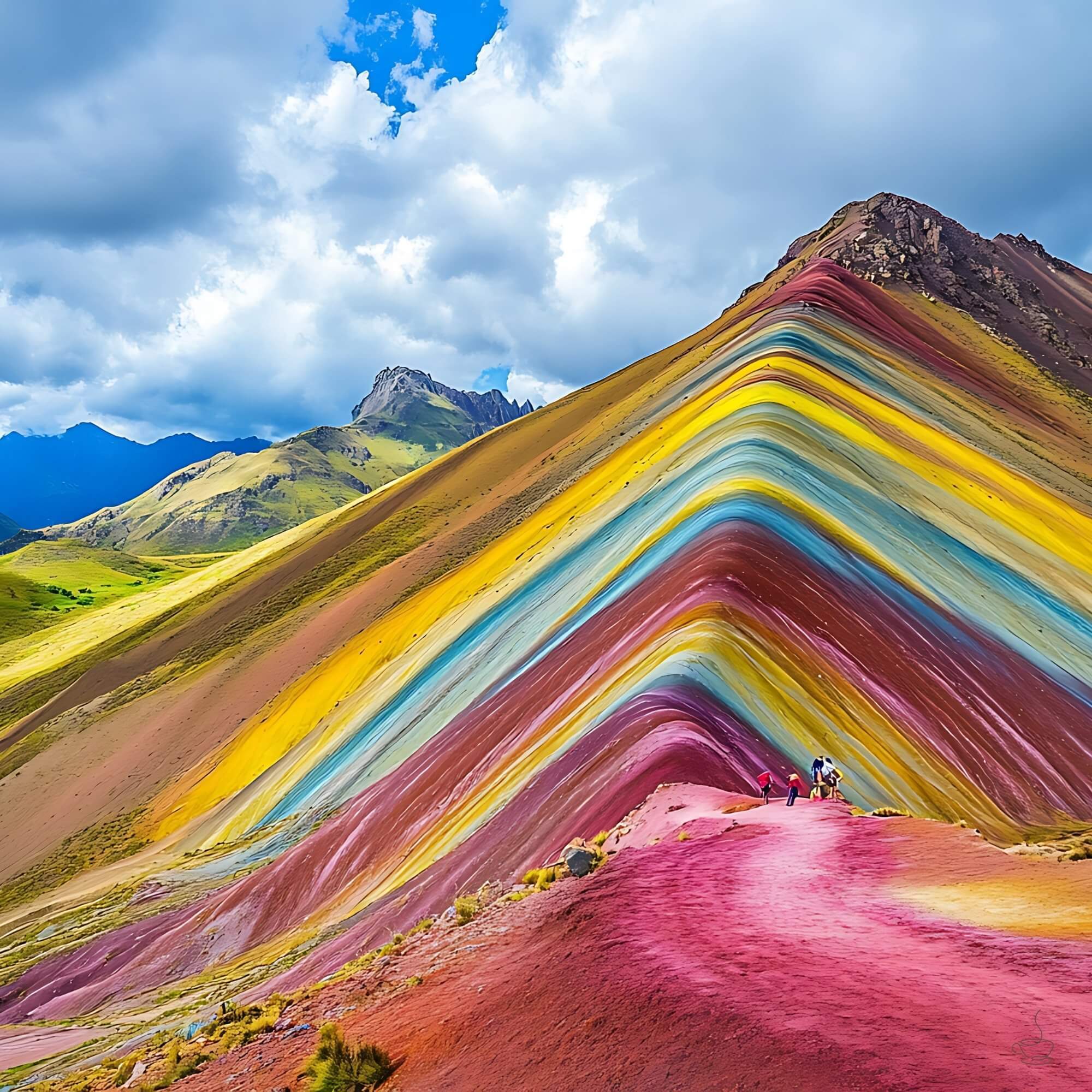
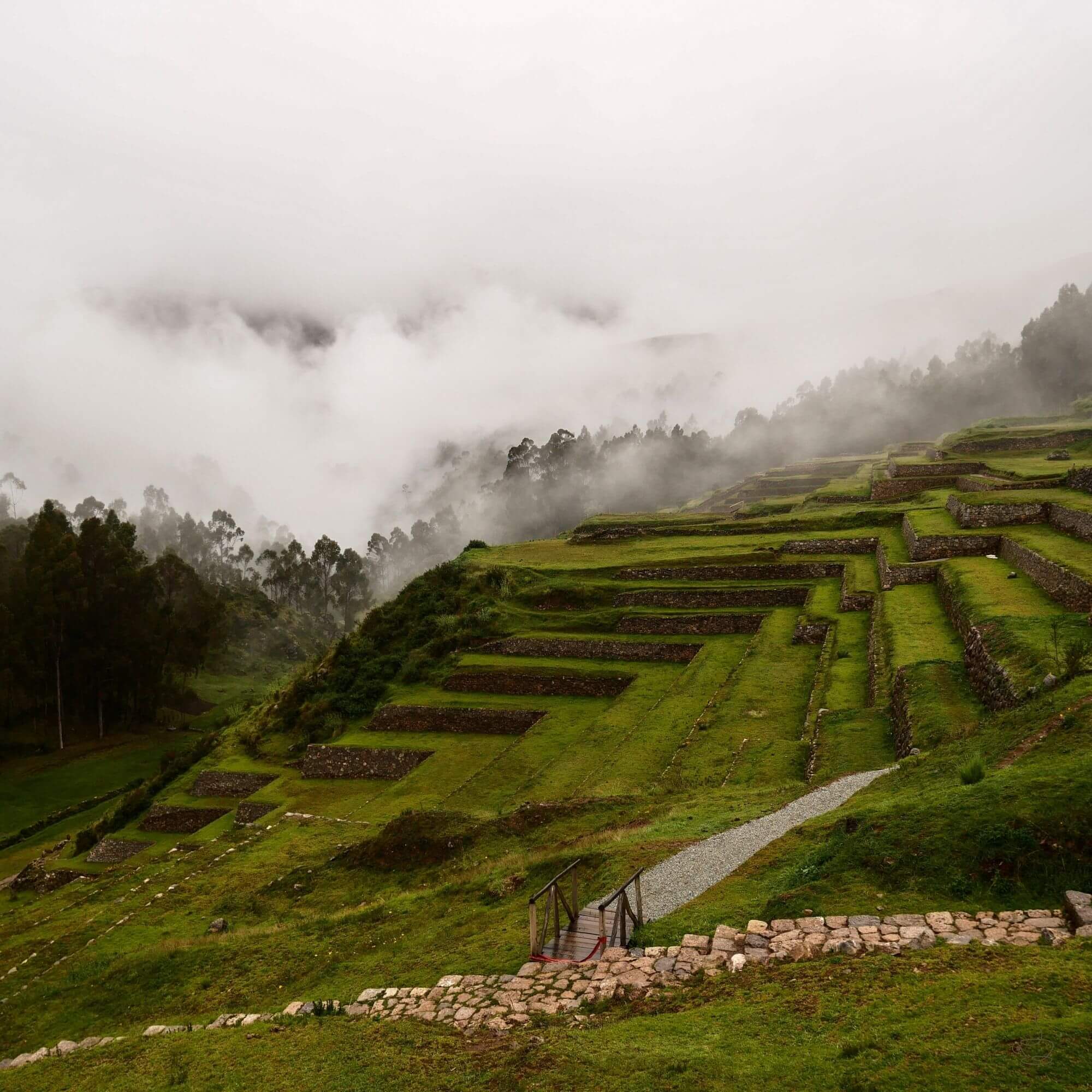
Peruvian Andes with terraced hillsides
Andean elevations of rainbow mountain in vinicunca
Peruvian traditional farming.
Cooperatives turning many small farms into distinct lots.
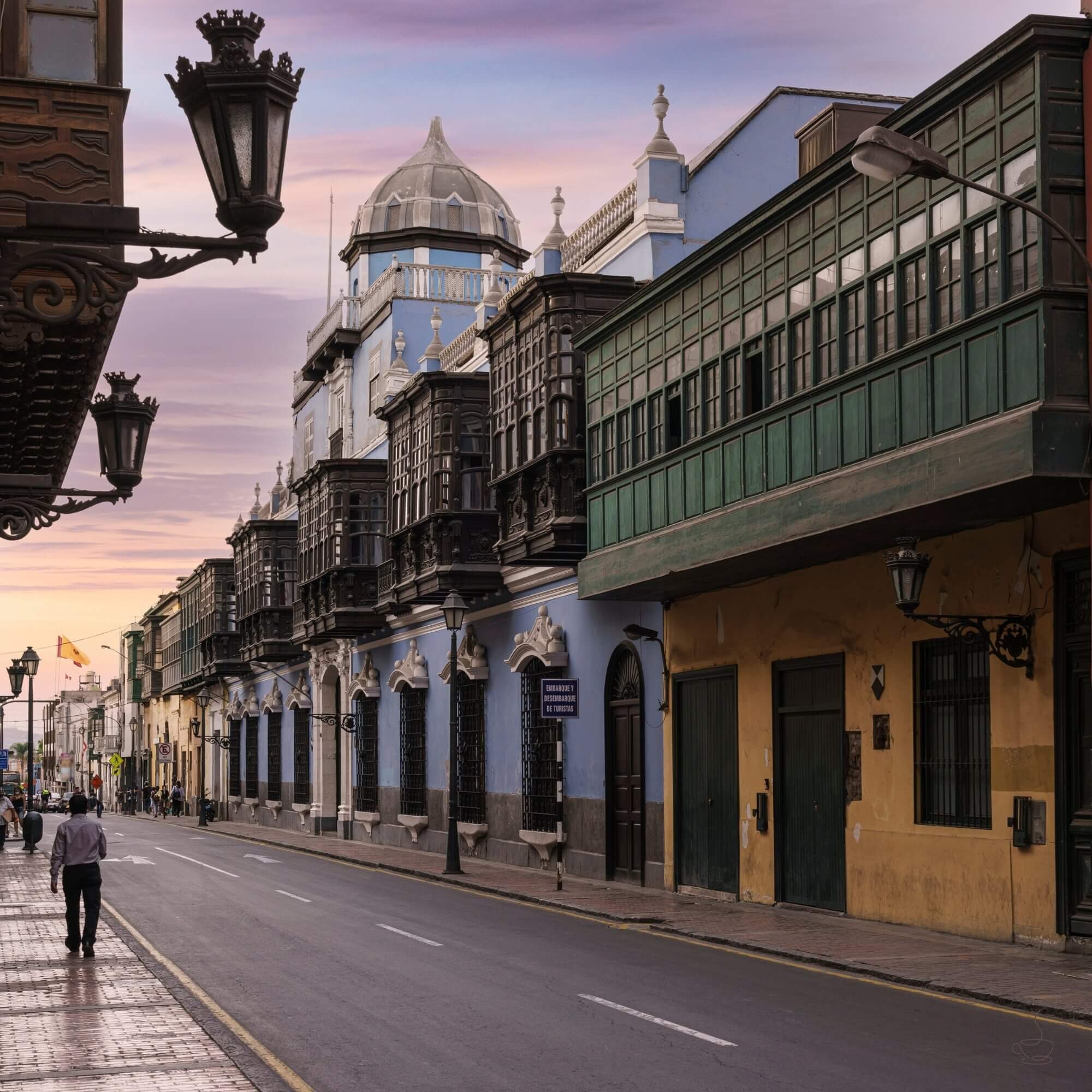
Colorful Peruvian town street
Towns and markets at the heart of Peru’s coffee communities.
Rows of coffee trees on Peruvian hillside
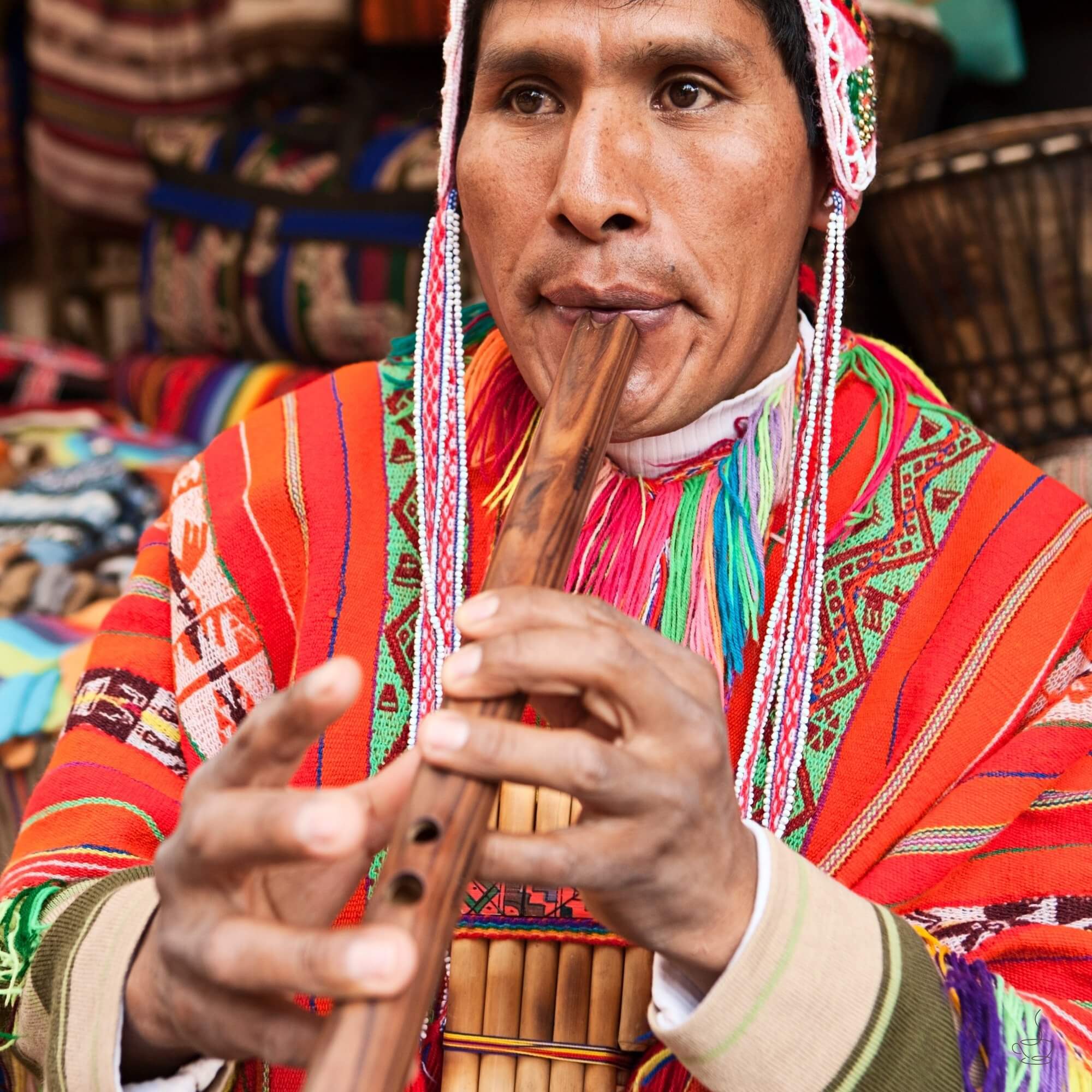
Peruvian man playing the flute
Raised beds with coffee parchment drying in Peru
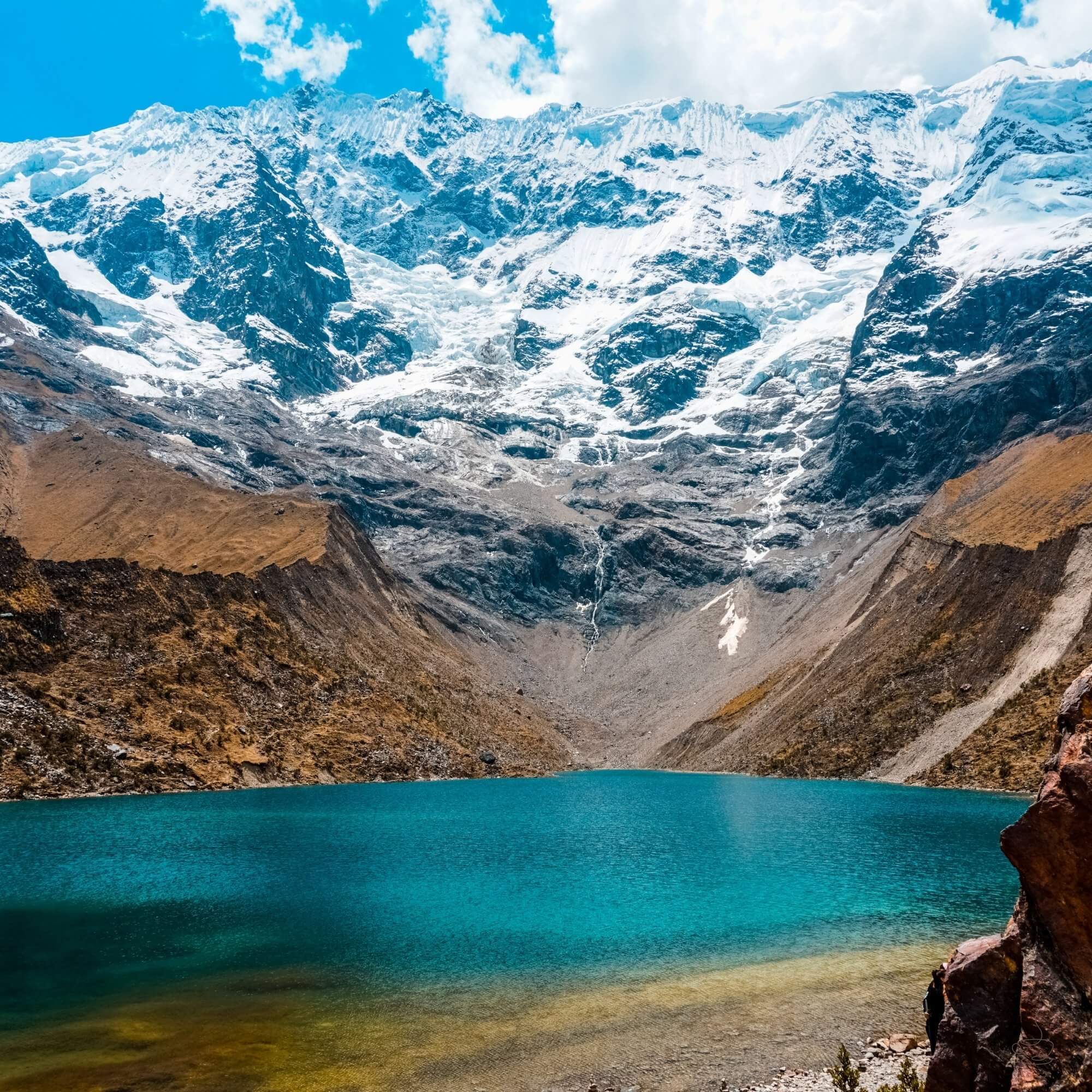
Humantay lagoon in Cusco
Peruvian coffee producer holding ripe cherries
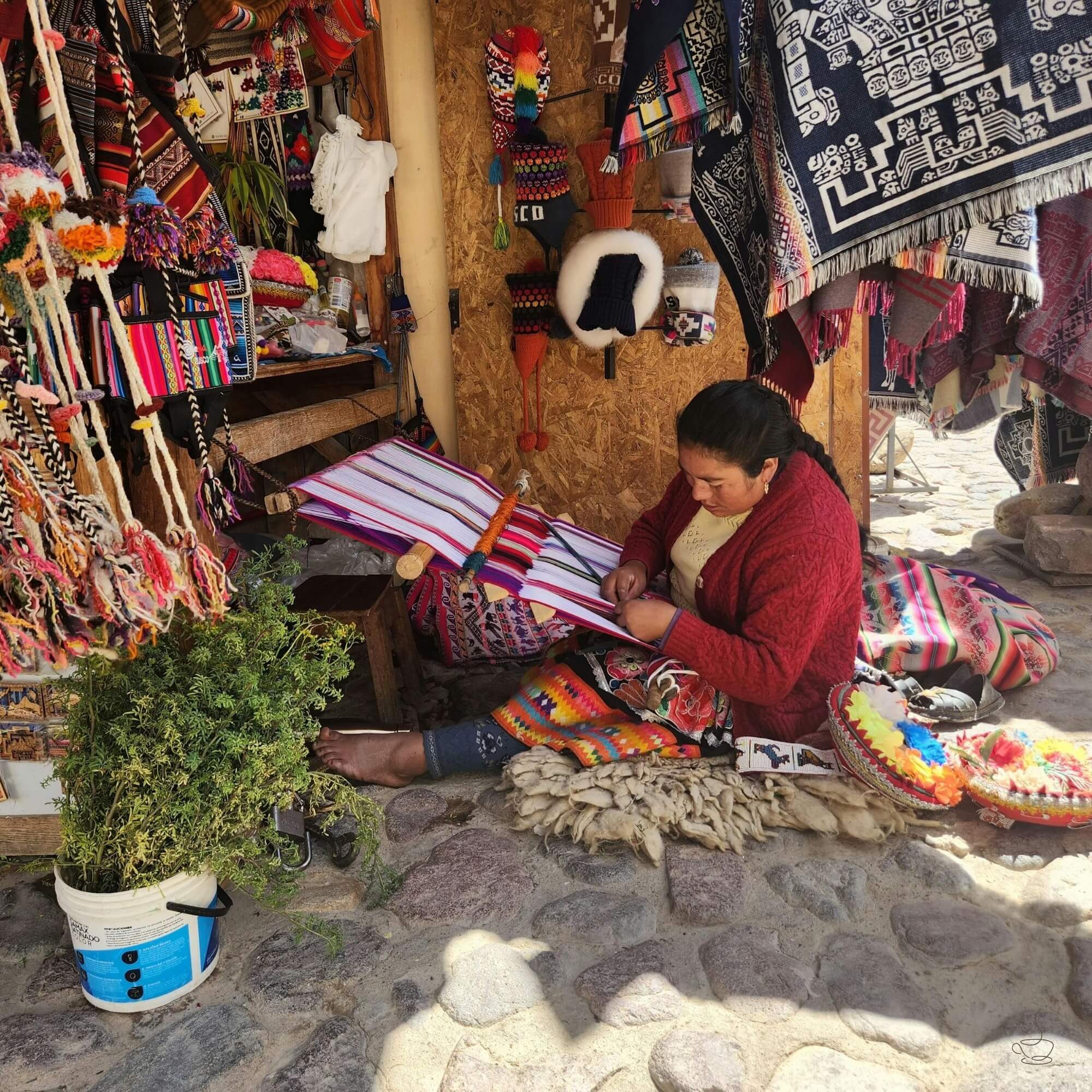
Traditional Peruvian artisan weaving in the markets
Cupping table with Peru coffees
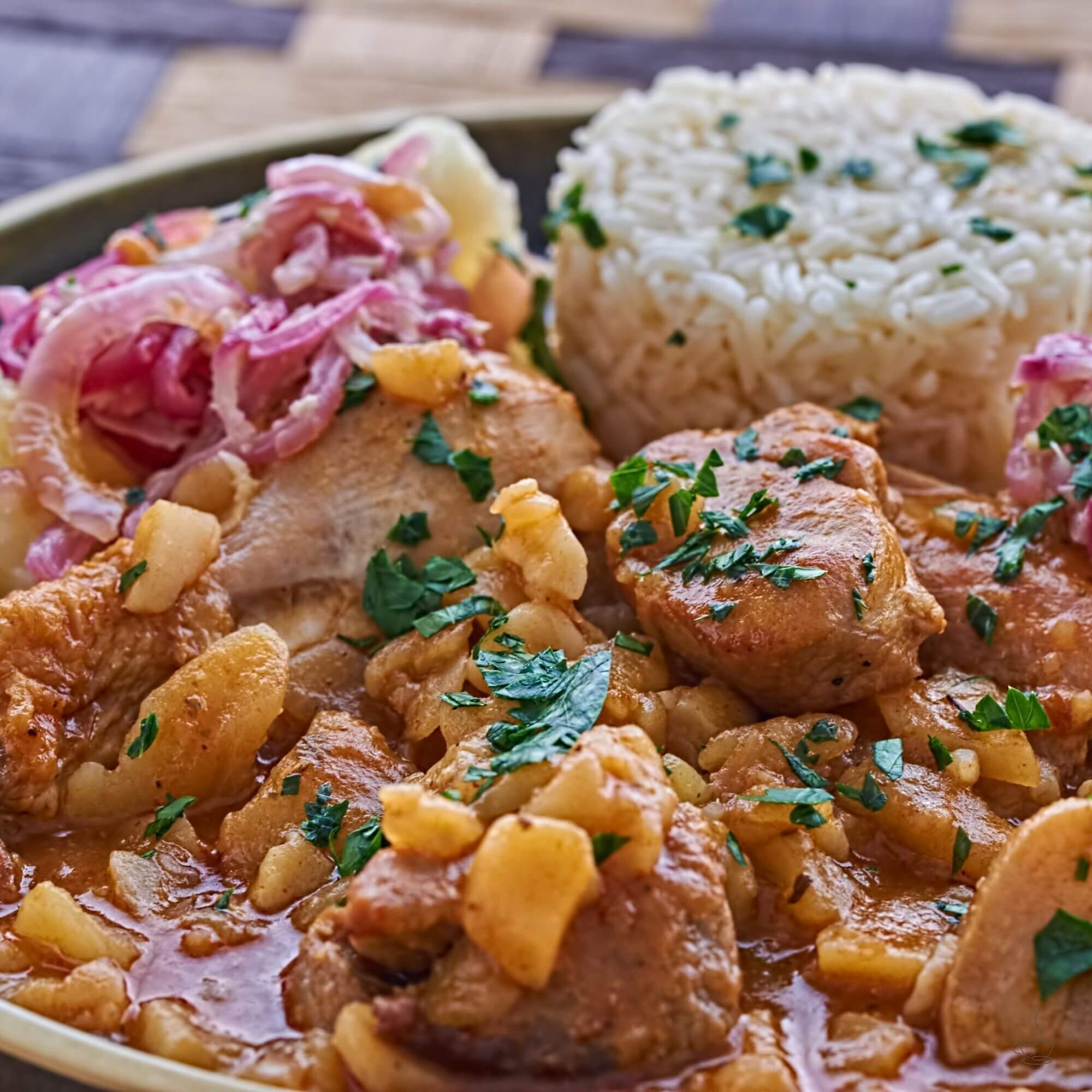
Carapulcra, a traditional Peruvian dish
Scenic Peruvian highland landscape
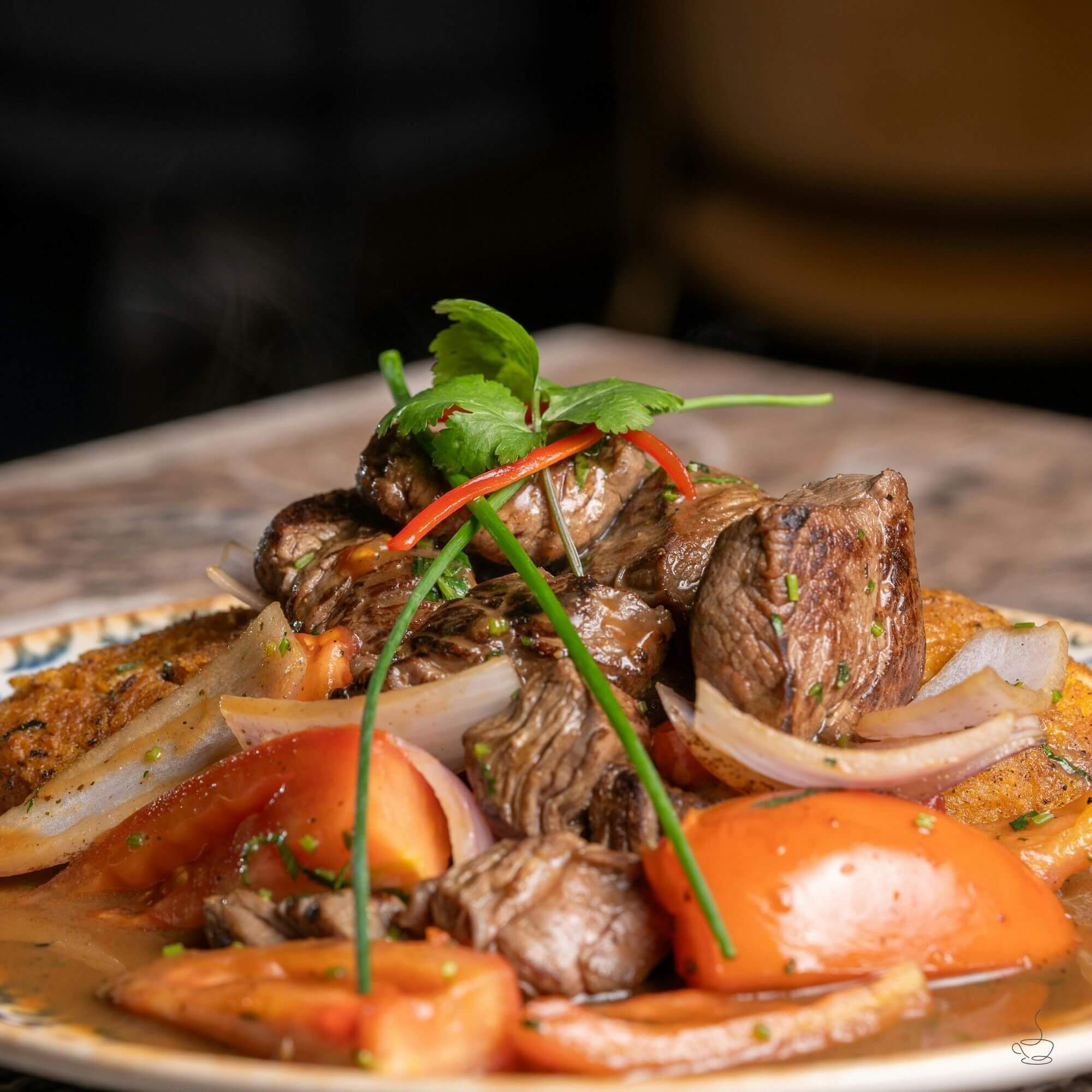
Traditional Peruvian lomo saltado
Modern café in Peru serving specialty coffee
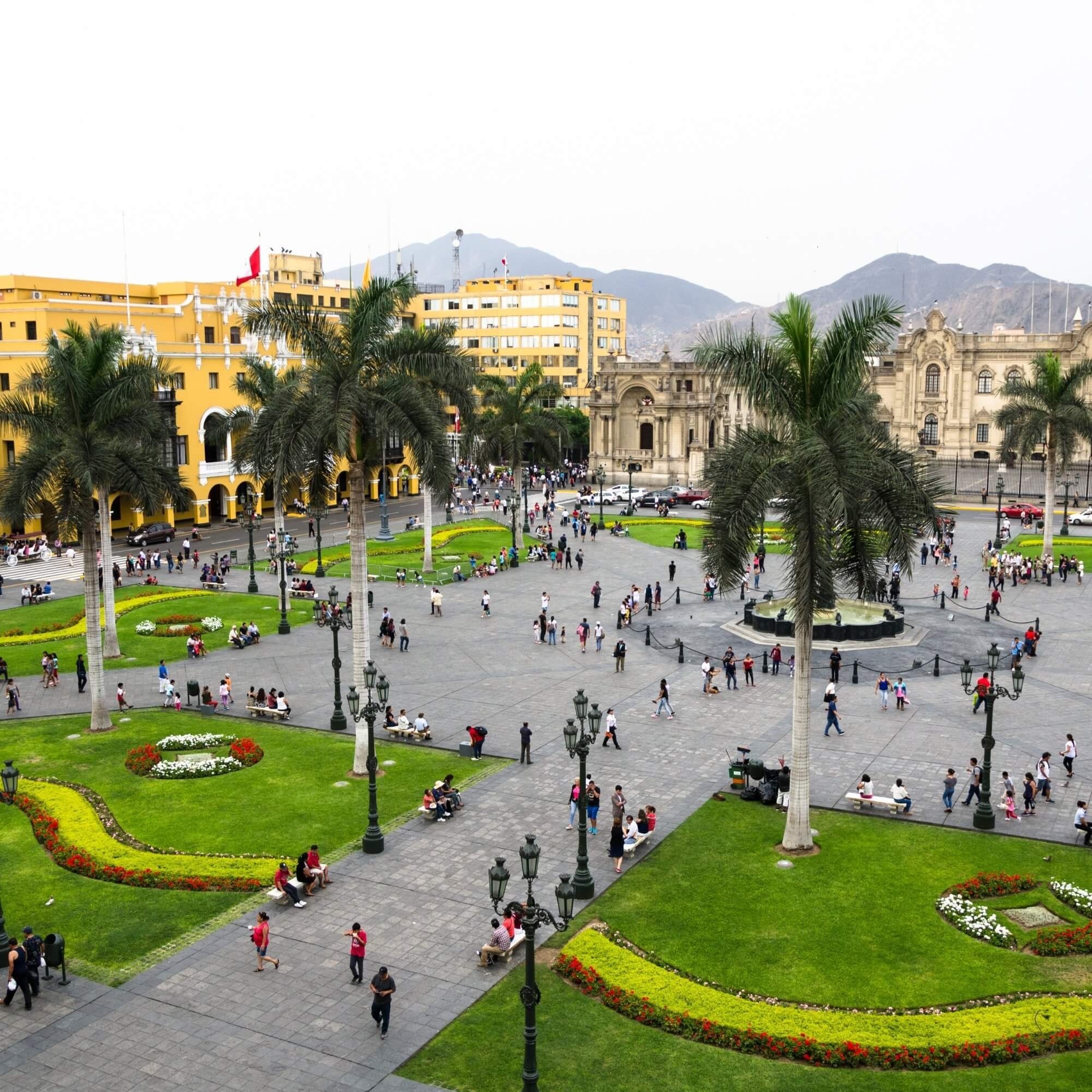
Tourist in Lima's main square.

Peru Origin FAQ

Why has Peru become so popular in specialty coffee?
Strong elevations, improving processing, and organized co-ops now deliver clean, sweet lots at scale — turning Peru from a “blender” into a reliable single-origin and story-forward option.
What flavor profile do you look for from Peru?
We favor structured sweetness: brown sugar, cocoa, gentle citrus or apple, and occasional florals — clean and calm, with enough character to stand alone or support blends.
How does Coo Coo’s Coffee choose Peruvian partners?
We look for cooperatives and exporters who separate by altitude and quality, invest in drying and storage, and can show how premiums return to growers. Certifications are a plus, but cup quality and transparency come first.