Papua New Guinea Coffee Origins — Highland Complexity & Village Craft

Papua New Guinea’s rugged highlands, smallholder garden plots, and diverse heirloom varieties create layered coffees with citrus, stone fruit, florals and cocoa. Done right, PNG is bright yet grounded — a bridge between “adventurous” and everyday drinkable.
Citrus & Stone Fruit Floral Aromatics Honeyed Sweetness Milk & Dark Chocolate Full, Juicy Body Traceable Smallholders
Papua New Guinea highland coffee landscape with morning mist
Highlands, mist, and village coffee gardens that define Papua New Guinea’s most expressive coffees.

Papua New Guinea at a Glance

Key Growing Areas
Eastern Highlands (Goroka) · Western Highlands (Waghi Valley, Mt. Hagen) · Jiwaka · Simbu · Morobe & more
Altitude
~1,300–2,000 m
Processing
Fully Washed; increasing Honey & Natural experiments at centralized mills
Varieties
Typica-lineage, Arusha, Bourbon, Blue Mountain descendants, local selections
Harvest Window
Generally April – September (varies by province & elevation)
Flavor Spectrum
Citrus · Stone Fruit · Floral · Honey · Cocoa · Syrupy or Juicy Body

Major Coffee Regions of Papua New Guinea

PNG is a patchwork of smallholder “coffee gardens.” Elevation, microclimate and mill standards define the cup more than massive estates. Here’s how we think about the main sourcing zones.

Eastern Highlands (Goroka)

Classic PNG highlands with organized washing stations and outreach programs.

  • Profile: Citrus, black tea, floral hints, honeyed sweetness, cocoa.
  • Role: Lively but approachable single origins and blend accents.

Western Highlands & Waghi Valley

Dense plantings, high altitude and key wet mills around Mt. Hagen.

  • Profile: Deeper sweetness, stone fruit, chocolate, sturdy body.
  • Role: Espresso-friendly lots and structured blend components.

Jiwaka & Simbu

High, cool, fragmented smallholder zones with rising specialty focus.

  • Profile: Florals, brighter acidity, complex fruit, clean finishes.
  • Role: Characterful micro-lots & elevated single-farm features.

Morobe & Emerging Regions

Coastal-influenced and experimental projects showing PNG’s evolving range.

  • Profile: Lighter structure, citrus, floral-herbal, crisp cups.
  • Role: Seasonal features and contrast-driven offerings.
Learn more about PNG’s terroir, mills & what makes these coffees distinct

PNG’s best coffees start with altitude — much of the production sits between 1,400–1,900 m — and a cooler, misty climate that slows cherry development. Many farms are true “coffee gardens” beside food crops, with heirloom and Typica-lineage varieties contributing floral and fruit complexity.

The challenge has never been potential; it’s logistics. Steep terrain, limited infrastructure and fragmented supply chains mean washing station standards are everything. We work with partners who invest in selective picking, flotation, tiled or clean fermentation tanks, thorough washing, and measured drying — turning PNG’s raw ingredients into stable, traceable specialty lots.

When that discipline is in place, PNG cups feel like a conversation between East Africa and the Pacific: citrus and florals on top, honey and cocoa underneath, with enough body to stand up in espresso and blends without losing their spark.

Processing & How We Select PNG Lots

People, Culture & Coffee in Papua New Guinea

PNG is extraordinarily diverse, with hundreds of languages and communities. Coffee income supports village schools, clinics and infrastructure where it’s handled fairly. This is your space to talk about the cooperatives, mill projects and local partners you choose to work with — emphasizing long-term buying, agronomy support, and respect for local decision-making rather than parachute narratives.

Papua New Guinea in Pictures

Replace these placeholders with your own assets — highland ridges, village life, mill work and cupping scenes — to connect guests directly to the people behind each lot.
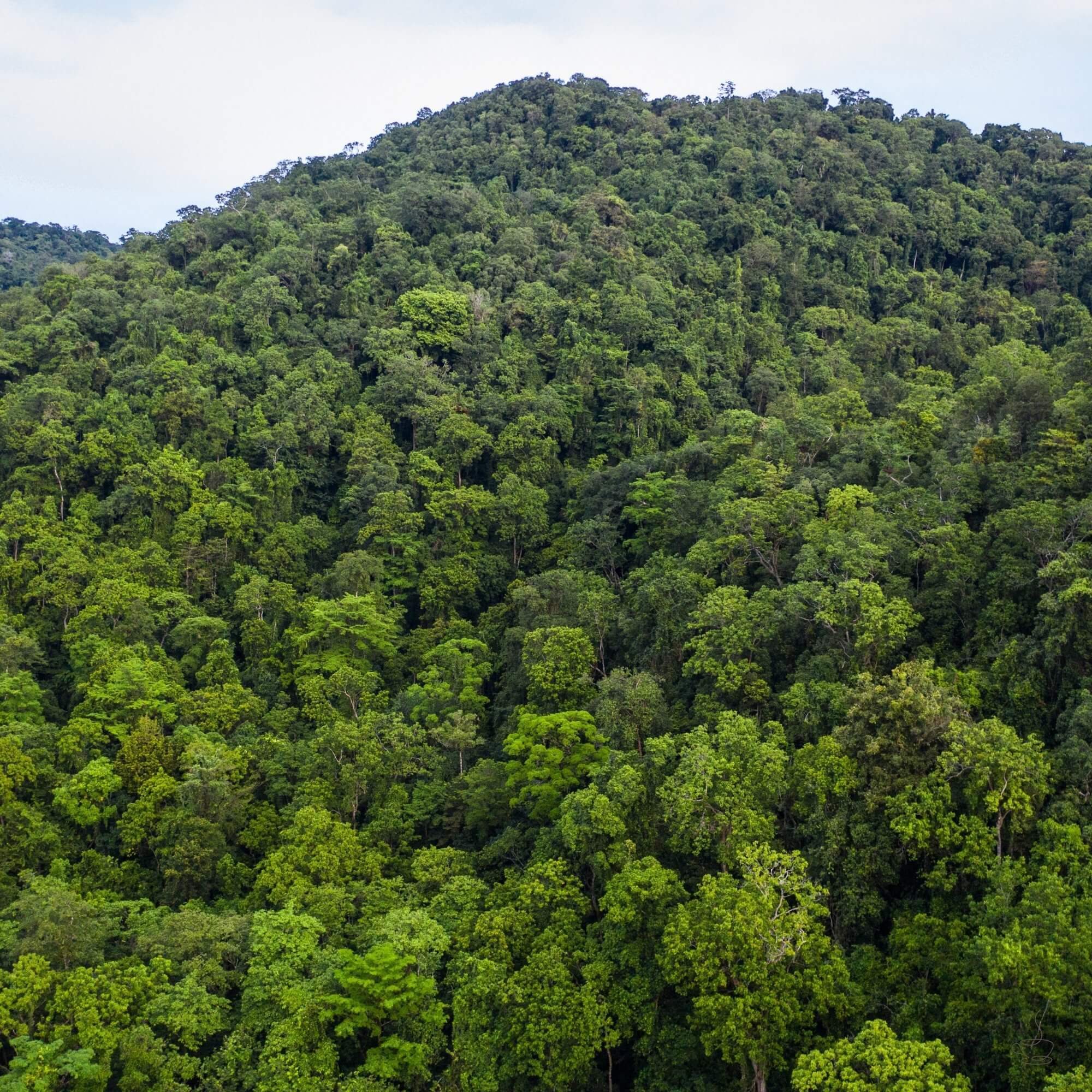
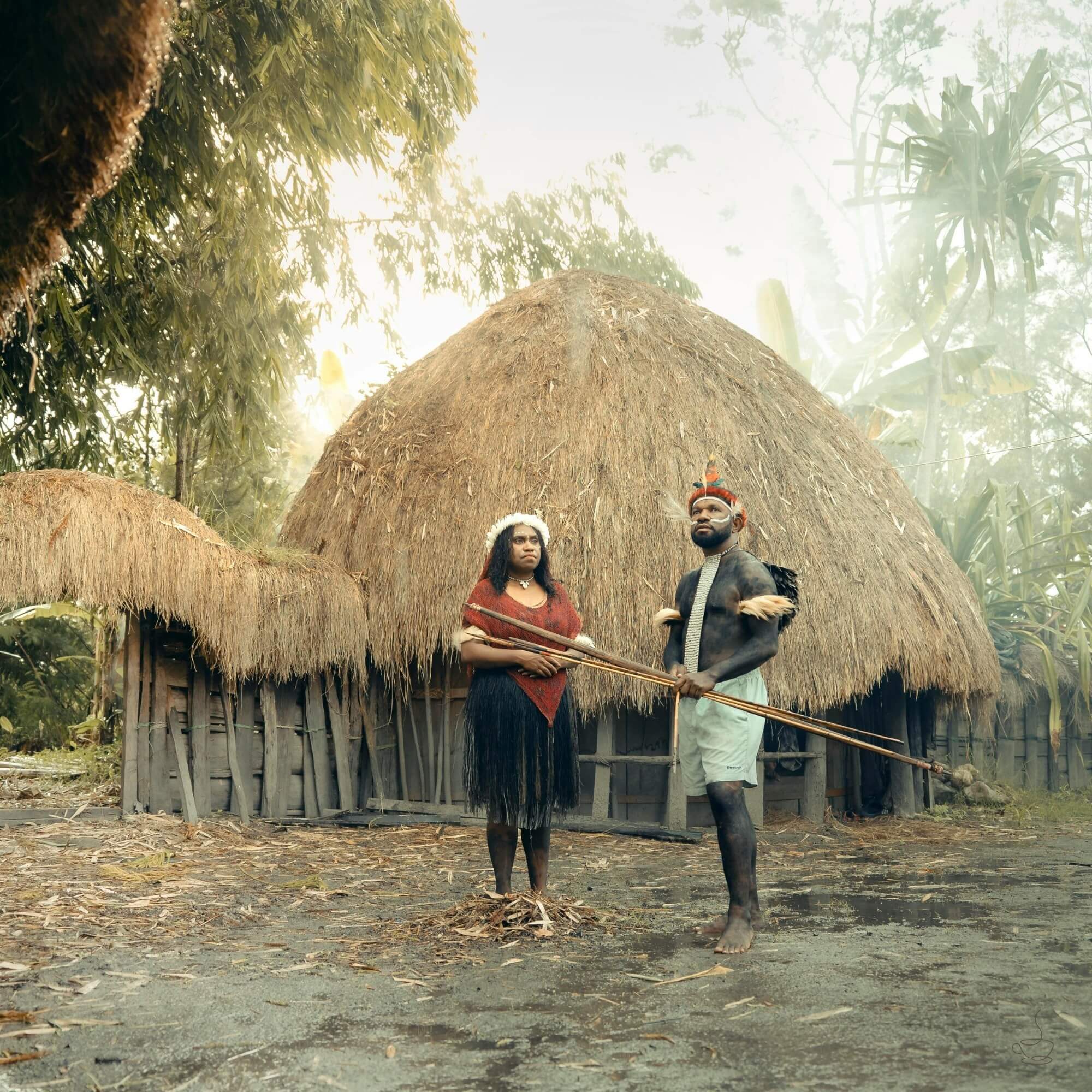
Misty Papua New Guinea highlands with coffee trees
High-elevation gardens where density and nuance begin.
Village scene in Papua New Guinea highlands
Village communities, traditional life in a village.
Coffee washing station in Papua New Guinea
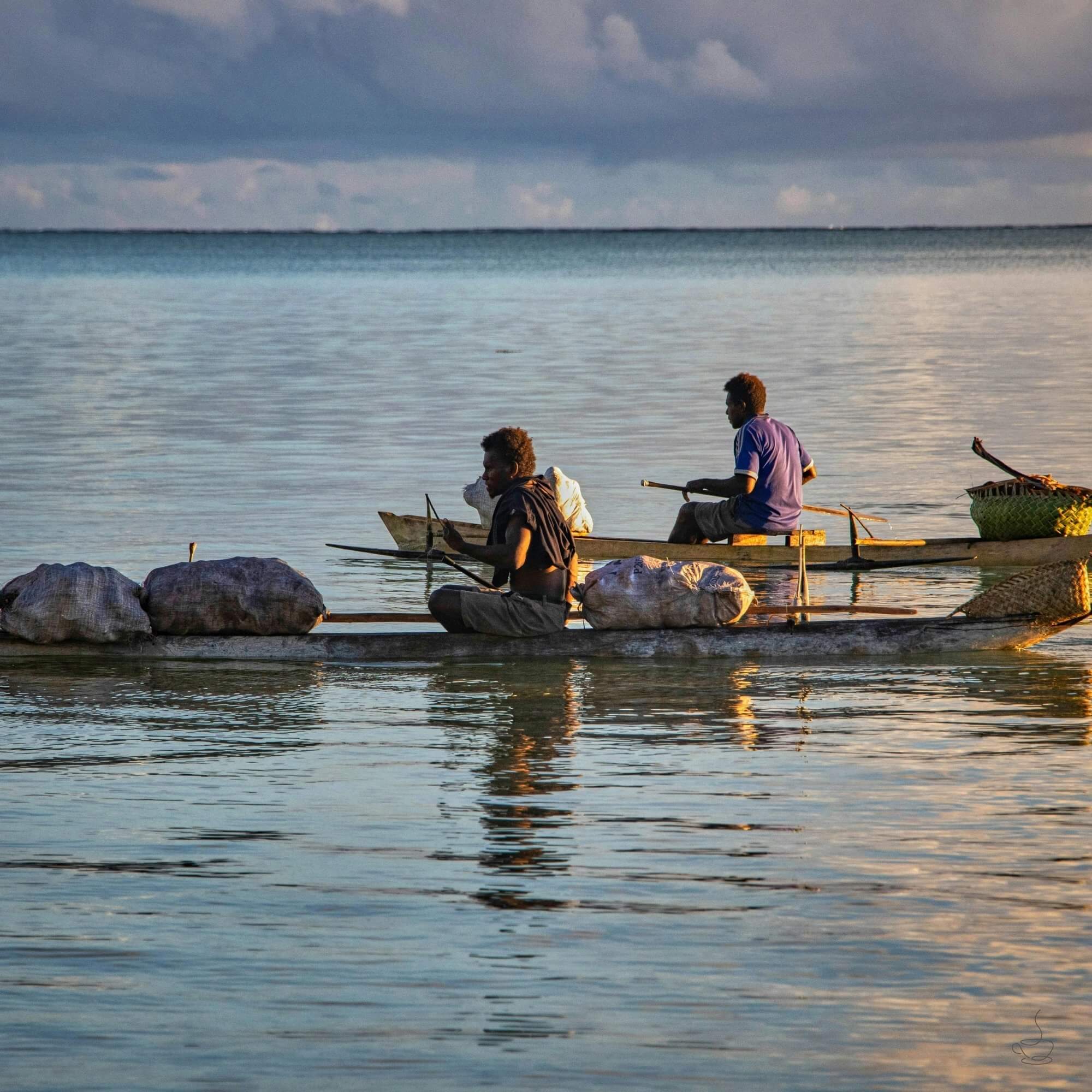
Traditional canoe fishing
Hand holding ripe red coffee cherries in PNG
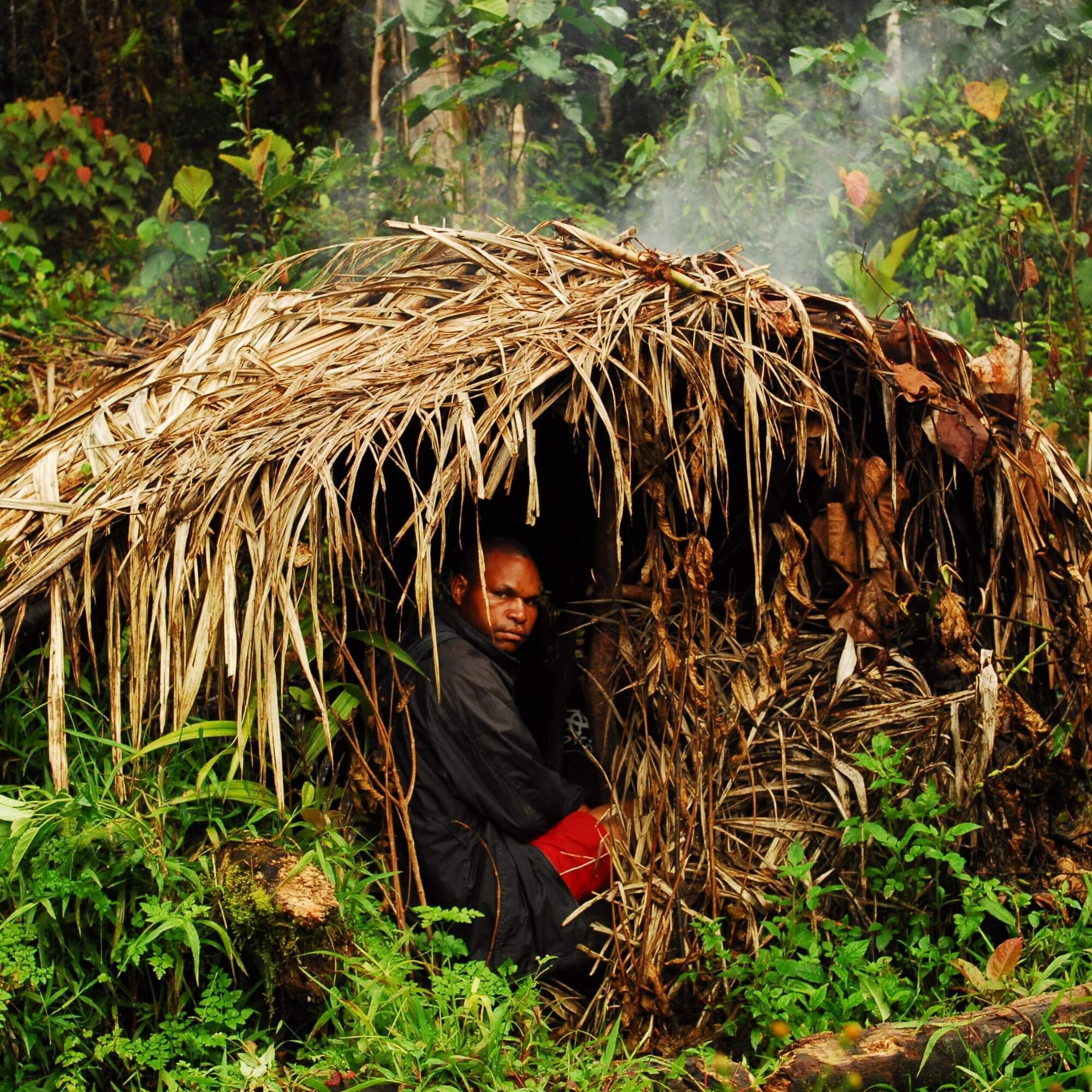
Man in hut near Goroka
Coffee parchment drying on raised beds in PNG
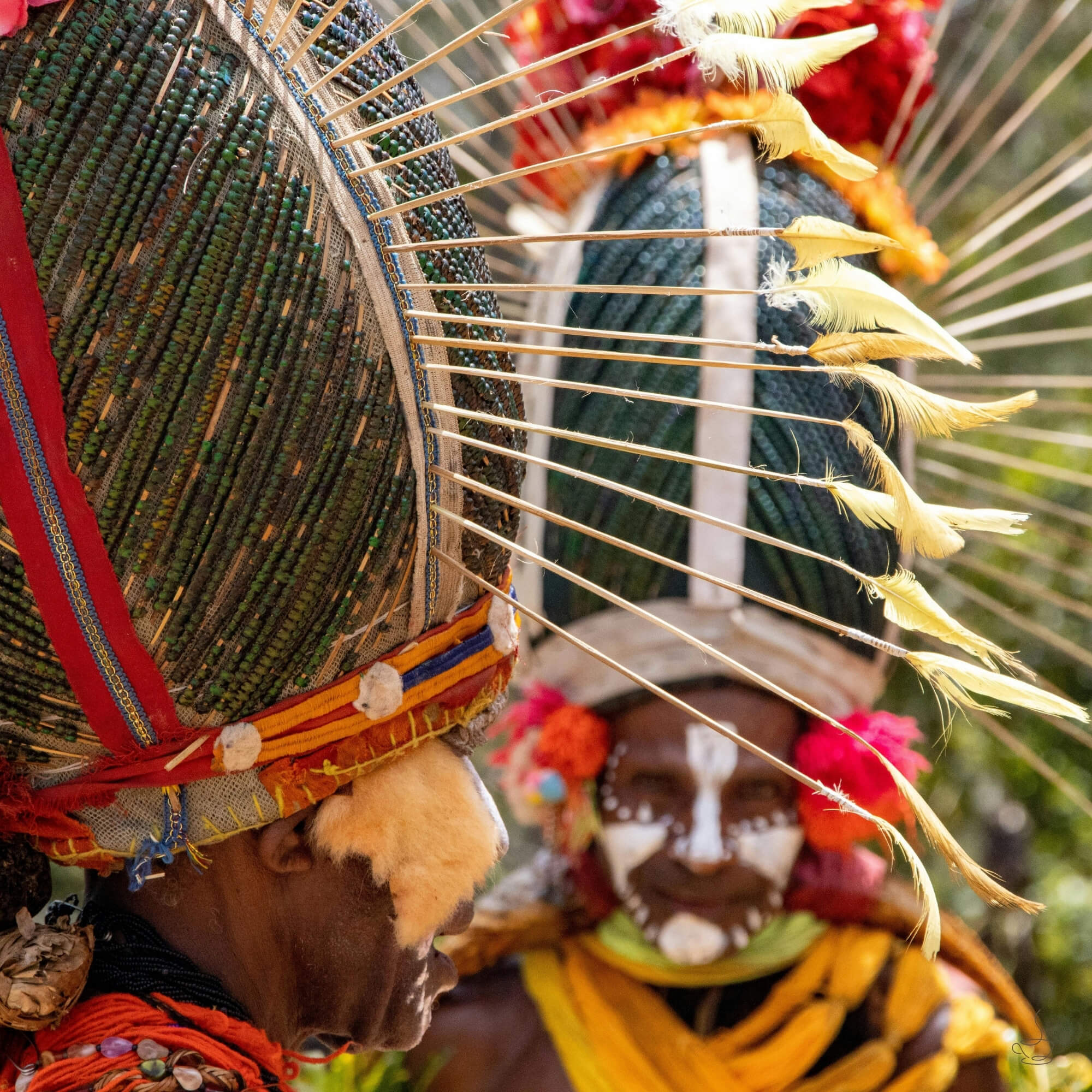
Sing sing dancers
Papua New Guinea coffee producer in the field
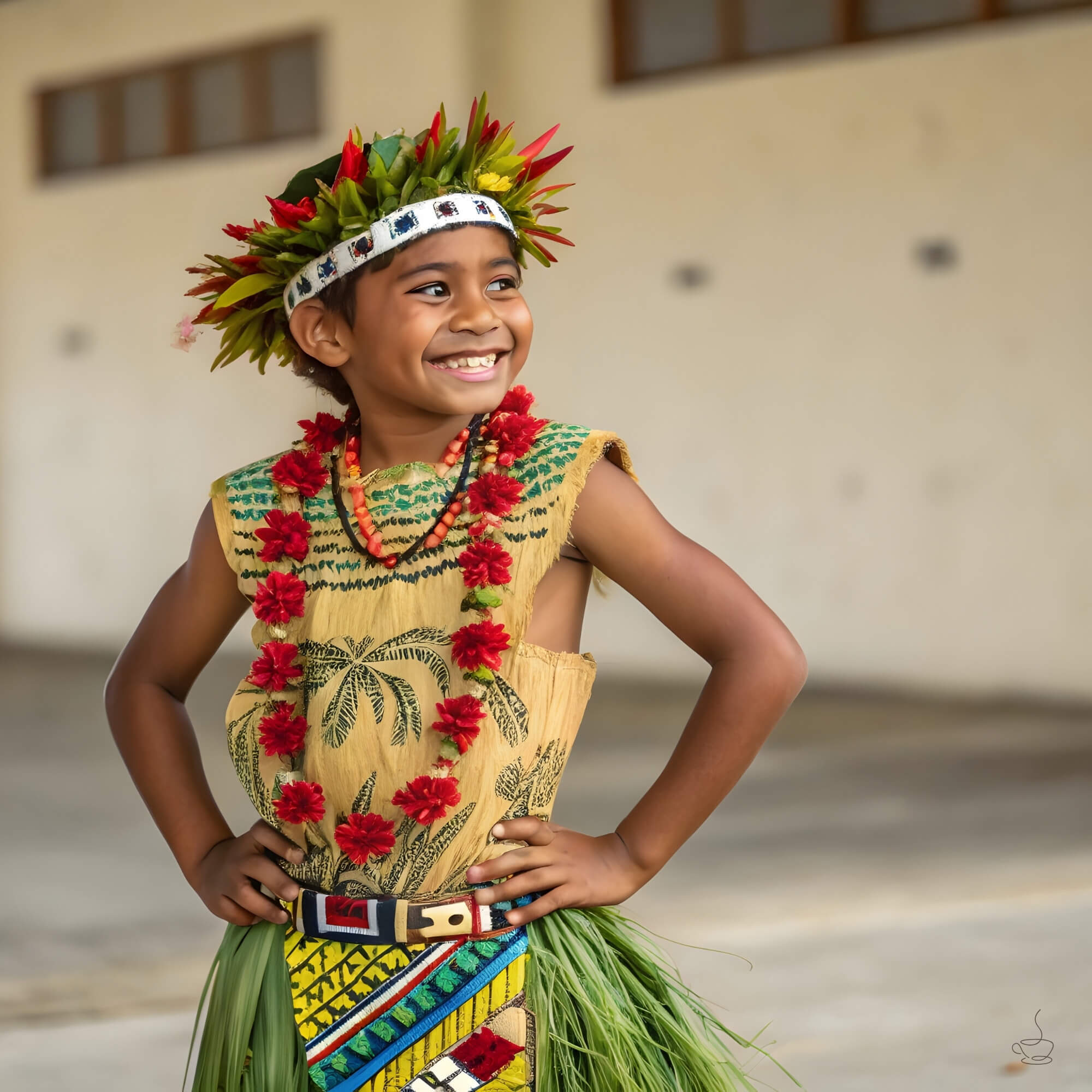
New generation in traditional dress
Cupping table with PNG coffees being evaluated
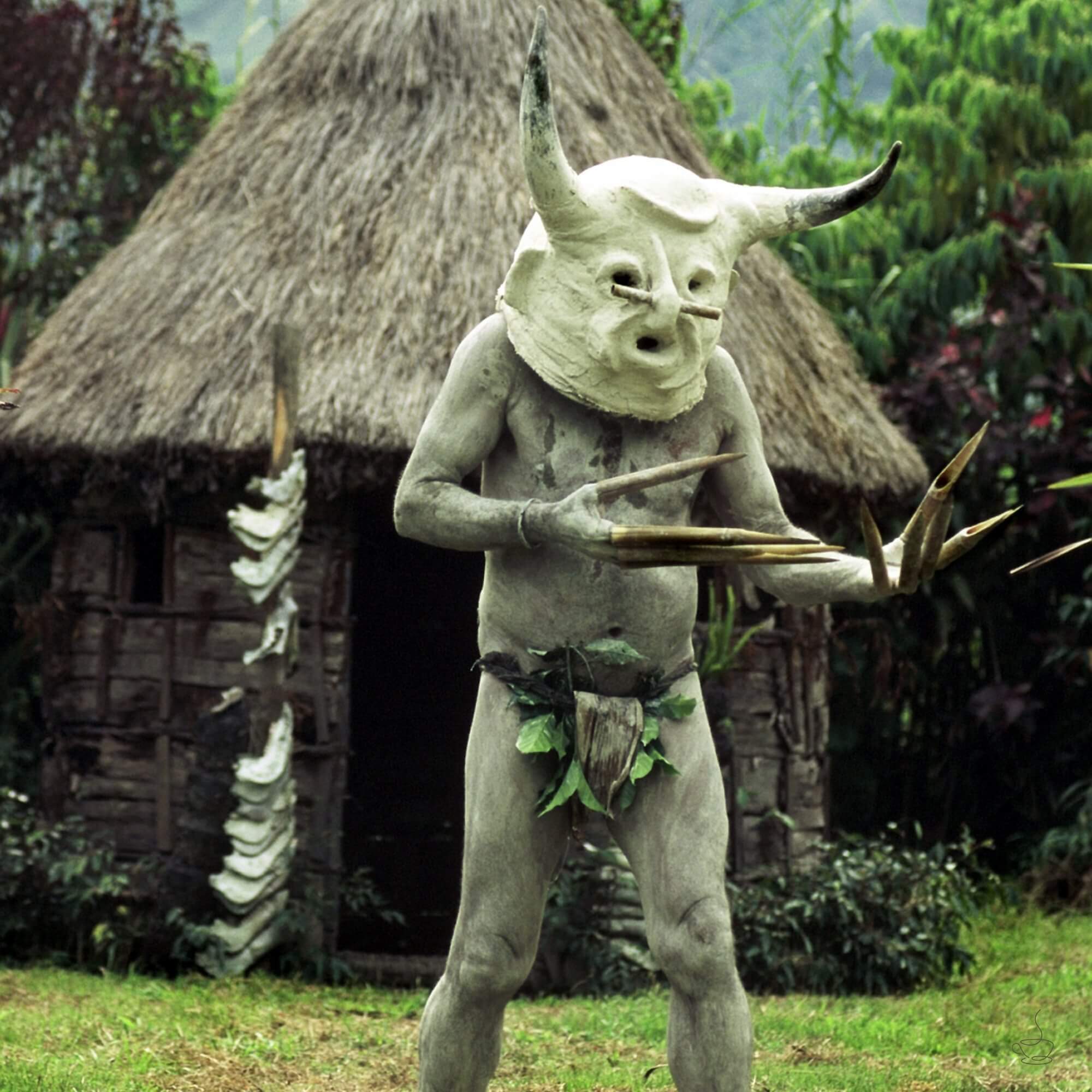
Mudman.
Mountain ridge landscape in Papua New Guinea
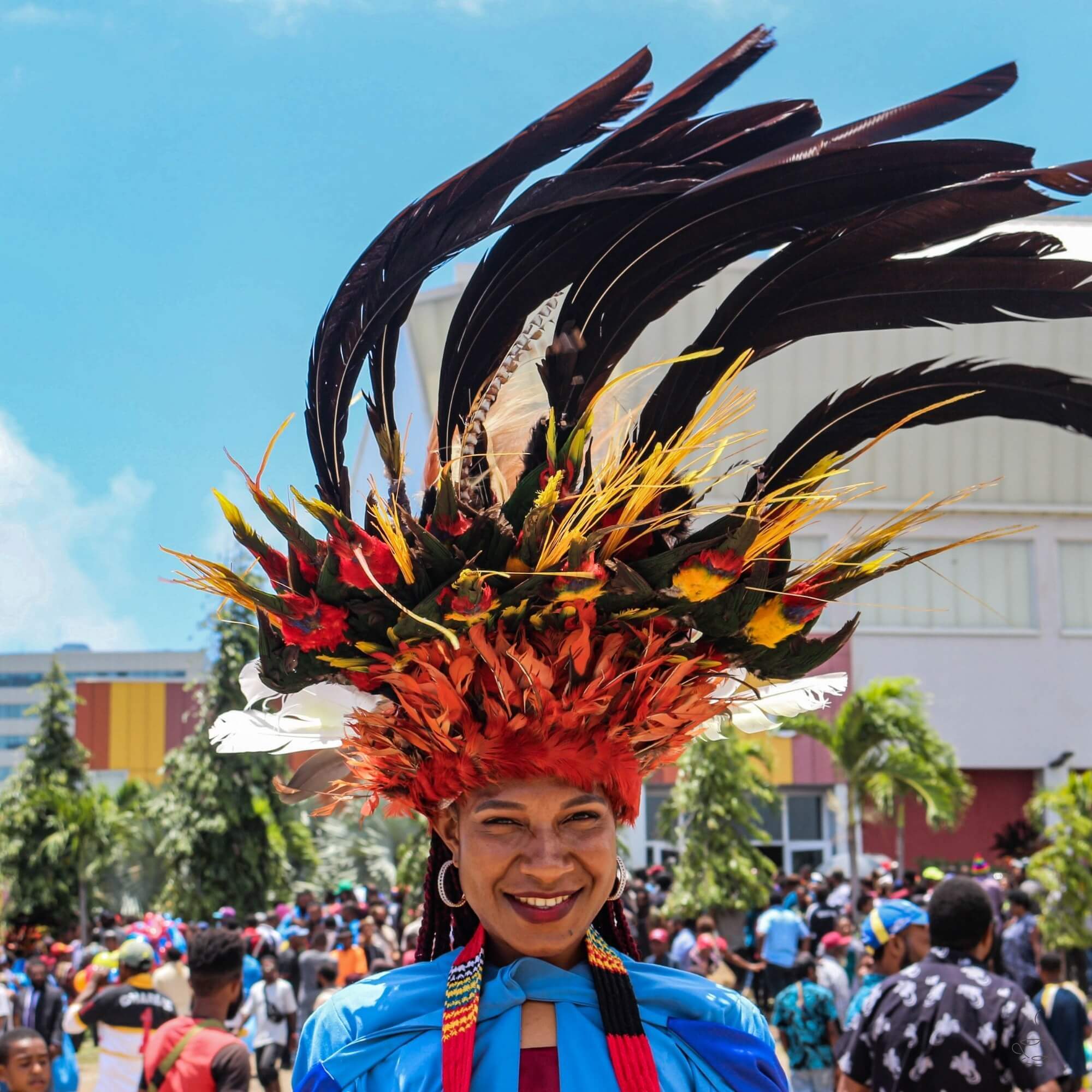
Graduation with traditional head dress.
Brewed cup of Papua New Guinea coffee
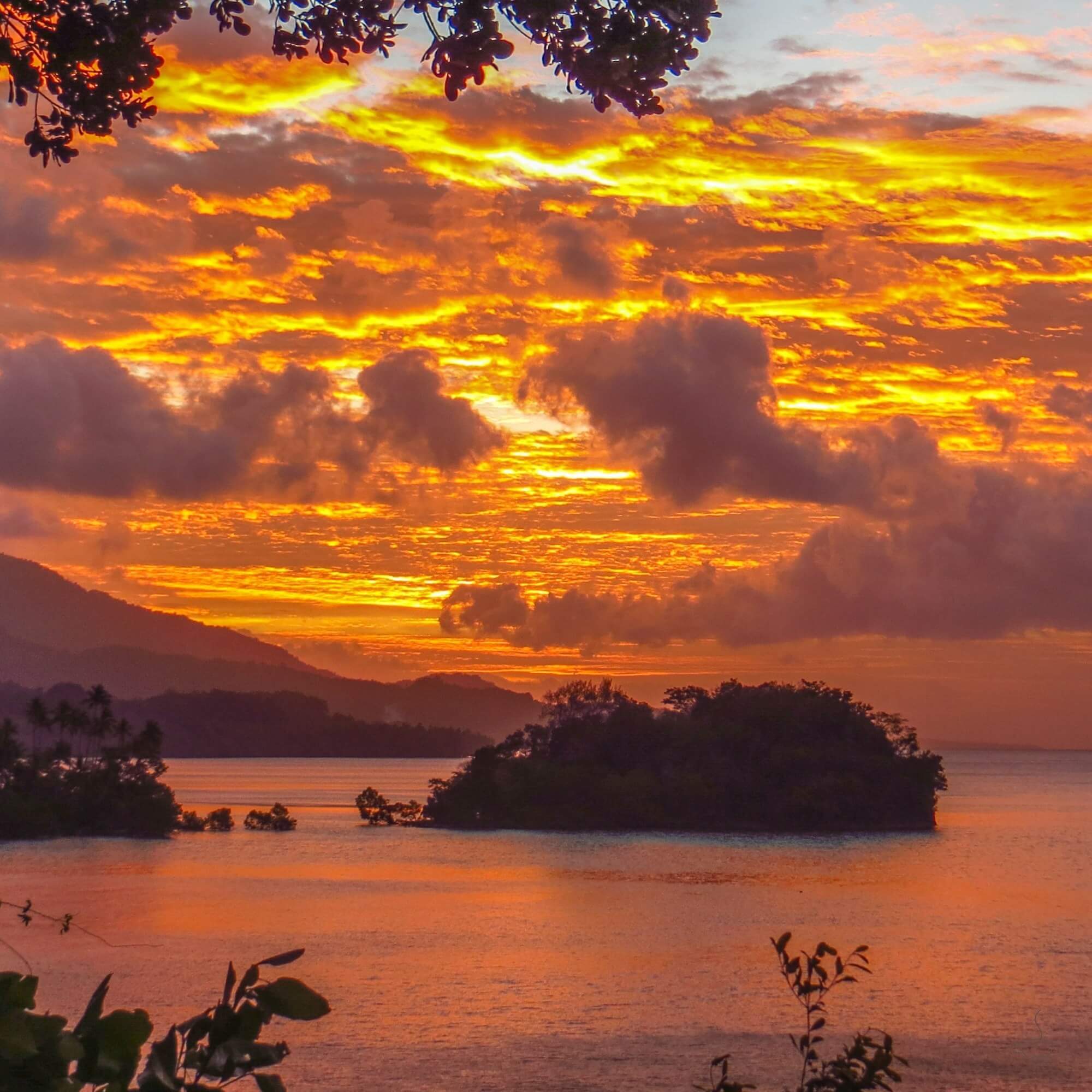
Sunset at Tawali.

Papua New Guinea Origin FAQ

Is PNG coffee wild or inconsistent?
It can be — which is why we only work with mills and groups that invest in selection, clean washed processing and drying infrastructure. Those partners turn PNG’s potential into reliably high-performing lots.
What flavors should I expect from your PNG selections?
Expect citrus and stone fruit, floral aromatics, honeyed sweetness and cocoa or caramel undercurrent, usually with medium-full body and a clean finish — not murky or phenolic.
Where does PNG fit in your lineup?
PNG bridges bright and classic: expressive enough for single-origin features, balanced enough to play a supporting role in blends that need lift without losing sweetness and structure.