Nicaragua Coffee Origins — Volcanic Sweetness & Elegant Calm

Nicaragua’s volcanic ranges and high, misty valleys produce quietly expressive coffees: honeyed sweetness, cocoa and almond, soft fruit and florals. When sourcing is intentional, it becomes a graceful bridge between comfort and complexity.
Honey & Brown Sugar Cocoa & Almond Stone Fruit & Citrus Silky Body Volcanic Terroir
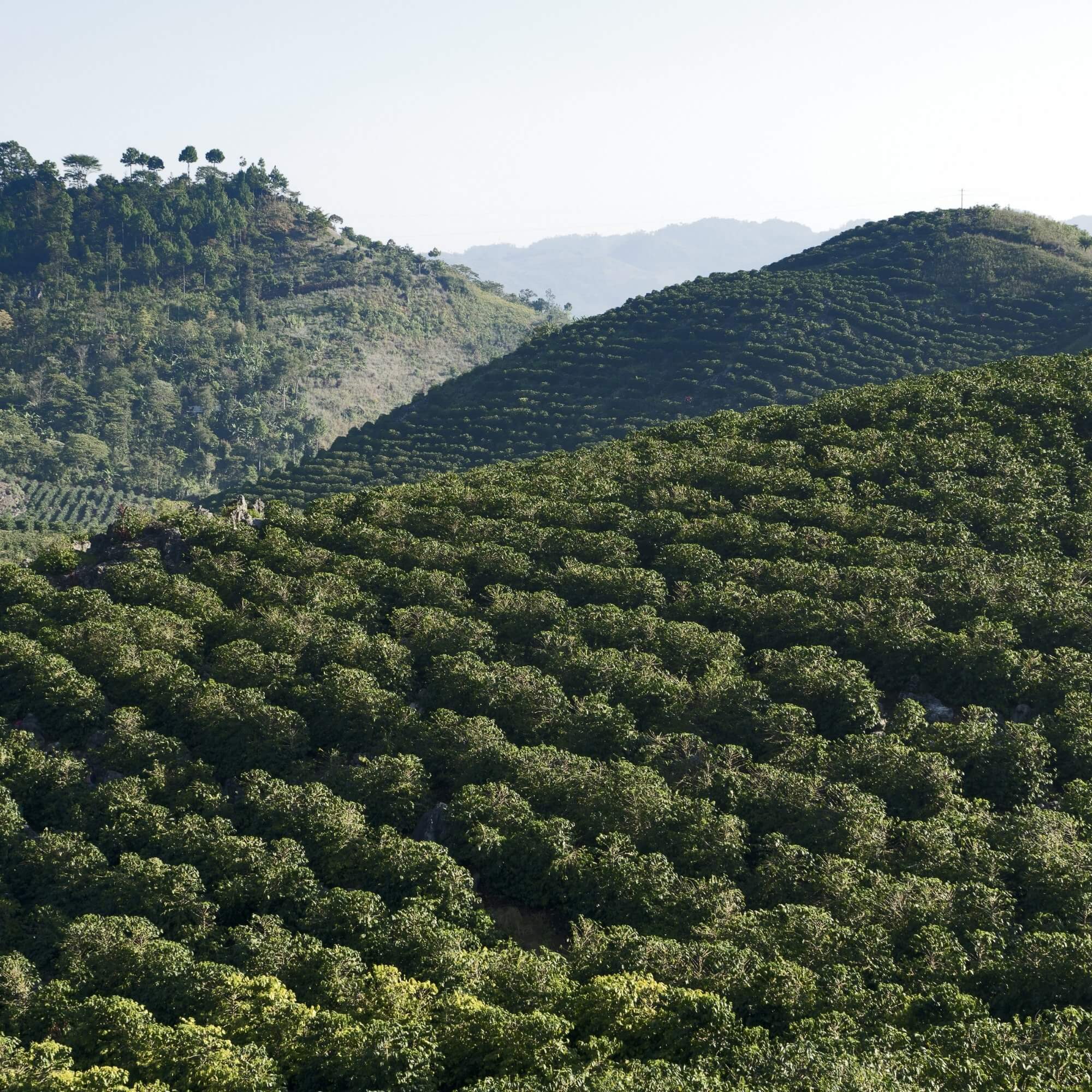
Nicaraguan coffee farm on green volcanic slopes
Volcanic soils, high altitudes, and canopy-shaded farms from Matagalpa to Nueva Segovia underpin Nicaragua’s specialty profile.

Nicaragua at a Glance

Altitude
1,000–1,700+ m in key ranges
Varieties
Bourbon · Caturra · Catuaí · Pacamara · Maracaturra · Typica
Processing
Washed focus; select Honey & Natural for projects
Harvest Window
Approx. Dec–Apr (region & elevation dependent)
Producer Structure
Smallholders, estates, co-ops; strong specialty & project lots
Flavor Spectrum
Cocoa · Almond · Honey · Stone Fruit · Florals (Pacamaras)

Key Coffee Regions of Nicaragua

Nicaragua’s best coffees come from its northern volcanic corridors and forested highlands, where altitude, shade, and slower cherry development support sweetness, structure, and nuance.

Matagalpa

Historic coffee heartland with lush slopes and mixed farm sizes.

  • Altitude: ~1,000–1,400 m
  • Profile: Cocoa, nut, caramel, gentle fruit; classic comfort base.

Jinotega

Cooler microclimates and higher elevations yield denser, more nuanced cups.

  • Altitude: ~1,100–1,600 m
  • Profile: Honey sweetness, cocoa, soft citrus/stone fruit; balanced and versatile.

Nueva Segovia

Border region near Honduras, home to standout Pacamaras and micro-lots.

  • Altitude: ~1,200–1,700+ m
  • Profile: Florals, stone fruit, layered sweetness; competition-caliber potential.

Madriz, Estelí & Other Highlands

Emerging pockets where elevation, varieties and improving infrastructure intersect.

  • Altitude: ~1,100–1,600 m
  • Profile: Sweet, clean, gently fruity; project-dependent clarity.
Learn more about Nicaragua’s terroir, varieties & why it tastes this way

Volcanic soils, abundant shade, and relatively stable elevations define Nicaragua’s coffee belt. In Matagalpa and Jinotega, moderate temperatures and slower cherry development support honeyed sweetness, cocoa, and rounded acidity — ideal for approachable but elevated profiles.

In Nueva Segovia and select high valleys, Pacamara, Maracaturra, and well-managed Bourbons can push into floral, stone-fruit, and layered complexity. When wet mills control fermentation and invest in clean drying, the resulting lots feel poised and modern rather than rustic.

At Coo Coo’s Coffee, we lean into Nicaragua when a coffee needs to feel calm but competent: structured enough for single-origin placement, gentle enough to invite guests deeper into the menu without shocking their palate.

Processing & How We Use Nicaragua in the Lineup

People, Landscape & Coffee Culture

Nicaragua’s coffee is grown by families and estates across misty hillsides, often with strong environmental stewardship and community roots. We are interested in partners who match that narrative with proof: traceability, agronomic support, and drying infrastructure that protects the work of each harvest. The result is a cup that quietly communicates competence — from farm to roastery to bar.

Nicaragua in Pictures

Use imagery that feels grounded: volcanic silhouettes, shade-grown farms, drying patios, and daily life in highland towns.
Volcano rising above green Nicaraguan countryside
Volcanic backdrops — the quiet engine behind fertile coffee soils.
Shade-grown coffee farm in Nicaragua
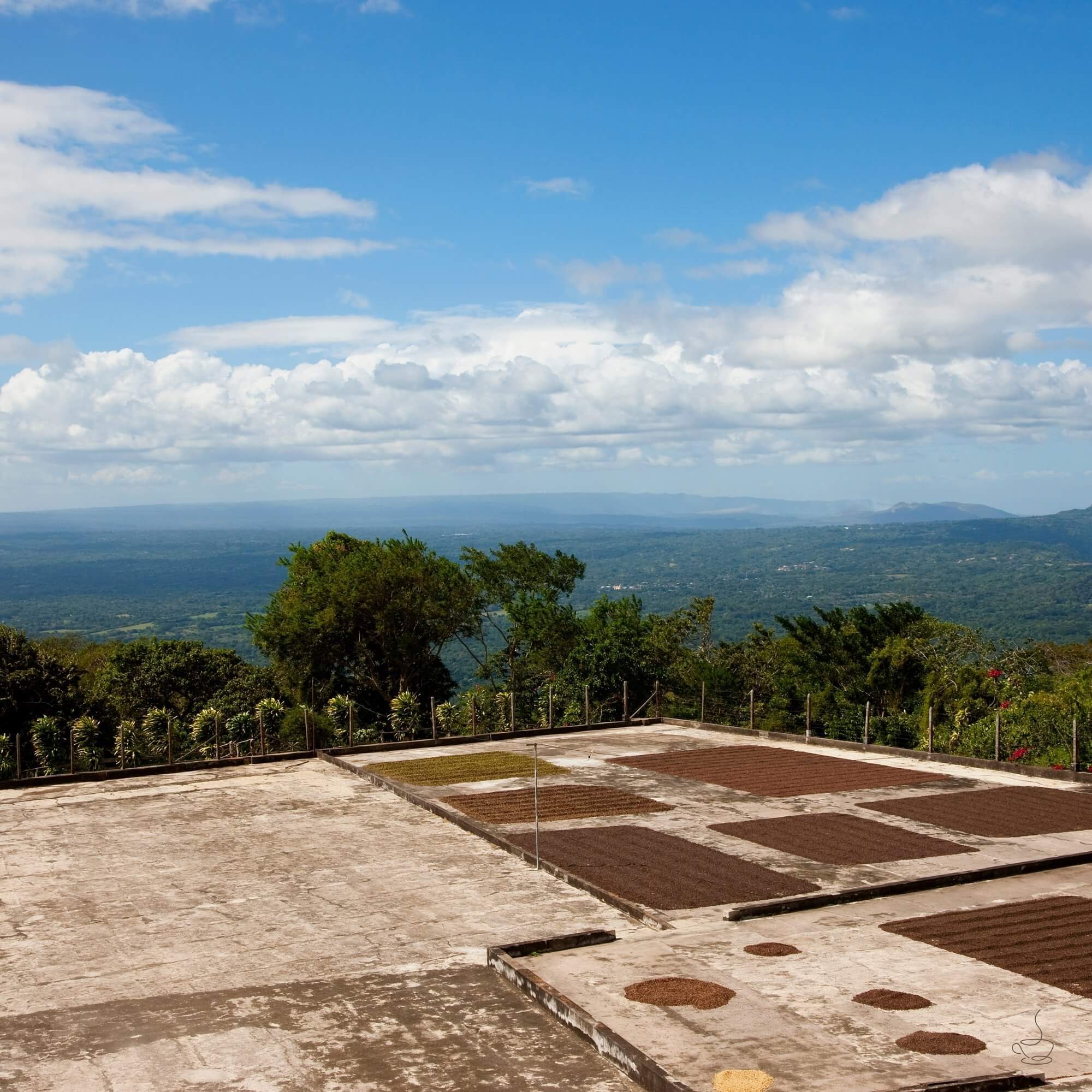
Coffee drying on beds
Colorful colonial street in a Nicaraguan town
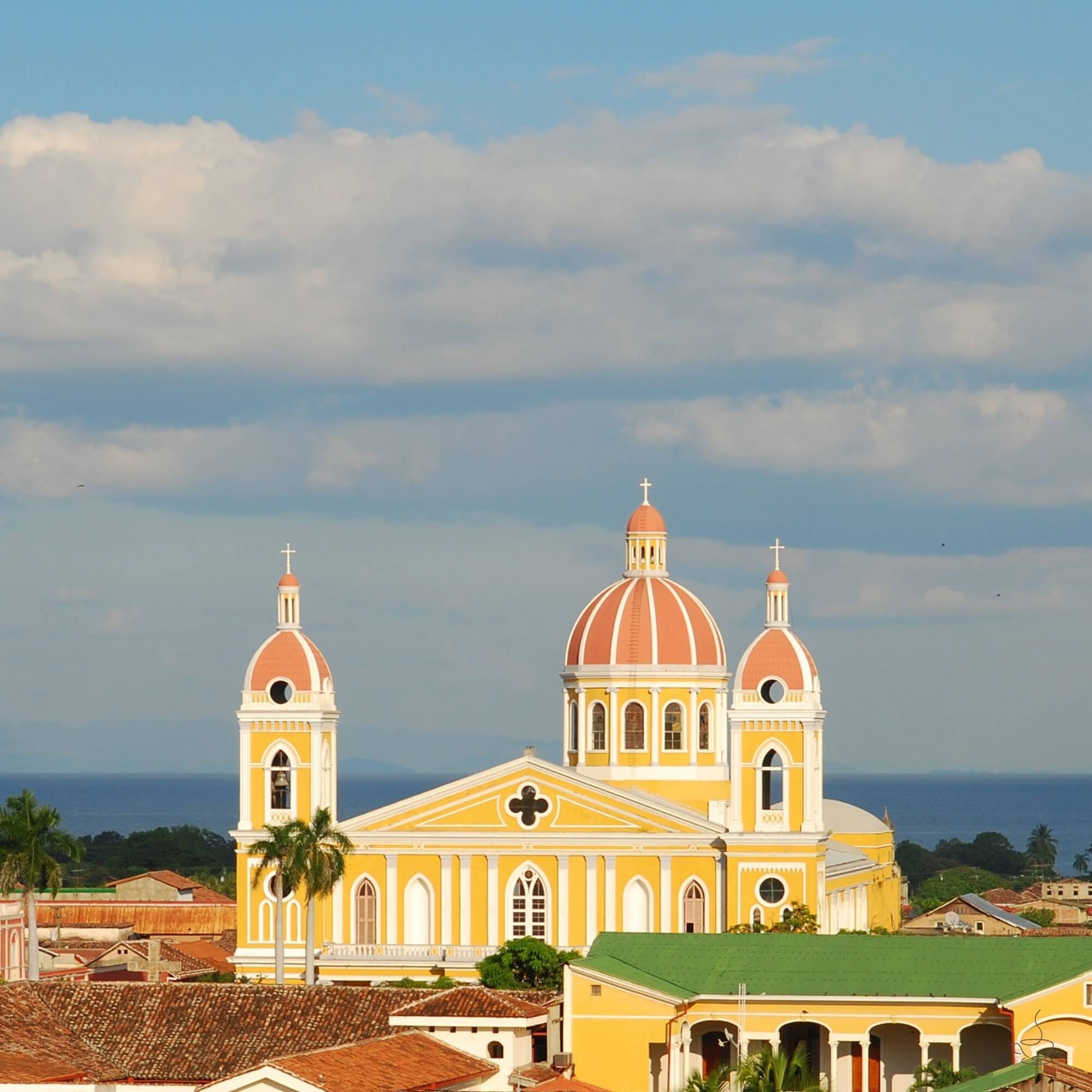
Granada and Lake Nicaragua
Rows of coffee trees along Nicaraguan hillside
Granada
Coffee drying on patios or raised beds in Nicaragua
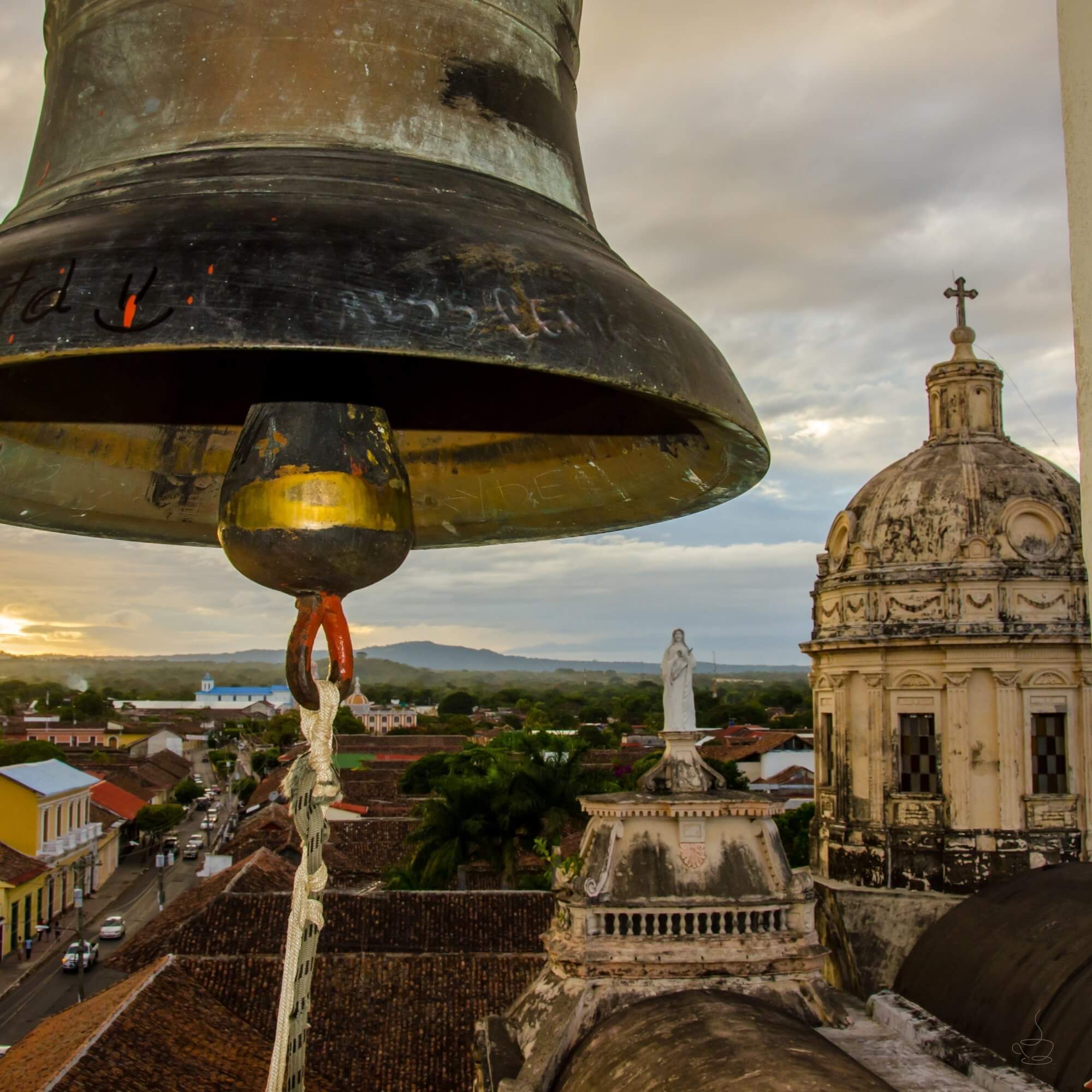
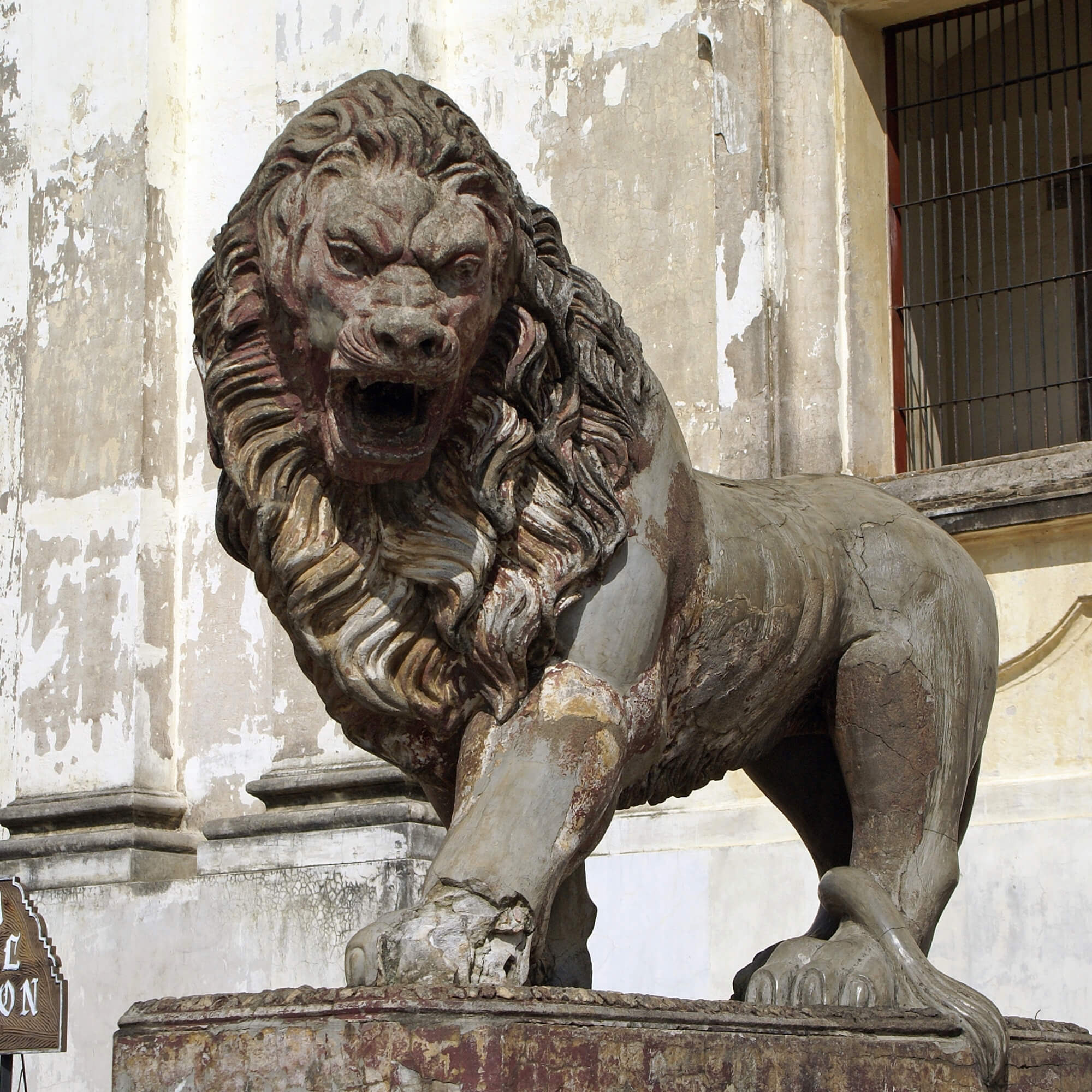
Leon Cathedral
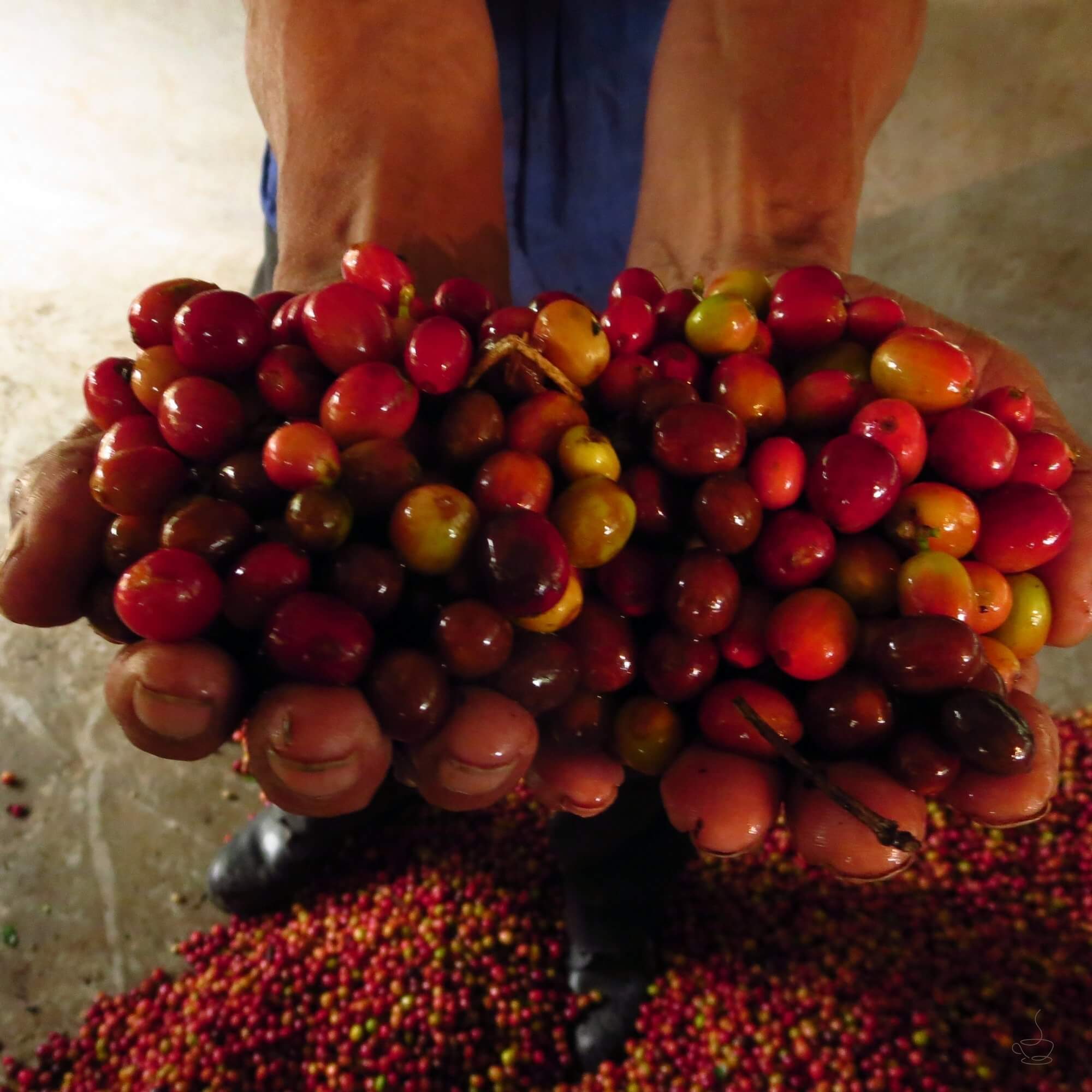
Nicaraguan coffee producer holding ripe cherries
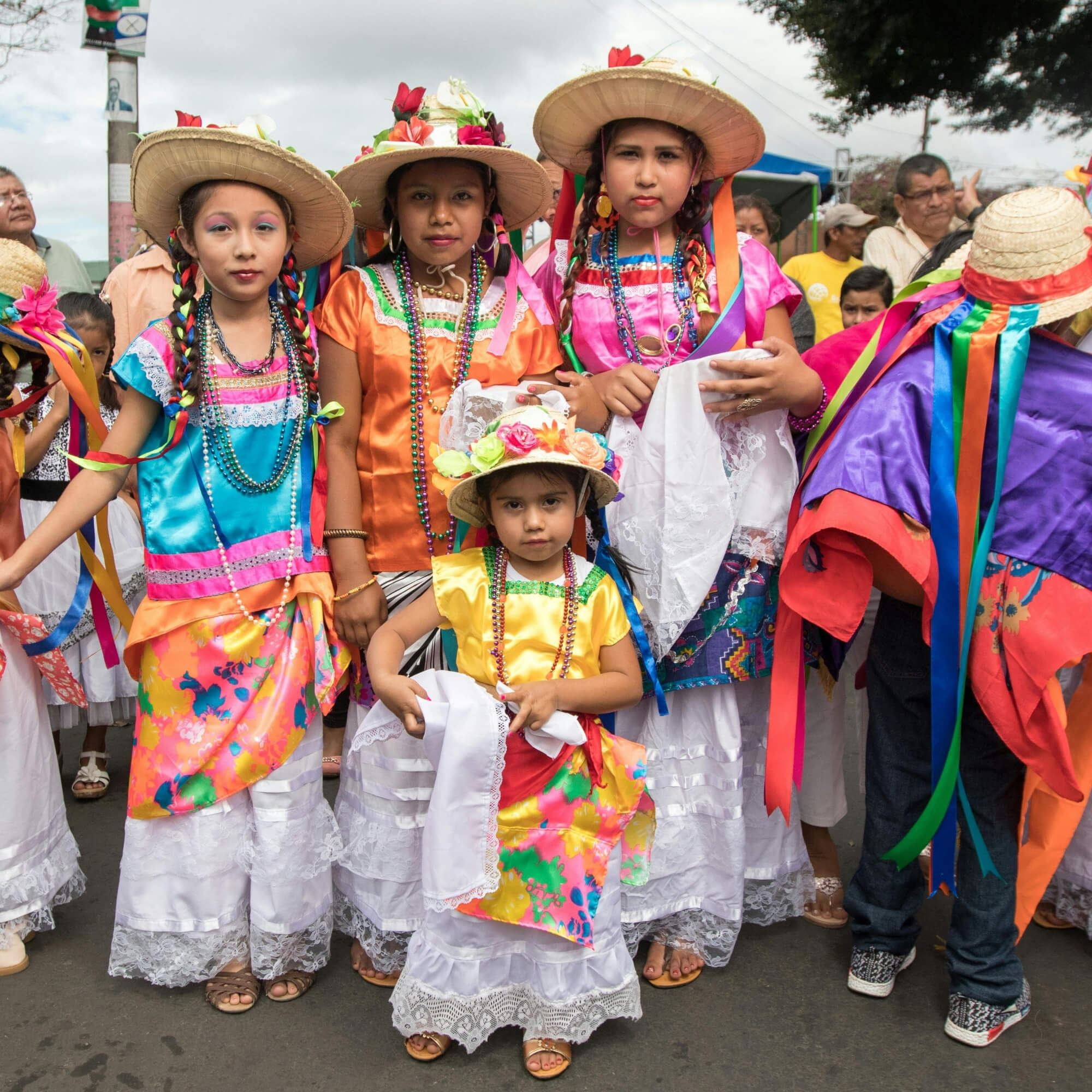
Traditional costume parade
Large Pacamara coffee cherries and leaves
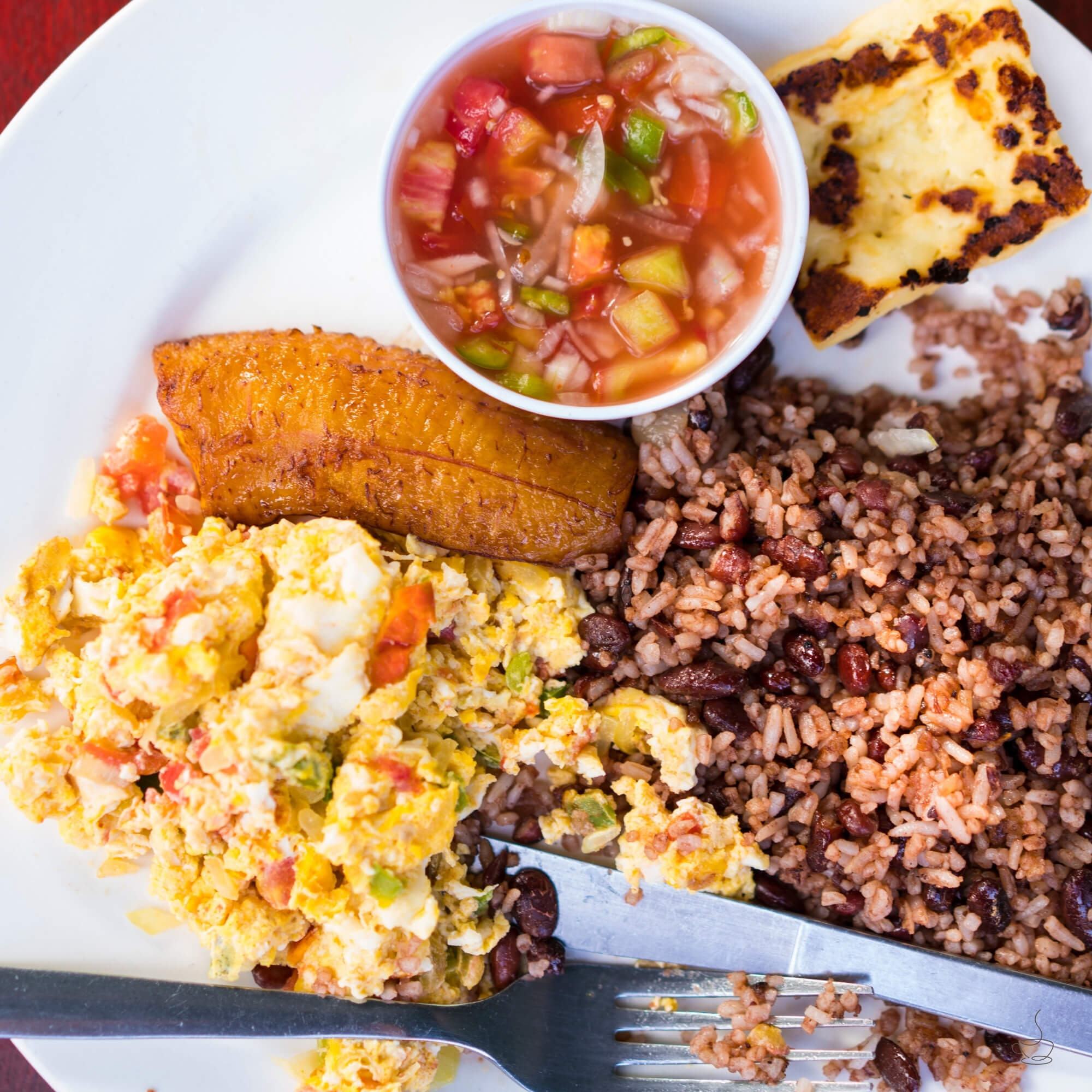
Gallo Pinto Dish
Cupping table evaluating Nicaraguan coffees
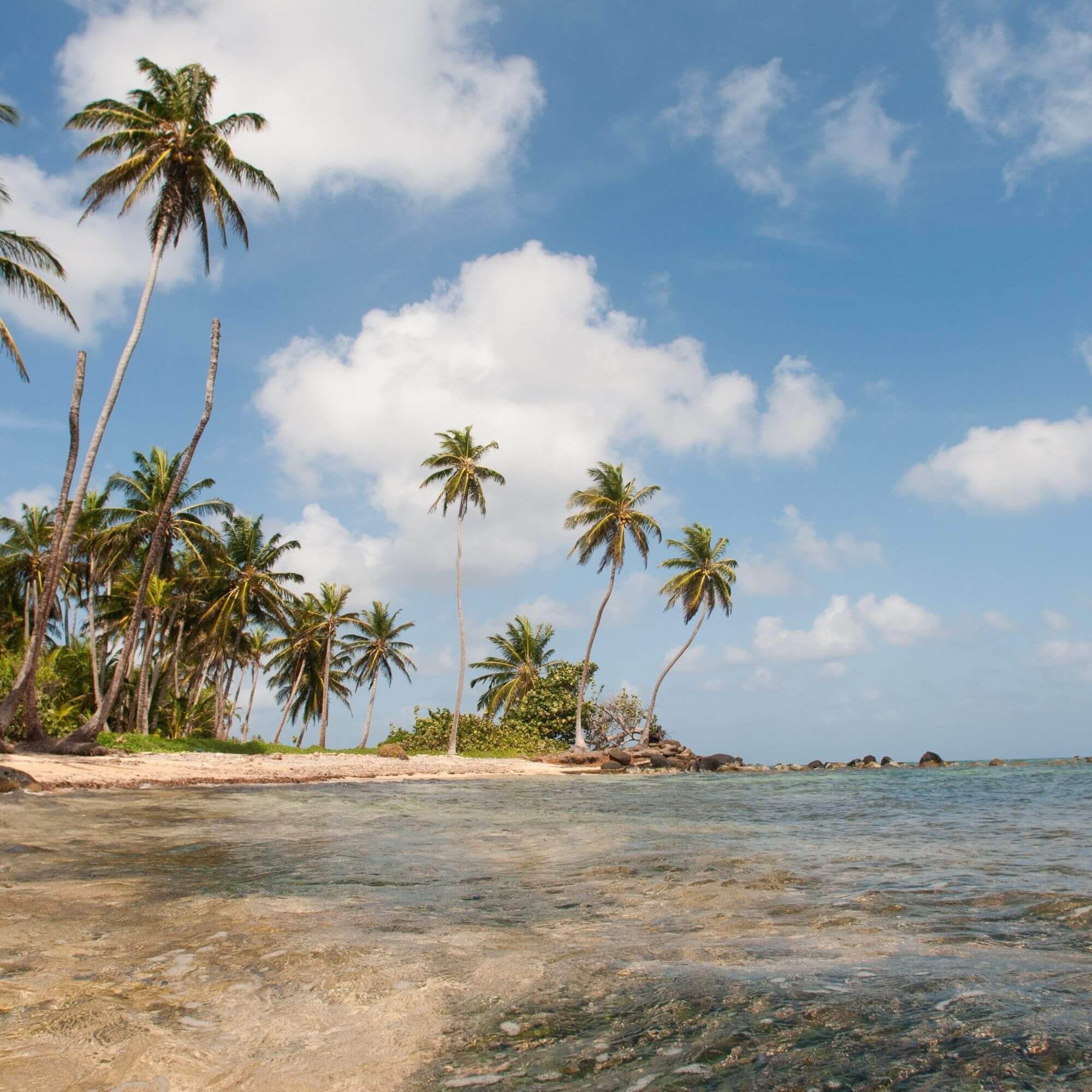
Corn Islands.
Peaceful Nicaraguan lake and hills at dusk
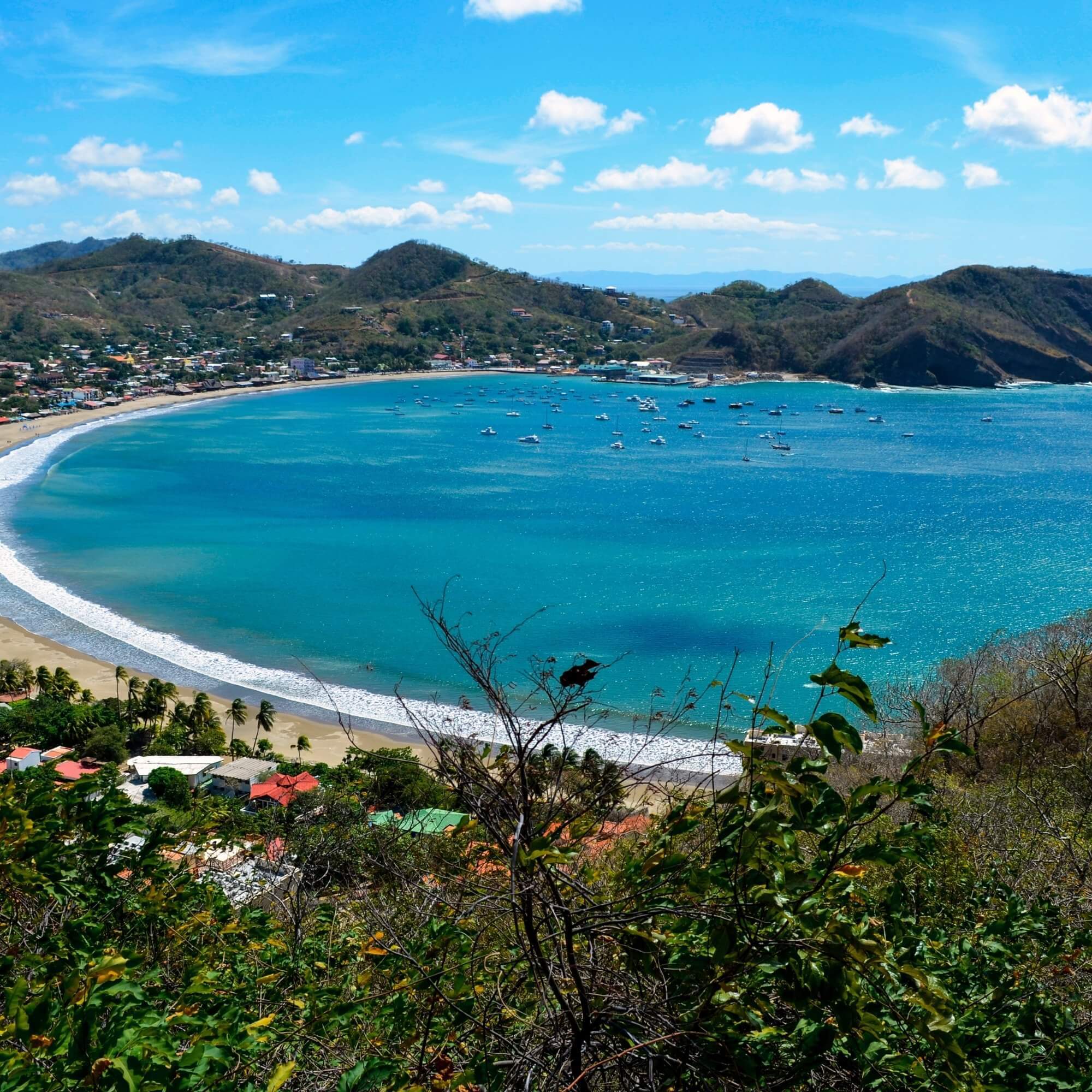
San Juan Del Sur.

Nicaragua Origin FAQ

What flavor profile do you target from Nicaragua?
We look for honeyed sweetness, cocoa and almond, and gentle stone fruit or citrus. The best lots feel composed: clean, calm, and easy to drink without being boring.
Is Nicaragua mainly for blends or single origin?
Both. Regional washed lots make excellent blend components and house coffees. Higher-elevation and Pacamara/Maracaturra lots from areas like Nueva Segovia can stand alone as expressive single origins.
How does Coo Coo’s Coffee choose Nicaraguan partners?
We prioritize estates, co-ops, and exporters that can demonstrate selective picking, documented processing, secure drying and storage, and traceability — so each Nicaragua lot aligns with our quality floor and storytelling.