Nyeri
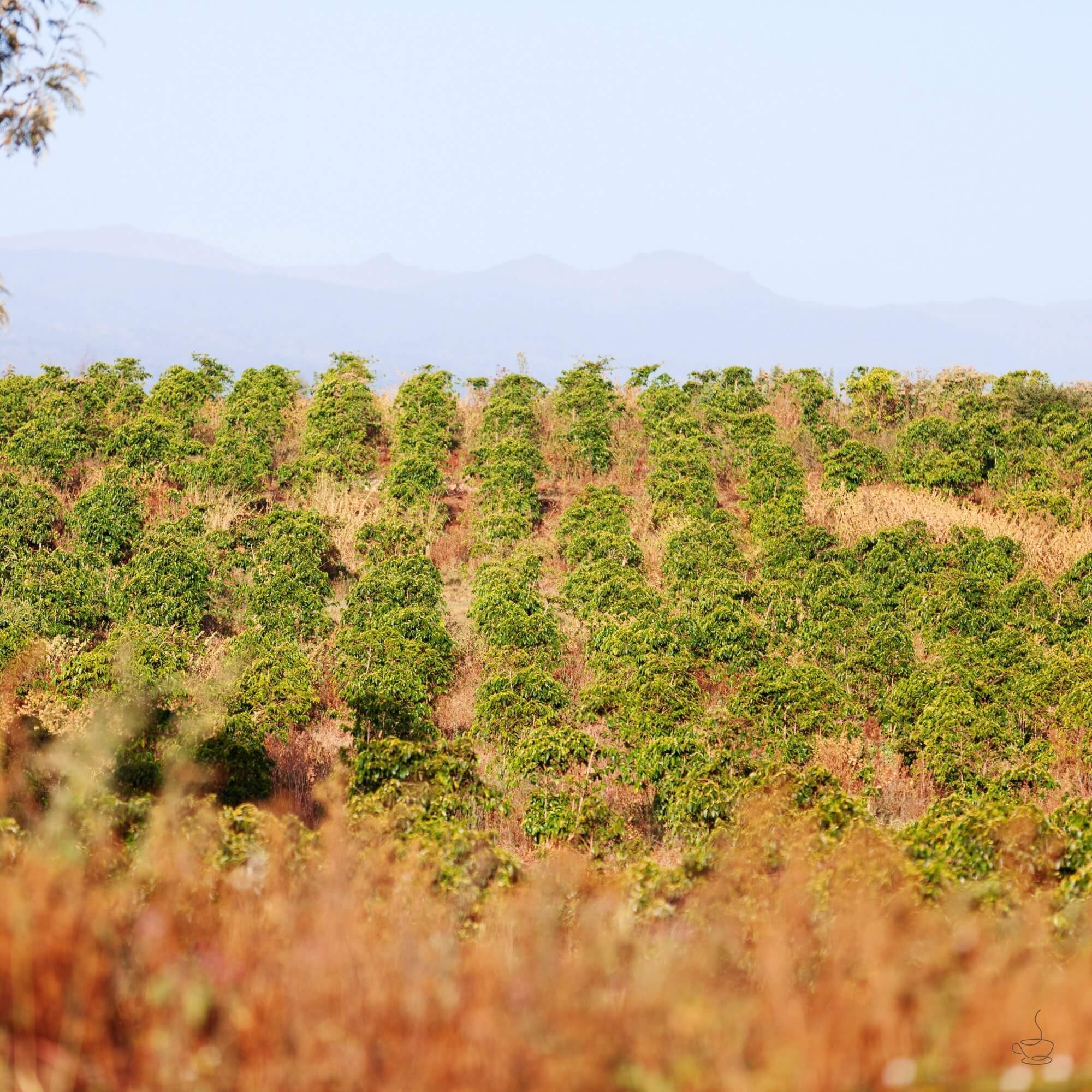
Steep highland slopes with dense, slow-maturing cherries.
- Profile: Blackcurrant, blackberry, citrus, deep sweetness.
- Role: Benchmark washed Kenya; anchor for top-tier features.
Kenya is where acidity becomes architecture: high-altitude volcanic slopes, meticulous washed processing, and farmer organizations that deliver some of the most defined cups on the table. This page shows how we read, select, and roast Kenyan coffees with intent.

Kenya is defined by elevation, volcanic soils, and cooperative systems. These regional snapshots keep it guest-friendly while signaling you know exactly what you’re buying.
Steep highland slopes with dense, slow-maturing cherries.
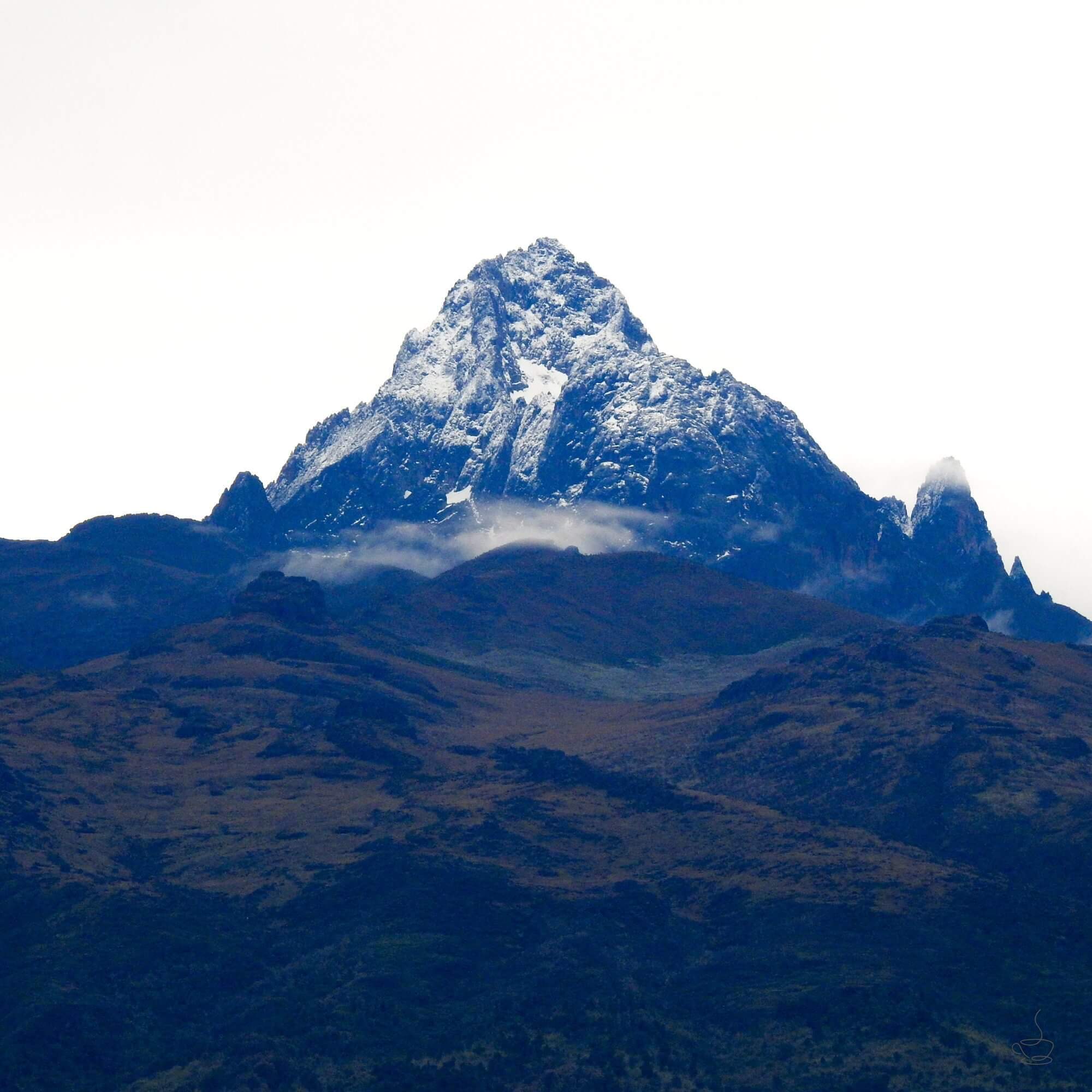
Volcanic foothills of Mt. Kenya, tightly run factories.
High plateaus and co-ops producing quietly excellent profiles.
Historic estates and co-ops closer to Nairobi.
Kenya’s intensity is by design. High altitudes (often 1,600–2,000+ m), cool nights, and rich volcanic soils slow cherry development, concentrating sugars and acids. Classic varieties like SL28 and SL34, selected for quality rather than yield, still drive many of the best profiles.
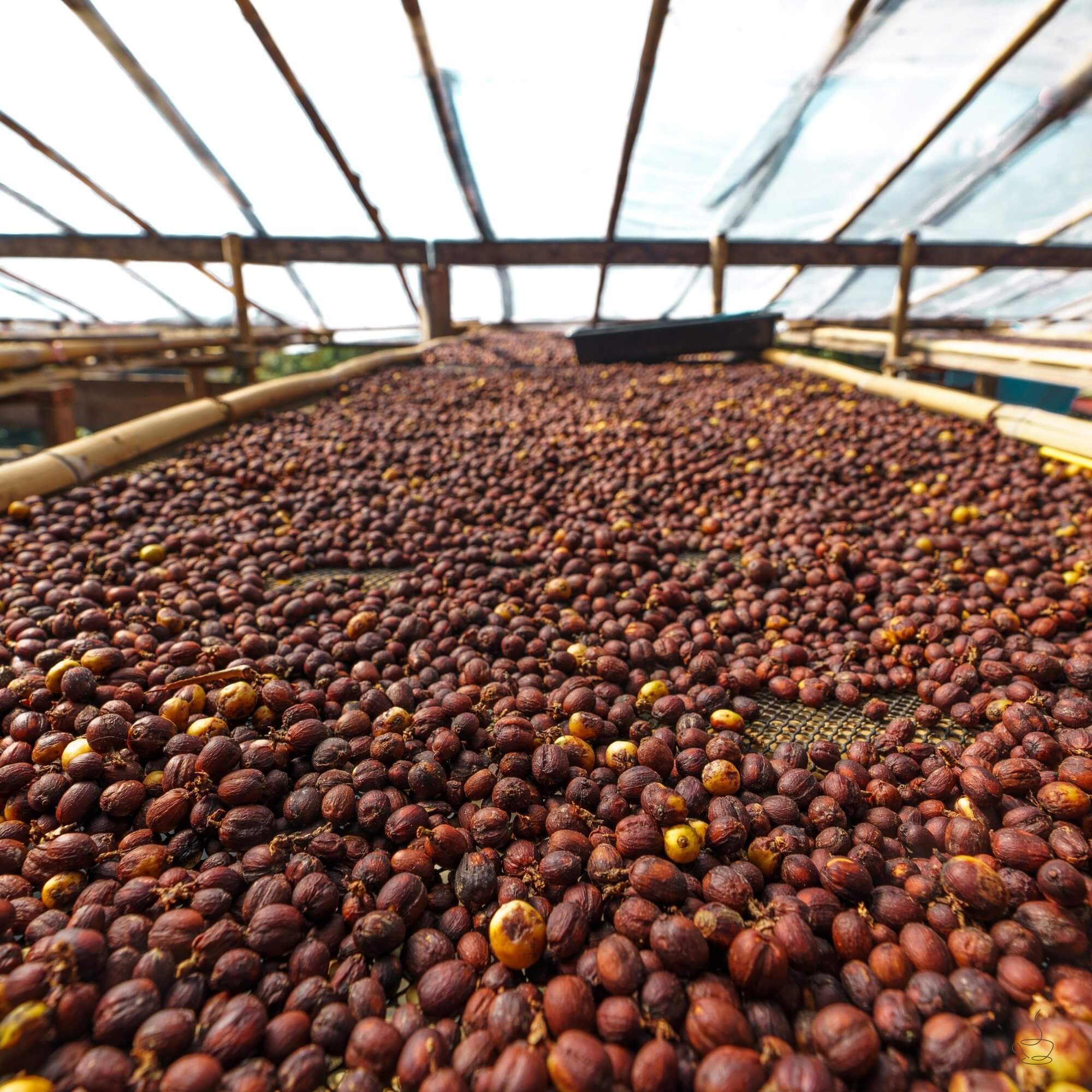
Most top coffees pass through organized factories (washing stations) and co-ops: floated cherry separation, controlled fermentation, thorough washing, and soaking before raised-bed drying. Grading systems (AA, AB, PB, etc.) sort by size and density, giving roasters predictable behavior and extraction.
At Coo Coo’s Coffee, we look past the letter grade and cup for structure: ripe acidity, blackcurrant and citrus clarity, deep sweetness, and zero rough phenolics. Each selected lot is matched to a role — flagship filter, vibrant blend component, or feature espresso — and roasted to showcase snap, sweetness, and longevity.
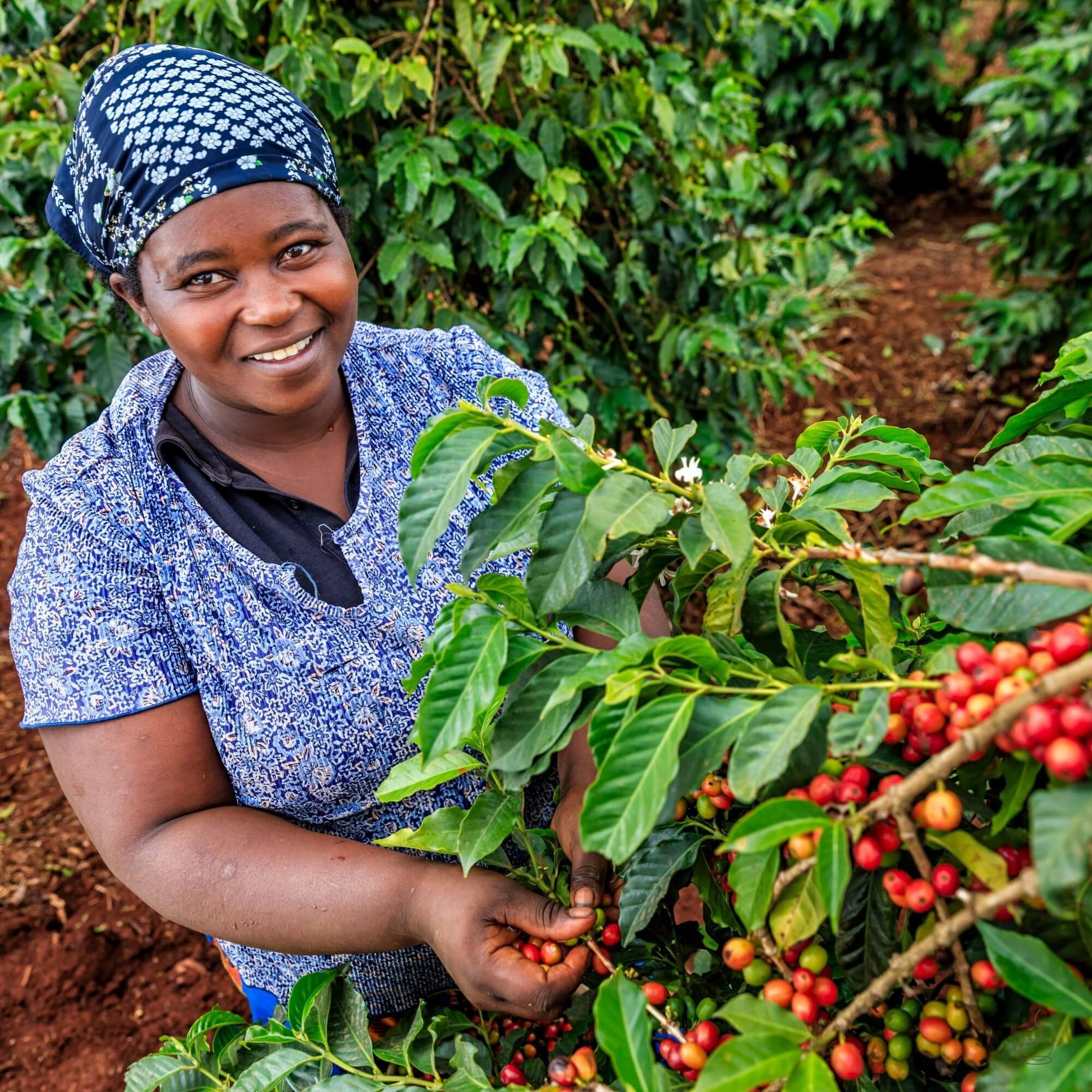
Kenyan coffee is built by organized smallholder groups and estates who navigate complex markets and rising costs. Our role is to select lots that reward that work: paying for quality, being transparent about where coffees come from, and communicating why these cups taste so distinctive instead of hiding behind grading jargon.
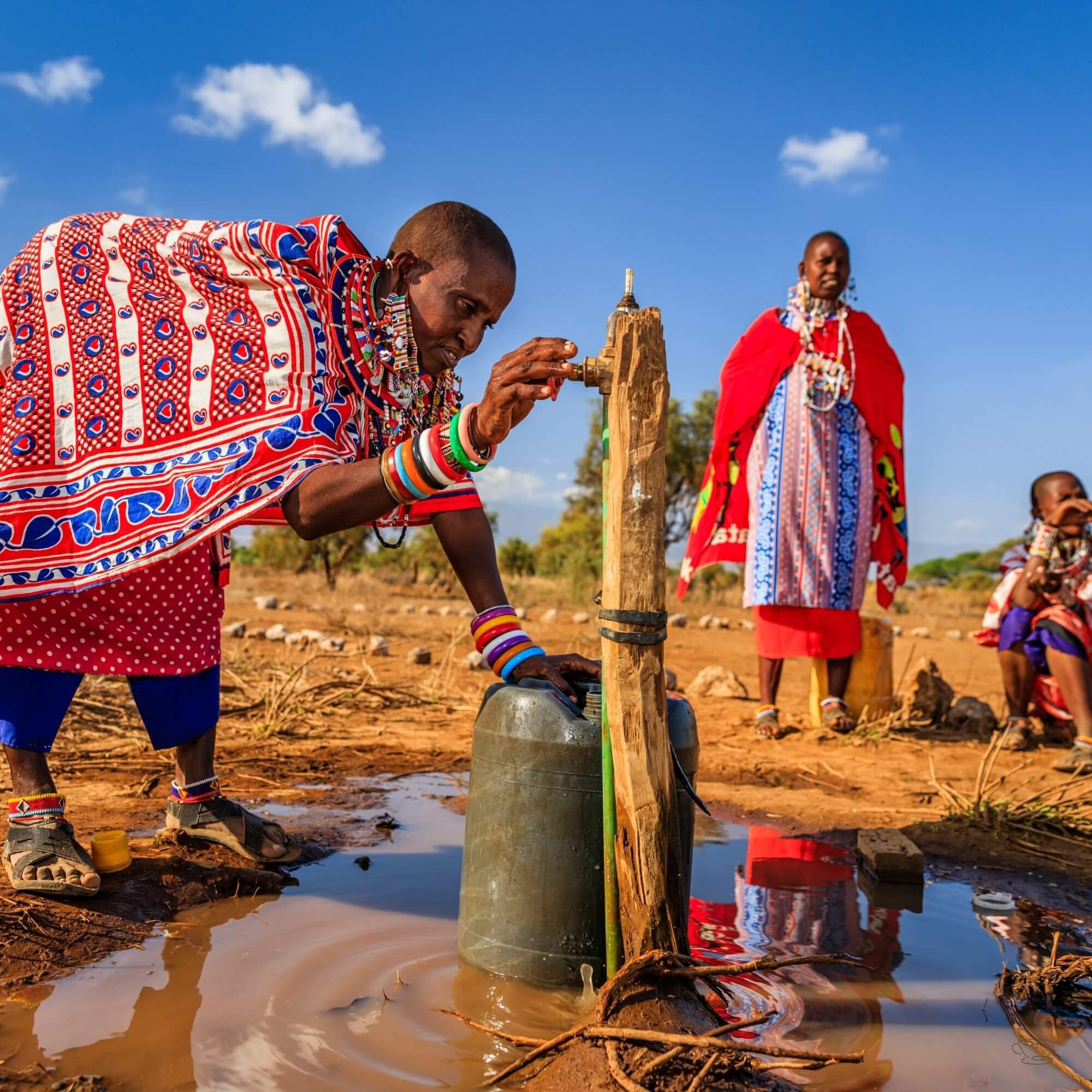
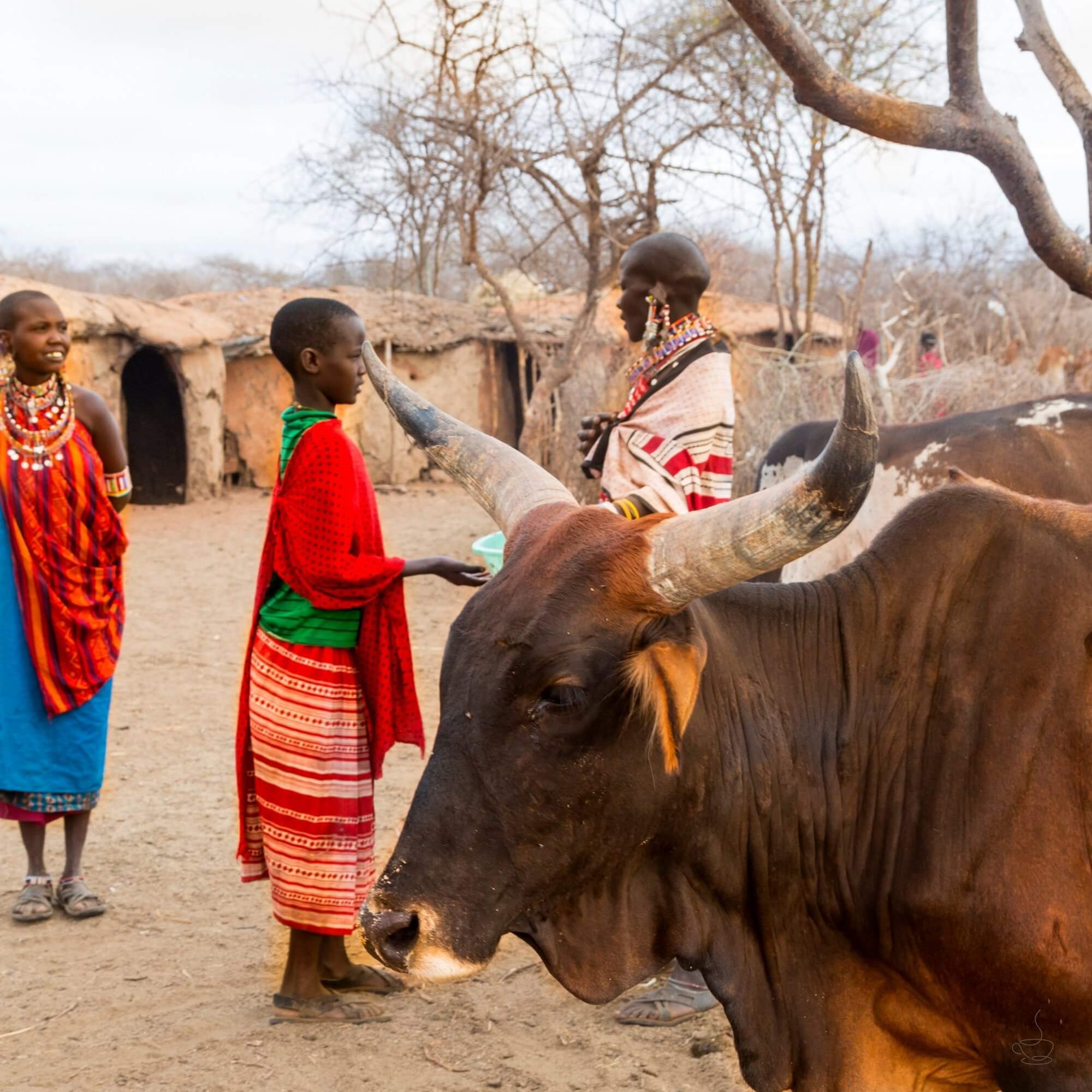
Use imagery that connects crisp, fruit-forward cups to real places: red soils, green slopes, washing stations, and daily life.


Last updated: November 8, 2025