Java Coffee Origins — Historic Estates, Volcanic Slopes & Modern Balance

Java carries centuries of coffee history — from colonial estates to today’s smallholder and experimental lots. At its best, it delivers structured sweetness, cocoa and spice, gentle acidity, and a polished profile that plays beautifully in blends and as an elegant single origin.
Cocoa & Baking Spice Caramel Sweetness Moderate Acidity Herbal & Cedar Hints Clean Structure Blend-Friendly
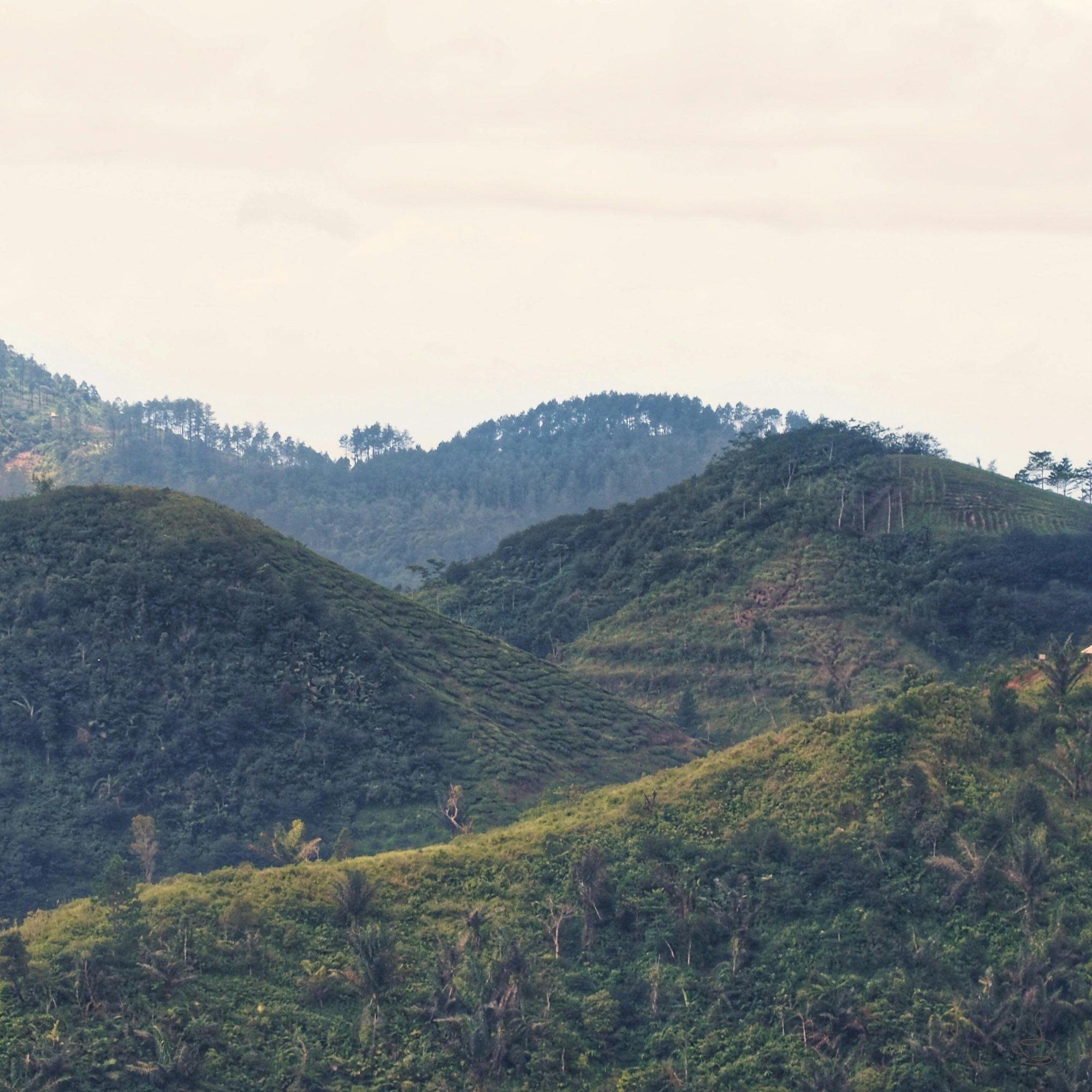
Java coffee estates on volcanic slopes with morning light
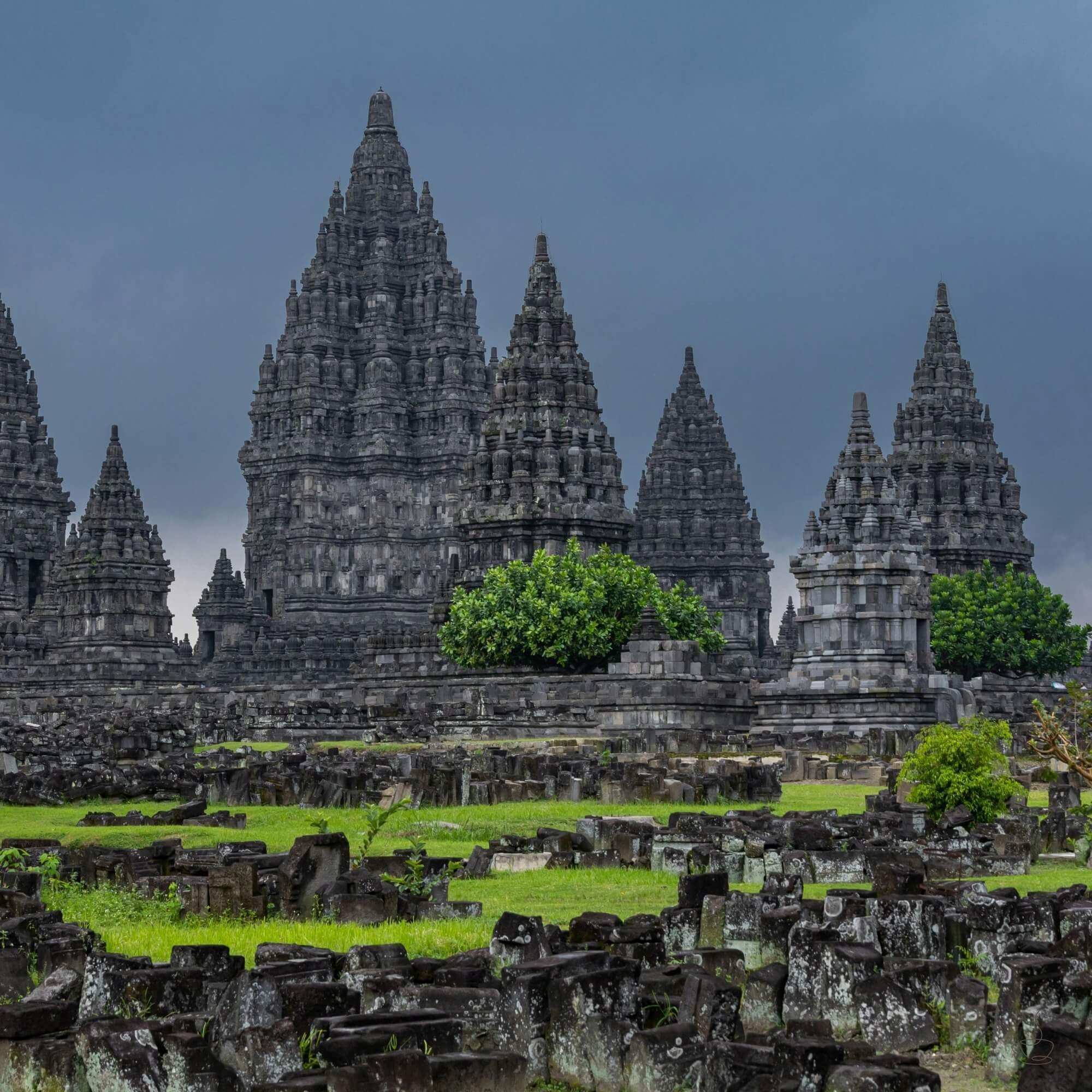
Volcanic plateaus, historic estates, and highland smallholders shaping Java’s evolving cup profile. Majestic prambanan temple complex

Java at a Glance

Key Growing Areas
East Java (Ijen Plateau, Bondowoso) · West Java highlands · Central Java projects
Altitude Range
~900–1,600 m (Arabica)
Processing Styles
Fully Washed · Wet-Hulled (select areas) · Honey & Natural (micro-lots)
Varieties
Typica-lineage, USDA/Java, Kartika, S-795, Catimor-types
Harvest Window
Roughly May – October (zone dependent)
Flavor Spectrum
Cocoa · Caramel · Sweet Spice · Herbal & Woody Nuance · Measured Brightness

Key Coffee Regions of Java

Java is more than a name on a diner mug. It’s a mix of legacy estates and newer highland projects, each offering different tools for your menu — from restrained, classic cups to more expressive modern lots.

Ijen Plateau & East Java Estates

Historic government and private estates on volcanic soils with defined washed protocols.

  • Profile: Cocoa, mild spice, cedar, balanced body.
  • Role: Clean, classic Java for approachable single origins and blends.

West Java Highlands

Smaller producers and cooperative projects at higher elevations with cooler nights.

  • Profile: Caramel, sweet citrus, florals, more lift.
  • Role: Specialty-focused lots for features and filters.

Central Java & Experimental Zones

Emerging microlot regions pushing honey, natural and controlled fermentations.

  • Profile: Fruit, florals, layered sweetness with Java’s grounding character.
  • Role: Limited releases that broaden what guests expect from Java.

Legacy “Java” Names

Trade-name Javas can be diffuse. We favor offerings with documented origin within the island.

  • Profile: Clean, composed, never muddy.
  • Role: Only used when provenance and quality are clear.
Learn more about Java’s terroir, history & what shapes the cup

Java is one of the oldest organized coffee origins, with estates established on volcanic plateaus that offer rich soils, defined seasons and access to processing infrastructure. Those estates — and newer cooperative projects — give us altitude, consistent rainfall patterns, and the ability to run disciplined washed and experimental processes.

At mid-to-high elevations, slower cherry development and cooler nights support denser beans and more articulated structure than many “generic Indonesia” lots. When wet-hulling is used, it can add body and rustic warmth; when fully washed or carefully fermented, Java leans toward cocoa, caramel, subtle spice and gentle citrus or herbal lift.

We look for partners who treat Java’s legacy seriously: selective picking, clean fermentation, measured drying, and transparent supply chains. That’s how “Java” on your bag signals heritage and intention — not just a convenient word for coffee.

Processing & How We Select Java Lots

People, Estates & Everyday Java

Java’s coffee story runs from historic state estates to independent producers rebuilding reputation through quality and traceability. Villages around the highlands depend on coffee alongside tea, spice and fruit. As our sourcing deepens, this section is where we’ll name specific partners, talk about multi-year commitments, and show how those relationships translate into more consistent cups for your bar, café or kitchen.

Java in Pictures

Pair your menu copy with visuals of volcanic slopes, estate rows, smallholder plots and island life to ground “Java” in real places and people.
Coffee on terraced slopes in Java
Highland terraces shaping slower, denser cherry development.
Historic Java coffee estate building
West Java Highlands
Street and café scene in Java
Traditional Wayang performance
Ripe coffee cherries being picked in Java
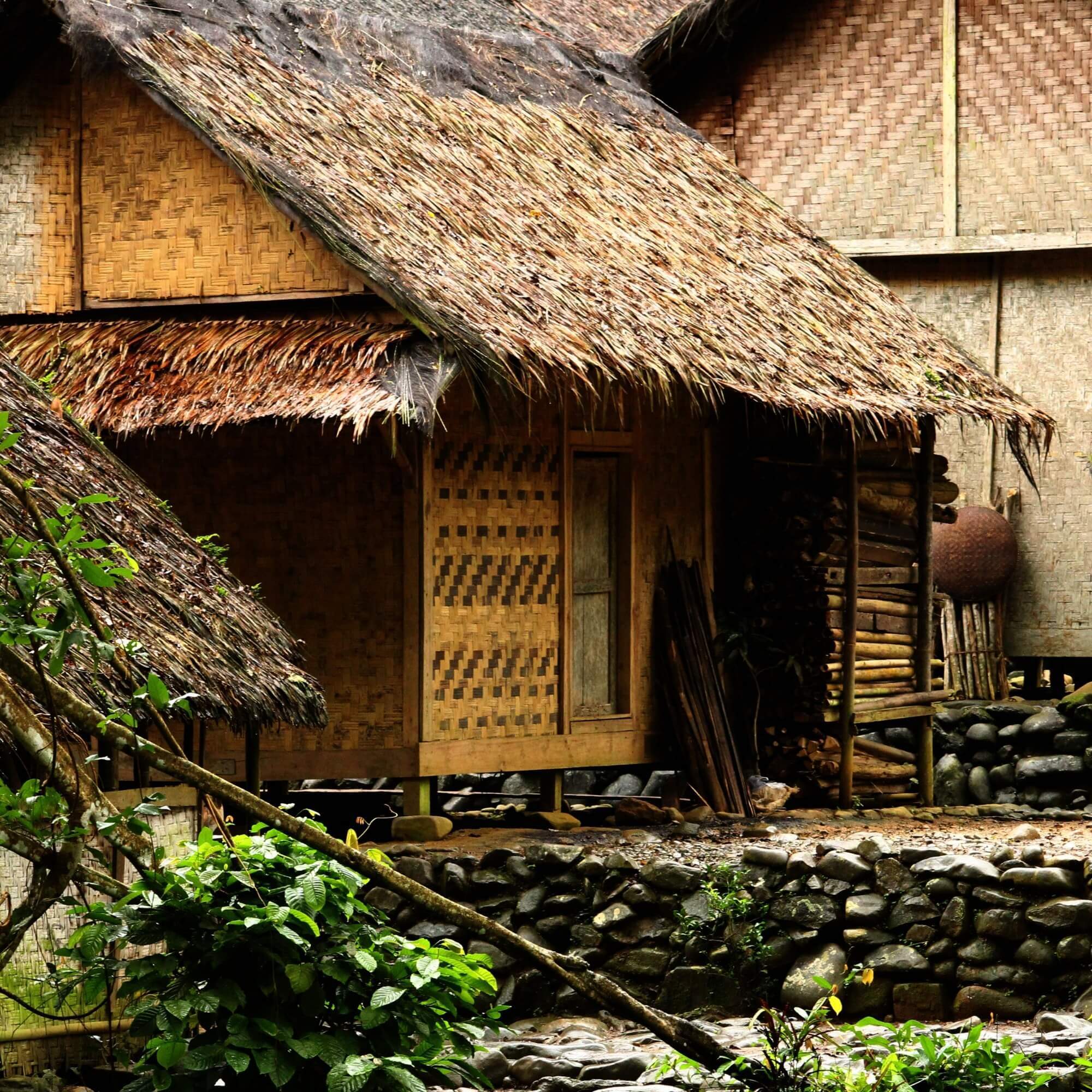
A village of the Baduy tribe in West Java
Java coffee wet mill and fermentation tanks
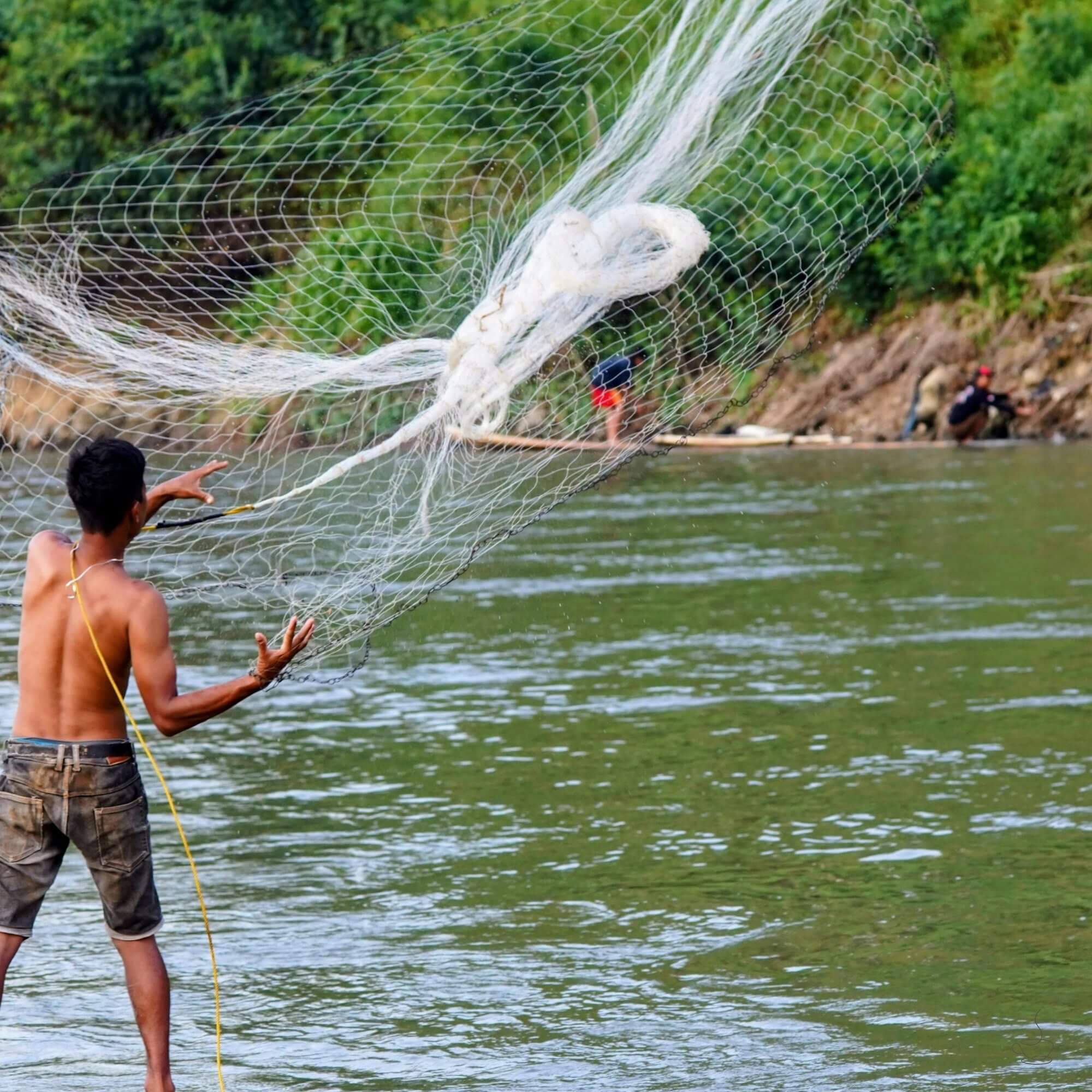
fisherman casting a net in West Java
Raised beds and patios drying coffee in Java
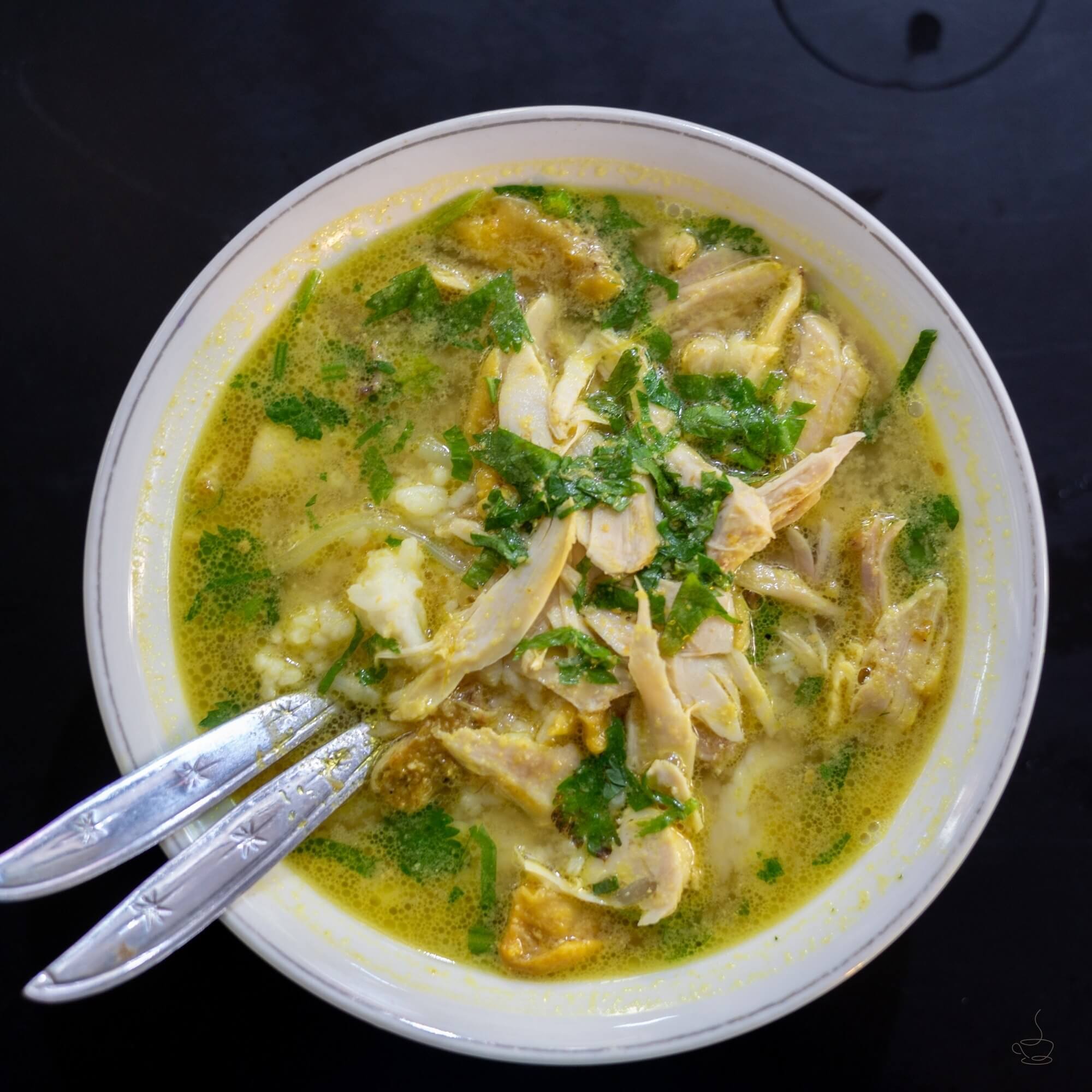
A bowl of Soto Lamongan of East Java
Java coffee producer among coffee trees
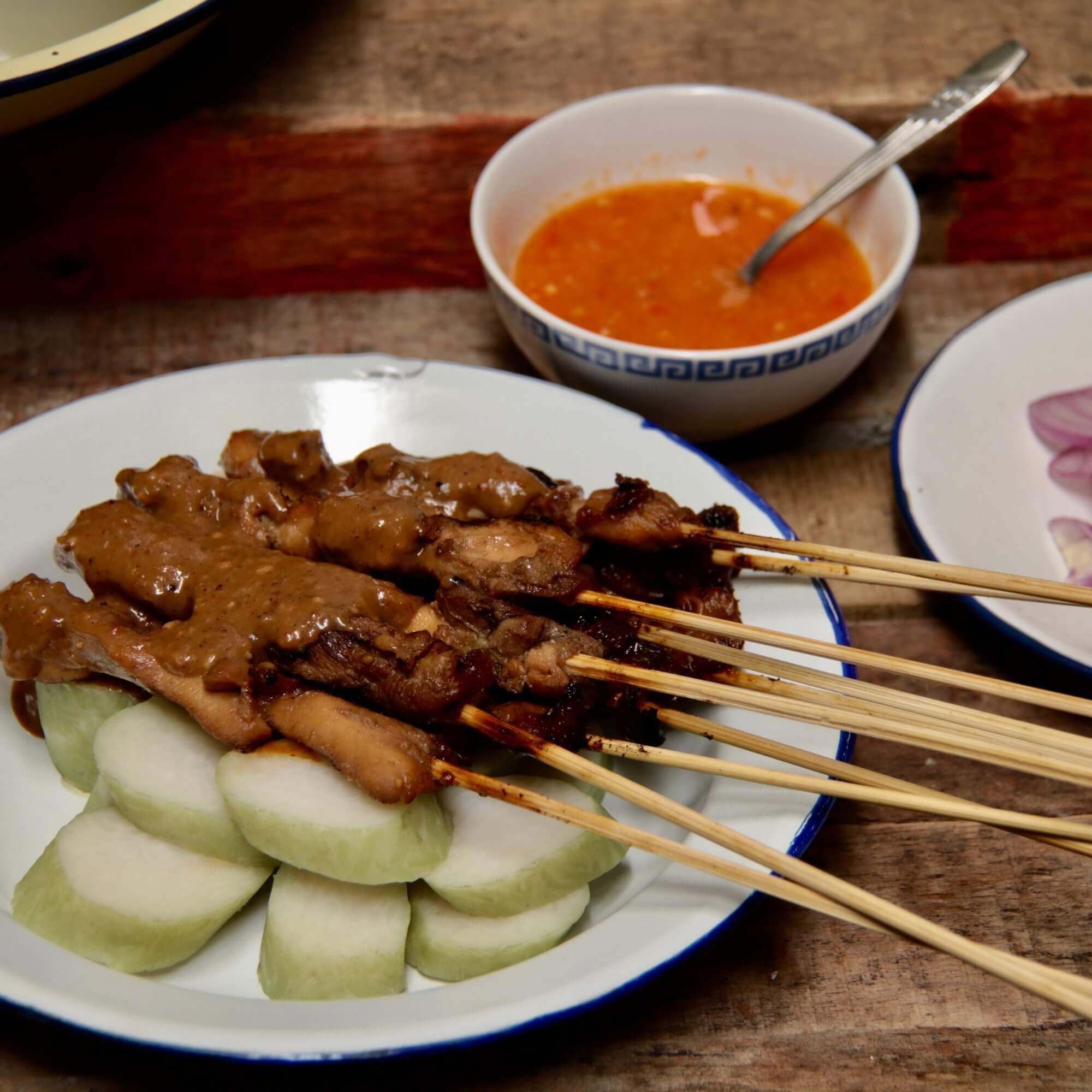
Traditional chicken satay form Ponorogo East Java
Cupping table with Java coffees
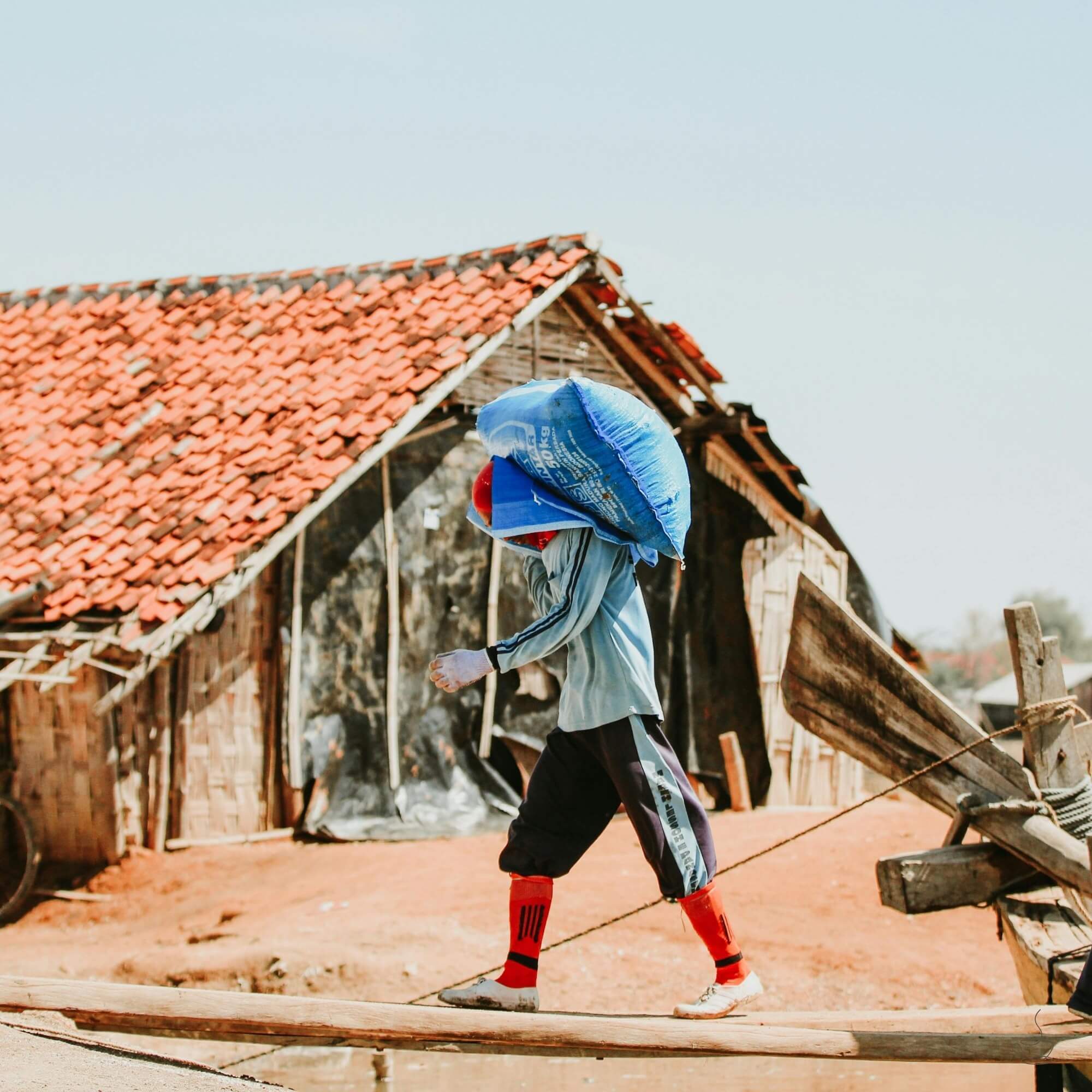
Traditional salt farmers East Java
Espresso shot made with Java coffee
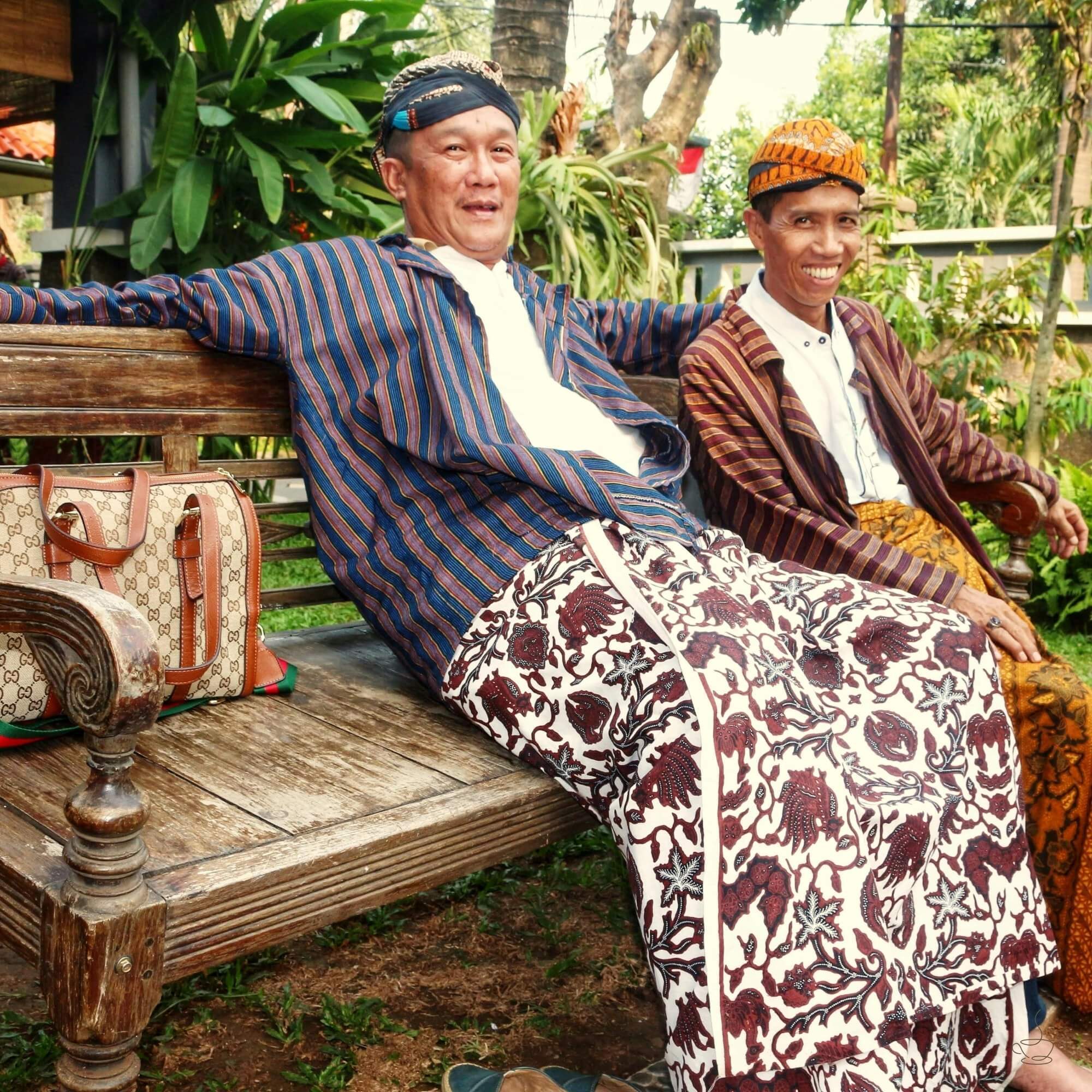
Traditional Sudanese attire in West Java

Java Origin FAQ

Is “Java” just a generic word for coffee?
Historically “Java” comes from coffee grown on the island of Java. We reserve the name for coffees actually sourced from defined regions within Java that meet our quality and traceability standards.
What should I expect from a Java coffee profile?
Look for cocoa, caramel and sweet spice with moderate acidity and a composed, smooth structure. Some lots show subtle herbal or cedar notes; our selections avoid muddy or musty cups.
How does Coo Coo’s Coffee evaluate Java offerings?
We prioritize named estates and transparent projects, cup for cleanliness and balance, verify moisture and physical quality, and design roast curves that highlight Java’s strengths as both a single origin and blend component.