Jamaica Coffee Origins — Blue Mountain Legend, Precision & Poise
Jamaica is synonymous with Blue Mountain — but behind the name are defined growing zones, strict regulations,
and careful washed processing that create poised, sweet, tea-like coffees when done right.
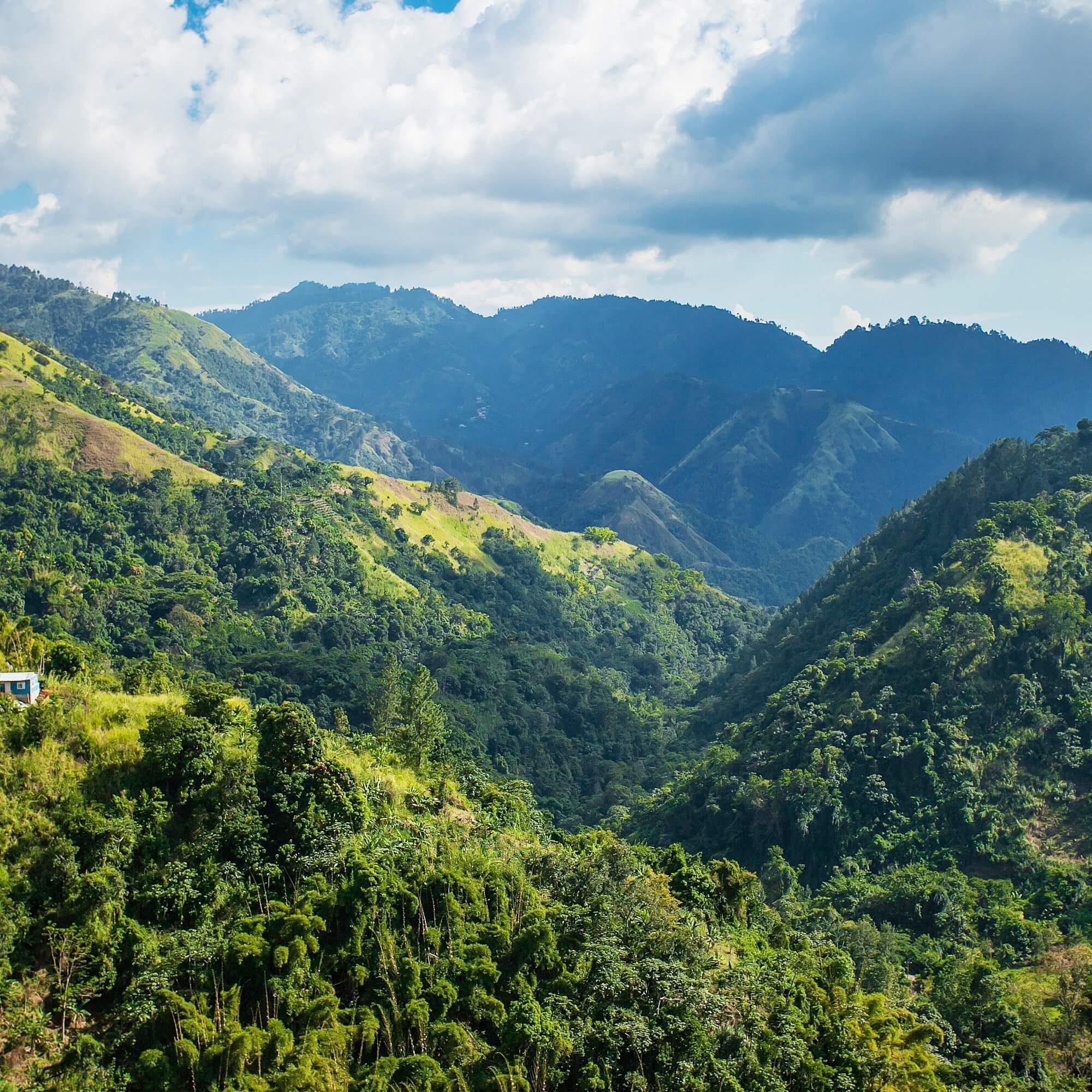
Jamaica’s Blue Mountain slopes — cool mornings, structured regulations, and the landscape behind one of coffee’s most protected names.
Jamaica at a Glance
Primary Origin
Jamaica Blue Mountain (JBM) designated region
Typical Altitude
~900–1,700 m in Blue Mountain zones
Varieties
Typica lineage & selected Arabica cultivars
Processing
Washed; careful fermentation & slow drying
Harvest Window
Approx. Sept–Jan (zone & elevation dependent)
Flavor Spectrum
Mellow citrus · Brown sugar · Nutty cocoa · Floral/herbal lift · Silky body
Key Coffee Regions of Jamaica
While “Blue Mountain” dominates the conversation, Jamaica’s story is about defined geographies, cool cloud forests,
and disciplined washed processing under a protected designation.
Blue Mountain Region
High-altitude slopes within the certified Blue Mountain zone; tightly regulated cultivation and milling.
Role: Flagship lots where traceability and authenticity must be verifiable.
Non-Blue Mountain Jamaica
Other highland areas can produce characterful washed coffees when handled with the same discipline.
Profile: Sweet, balanced; gentle fruit and cocoa.
Role: Value, menu education & comparison against Blue Mountain lots.
Estate & Micro-Separations
Specific estates and block selections with documented standards and cupping history.
Role: Transparent, story-ready offerings, not generic “Blue Mountain” claims.
Learn more about Jamaica’s terroir, regulation & why Blue Mountain tastes the way it does
Jamaica’s certified Blue Mountain region sits on steep, mist-cooled slopes with rich volcanic-influenced soils.
Elevation slows cherry development, building sugars while keeping acidity composed rather than sharp. Heavy
cloud cover and consistent rainfall, when paired with disciplined picking and washed processing, create cups
that are clean, sweet, and subtle.
Protected regulations govern where “Jamaica Blue Mountain” can be grown, how it is processed, sorted, and
graded. That framework is only meaningful when exporters and roasters uphold it: verifying origin, screening
for defects, and rejecting lots that lean woody, faded, or hollow.
At Coo Coo’s Coffee, we treat Jamaica as a precision origin. If it’s on the bag, it’s traceable, cupped
repeatedly, and positioned where its nuance is obvious — not just a label premium.
Processing & How We Use Jamaica in the Lineup
Washed-first discipline: Clean fermentation, thorough washing, and slow, even drying are
non-negotiable; we cup for clarity, sweetness, and a calm, layered profile.
Authenticity & grading: “Blue Mountain” claims must be backed by documentation,
export-grade prep, and sensory performance that matches the reputation.
Roast philosophy: Gentle medium-light to medium; enough solubility for espresso and filter,
light enough to protect aromatics and avoid flattening nuance.
Menu role: Limited, educational placements — tasting flights, slow-bar features, and carefully
framed offerings where guests understand what they’re paying for.
People, Culture & Coffee Identity
Jamaica’s coffee legacy is built on estates, workers, and communities who farm steep terrain under a global
spotlight. The island’s broader culture — music, food, hospitality — adds emotional weight to the cup, but for us
the respect is technical: honoring farm labor, verifying origin, and roasting in a way that lets customers taste
the work, not just the myth.
Jamaica in Pictures
Use imagery that ties iconic landscapes and culture to real farms and mills — keeping the story grounded, not just glossy.
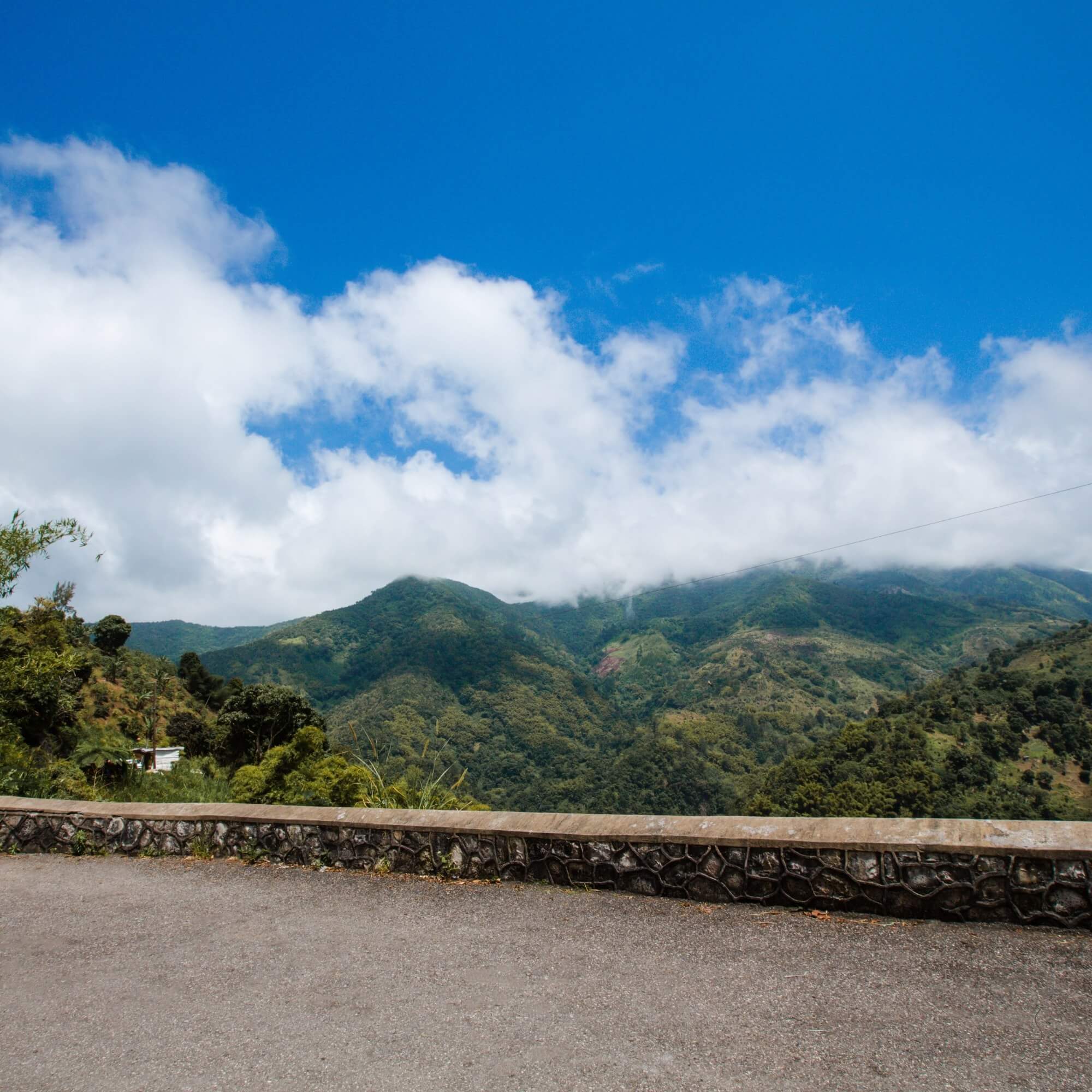
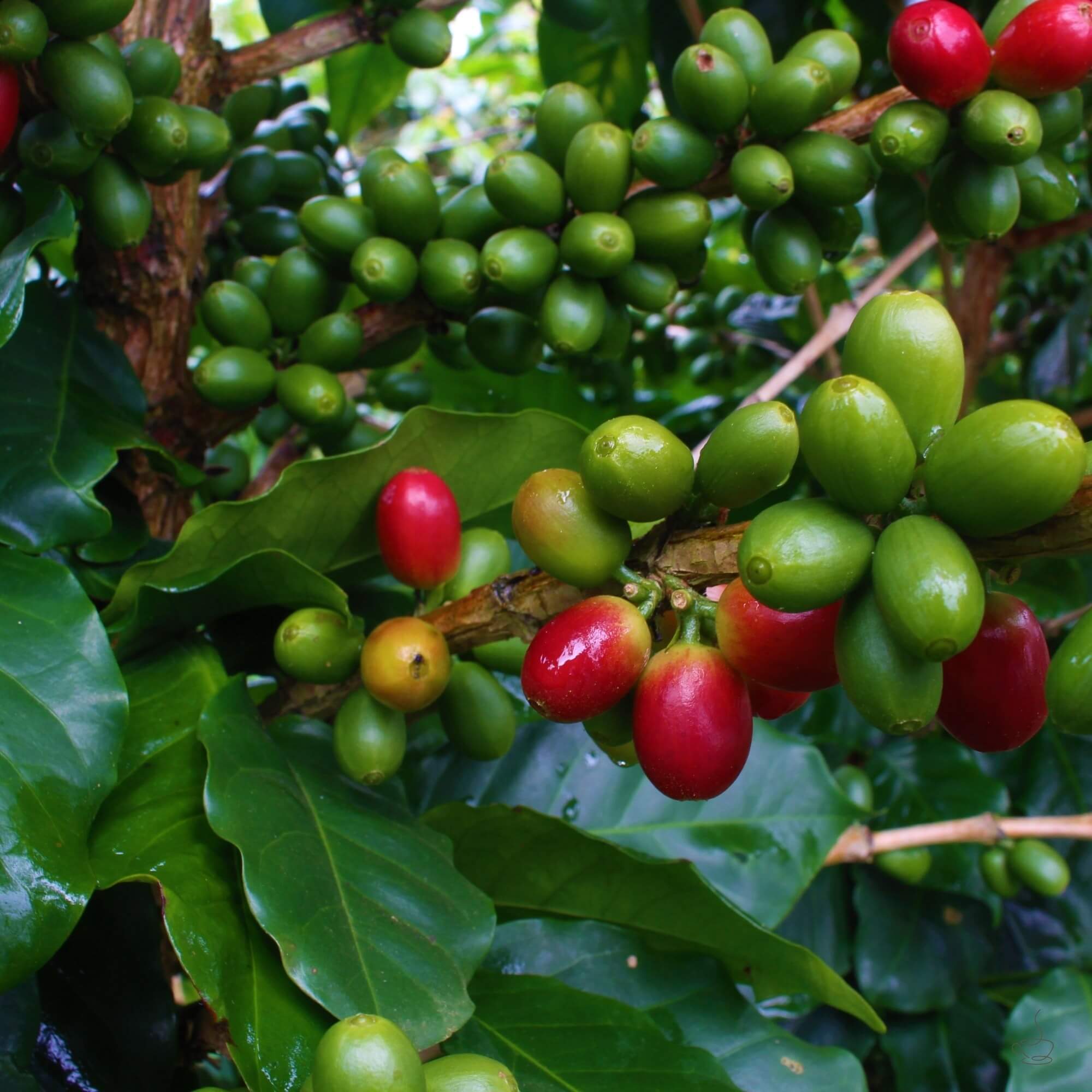
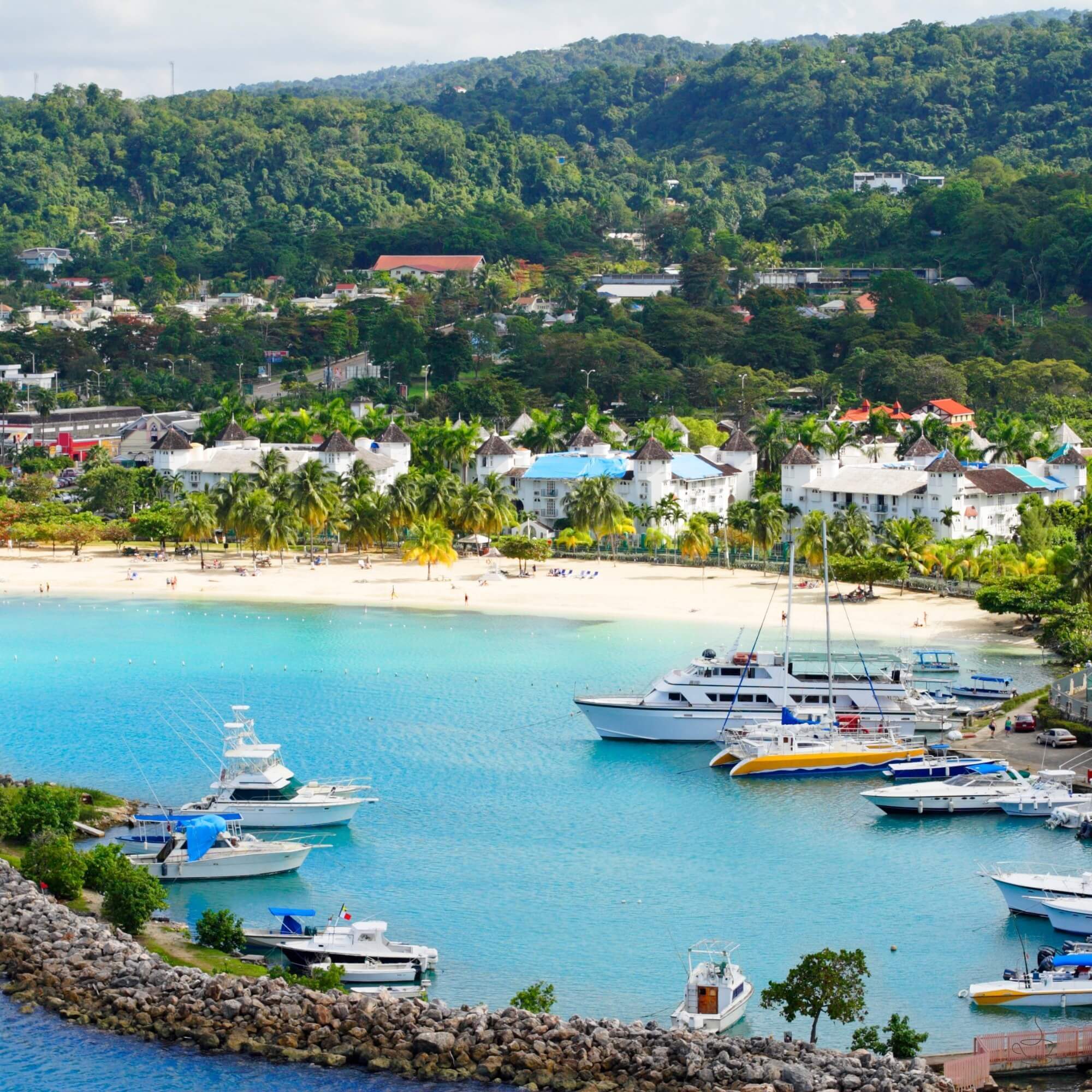
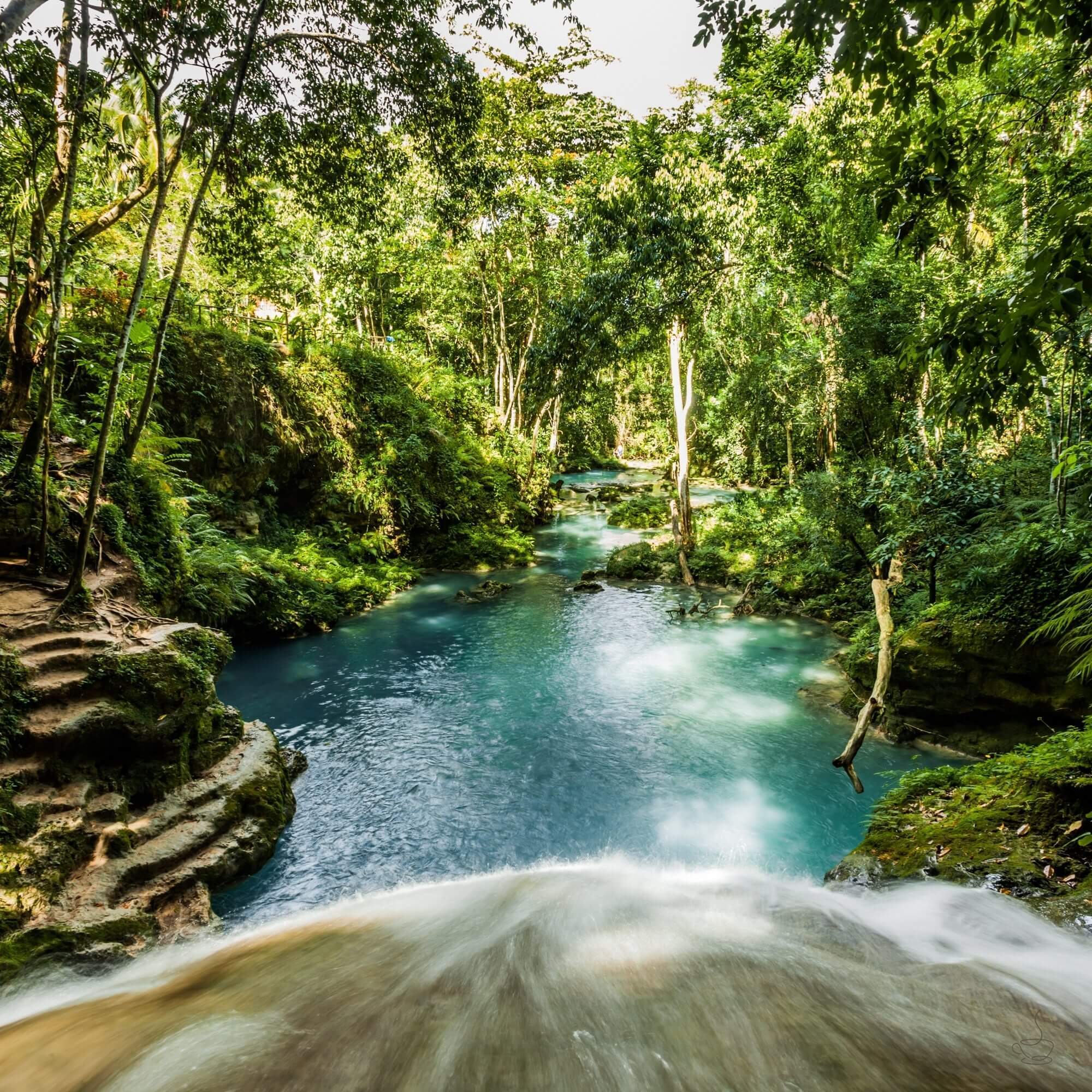
Blue Mountain roads — narrow, steep, and central to the story.Shade, mist, and handpicked cherries on highland farms.Coastal life that frames, but doesn’t overshadow, the origin.
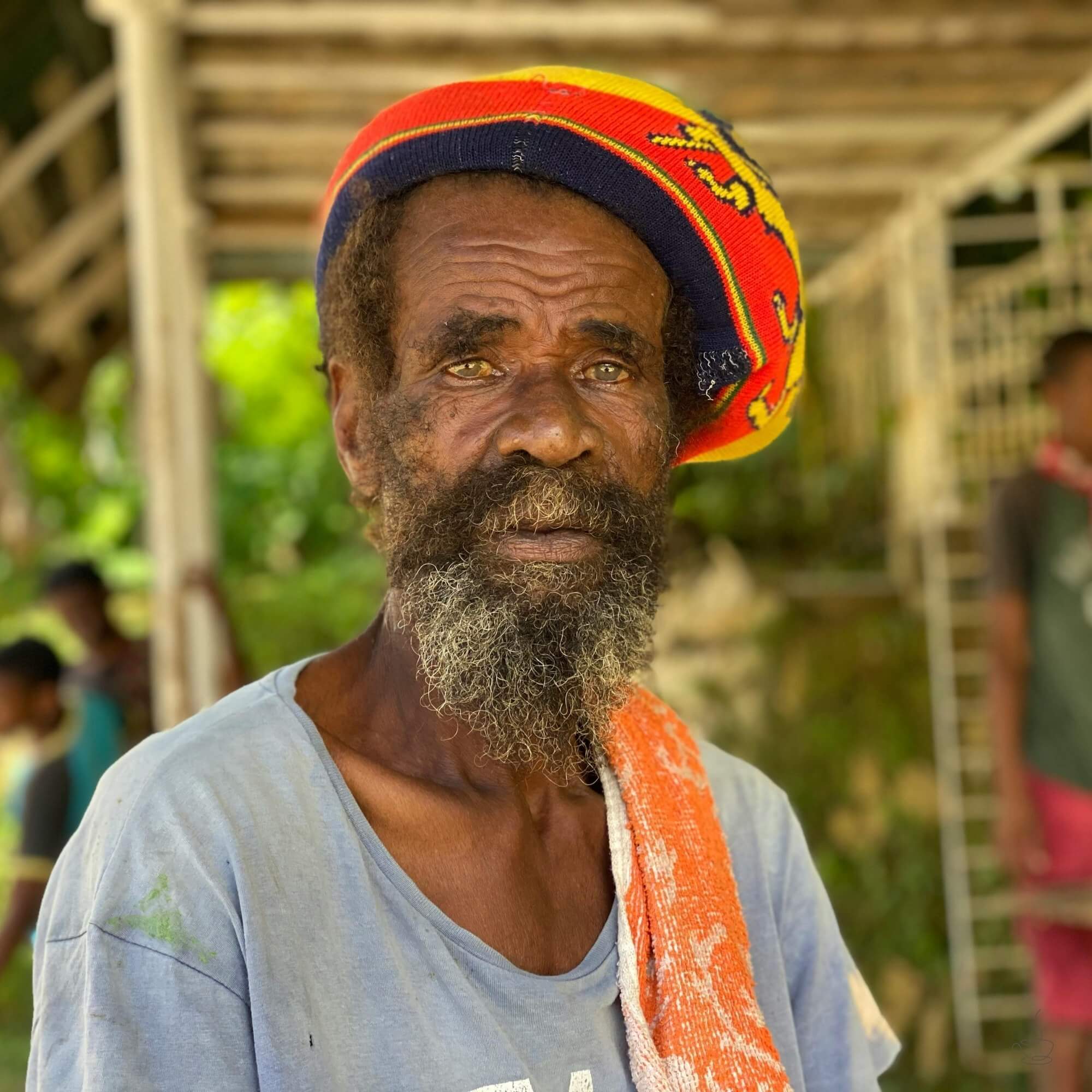
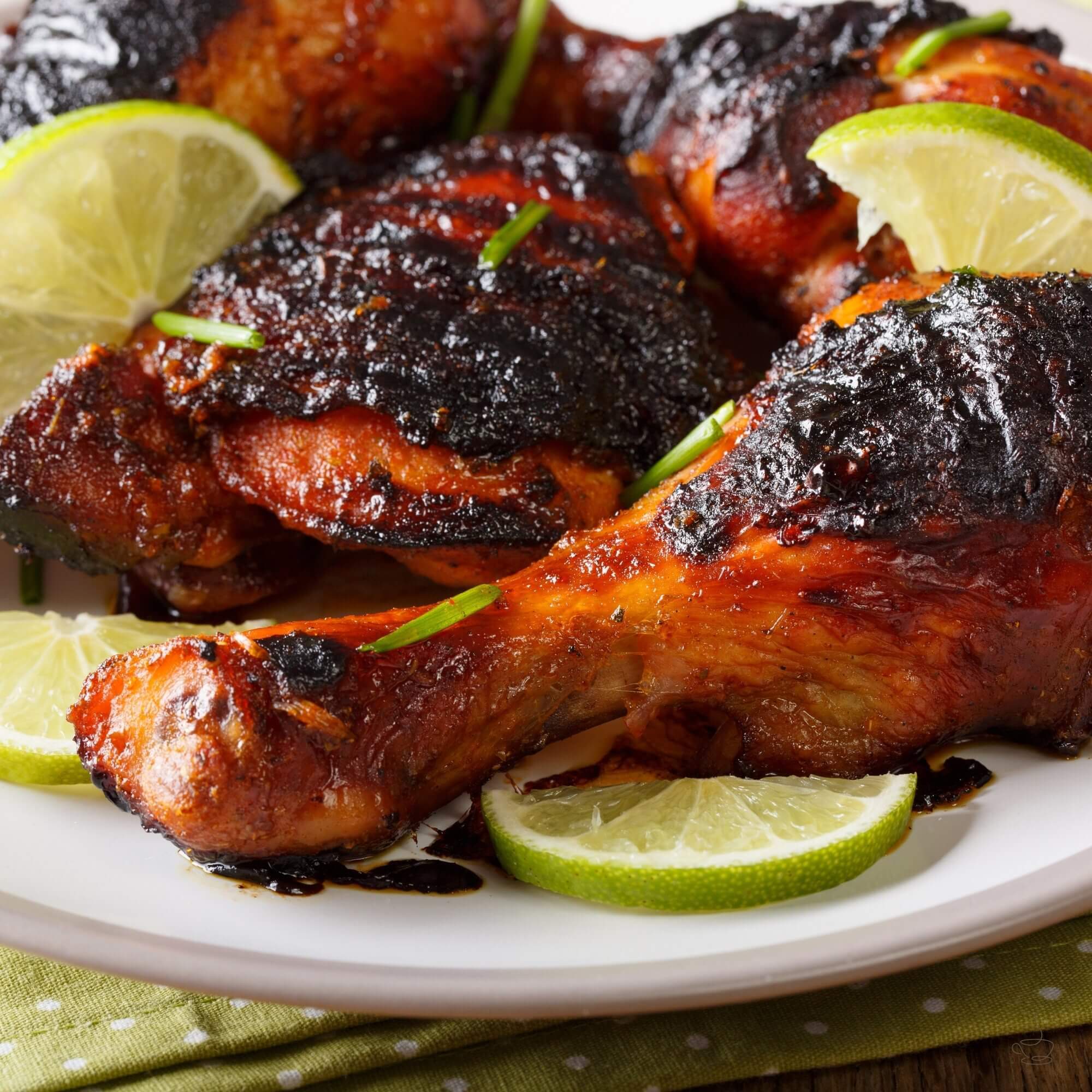
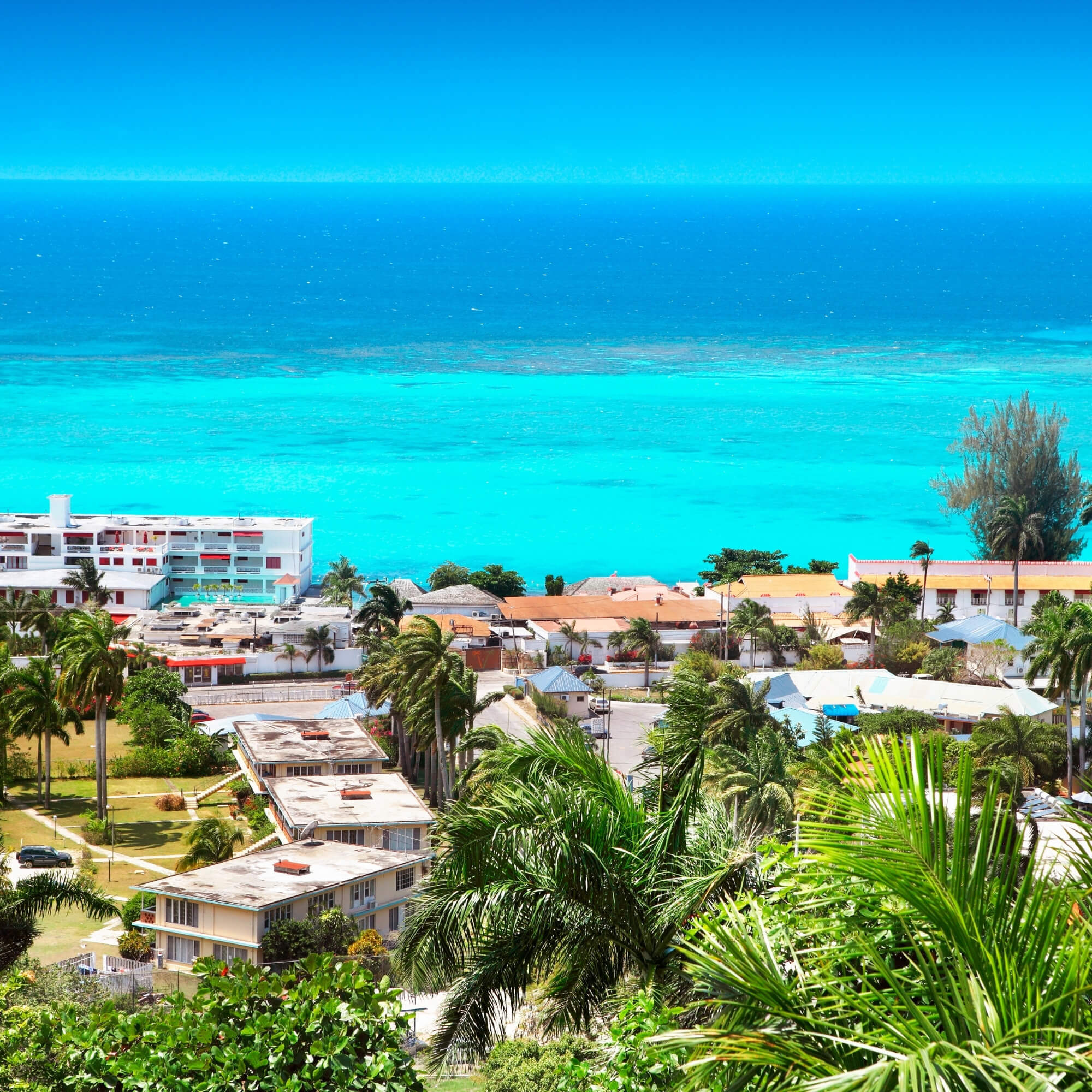
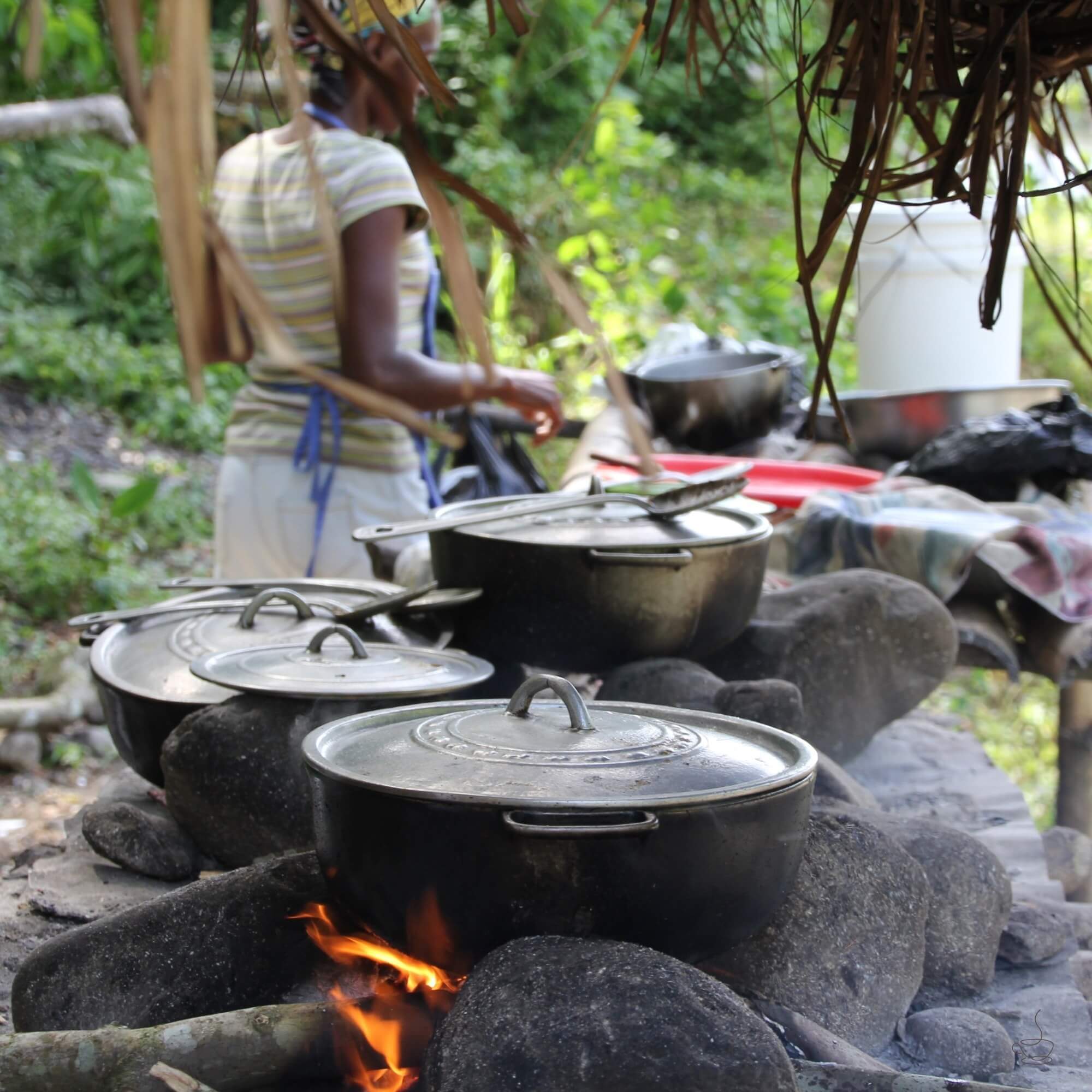
Rasta man wearing a rasta tam hat.Jamaican Jerk ChickenRockhouse HotelMontego BayJamaica tropical paradiseCooking outdoors Jamaican style
No. Even within the certified region, quality depends on elevation, picking, processing, and sorting. We only
work with verifiable, cupped lots that deliver clarity, sweetness, and balance — not just a name.
What should I expect Jamaica to taste like?
Expect a calm, composed cup: brown sugar sweetness, gentle citrus, soft florals, nutty cocoa, and a silky,
tea-like body rather than aggressive acidity or heavy roast notes.
How does Coo Coo’s Coffee verify authenticity?
We require documentation from recognized exporters, alignment with Jamaica’s regulatory framework, and internal
cupping that confirms the cup profile. If a lot doesn’t meet those marks, it doesn’t carry the claim.
Explore More from the Small Batch of Friends World