Chikmagalur & Bababudangiri (Karnataka)
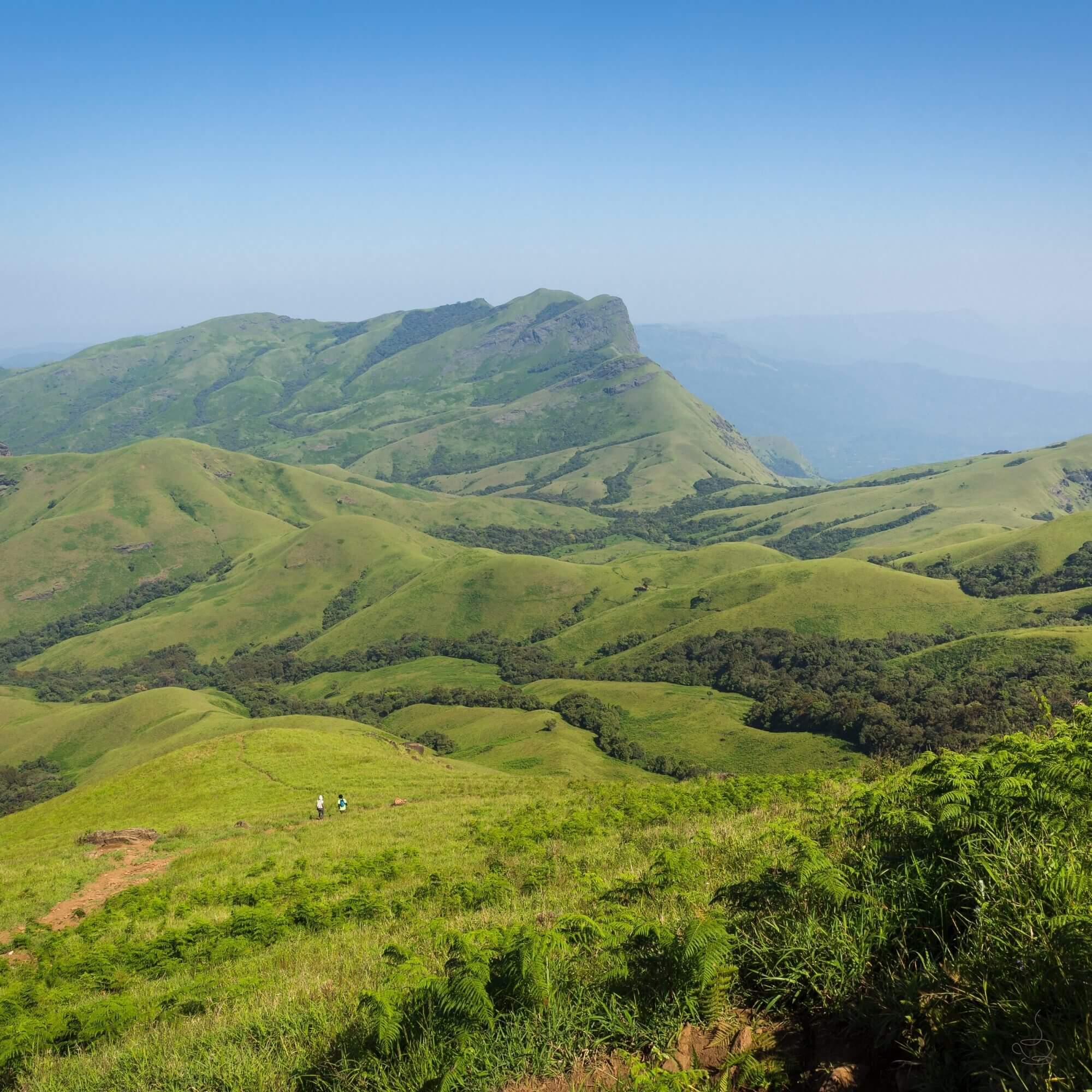
Historic heart of Indian Arabica; misty slopes, native shade trees, and mixed crops.
- Profile: Cocoa, roasted nuts, mild spice, gentle fruit.
- Role: Balanced single origins; versatile blend components.
India’s coffee grows under forest canopies and monsoon skies. From classic washed Arabicas to Monsooned Malabar and disciplined Robustas, it gives us textured sweetness, spice, and structure for both modern and heritage cups.

India’s coffee belt stretches along the Western and Eastern Ghats. Shade, rainfall, and post-harvest style define whether a lot leans creamy and comforting, structured and bright, or deeply savory for espresso blends.
Historic heart of Indian Arabica; misty slopes, native shade trees, and mixed crops.
Large estate region with significant Arabica & Robusta under shade.
High rainfall, forest cover, and intercropped farms.
Higher elevations and cooler nights; growing specialty presence.
Coffee exposed to humid monsoon winds for months, reshaping density and flavor.
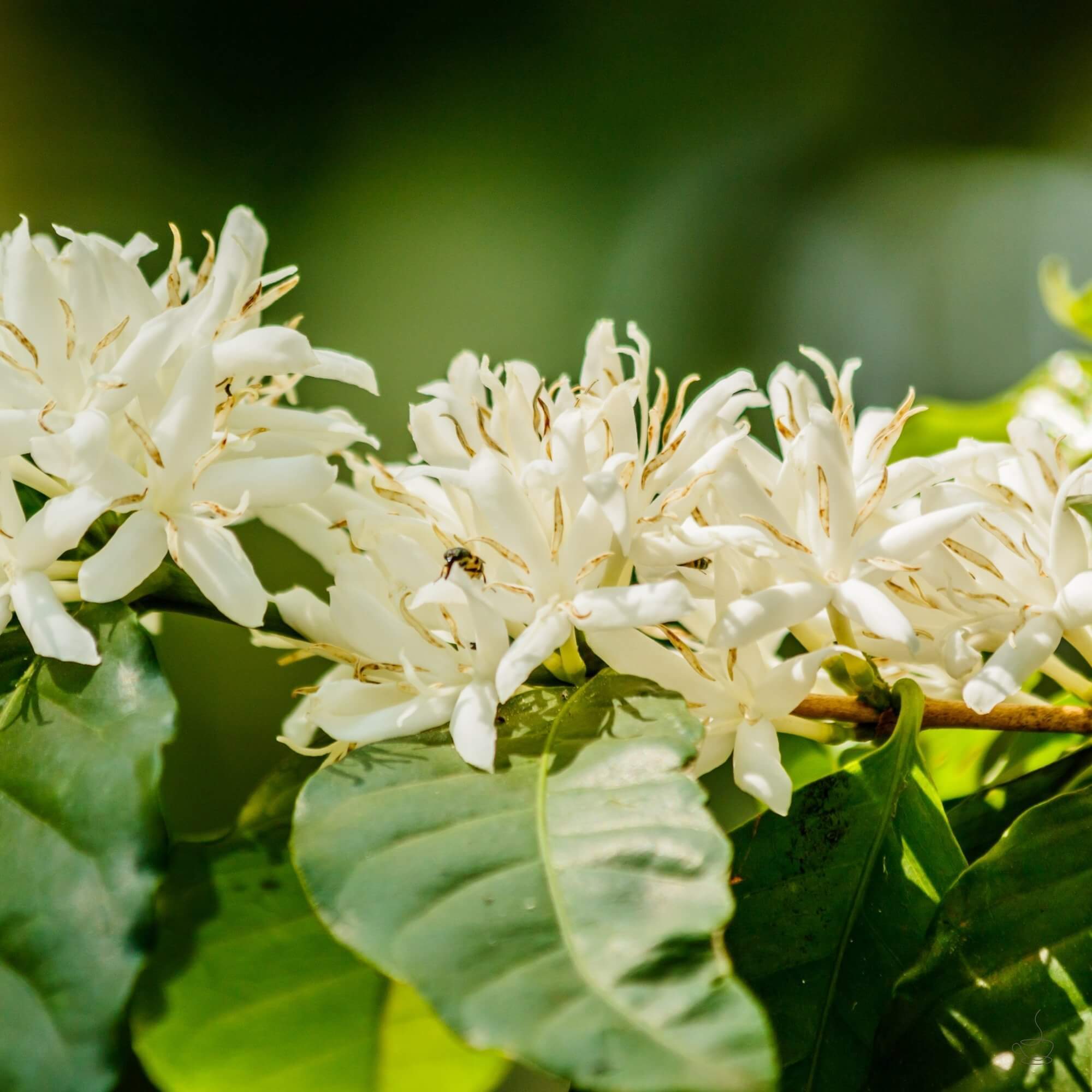
Indian coffee is almost entirely shade-grown, often under multi-story canopies of silver oak, fruit trees and spices like pepper and cardamom. This buffered microclimate slows cherry development, stabilizes temperature, and protects soils — trading sharp acidity for layered sweetness, body, and spice.
Western Ghat slopes in Karnataka, Kerala and Tamil Nadu combine altitude, volcanic and lateritic soils, and monsoon patterns that favor dense beans and controlled washed processing. In higher pockets, careful picking and modern mills can produce surprisingly bright, floral lots that challenge assumptions about India as only “dark and heavy.”
Monsooned Malabar intentionally exposes dried coffee to moist coastal winds, swelling the beans and muting acidity. We treat it as a specialty tool — not a gimmick — and only consider clean, traceable lots that contribute purposeful weight and sweetness to specific espresso or blend profiles.
Across Arabica and Robusta, our selections focus on traceability, process control, and cups we can describe confidently at the bar.
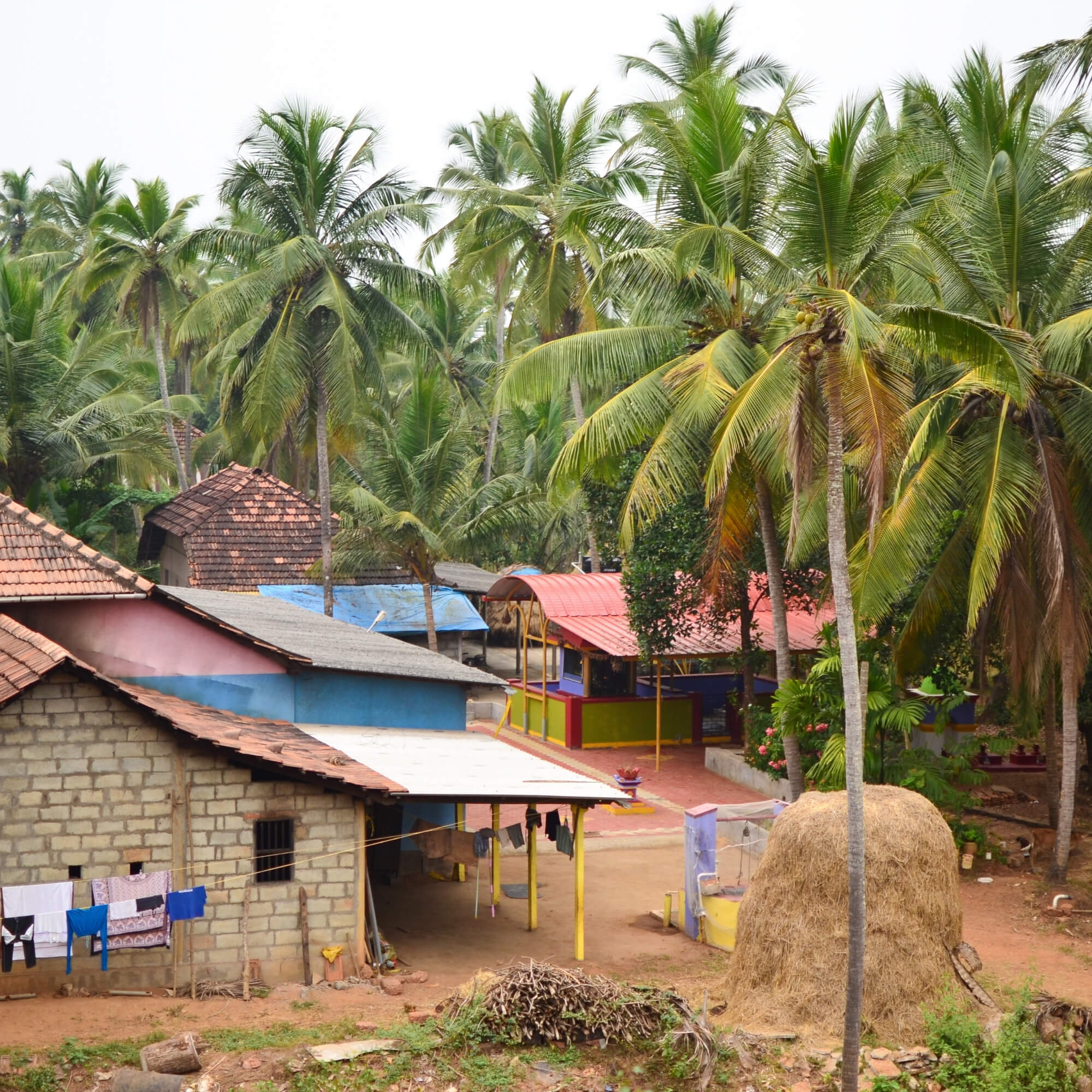
Indian coffee is anchored by multi-generation estates and smallholders who farm among spices, fruit and native forest. Ports like Mangaluru and cities like Bengaluru connect origin to export and to a growing domestic specialty scene. As we formalize partnerships, this page becomes the place to name estates, traceability programs, and projects that move beyond “generic Indian” labeling.
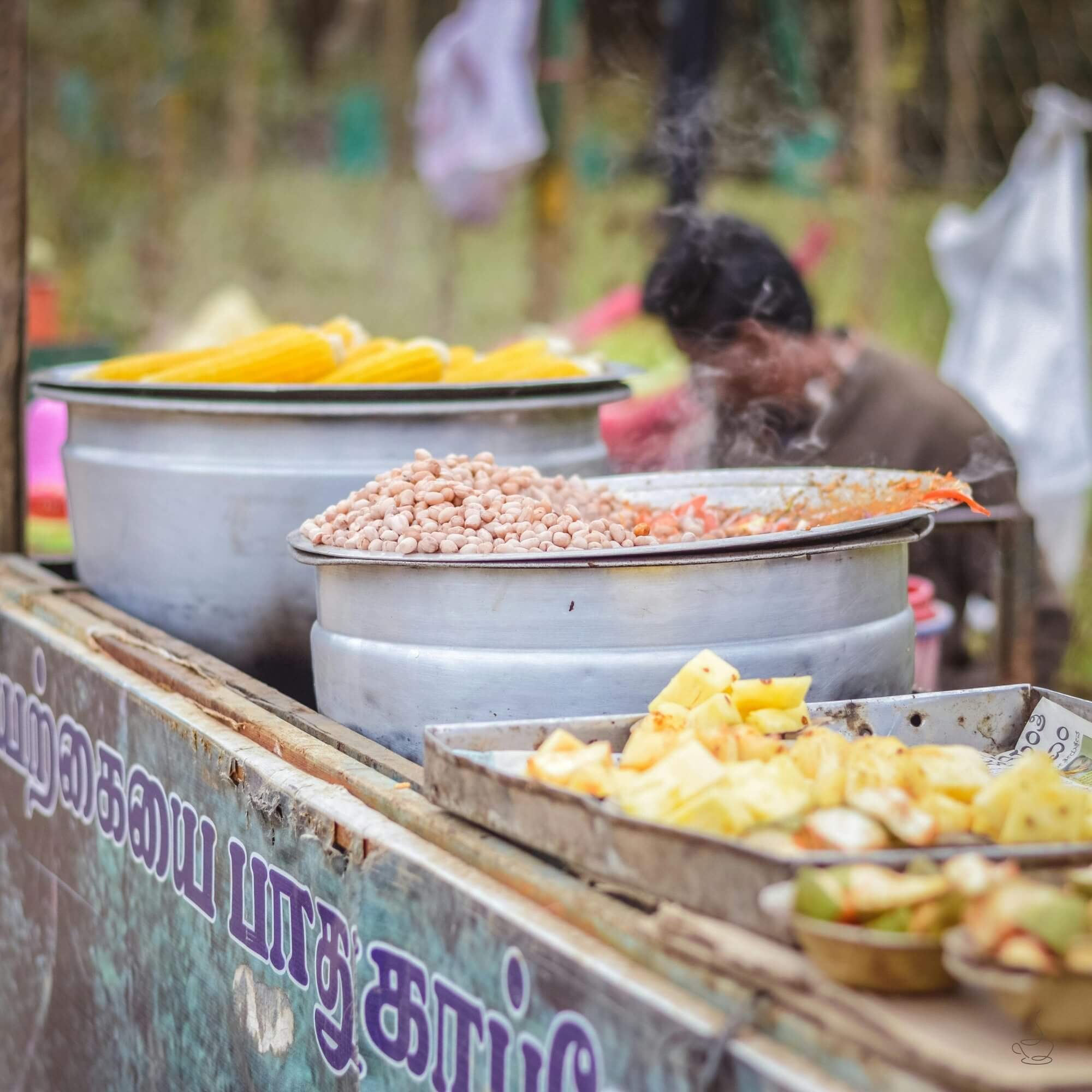
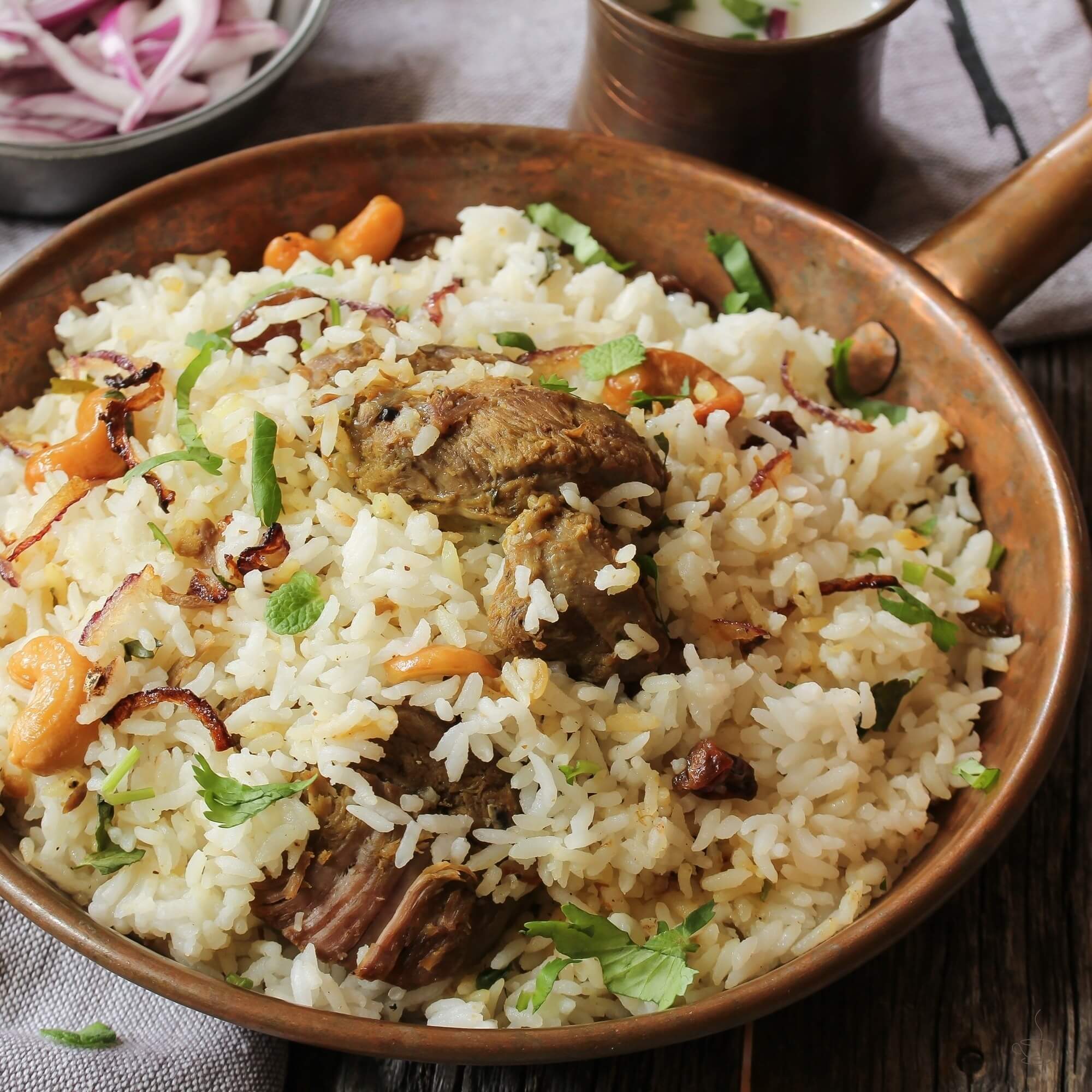
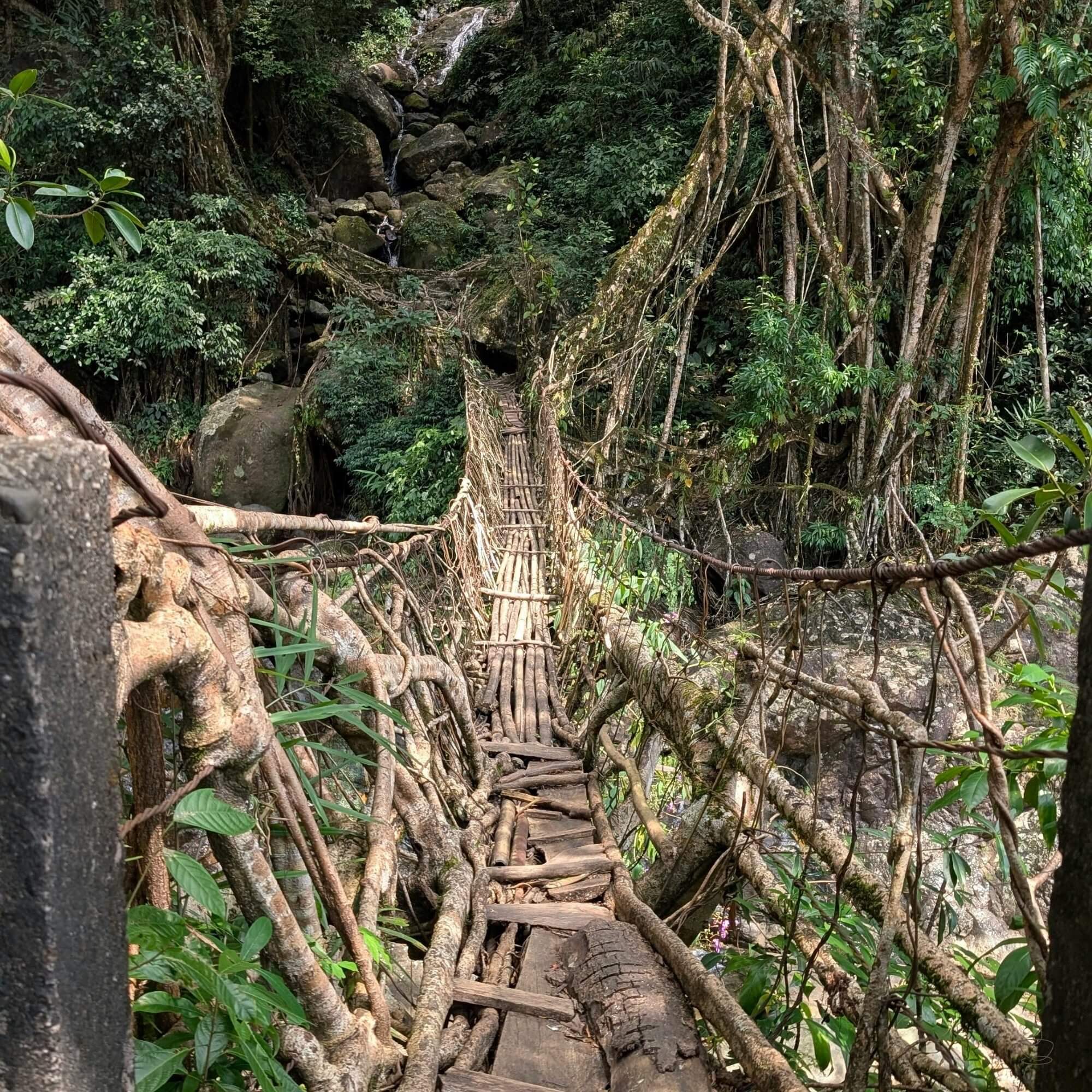
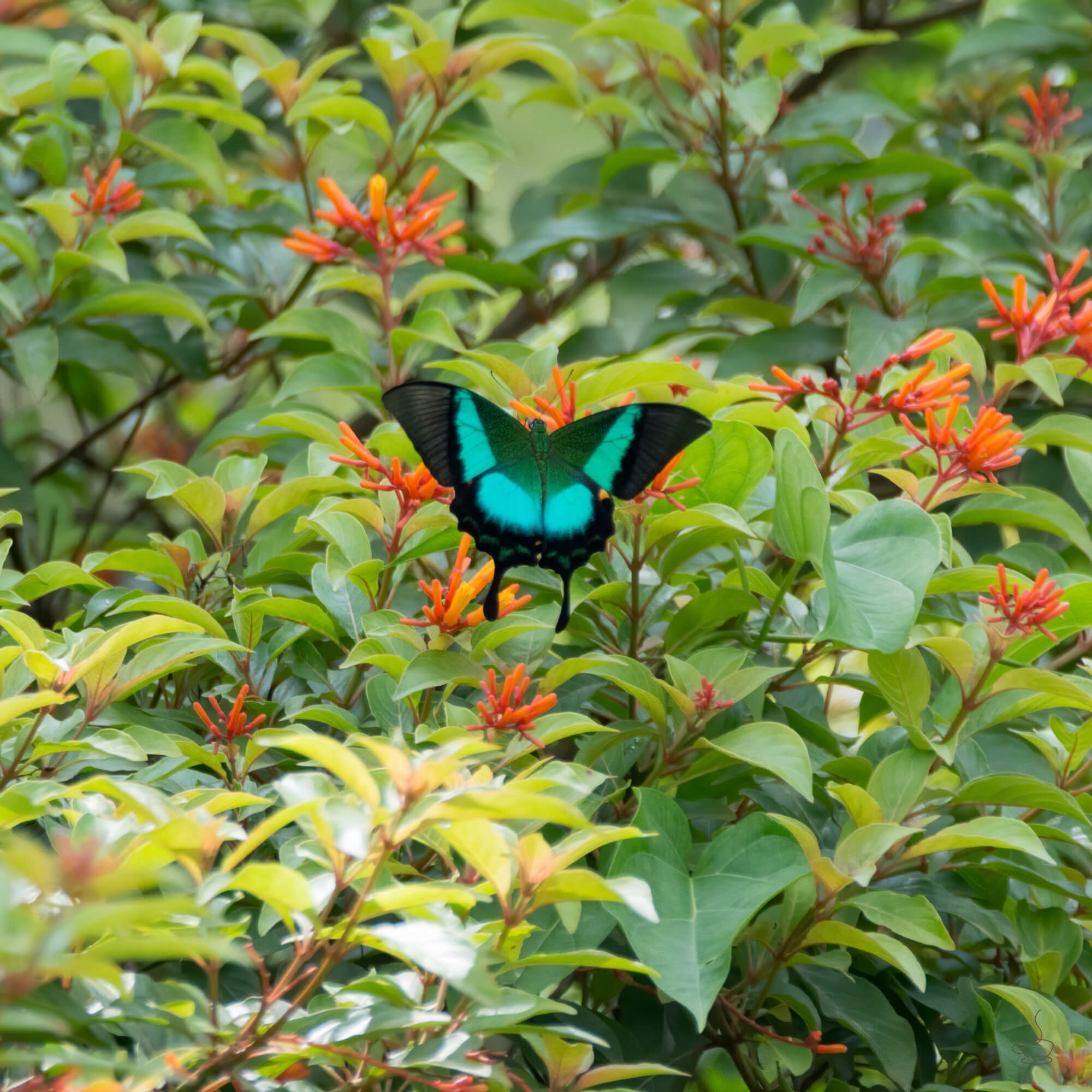
Pair your coffees with imagery that connects flavor to place — misty estates, spice-dotted hillsides, and café life — while keeping the focus on craft and people.


Last updated: November 8, 2025