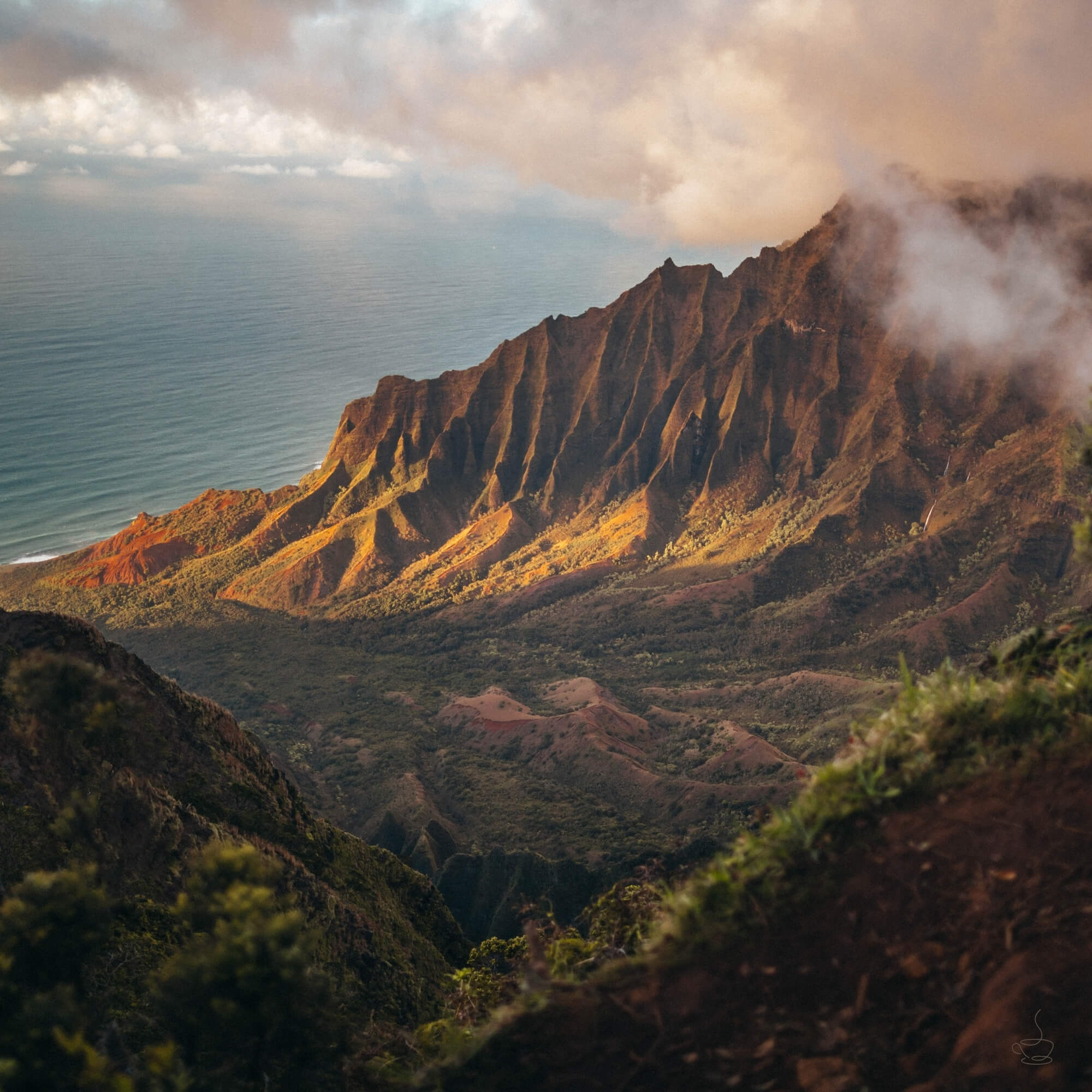
Hawaiʻi Coffee Origins — Kona Heritage, Island Terroir & Intentional Rarity
From Kona’s lava-rich slopes to Kaʻū and Maui’s evolving estates, Hawaiʻi offers traceable, small-scale coffees
where climate, soil, and meticulous picking are non-negotiable. This page frames Hawaiʻi as a deliberate,
high-standard origin in our lineup.
Caramel & Brown SugarMilk Chocolate & CocoaGentle, Balanced AcidityTropical Fruit HintsClean, Washed StructureEstate & Smallholder Lots
Volcanic soils, ocean breezes, and meticulous hand-picking across Hawaiʻi’s specialty coffee regions.
Hawaiʻi at a Glance
Key Regions
Kona · Kaʻū · Maui · Kauai & emerging micro-origins
Typical Altitude
~300–900+ m (region & slope dependent)
Varieties
Typica strains · Red Bourbon · Caturra/Catuaí · Experimental lots
Processing
Washed; growing presence of Honey & Natural (with strict QC)
Harvest Window
Roughly Aug–Feb (by island & elevation)
Flavor Spectrum
Caramel · Chocolate · Sweet citrus · Soft stone fruit · Clean finish
Key Coffee Regions of Hawaiʻi
Hawaiʻi’s islands offer distinct microclimates and farm scales. Each region you choose should have a defined role,
with transparency and sensory performance matching the premium.
Kona (Hawaiʻi Island)
Classic western slope coffee belt on volcanic soils with afternoon clouds and hand-picked cherries.
Role: Story-forward micro-lots and rotating features.
Kauaʻi & Other Islands
Larger plantings and select specialty pockets.
Role: Transparent regional labeling; potential for approachable Hawaiʻi profiles.
Learn more about Hawaiʻi’s terroir, labor & why these island regions matter
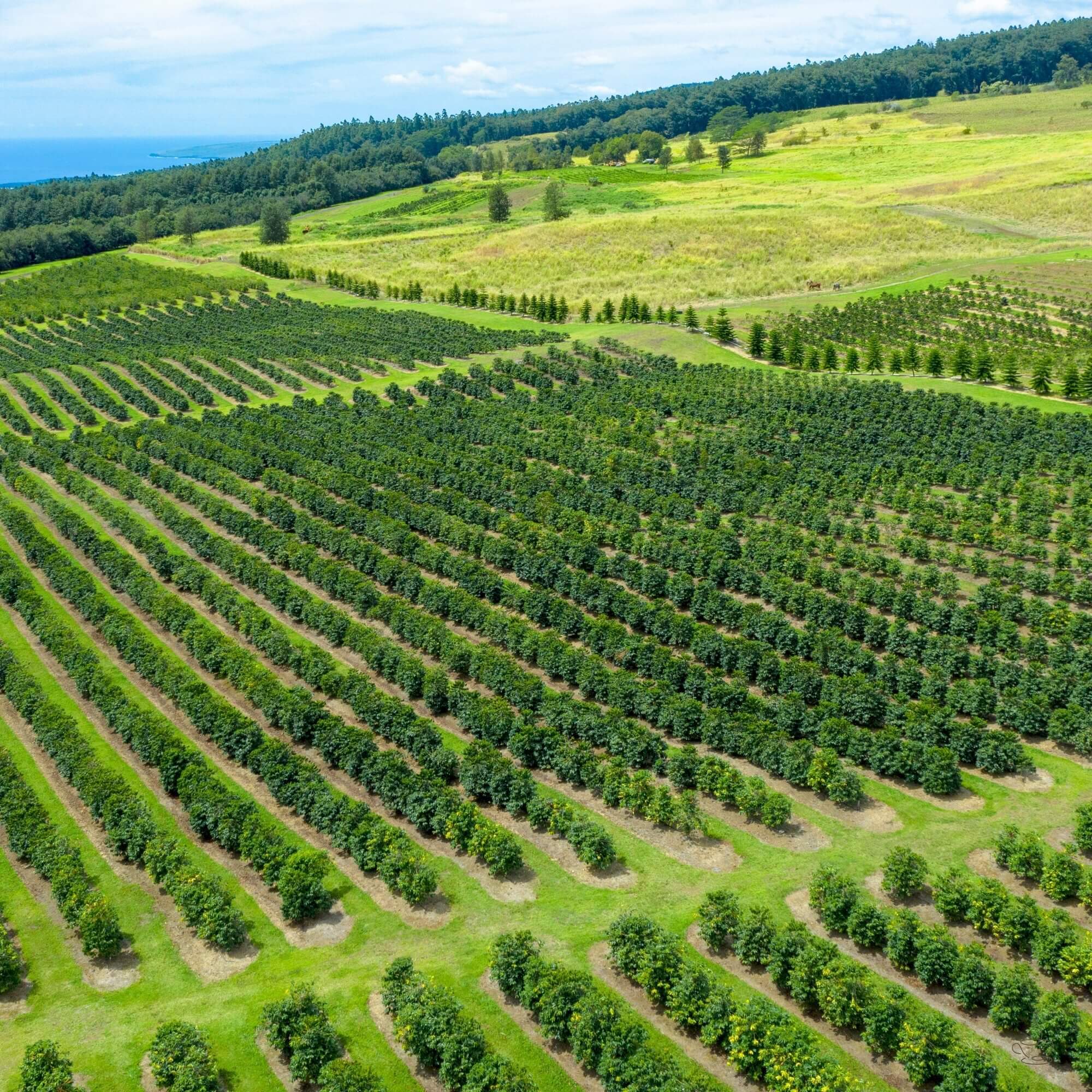
Volcanic soils, moderated temperatures, trade winds, and afternoon cloud cover shape slower, even cherry
development across Hawaiʻi’s key coffee belts. Combine that with hand-picking and estate-scale control, and
you get coffees that are clean, sweet, and structurally sound rather than showy for the sake of it.
High labor and land costs mean Hawaiʻi coffee must justify itself through traceability, condition, and cup
quality — not just origin recognition. We look for lots where picking discipline, pulping, fermentation and
drying are documented, moisture/aw are in range, and green arrives stable.
At Coo Coo’s Coffee, Hawaiʻi is a precision origin: limited placements, clear farm or region names, and roast
profiles that protect sweetness and nuance instead of chasing darkness to mask defects.
Processing & How We Use Hawaiʻi Coffees
Washed-led baseline: Clean, sweet, low-defect washed lots define our Hawaiʻi profile. Honey and
Natural experiments are welcomed only with clear protocols and spotless cups.
Traceable & estate-focused: We prioritize named farms, mills, or co-ops; no vague “island blend”
narratives for premium tiers.
Roast philosophy: Light-medium to medium, emphasizing clarity, honeyed sweetness, and a smooth,
versatile body for both filter and espresso.
Menu role: Limited, educational features, origin flights, and gift offerings where guests can
understand both cost and craft.
People, ʻĀina & Coffee Culture
Hawaiʻi coffee is rooted in relationships with ʻāina (land) and community. Farms are often multigenerational,
operating in a fragile, high-cost ecosystem. Our responsibility is to honor that context with accurate labeling,
transparent sourcing, and roast profiles that let the work on the slopes — not marketing — drive the experience
in the cup.
Hawaiʻi in Pictures
Pair farm-level imagery with coastline and community scenes so guests connect iconic views to real growers and mills.
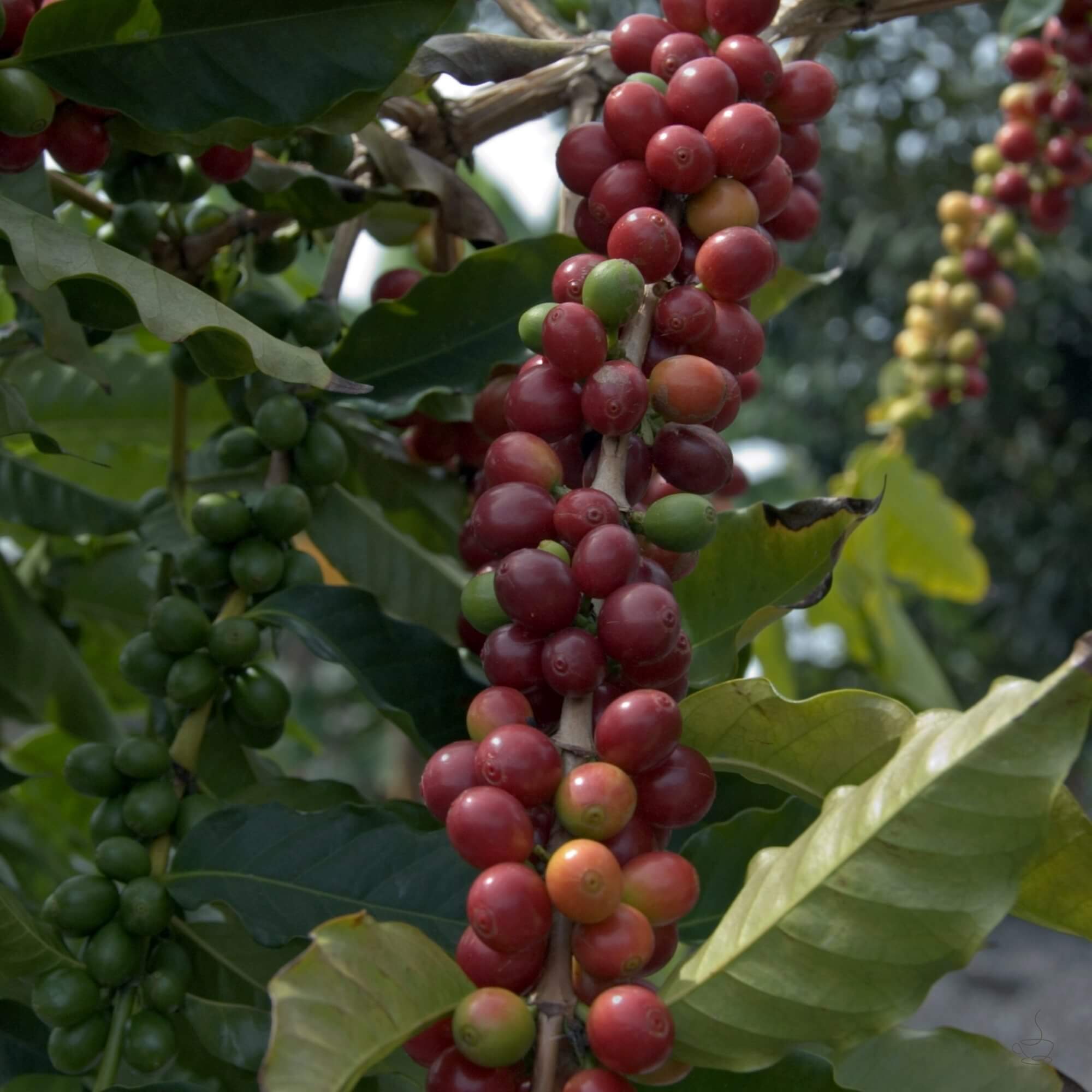
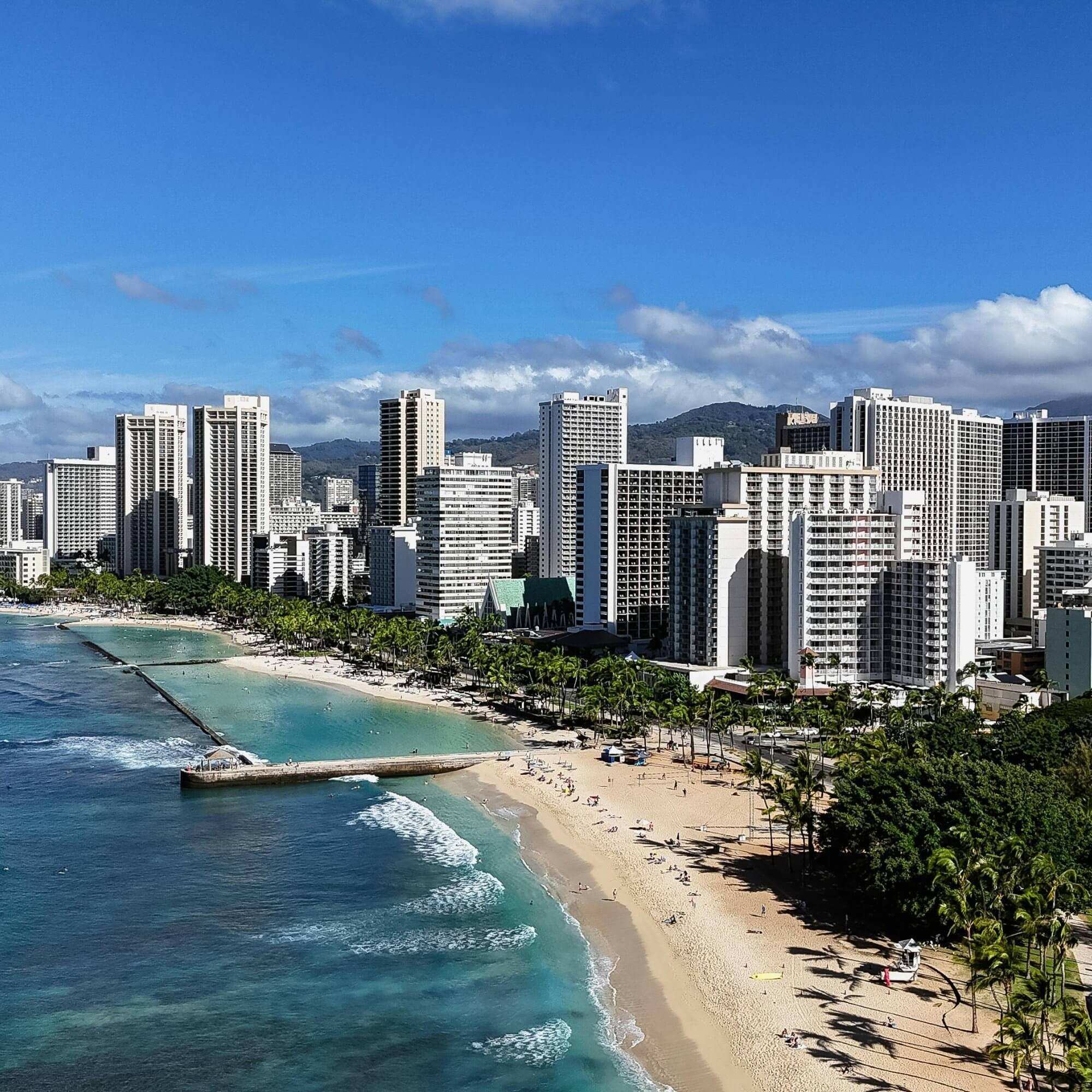
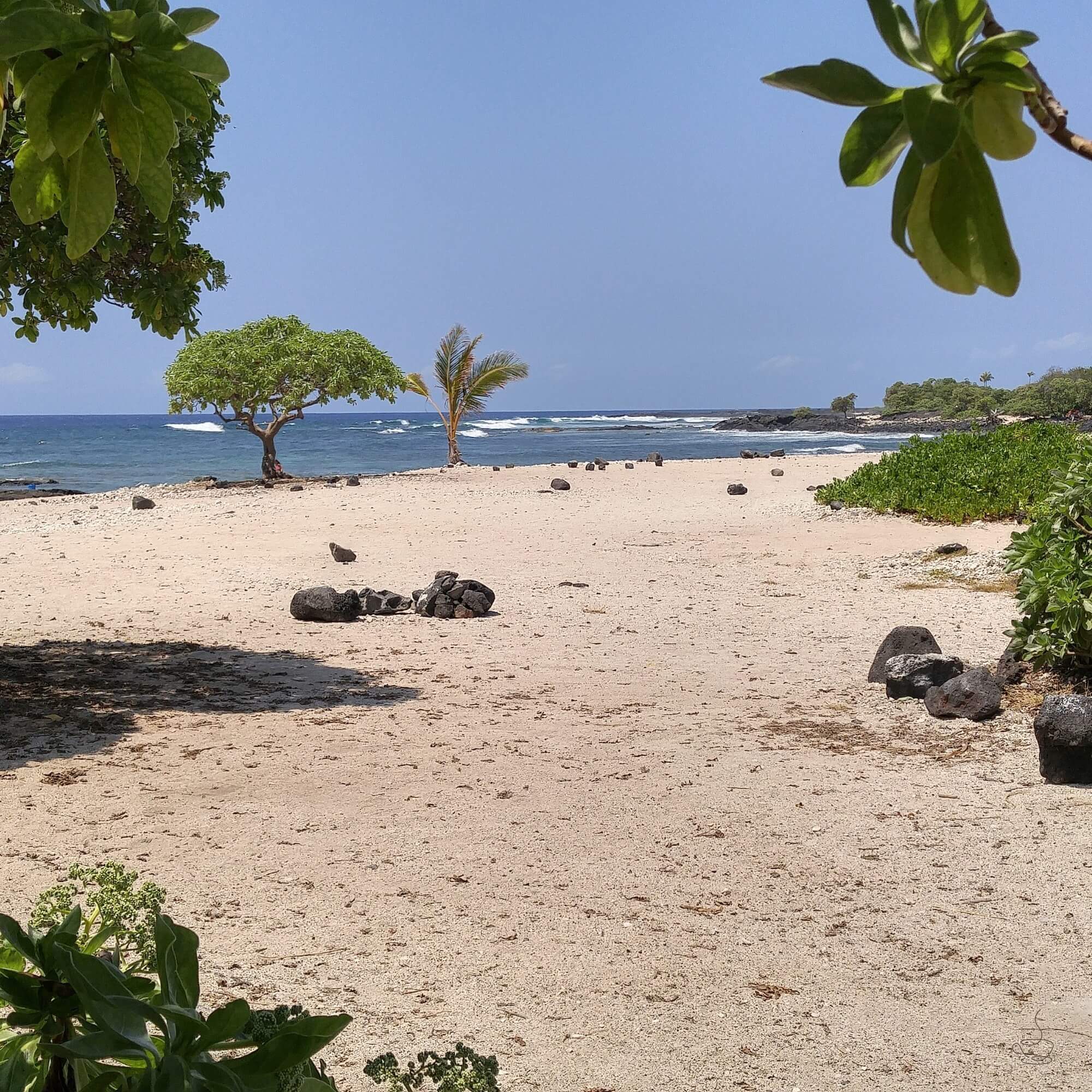
Kona slopes — lava, elevation, and ocean air in one frame.Kona coffee patio dryingQueens beach.
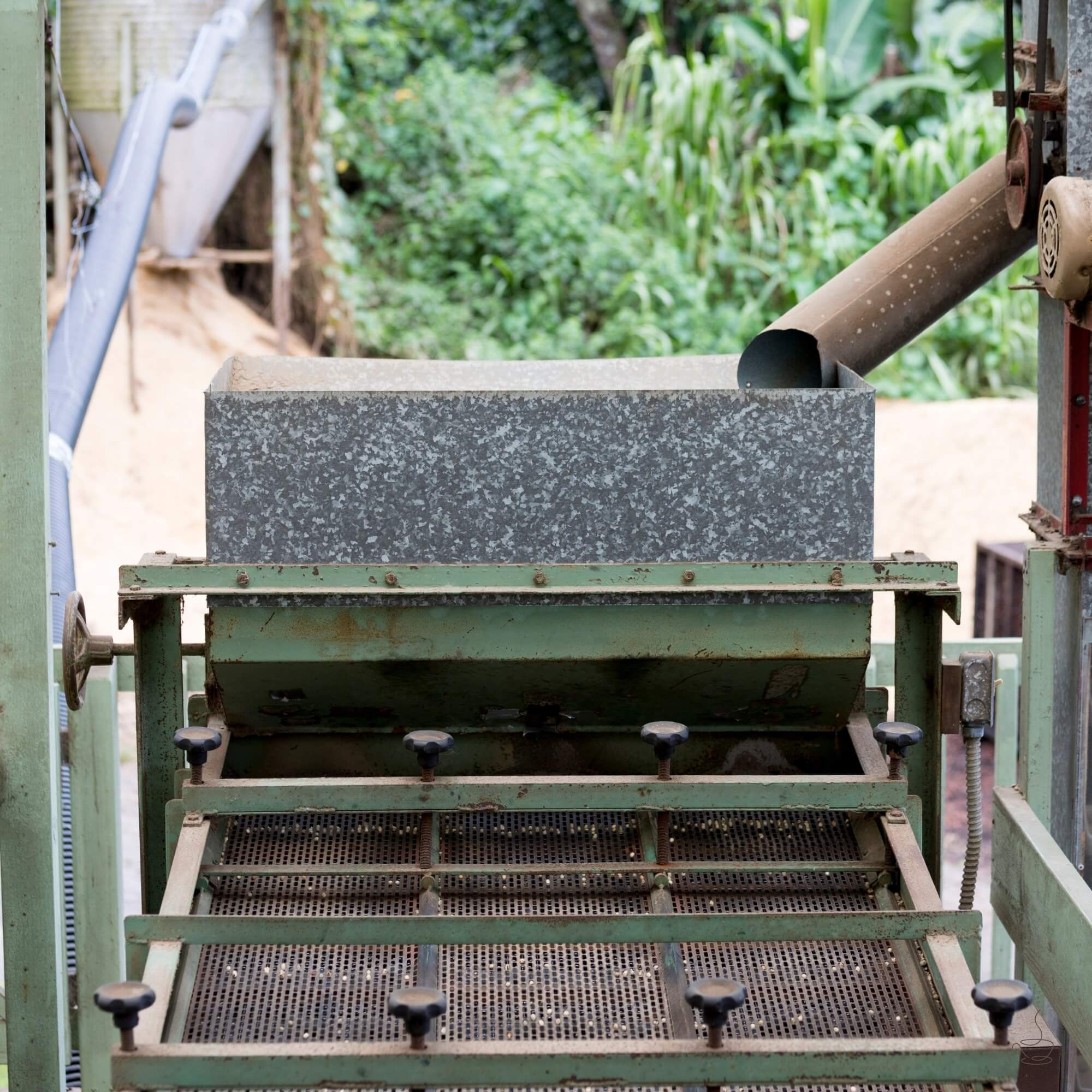
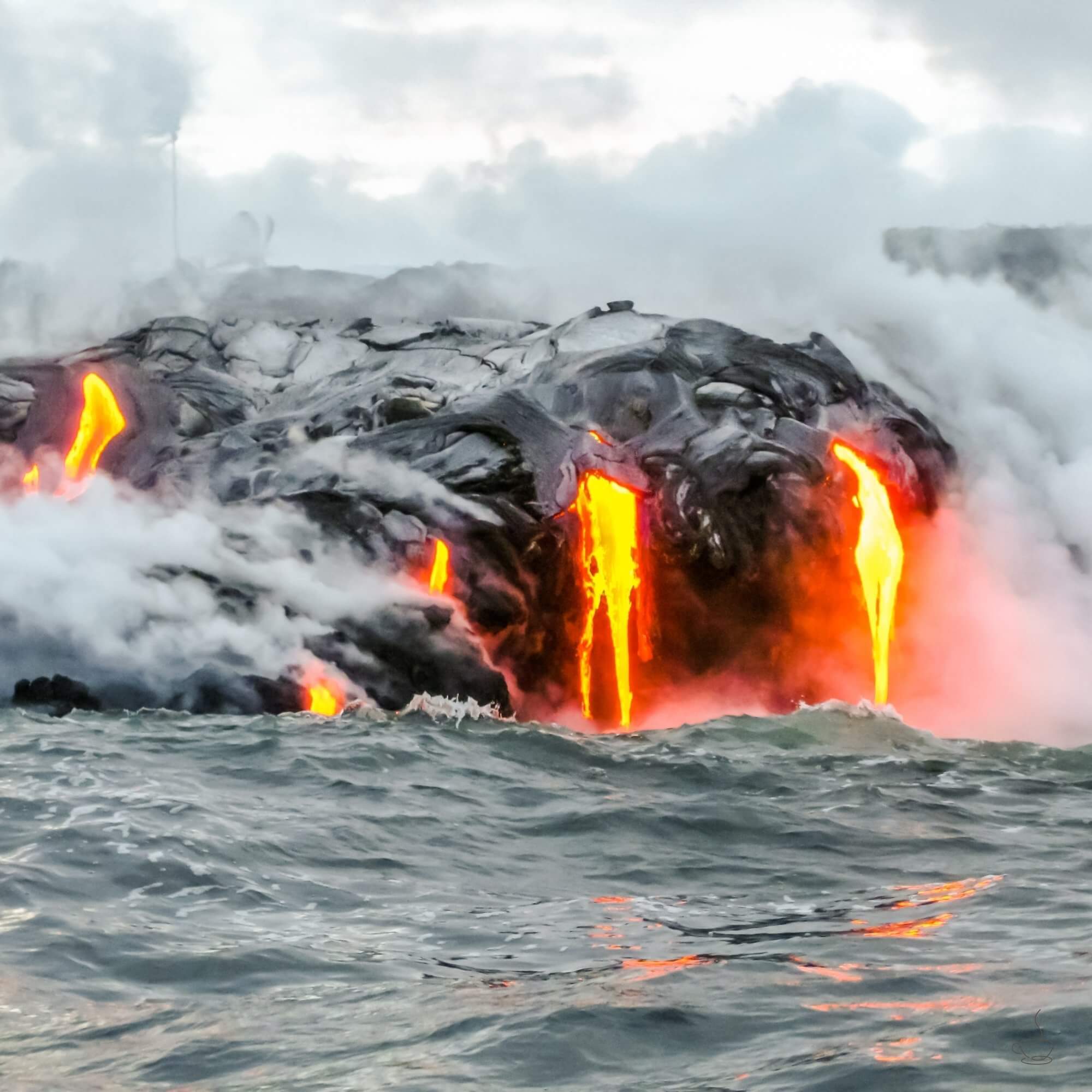
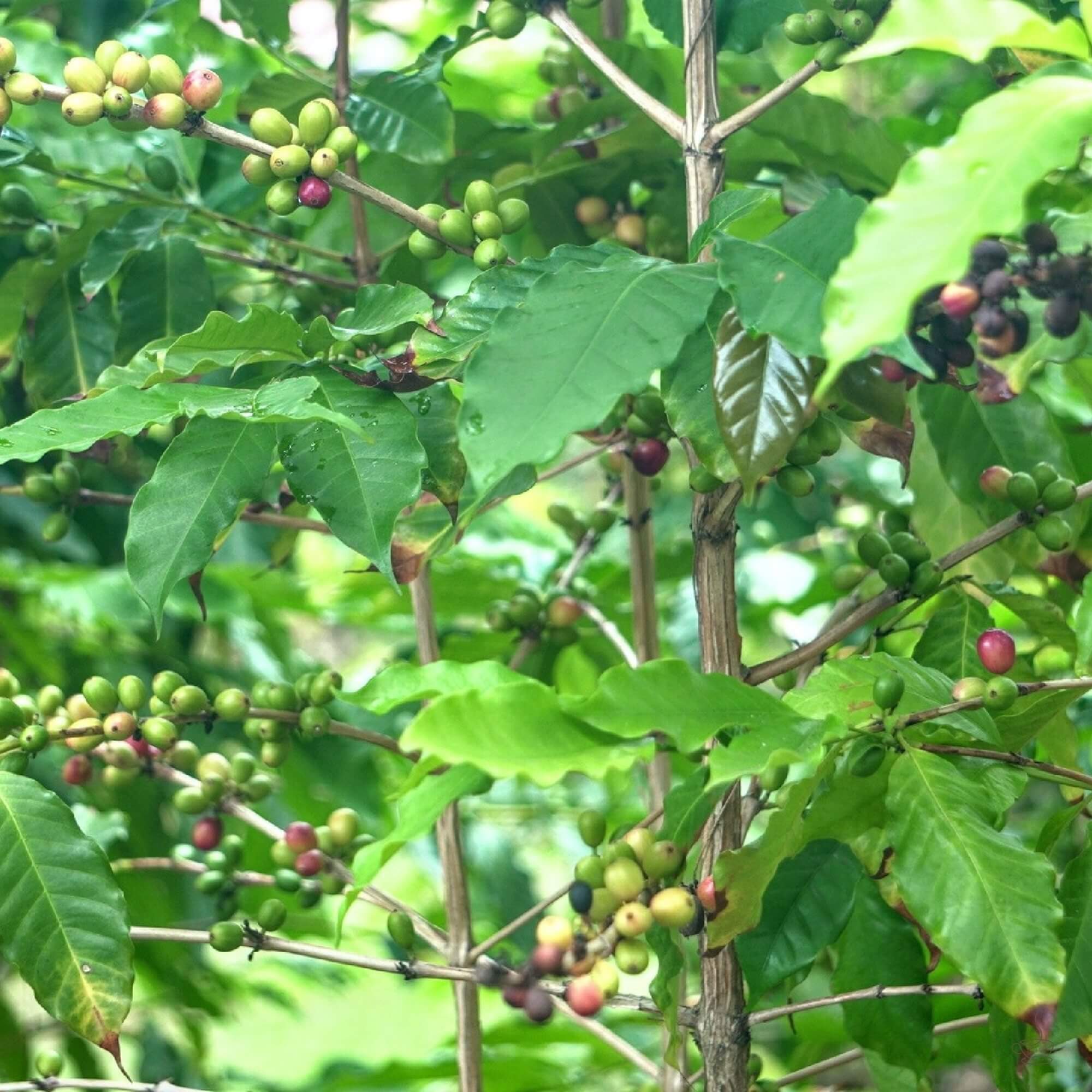
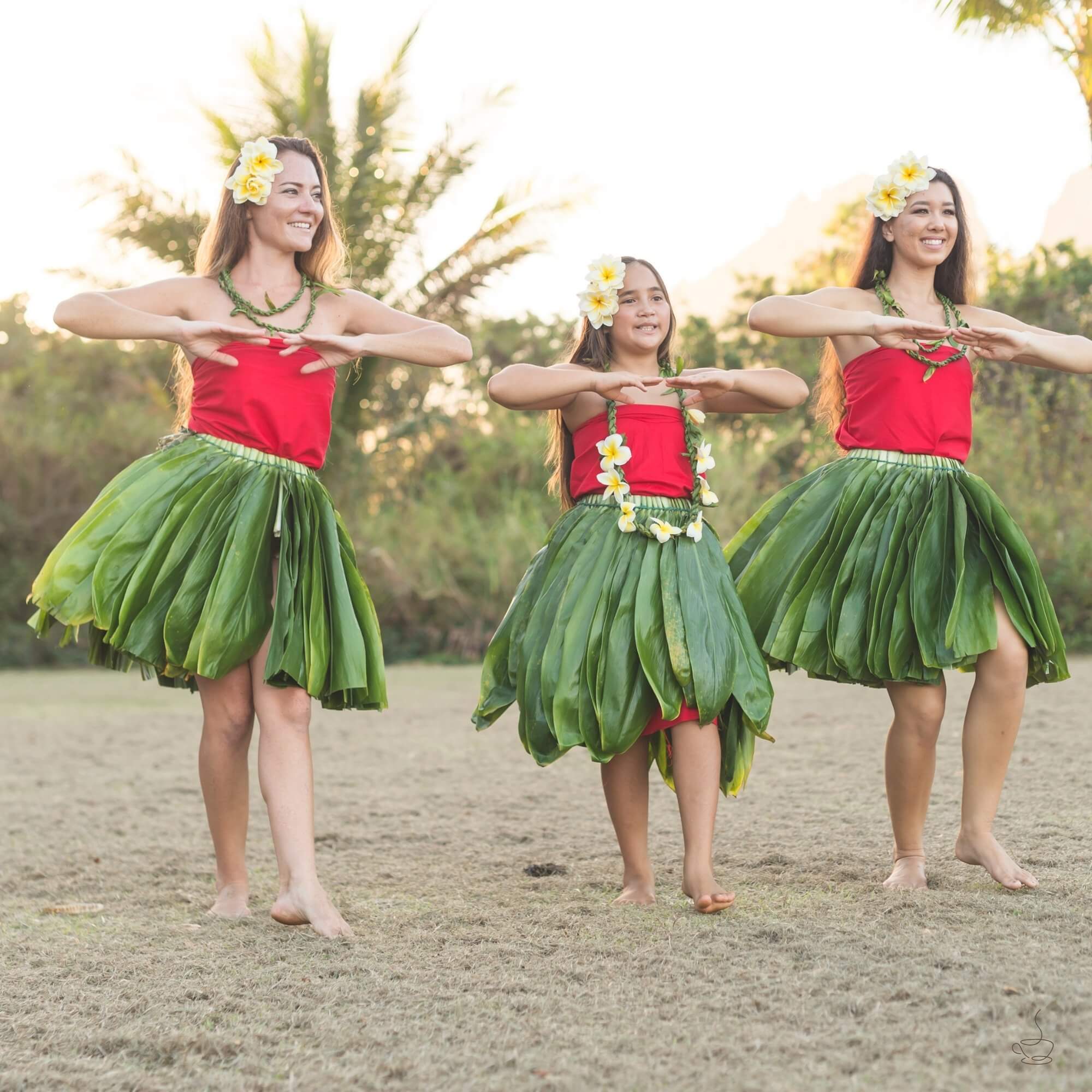
Kona coffee sorting machine.Kona beach.Volcanic soils feed, long-lived coffee trees. Lava meets sea.Producers whose names belong on the bag, not in the fine print.Hula dancers.Iconic views — Kauai mountain valley
Not always. We only use 100% Kona from verified farms and mills, with documentation and cupping that match the
claim — never vague “Kona blend” language that dilutes origin integrity.
How does Hawaiʻi coffee taste compared to other origins?
Expect balanced, approachable cups: caramel and brown sugar sweetness, gentle citrus or stone fruit, and a smooth,
clean finish. It’s more about refinement and clarity than aggressive acidity.
Why is Hawaiʻi coffee priced higher?
Local labor, land, and production costs are significantly higher than most origins. We choose Hawaiʻi lots where
that cost is backed by traceability, careful processing, and cup quality — and we explain that value, not hide it.
Explore More from the Small Batch of Friends World