Antigua
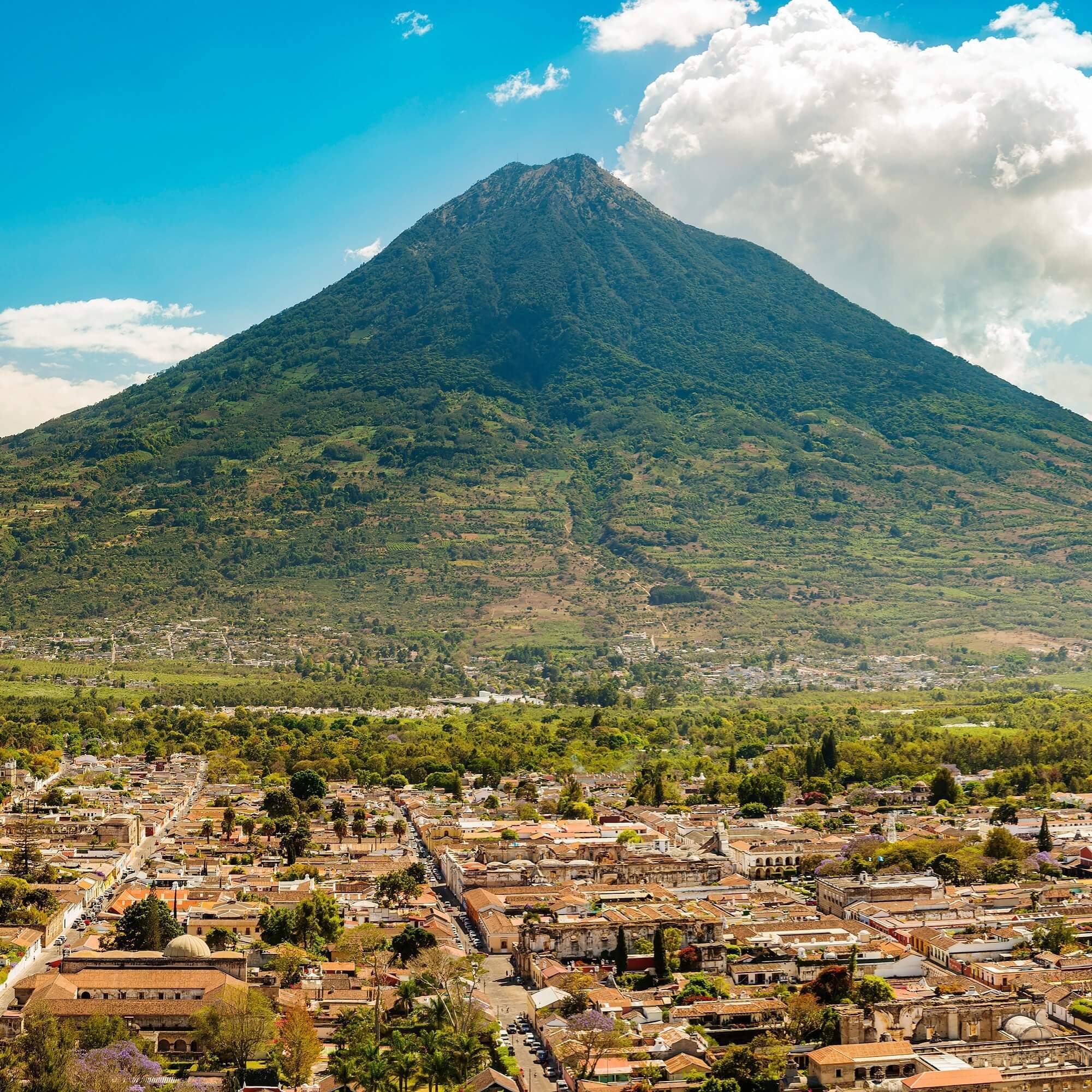
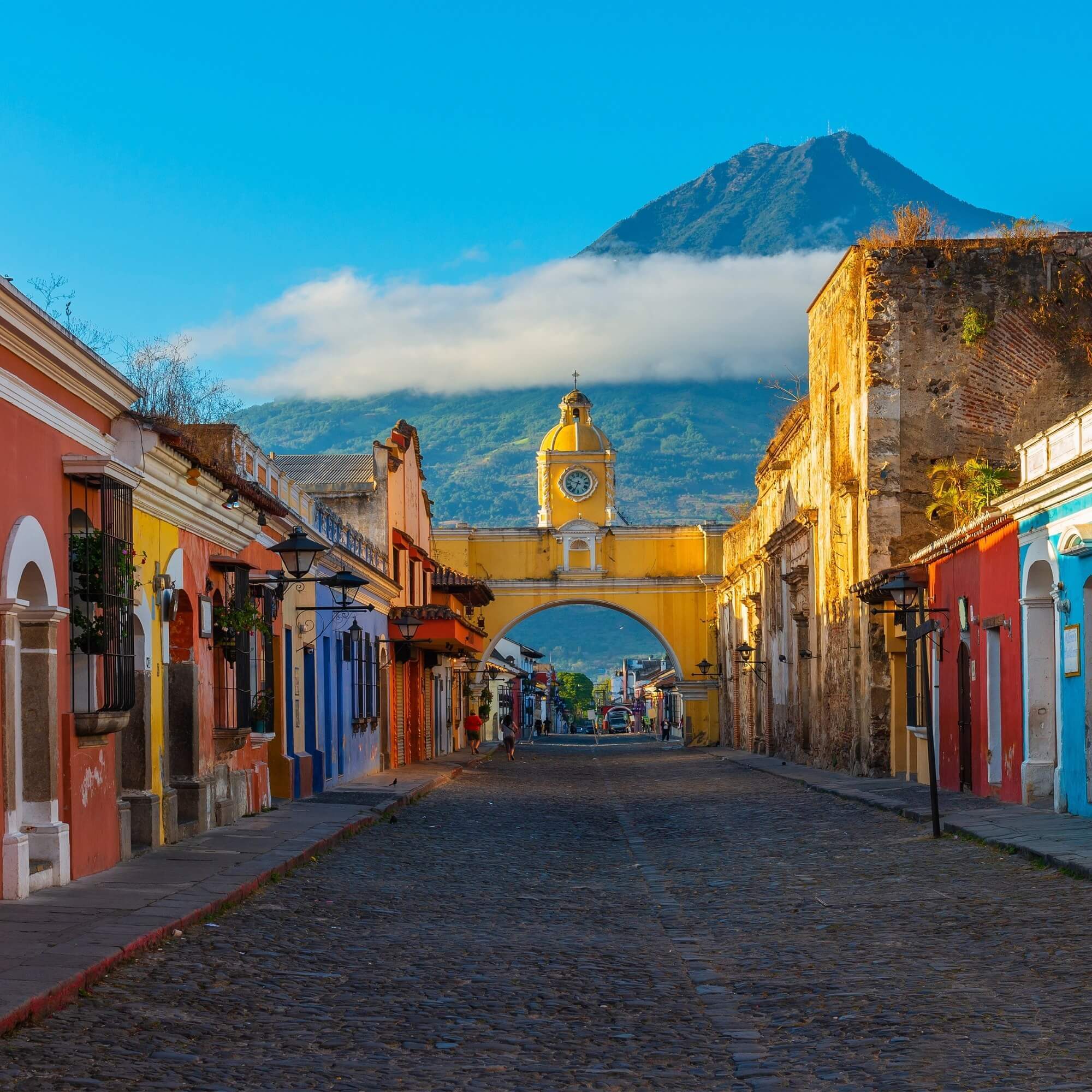
Classic tri-volcano valley with cool nights and rich ash soils.
- Altitude: ~1,500–1,700 m
- Profile: Cocoa, toffee, orange, balanced acidity; polished and versatile.
Guatemala is where altitude, volcanic soils, and distinct valleys converge into structured, chocolate-sweet, fruit-laced cups. From Antigua to Huehuetenango, we buy here when we want clarity, depth, and a story rooted in place and people.
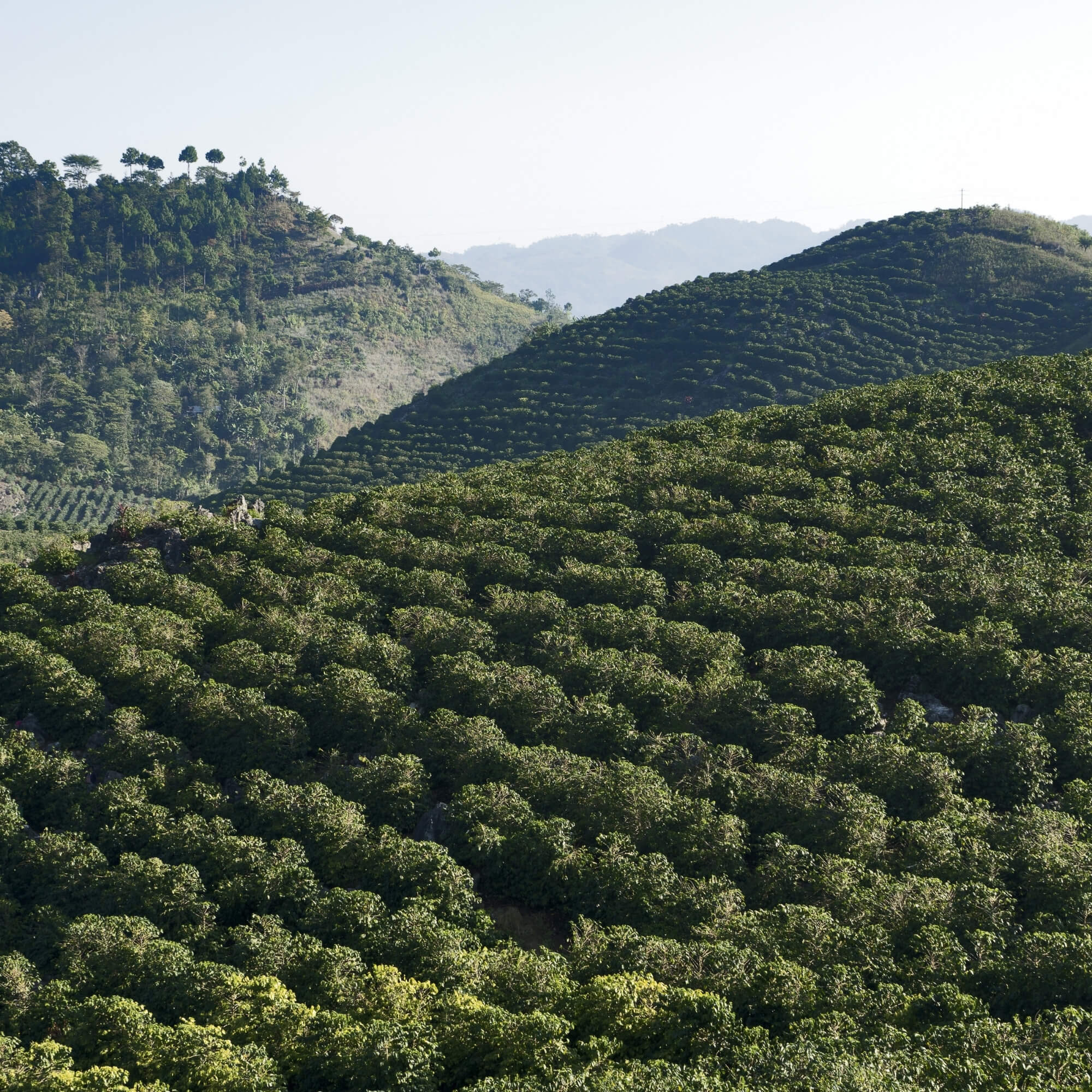
Guatemala’s regions aren’t interchangeable. Each combines altitude, volcanic influence, wind patterns, and picking windows differently — letting us tune from chocolate-rich comfort cups to fruit-forward, competition-ready profiles within one origin.
Classic tri-volcano valley with cool nights and rich ash soils.
Highland, dry, wind-protected slopes near Mexico; remote and dramatic.
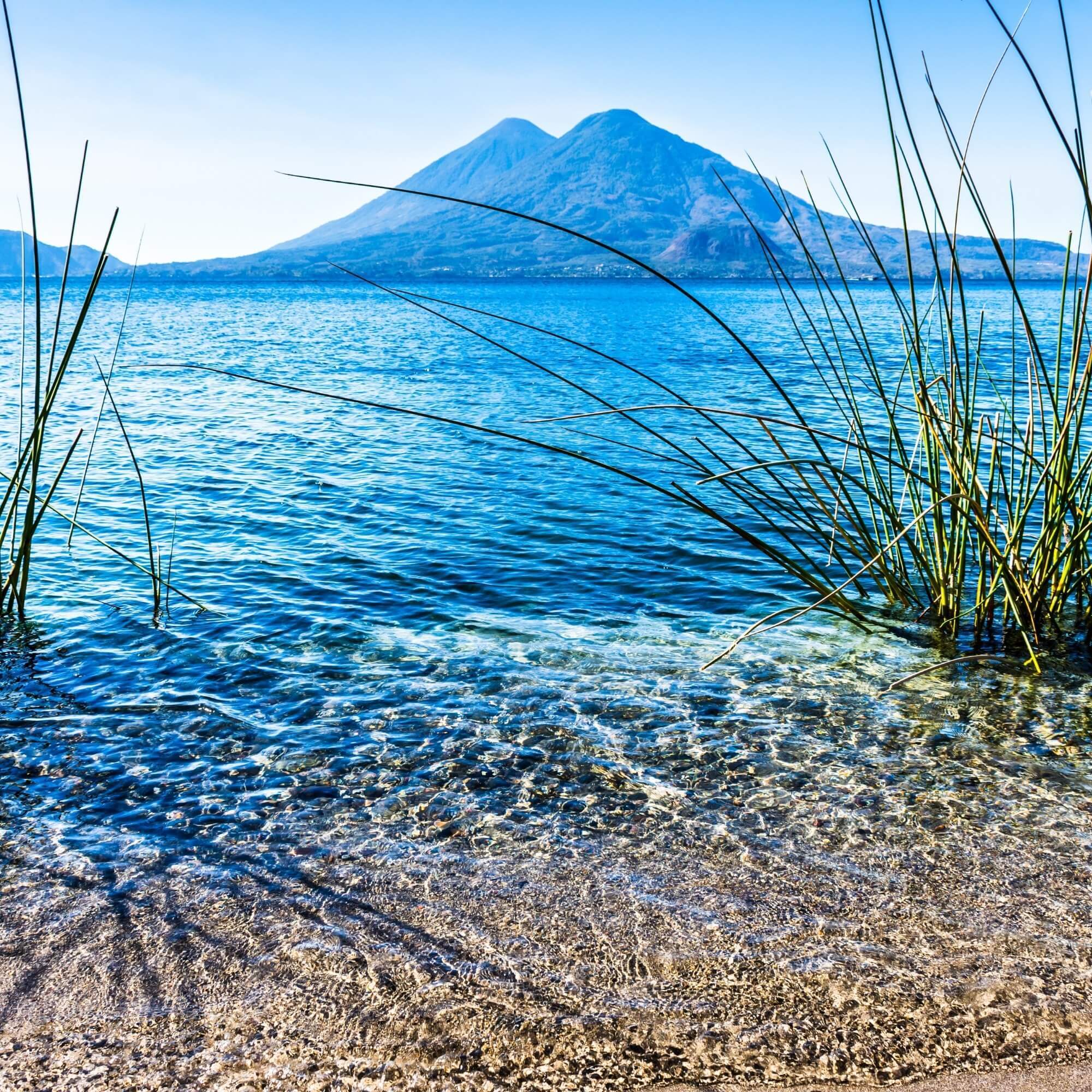
Slopes around Lake Atitlán with steady breezes and volcanic soils.
Humid forests, misty slopes, and varying volcanic influence.
Guatemala’s cup character is built on altitude and complexity: steep mountains, multiple active and dormant volcanoes, and shifting wind and rain patterns create slow cherry maturation and dense seeds. That density translates into deeper sweetness and more room for expressive acidity without losing balance.
Regions like Antigua and Atitlán marry volcanic soils with moderated climates, giving chocolate, caramel, and citrus in a polished structure. Huehuetenango’s high, dry slopes and hot valley winds support very high elevations and late harvests — producing lots with vivid red fruit, floral tones, and excellent clarity when processing is done well.
At Coo Coo’s Coffee, we read Guatemala by role: velvety, chocolate-leaning lots for approachable espresso and blends; high-grown, fruit-driven profiles when we want to showcase origin specificity on filter; all backed by traceable relationships where possible.
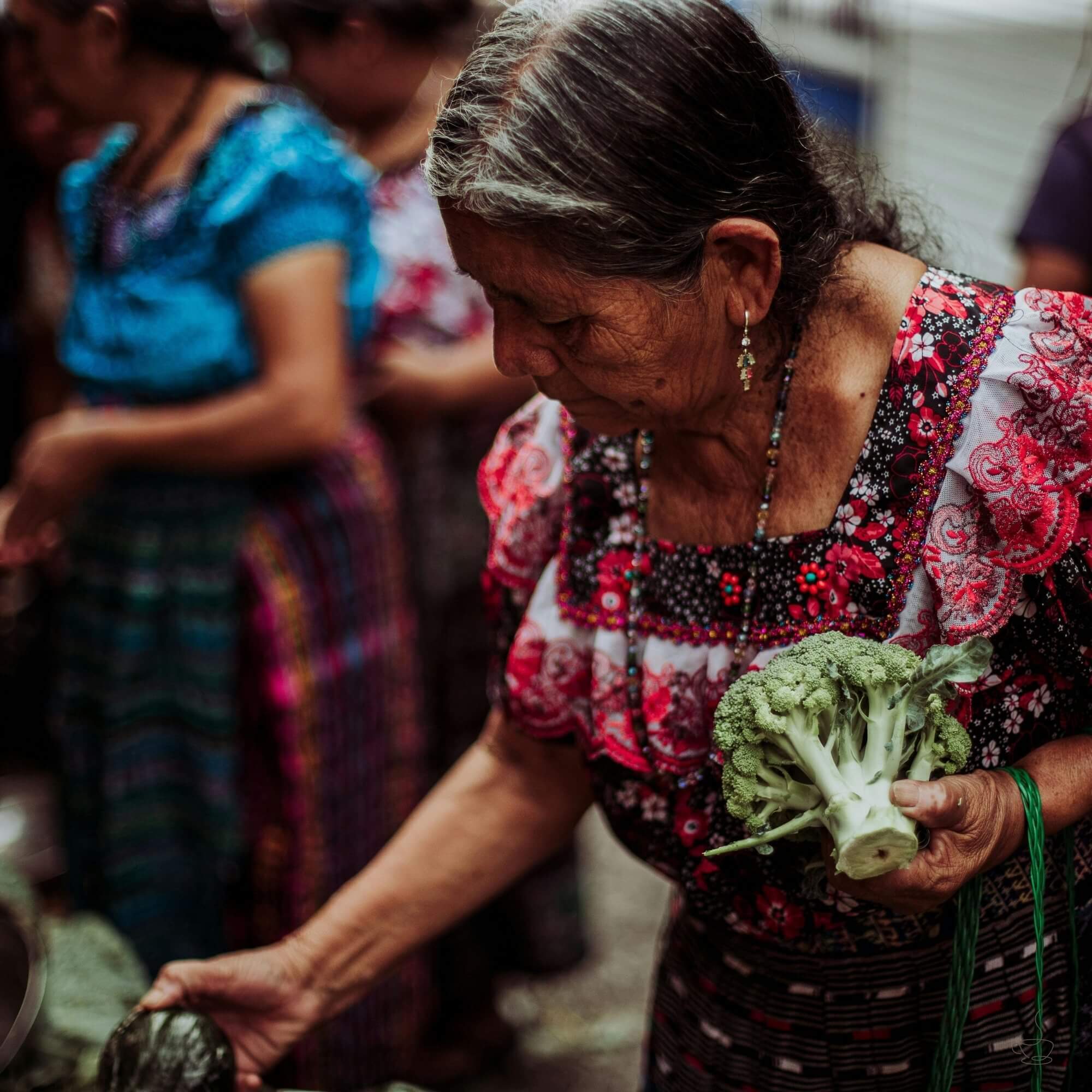
Guatemalan coffee is sustained by smallholders, indigenous communities, estates, and cooperatives that have weathered volatility in prices, climate, and politics. Many regions depend on coffee as a primary income source, making quality premiums and long-term buying especially meaningful. We look to work through partners who invest in training, harvesting standards, and community infrastructure — so when you pour a Guatemalan coffee, you’re backing more than just a flavor profile.
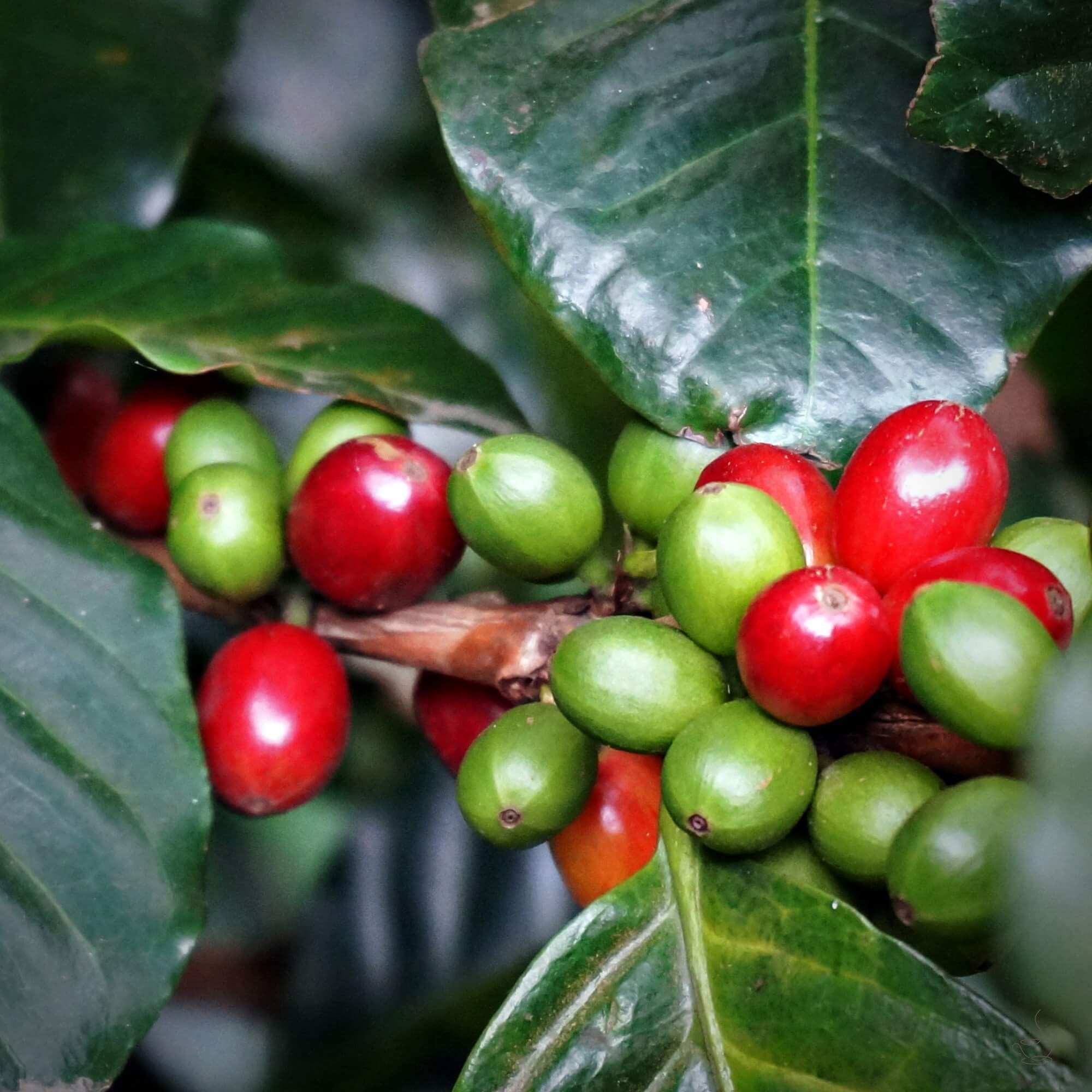
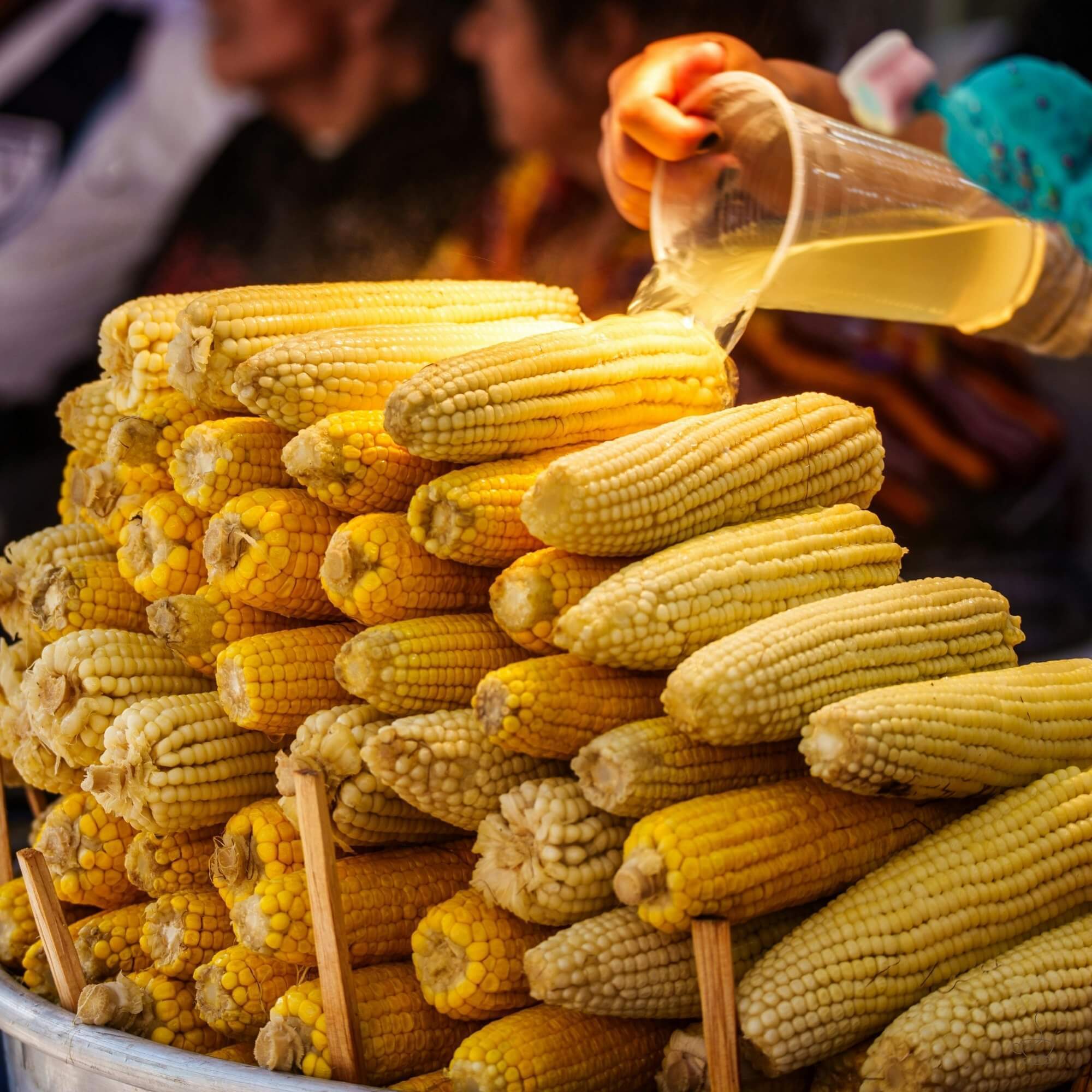
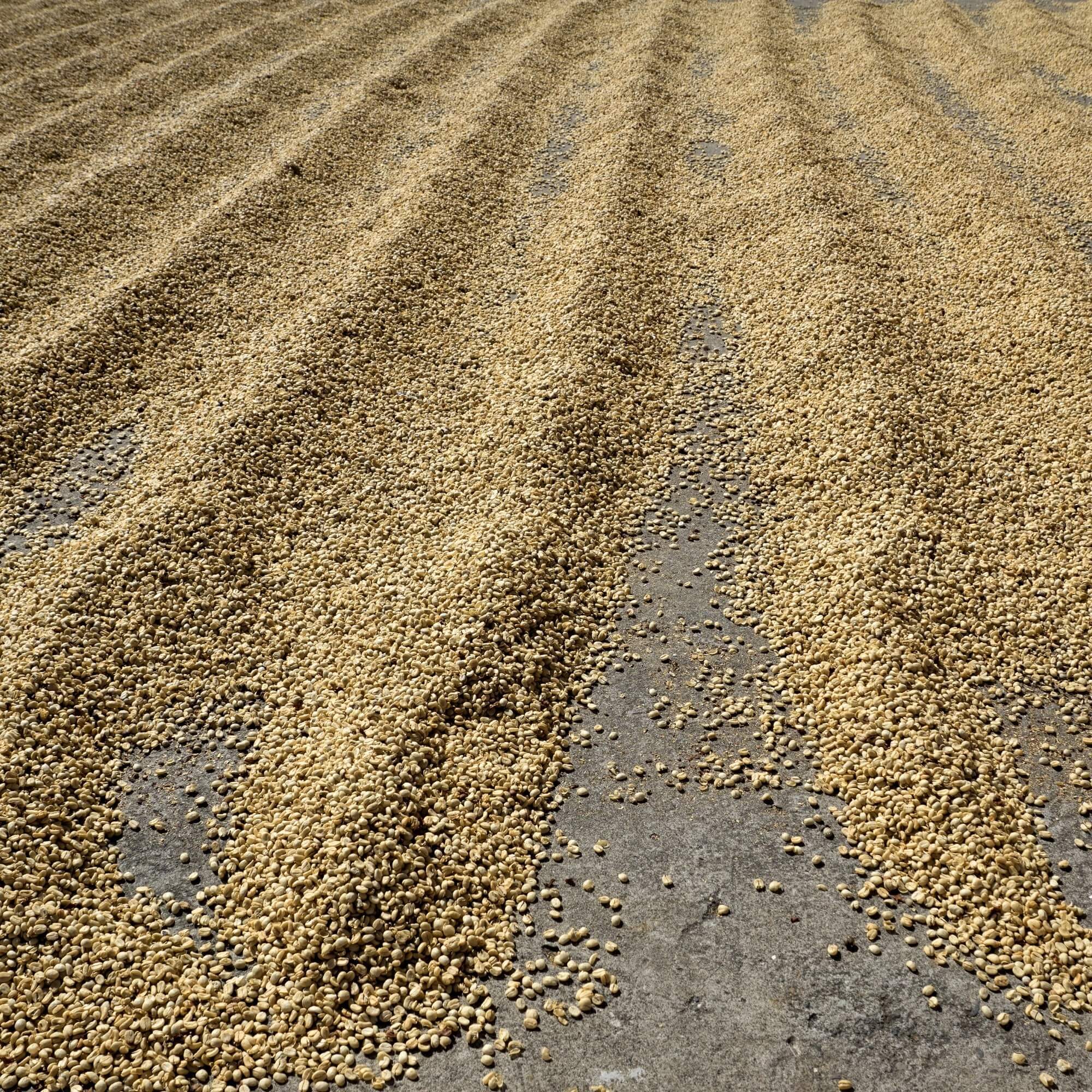
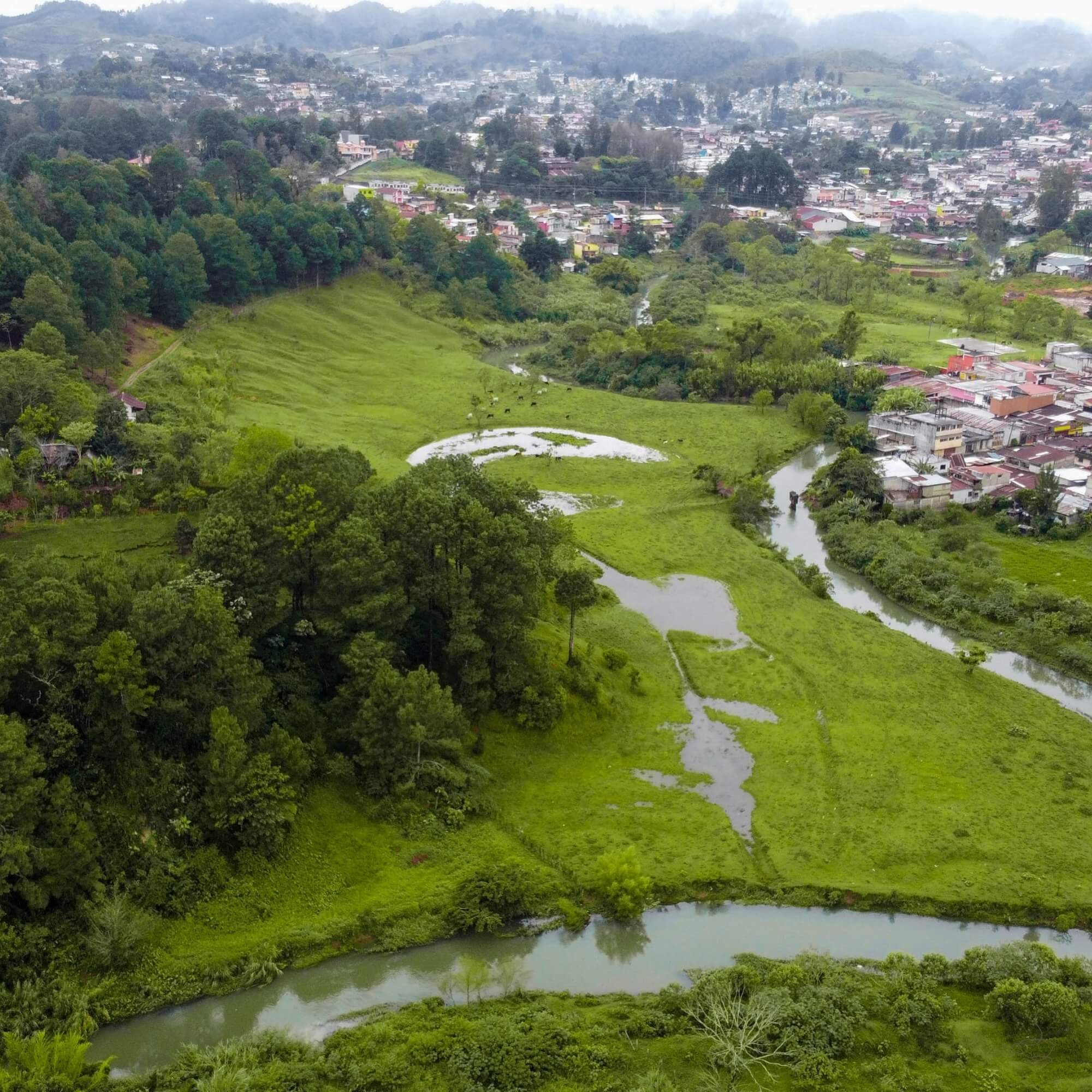
Use imagery to connect guests to place: volcanic ridges, hand-picked cherries, markets, textiles, and the people behind the coffees.
Last updated: November 8, 2025