Ethiopia Coffee Origins — Birthplace, Elevation & Floral Precision

Ethiopia is coffee’s origin story: high elevations, wild diversity, and communities who’ve shaped our idea of a “complex cup” for centuries. This page frames Ethiopia as a confident, transparent centerpiece in our menu — from jasmine-sweet washed lots to fruit-layered naturals.
Citrus & Floral Tea-Like Clarity Stone Fruit & Berries Sweet Honey & Bergamot High Elevation Washed & Natural Icons
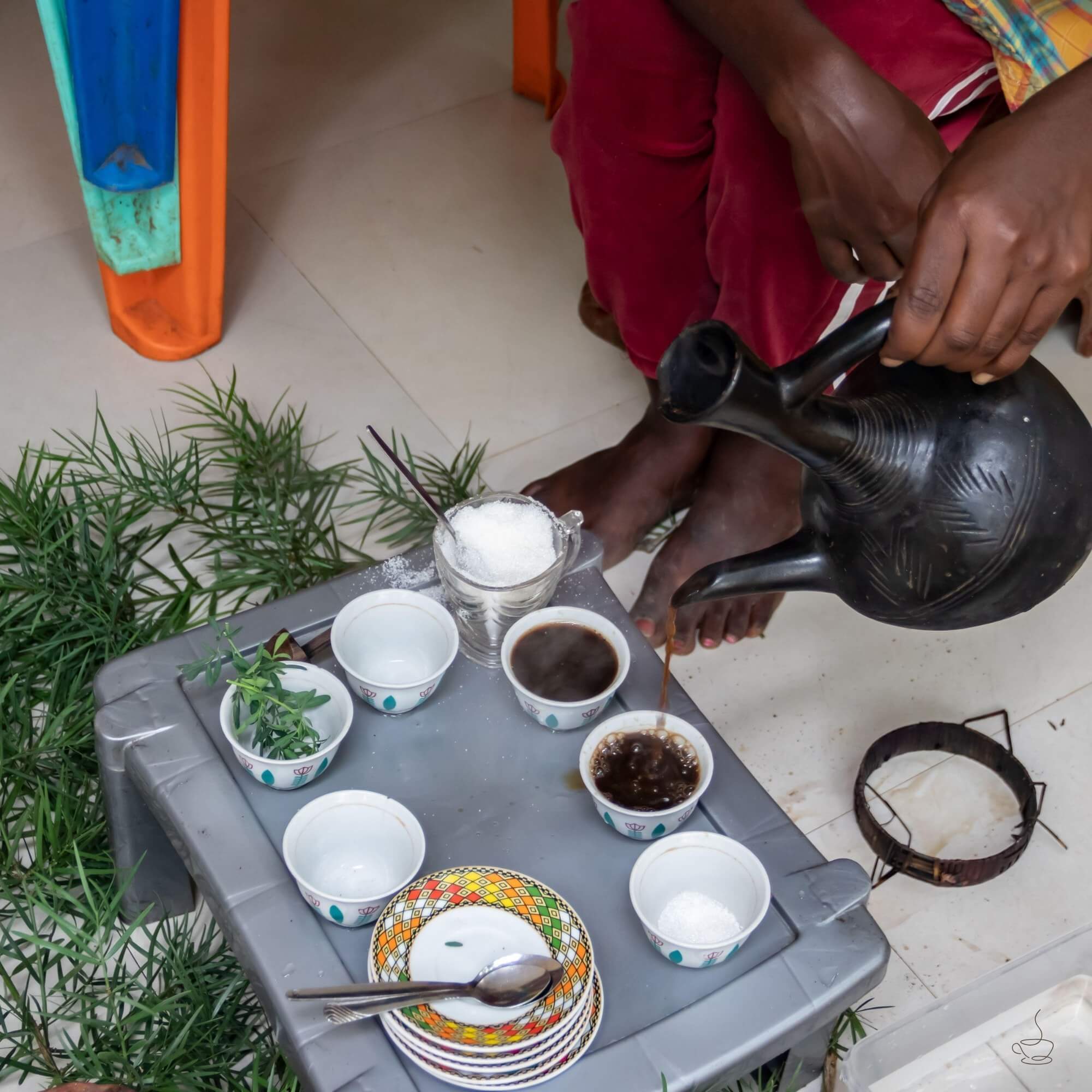
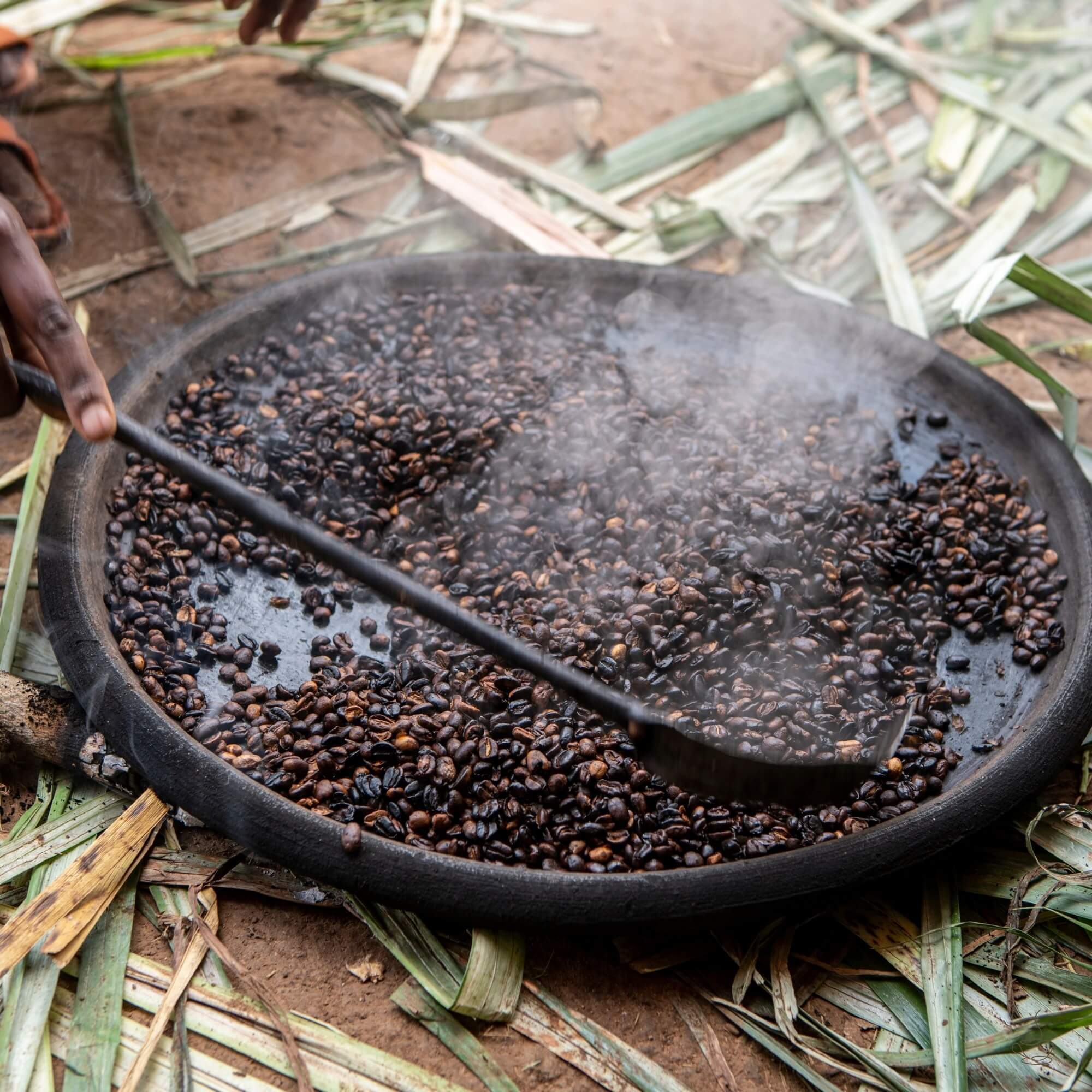
How its done; traditional coffee roasting

Ethiopia at a Glance

Key Regions (Selected)
Yirgacheffe · Sidama · Guji · West Arsi · Limu · Jimma & more
Typical Altitude
~1,700–2,200+ m (one of the world’s highest)
Genetic Diversity
Heirloom / Landrace populations; region-specific selections
Processing
Washed & Natural (Sun-Dried); selective Honey/Experimental
Harvest Window
Approx. Oct – Feb (by zone & elevation)
Flavor Spectrum
Jasmine · Citrus · Stone Fruit · Berries · Tea-like & Sweet

Key Coffee Regions of Ethiopia

Instead of broad stereotypes, we lean into how elevation, varieties, and processing at specific origins shape your cup. These summaries keep it customer-friendly, while the dropdown below adds technical depth.

Yirgacheffe

Smallholder gardens feeding into iconic washing stations.

  • Profile: Jasmine, lemon, bergamot, tea-like body.
  • Role: Signature washed single-origin filters & elegant blend highlights.

Sidama

Diverse zones and elevations; both washed and natural specialties.

  • Profile: Citrus, florals, stone fruit, balanced sweetness.
  • Role: Versatile backbone for bright-but-accessible offerings.

Guji

Forested highlands and evolving traceable microregions.

  • Profile: Ripe stone fruit, berries, florals; naturals with clarity.
  • Role: Character coffees for feature pours & expressive blends.

West Arsi & Surrounds

High altitudes and clean processing pushing modern Ethiopian profiles.

  • Profile: Lime, florals, layered sweetness, precise structure.

Limu, Jimma & Western Origins

Washed estates and organized co-ops with underrated clarity.

  • Profile: Cocoa, citrus, gentle florals; structured and versatile.
Learn more about Ethiopia’s terroir, varieties & processing culture

Ethiopia’s advantage begins with elevation and diversity: thousands of landrace varieties and selections thriving at 1,700–2,200+ meters. Cooler nights and slow cherry development concentrate aromatics, while semi-forest and garden systems preserve biodiversity.

Washed coffees from established washing stations lean toward jasmine, citrus, and tea-like clarity. Naturals, when sorted and dried carefully on raised beds, add blueberries, strawberries, ripe stone fruits, and layered sweetness without the funk. Both styles demand discipline: selective picking, thin bed depth, frequent turning, and clean water sources.

At Coo Coo’s Coffee, we treat Ethiopia as both a flagship and a calibration tool: if an Ethiopian lot isn’t vibrant, clean, and sweet, something is wrong. We map each lot to a role — expressive single origins, lift in blends, or limited features — and roast to preserve florals and fruit rather than bury them.

Processing & Our Approach to Ethiopian Coffees

People, Ceremony & Everyday Coffee Culture

Coffee is not a trend in Ethiopia — it is daily ritual and deep history. From traditional jebena ceremonies to urban cafés in Addis Ababa, coffee connects households, markets, and export economies. Our goal is to talk about Ethiopia with respect: acknowledging origin, paying attention to how lots are built at the washing-station and smallholder level, and avoiding stereotypes that flatten a complex, living coffee culture.

Ethiopia in Pictures

Use photography to connect floral, citrusy cups to real places: highland farms, washing stations, markets, and coffee ceremonies.
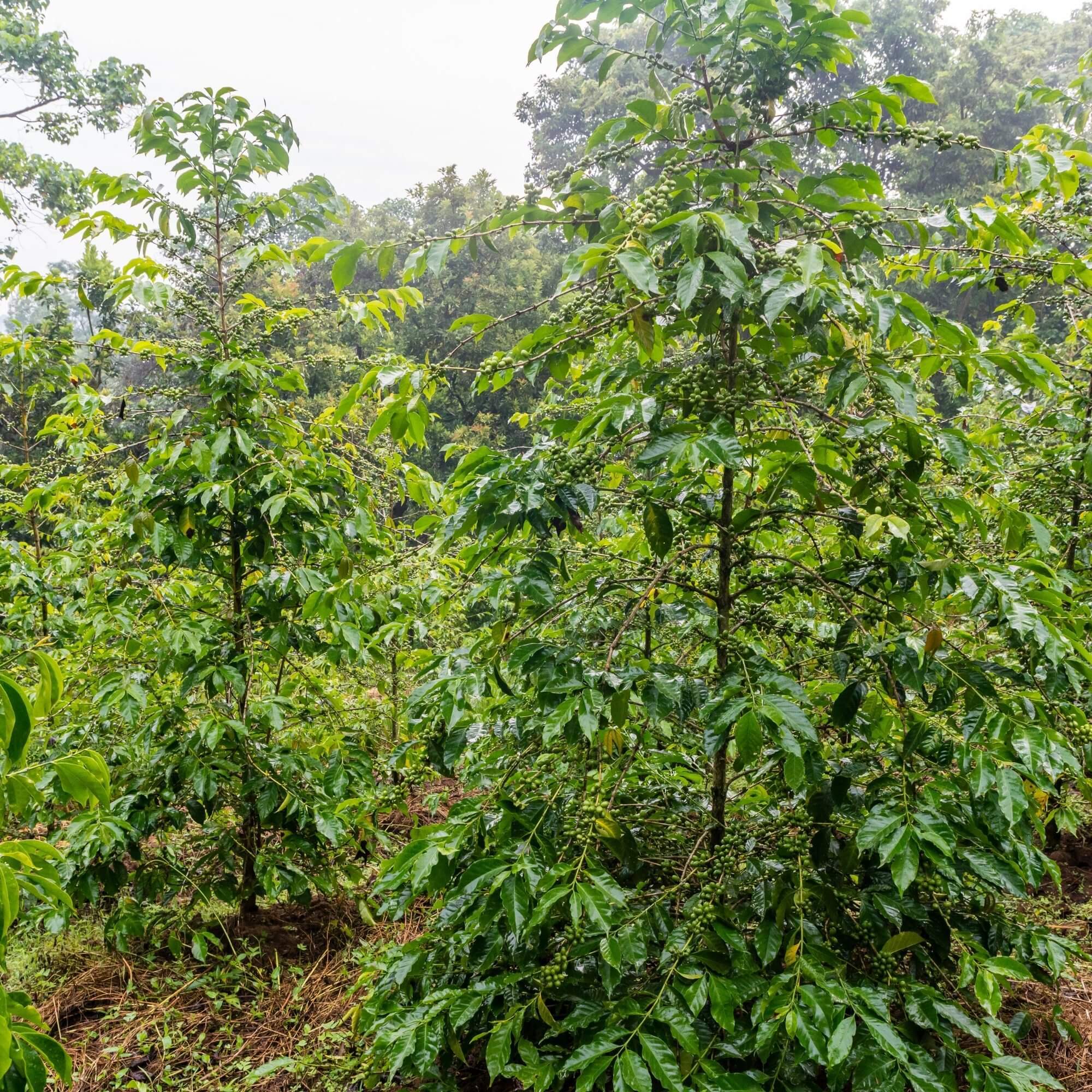
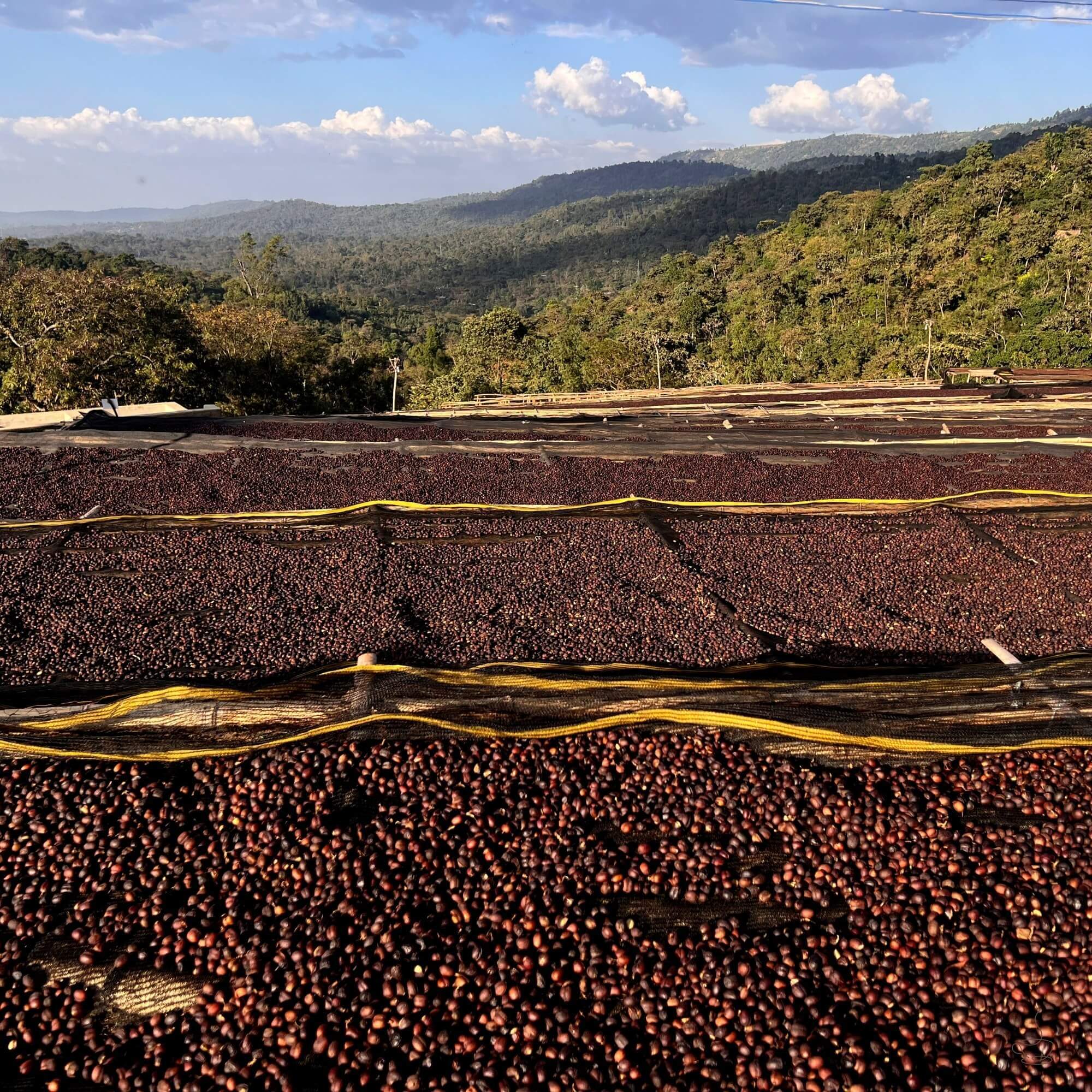
Ethiopian highland coffee landscape with terraced farms
Highland landscapes where elevation and shade build delicate structure.
Raised beds at an Ethiopian coffee washing station
Raised beds & careful drying behind clean washed and natural profiles.
Traditional Ethiopian coffee ceremony setup
Ceremony, incense, and conversation — origin culture in motion.
Ripe red coffee cherries on Ethiopian coffee trees
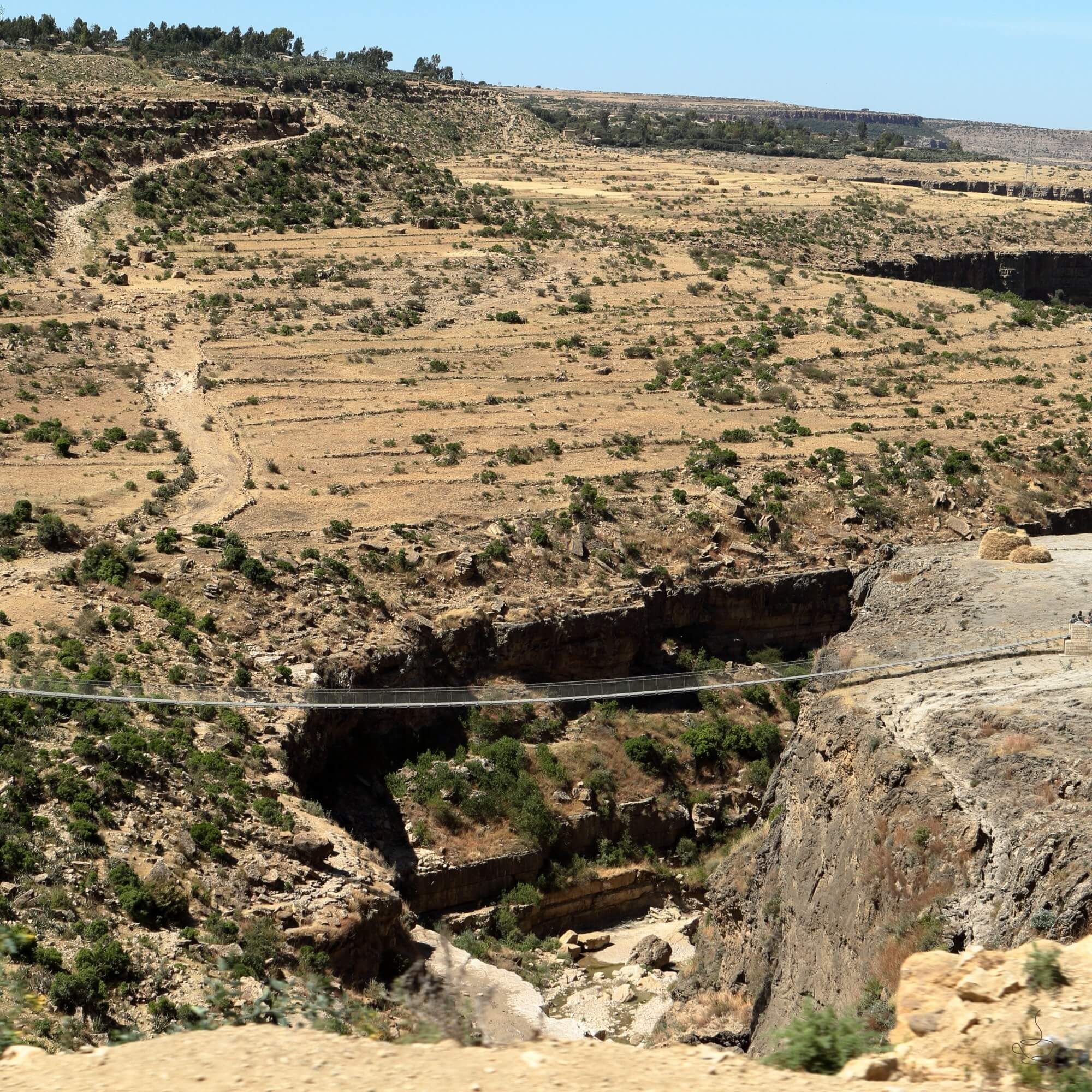
So much history; Great Rift Valley
Coffee drying on raised beds in Ethiopia
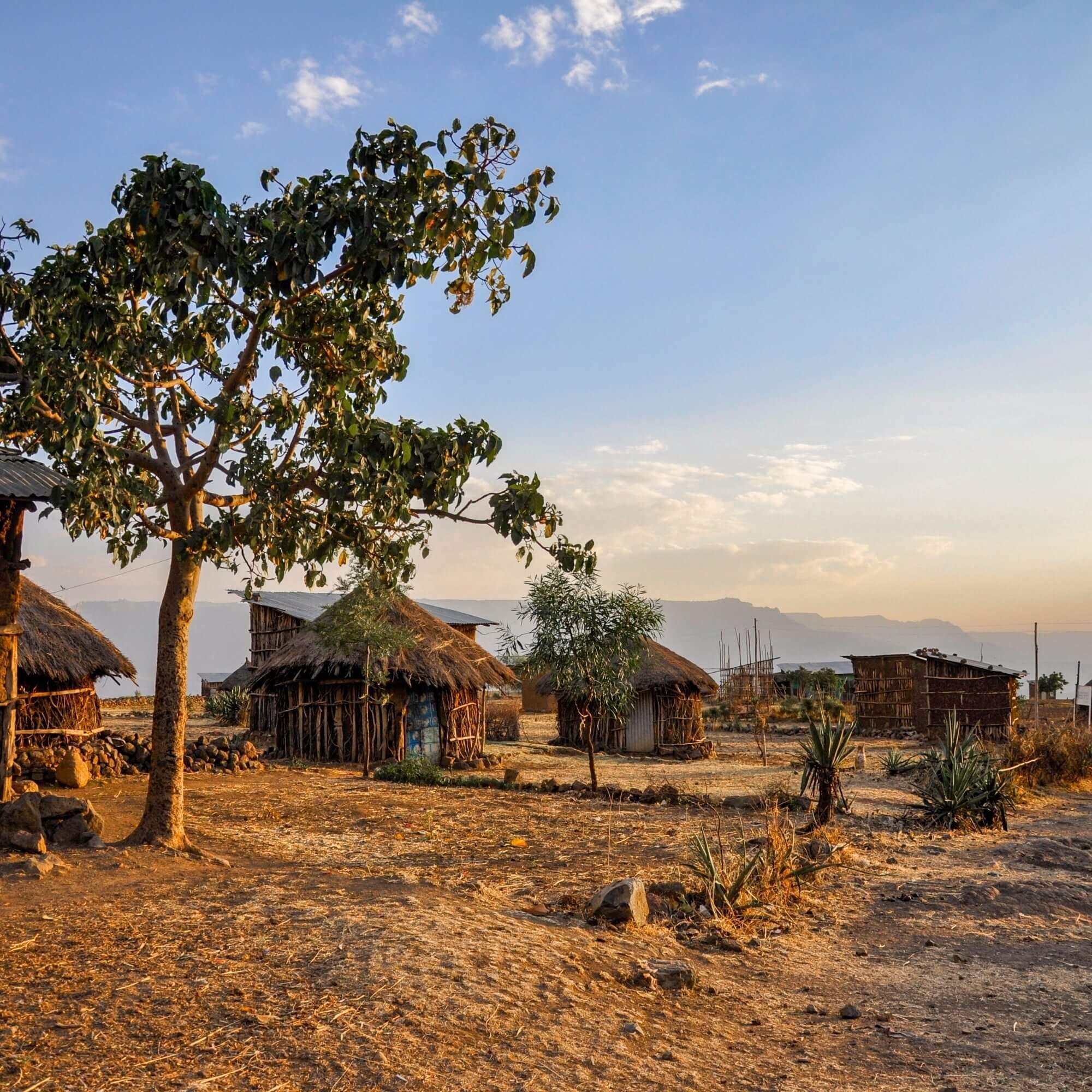
Na'akuto la'ab village
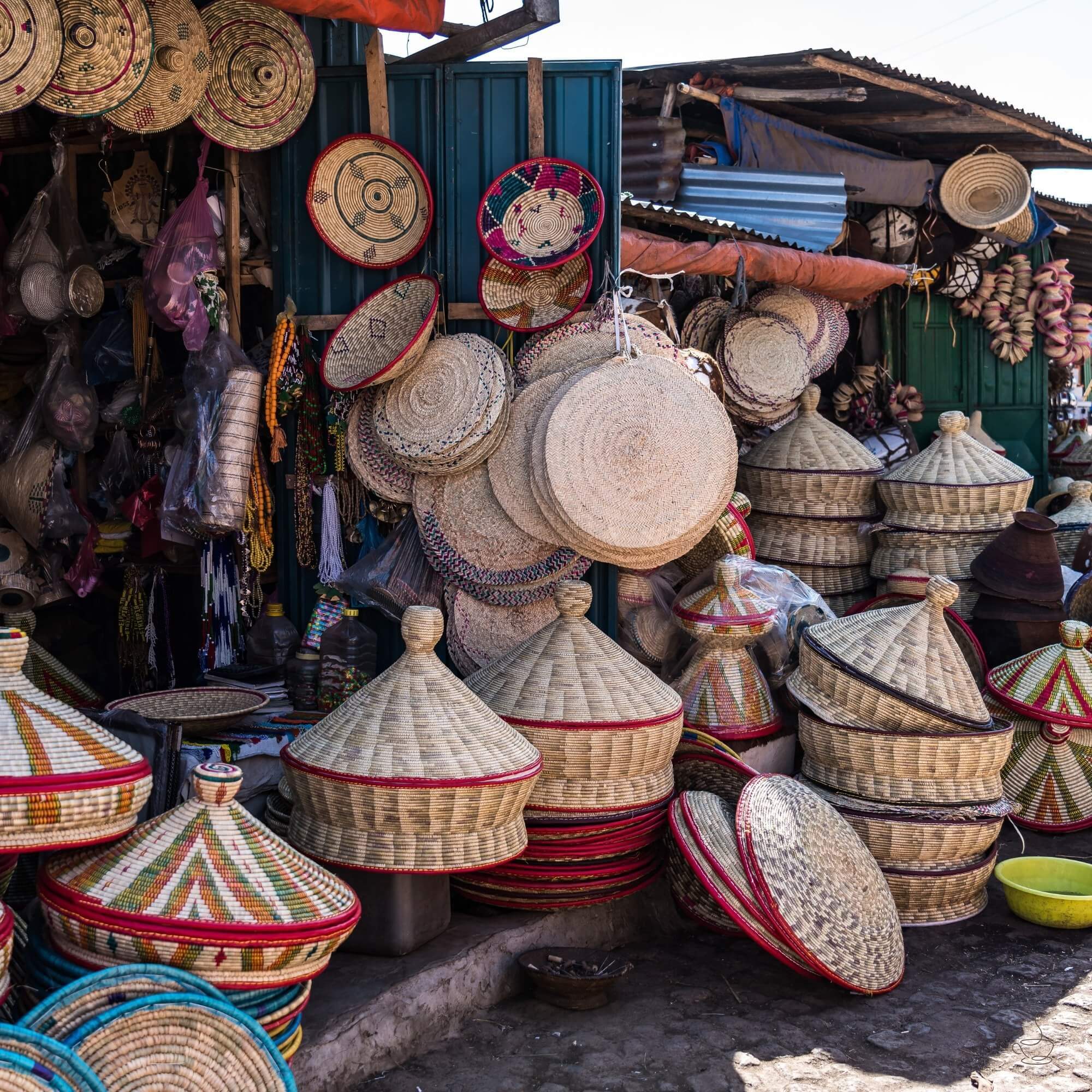
Spice and coffee market scene in Ethiopia
Markets linking local consumption and export stories. Africa's largest market.
Ethiopian coffee producer holding parchment coffee
Traditional hand held eating injera.
Cupping table with Ethiopian coffees being evaluated
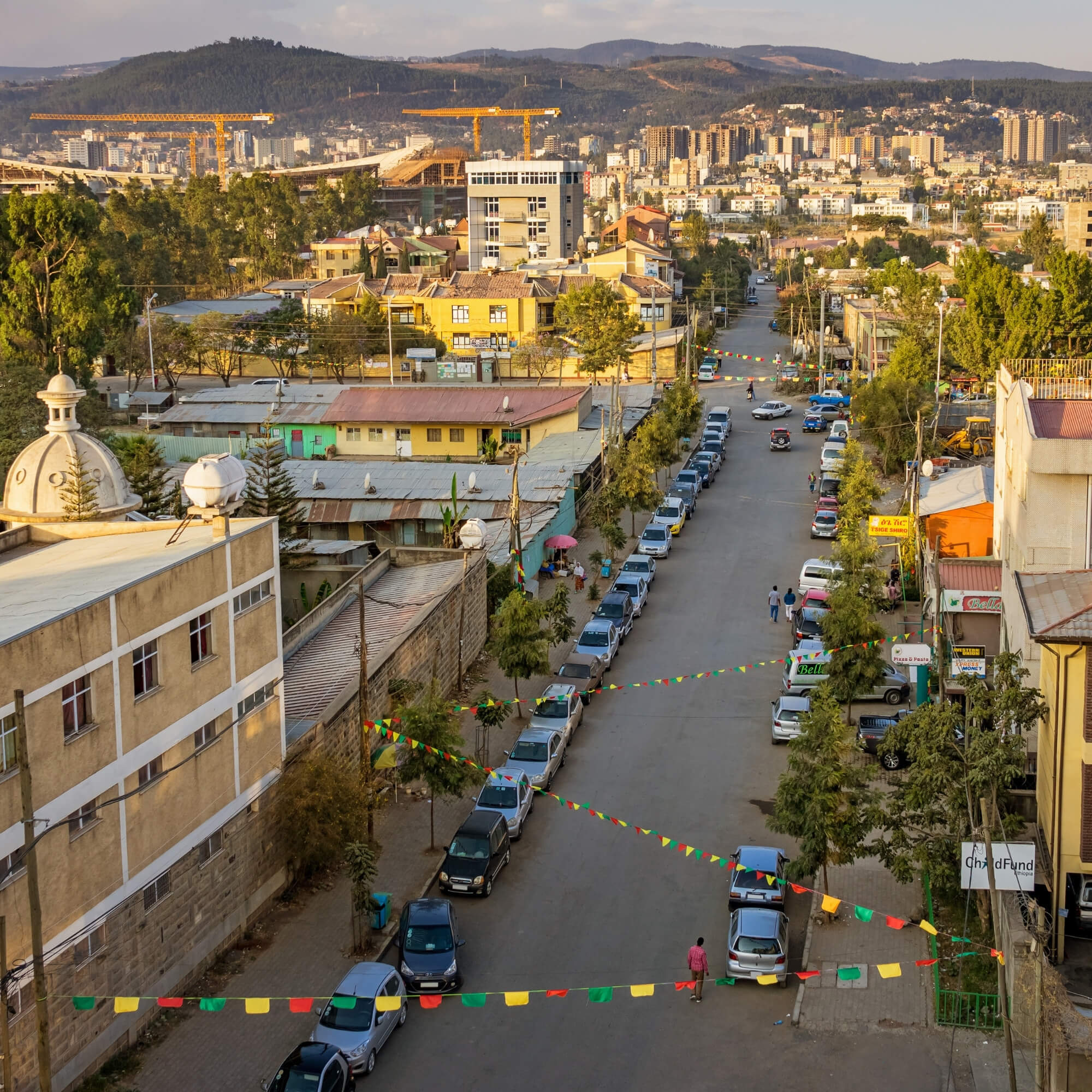
Cityscape of Addis Ababa
Street scene in Addis Ababa with cafes
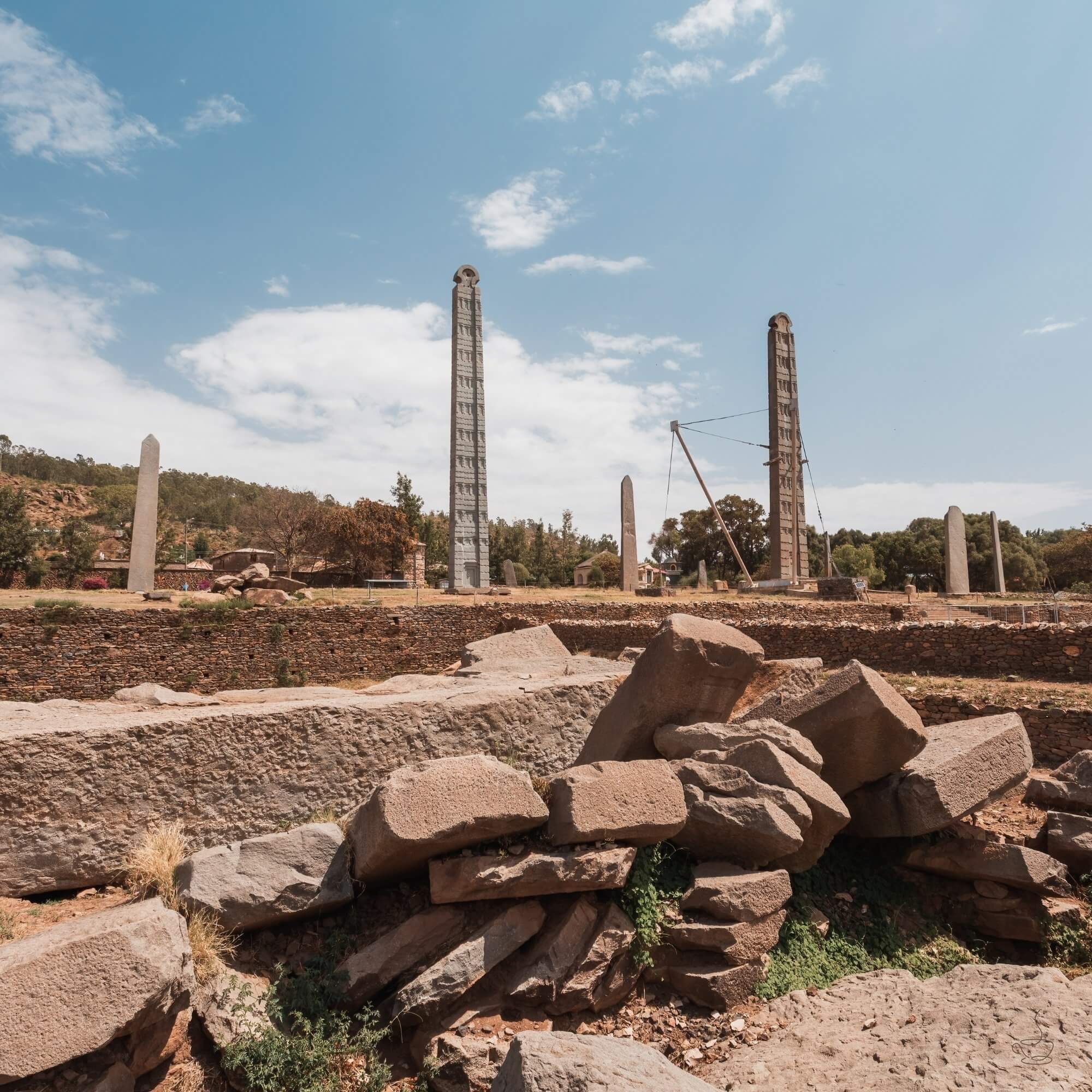
famous ancient obelisks in Aksum

Ethiopia Origin FAQ

Why are Ethiopian coffees so floral and complex?
High elevations, diverse local varieties, and careful washed/natural processing create intense aromatics and layered acidity. When we buy Ethiopia, we’re specifically chasing that clarity and complexity.
Are all Ethiopian coffees high-acid?
Many are bright, but not harsh. Profiles range from citrusy and tea-like to round, berry-driven naturals. We select lots that are vibrant, sweet, and balanced — never sour or thin.
How transparent is your sourcing in Ethiopia?
Wherever possible, we list the specific co-op, washing station, or exporter, along with region, harvest year, and process. As relationships deepen, we’ll share more detailed producer and project stories on our Ethiopia Origin Stories page.