El Salvador Coffee Origins — Pacamara Heritage & Volcanic Precision

El Salvador is small, steep, and technical — a country where careful producers turn volcanic slopes into elegant coffees: red-fruit sweetness, orange zest, cocoa, and the iconic Pacamara character that rewards anyone paying attention.
Red Fruit & Citrus Caramel & Cocoa Balanced Acidity Pacamara & Bourbon Volcanic Clarity
El Salvador coffee farm on green volcanic slopes at sunrise
From Apaneca-Ilamatepec to Chalatenango, El Salvador’s volcanic cordillera shapes some of Central America’s most precise, characterful coffees.

El Salvador at a Glance

Altitude
1,000–1,800+ m in key ranges
Varieties
Bourbon · Pacas · Pacamara · Typica · Catuaí
Processing
Washed · Honey · Natural (often carefully executed)
Harvest Window
Approx. Dec–Mar (elevation dependent)
Producer Structure
Family estates & quality-focused projects; strong traceability potential
Flavor Spectrum
Caramel · Cocoa · Red Fruit · Citrus · Florals (Pacamara)

Key Coffee Regions of El Salvador

El Salvador’s strength is focused: a handful of volcanic cordilleras with deep coffee history, meticulous producers, and varieties that reward careful roasting.

Apaneca–Ilamatepec

Western volcanic range with some of the country’s most established specialty farms.

  • Altitude: ~1,000–1,700 m
  • Profile: Caramel, cocoa, citrus, red fruit; clean and structured.

Santa Ana & Sonsonate

Iconic volcano slopes and long-time estates with tight processing controls.

  • Altitude: ~1,200–1,800 m
  • Profile: Sweet citrus, red apple, cocoa; elegant acidity.

Chalatenango

Northern highlands, home to award-winning Pacamara and micro-lots.

  • Altitude: ~1,300–1,800+ m
  • Profile: Florals, stone fruit, layered sweetness; showpiece coffees.

Tecapa–Chinameca & Alotepeque–Metapán

Volcanic chains and borderlands with growing specialty focus.

  • Altitude: ~1,200–1,700 m
  • Profile: Sweet, clean, citrus and cocoa; project-driven differentiation.
Learn more about El Salvador’s terroir, varieties & why it stands out

El Salvador’s coffee belt is compact but refined: steep volcanic slopes, well-defined elevations, and a long tradition of Bourbon, Pacas, and Pacamara cultivation. Many farms have generations of experience and the infrastructure to process consistently.

Volcanic soils and stable microclimates support slow, even cherry development. When matched with selective picking and disciplined washed, honey, or natural processing, you get cups that feel precise rather than wild: caramel and cocoa anchored with citrus, red fruit, and occasional florals.

At Coo Coo’s Coffee, we look to El Salvador when we want coffees that tell a story of technical craft — traceable estates, clearly documented processes, and profiles that respond beautifully to intentional roast curves.

Processing & How We Use El Salvador in the Lineup

People, Heritage & Coffee Culture

El Salvador’s specialty movement is built on deep-rooted estates, progressive agronomy, and families who treat processing as craft. We aim to work with partners who match that reputation with transparency: documented picking, fermentation, drying, and long-term commitments to soil health and worker well-being.

El Salvador in Pictures

Use images that feel specific: volcano skylines, tidy farms, raised beds, and the daily life that surrounds this compact, high-skill origin.
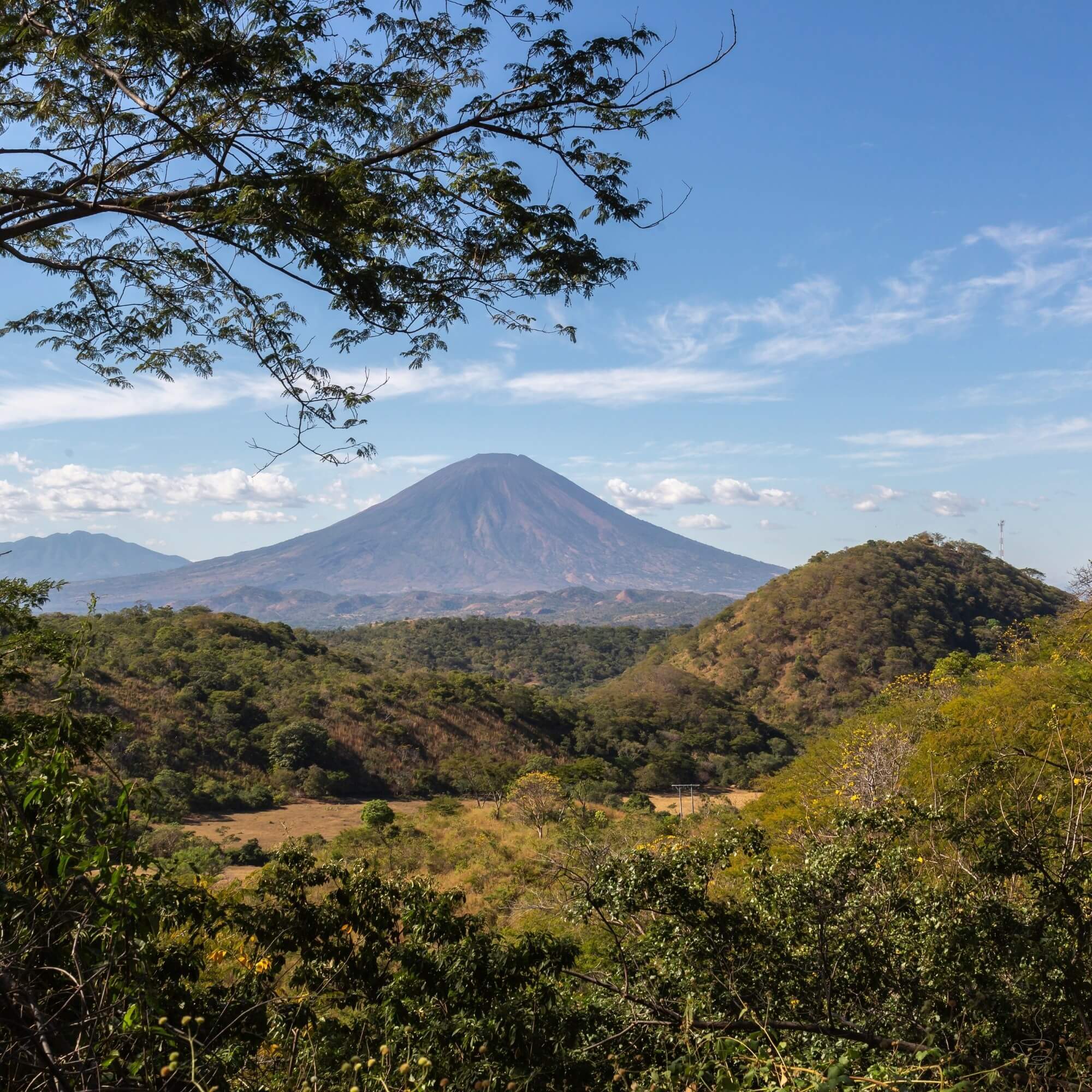
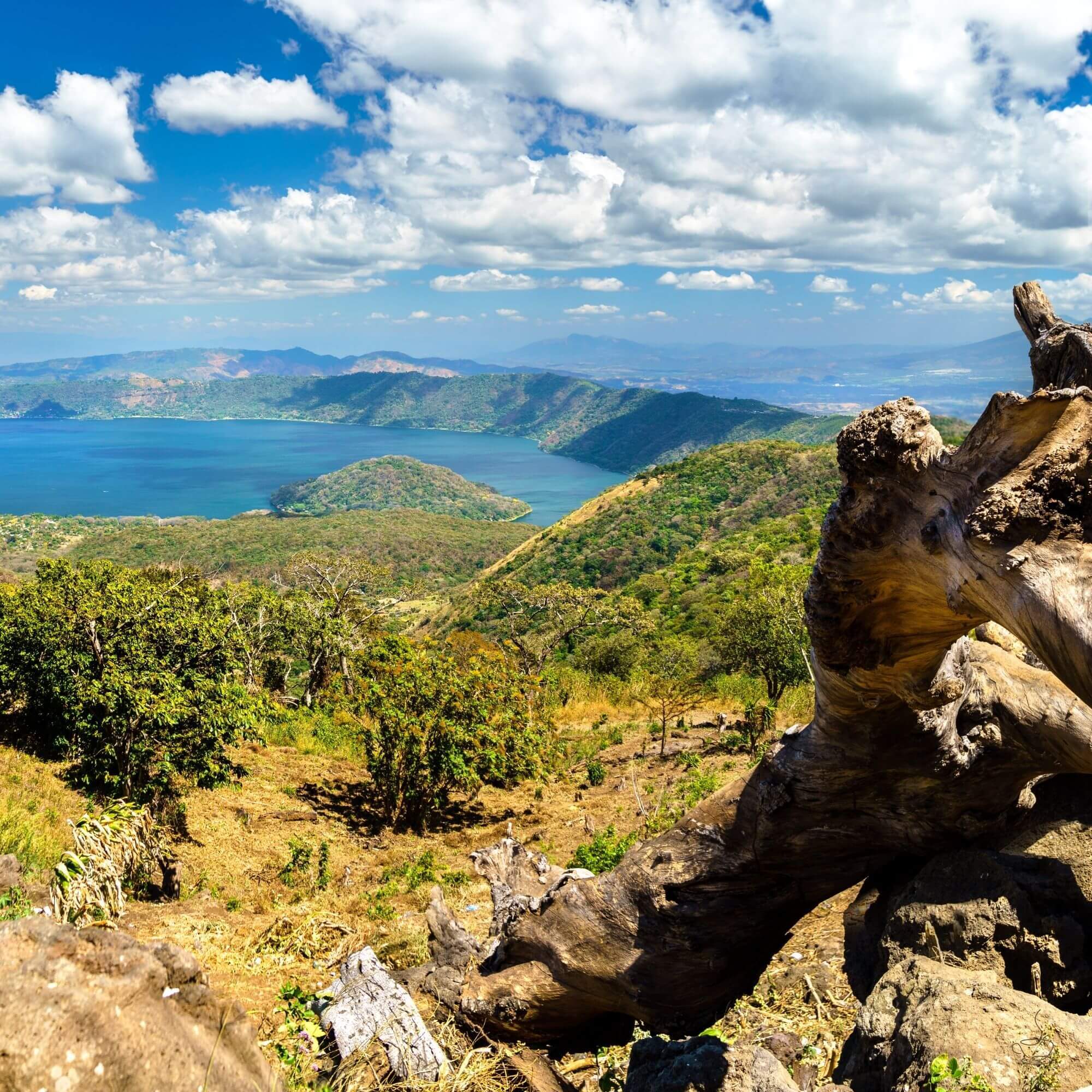
Volcano overlooking El Salvador coffee-growing region
Volcanic ridges framing the country’s key coffee cordilleras.
El Salvador coffee farm with shade trees
Coatepeque Lake
Historic Salvadoran town street
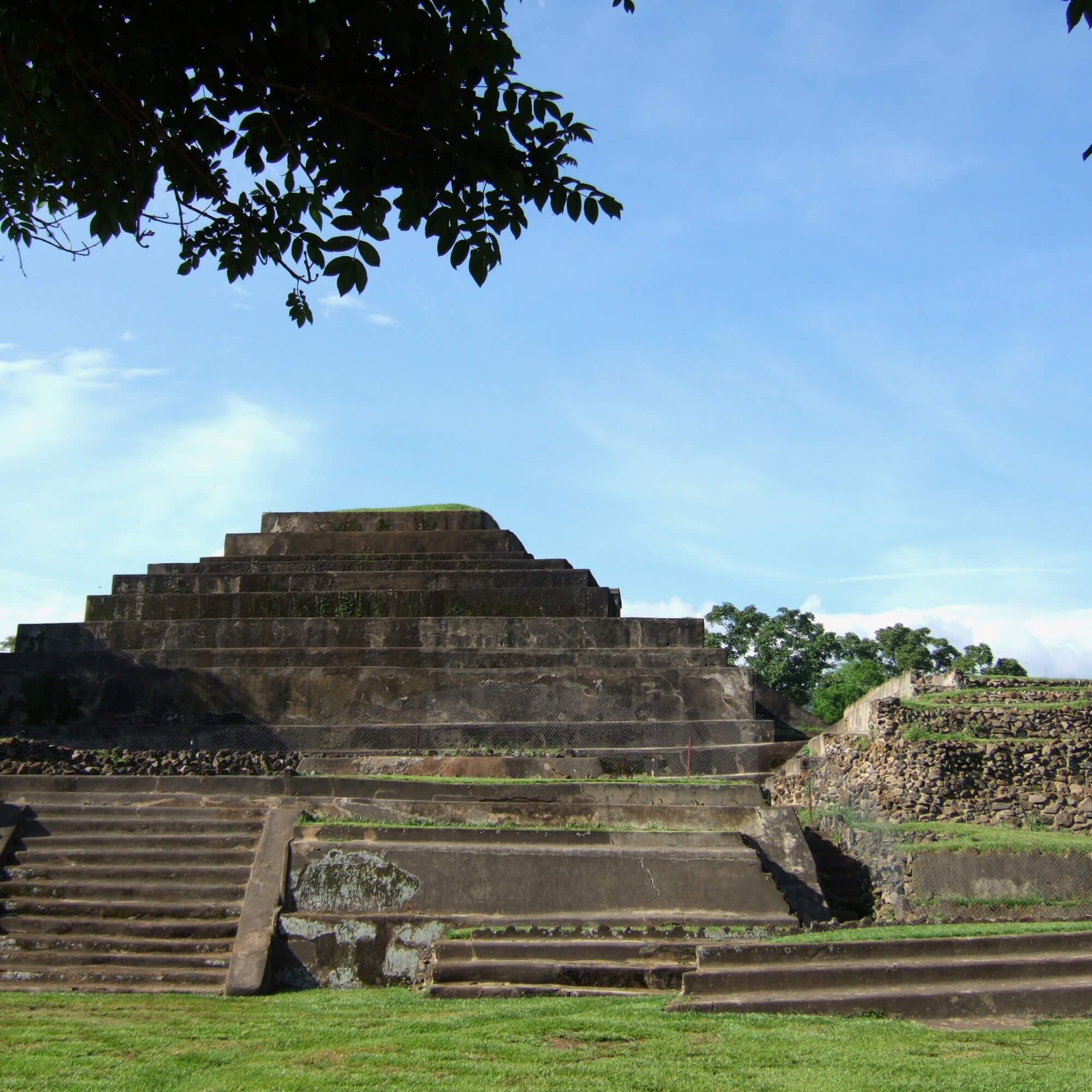
Tazumal Mayan Ruins
Coffee rows contouring El Salvador hillside
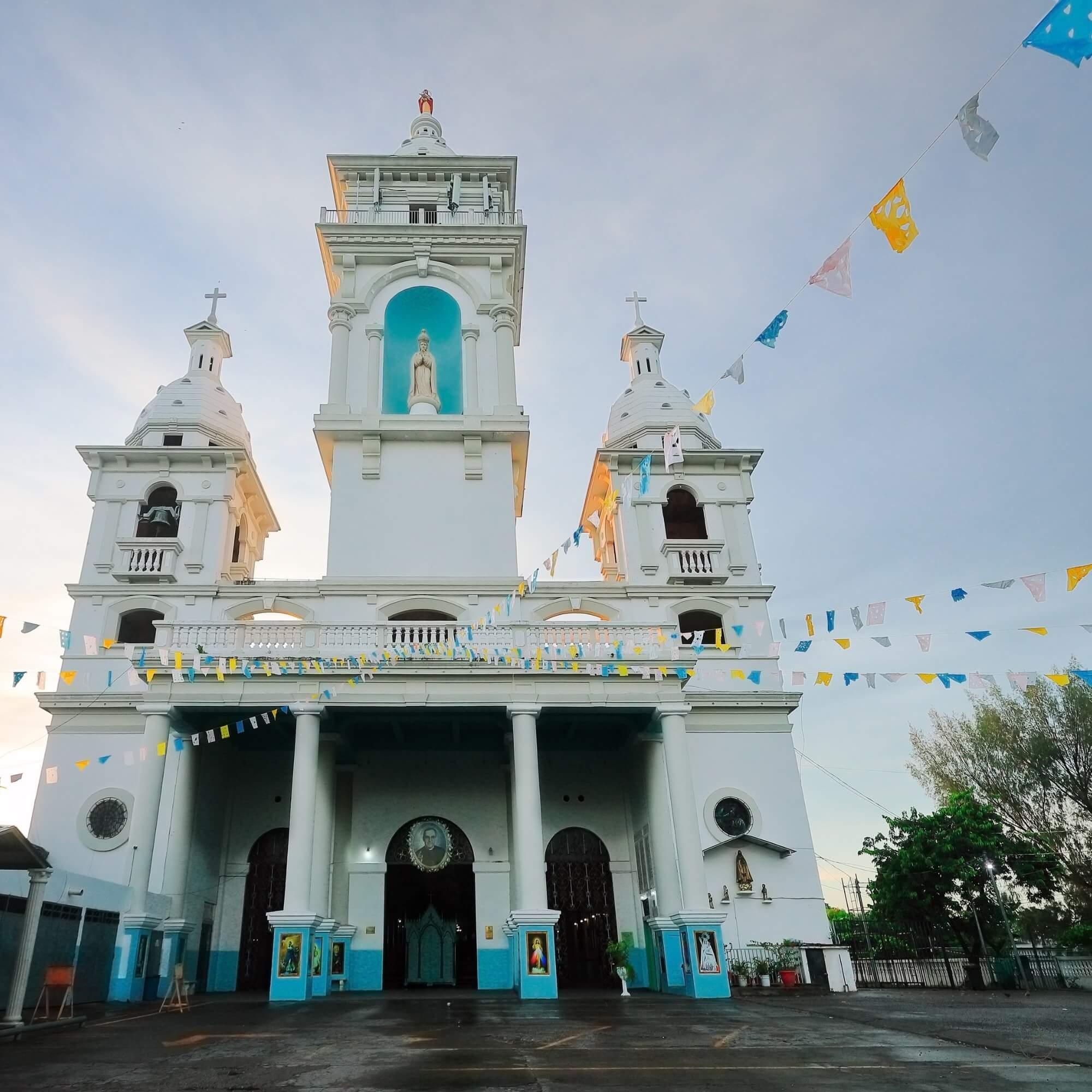
The cathedral of Zacatecoluca
Raised beds with washed and honey coffees drying
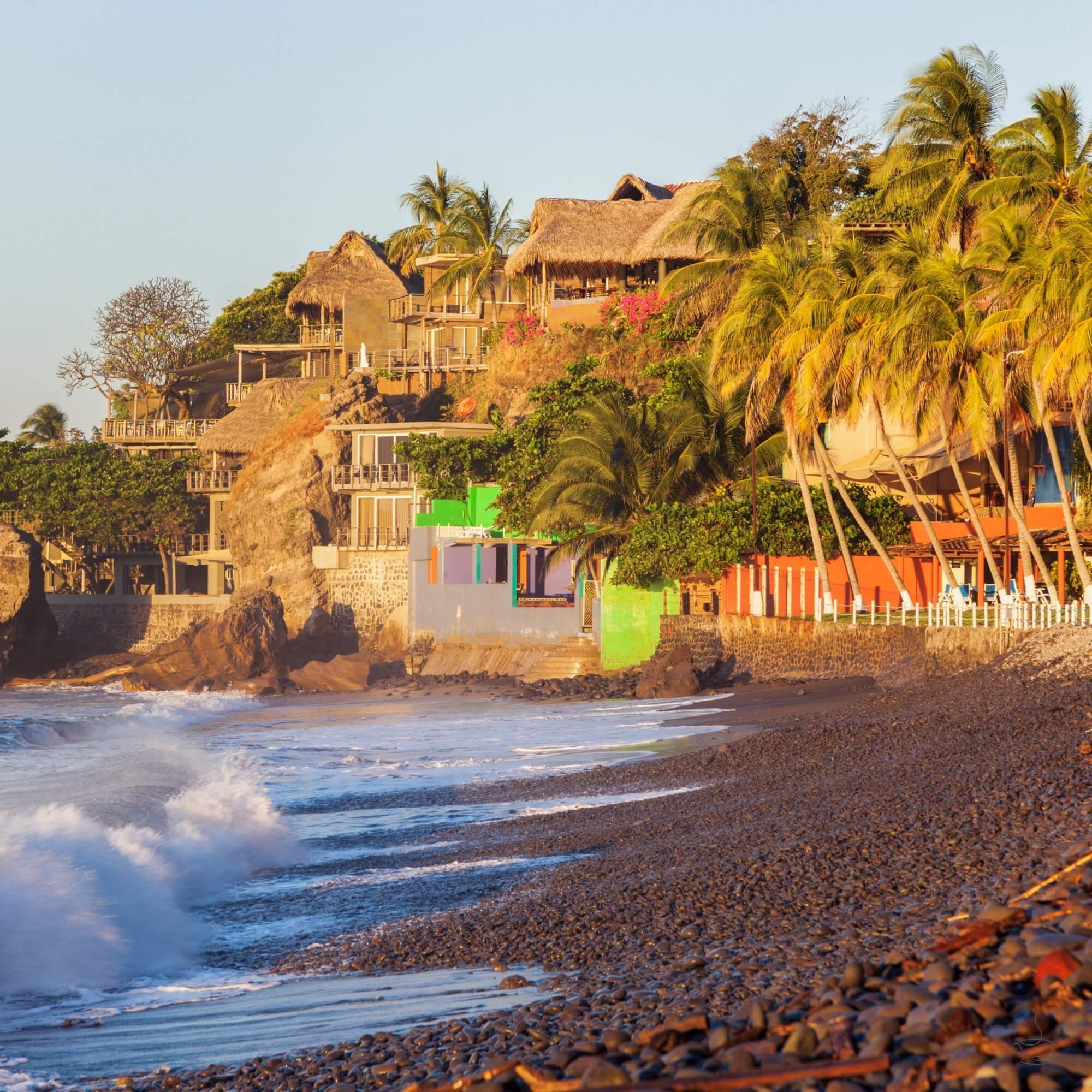
El Tunco beach
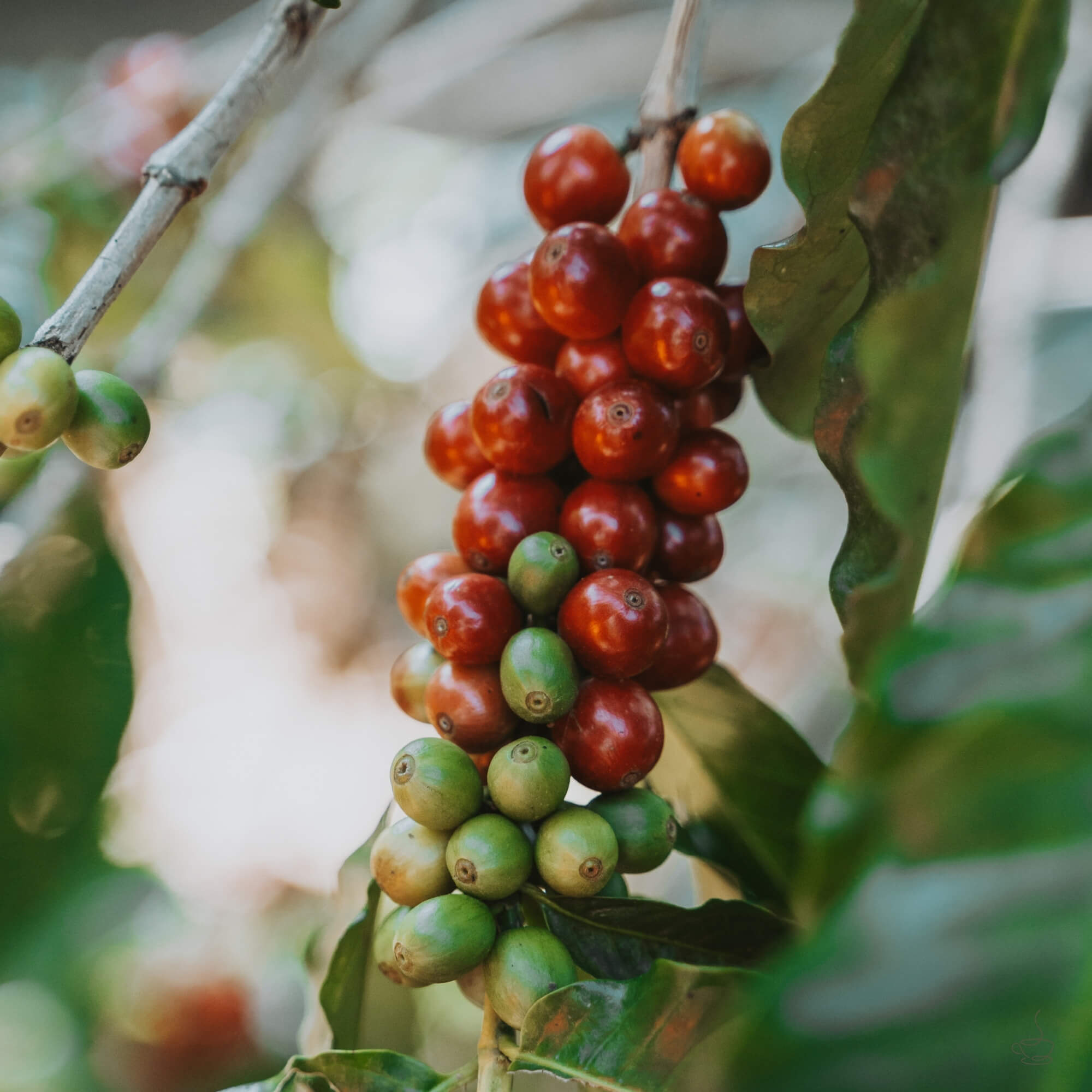
Pacamara coffee cherries and leaves
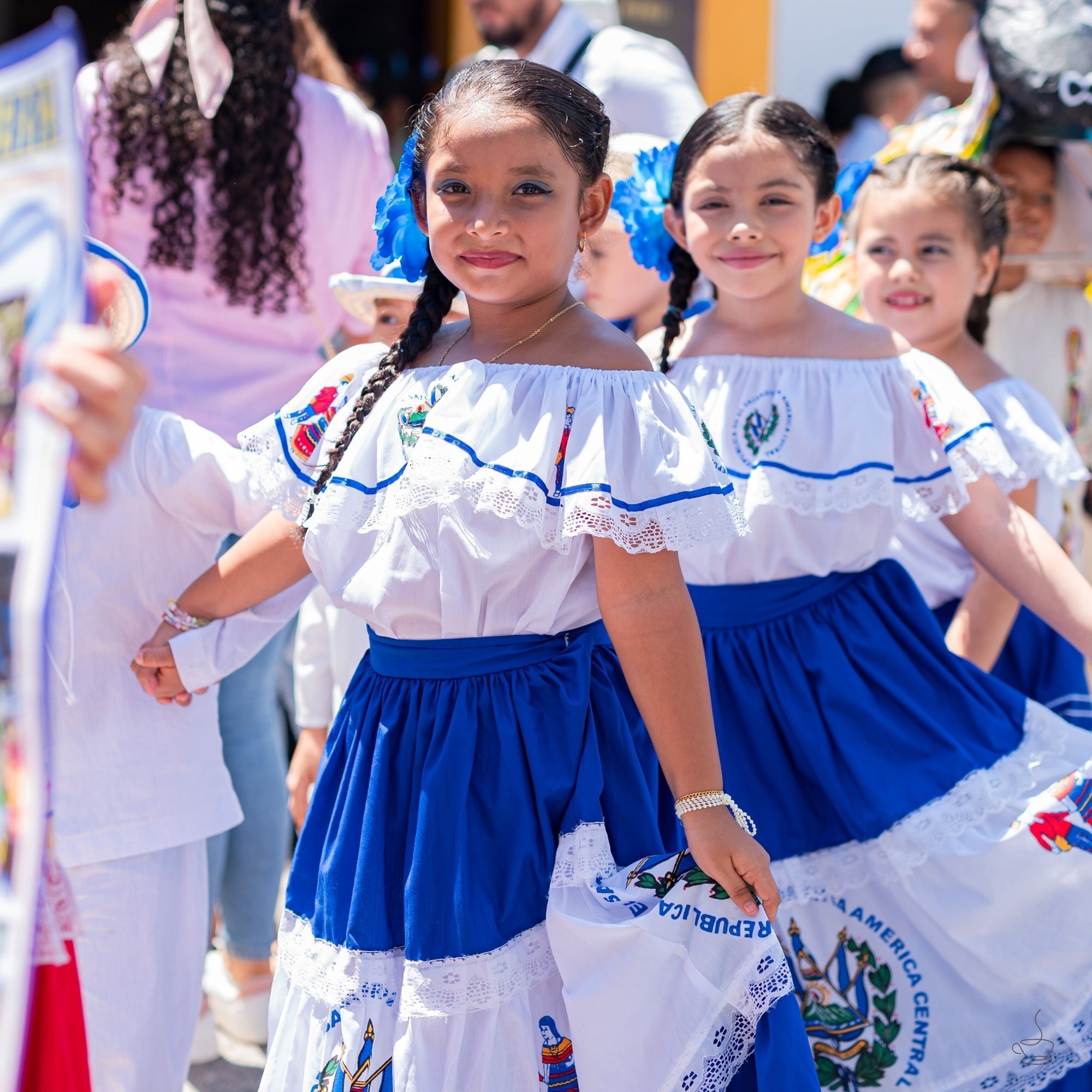
Traditional folkloric dress at a cultural parade
El Salvador coffee producer inspecting cherries
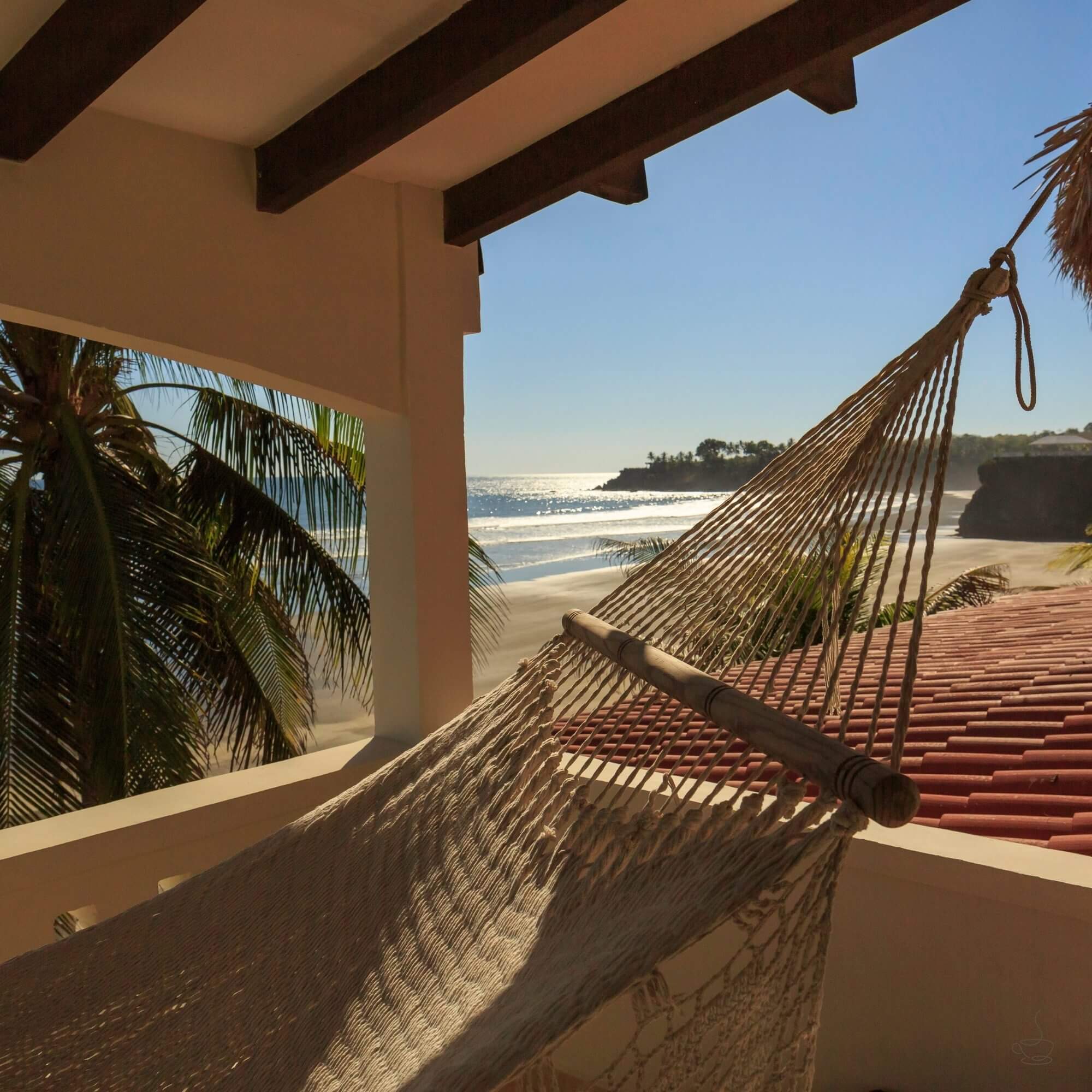
Nice, beach life. Just chill with cold brew
Cupping table evaluating El Salvador coffees
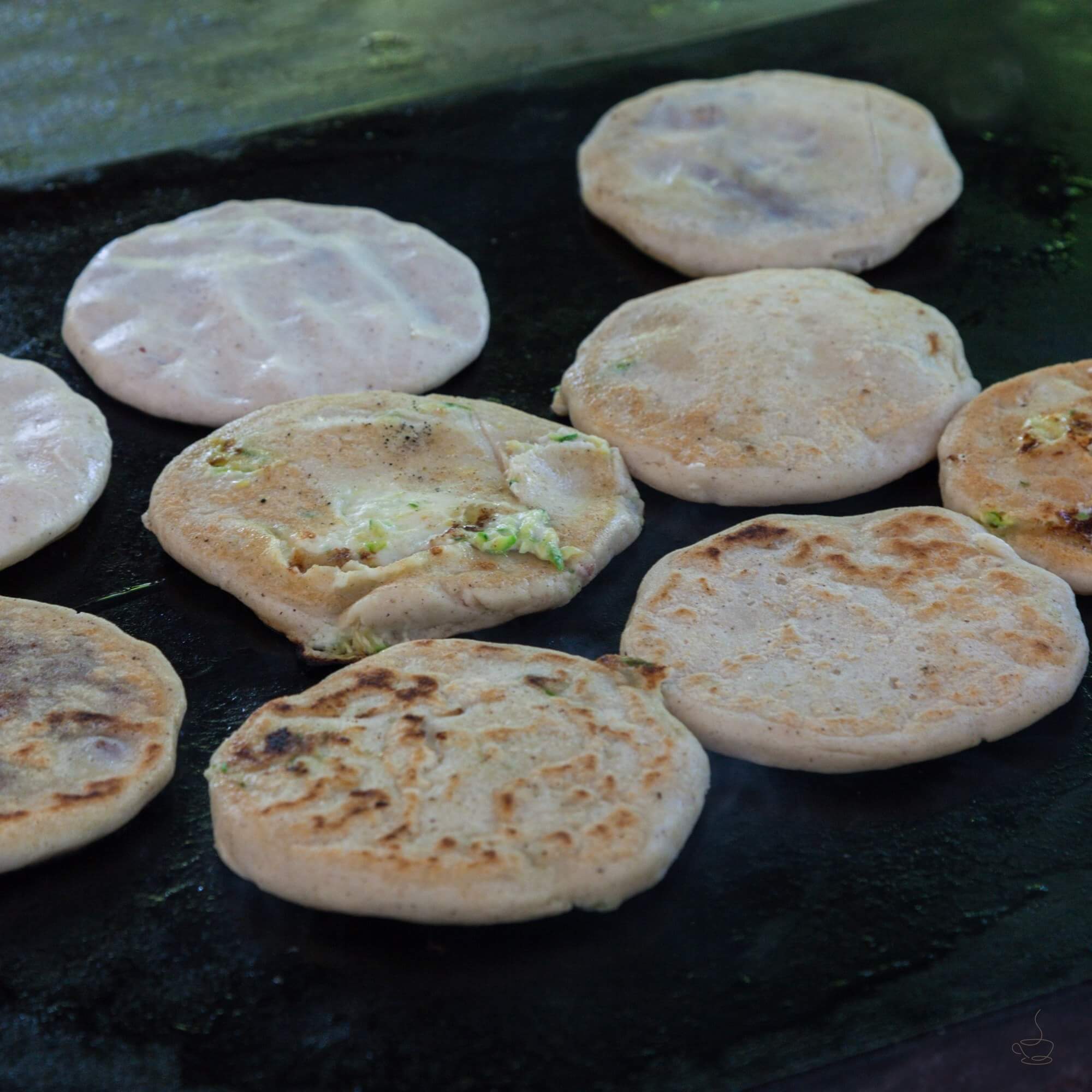
Street Food - Pupusas
Pacific coastline in El Salvador at sunset
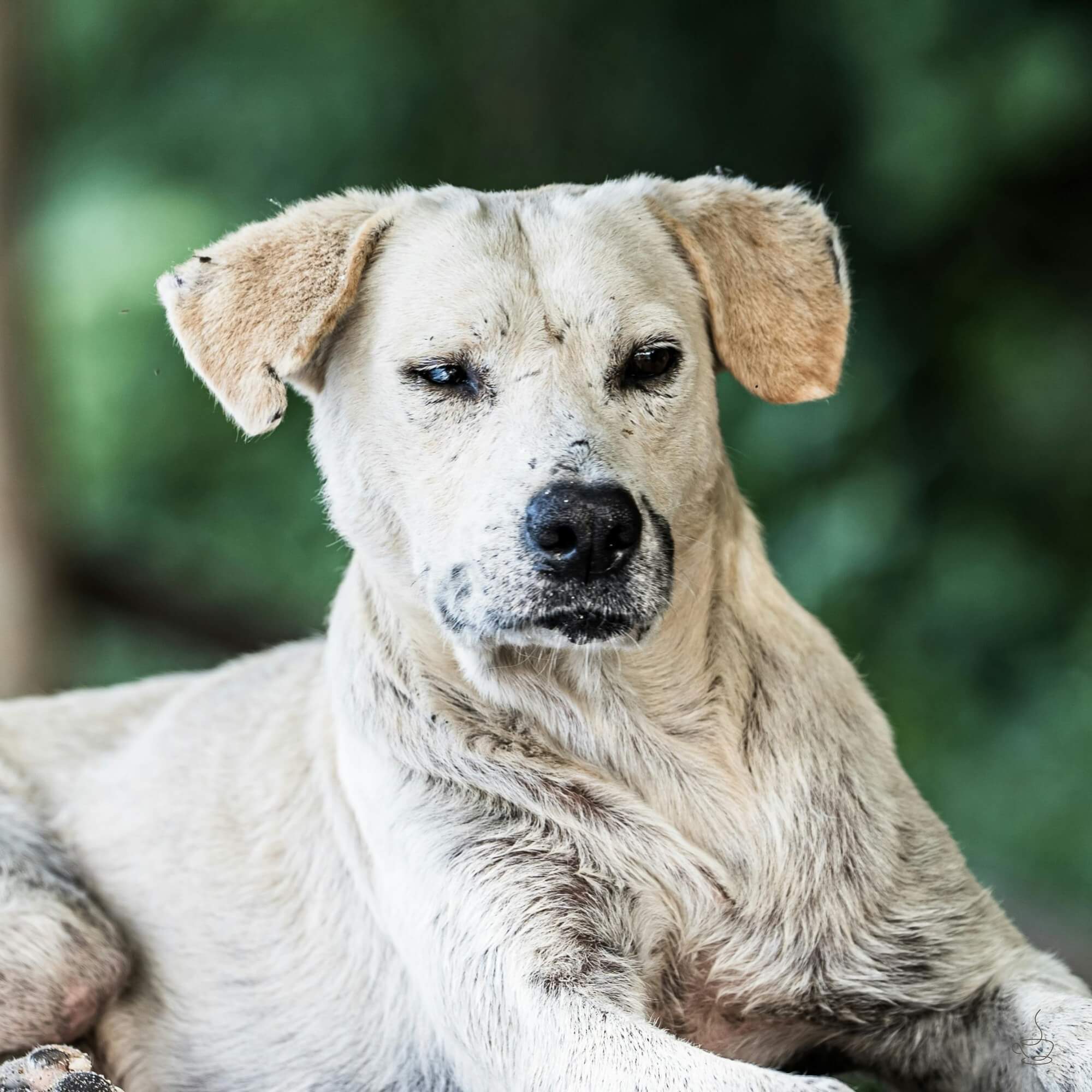
Dog

El Salvador Origin FAQ

What flavor profile do you target from El Salvador?
We look for caramel and cocoa anchored cups with citrus, red fruit, or floral lift — precise, sweet, and free of harshness or earthiness.
How important is Pacamara in your El Salvador offerings?
Pacamara is a signature when done well, but not mandatory. We feature it when processing and sorting support its character; otherwise, clean Bourbons and Pacas often lead the way.
How does Coo Coo’s Coffee choose Salvadoran partners?
We prioritize traceable estates and projects with documented farm practices, disciplined processing, and consistent cupping performance — so each El Salvador lot feels like a deliberate choice, not a filler origin.