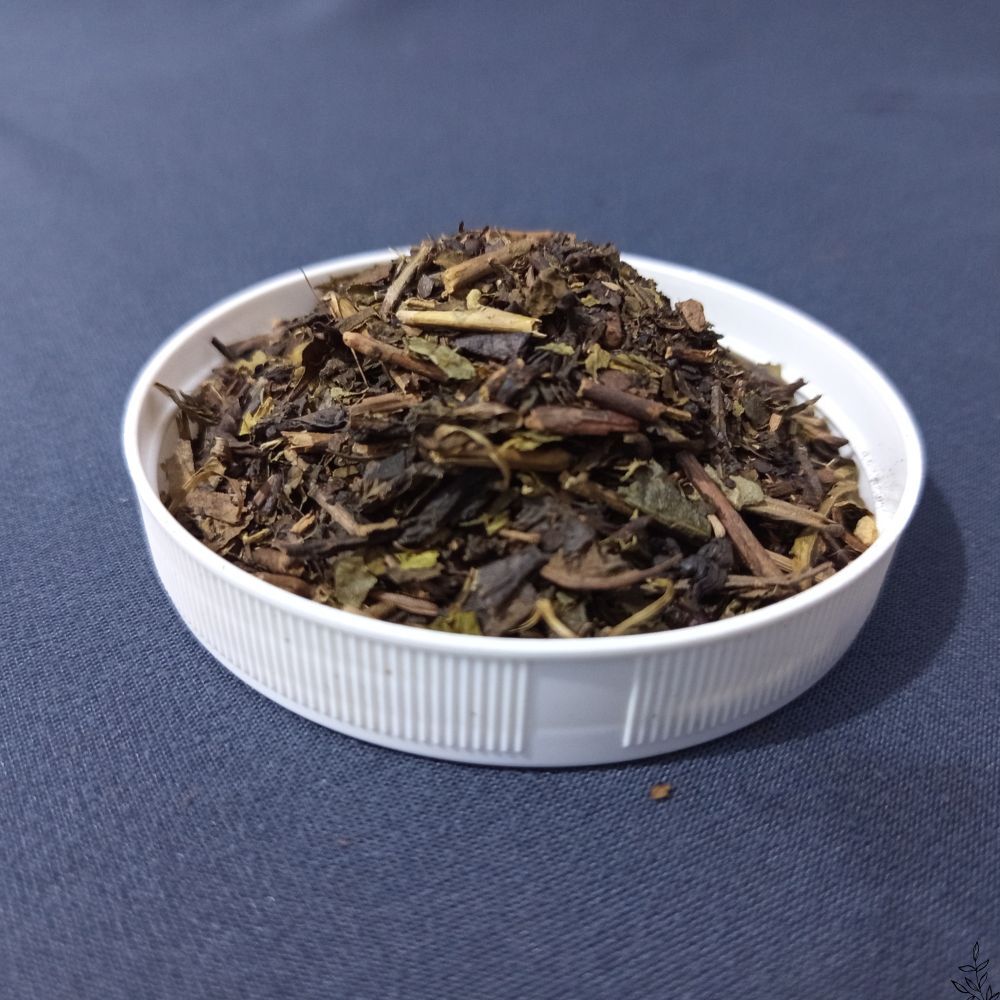
Use Enough Leaf
White tea can taste “thin” if under-dosed. Increase leaf first before steeping longer.
White tea is the “less is more” lane: gently processed, lightly handled, and all about delicate sweetness, floral notes, and a clean, silky finish. It’s not loud — it’s elegant.
The trick to white tea is brewing: too hot or too long can mute the sweetness. Brew it like you’d treat a light roast — protect the nuance and let the cup glow.
Keep it gentle and you’ll get sweet, clean, and floral.
White tea can taste “thin” if under-dosed. Increase leaf first before steeping longer.
White tea likes gentler water. Too hot can flatten sweetness and make it taste papery.
White tea can be great for multiple steeps — keep them shorter and let the flavor evolve.
White tea is defined by minimal processing: wither, dry, and keep it clean.
Many white teas use young buds/leaves — naturally sweet, tender, and aromatic.
Leaves rest to reduce moisture and build gentle aromatics. This is where softness develops.
Drying stabilizes the tea while preserving delicate notes. Less handling = more nuance.
White tea is one of the simplest processes — which means ingredient quality and careful handling matter a lot.
Think: soft sweetness, light florals, and a calm, clean finish.
Often reads like honey, melon, soft florals, and a silky finish.
White tea makes a clean, refreshing iced cup — lightly sweet, never heavy.
Caffeine varies with bud content and dose. Many people feel it as a gentle, clean “up.”
Here’s how white tea commonly shows up — no tea-nerd gatekeeping required.
Sweeter, silkier, and more aromatic. Often the “wow” cup for white tea fans.
A little more body and “tea” character — still gentle, but often easier as an everyday drinker.
White tea + fruit/florals can be a perfect “soft and fun” cup — bright, sweet, and approachable.