
Rule 1
Don't Over-Steep
Black tea hits a sharp bitterness cliff around 5 minutes. Past that, tannins dominate and nothing rescues it. Set a timer every time. 3–4 minutes is the sweet spot for most styles.
Most bad black tea has one of three causes: water that's not hot enough, a steep that went too long, or not enough leaf. Fix those three and you'll never have a disappointing cup again. It's all on this page.
Black tea is fully oxidized — the most processed of the true teas, which gives it that bold, brisk, malty character and the deepest colour. It's the one that takes milk without flinching, holds up to sweetener, and still tastes like something when you forget it's steeping.
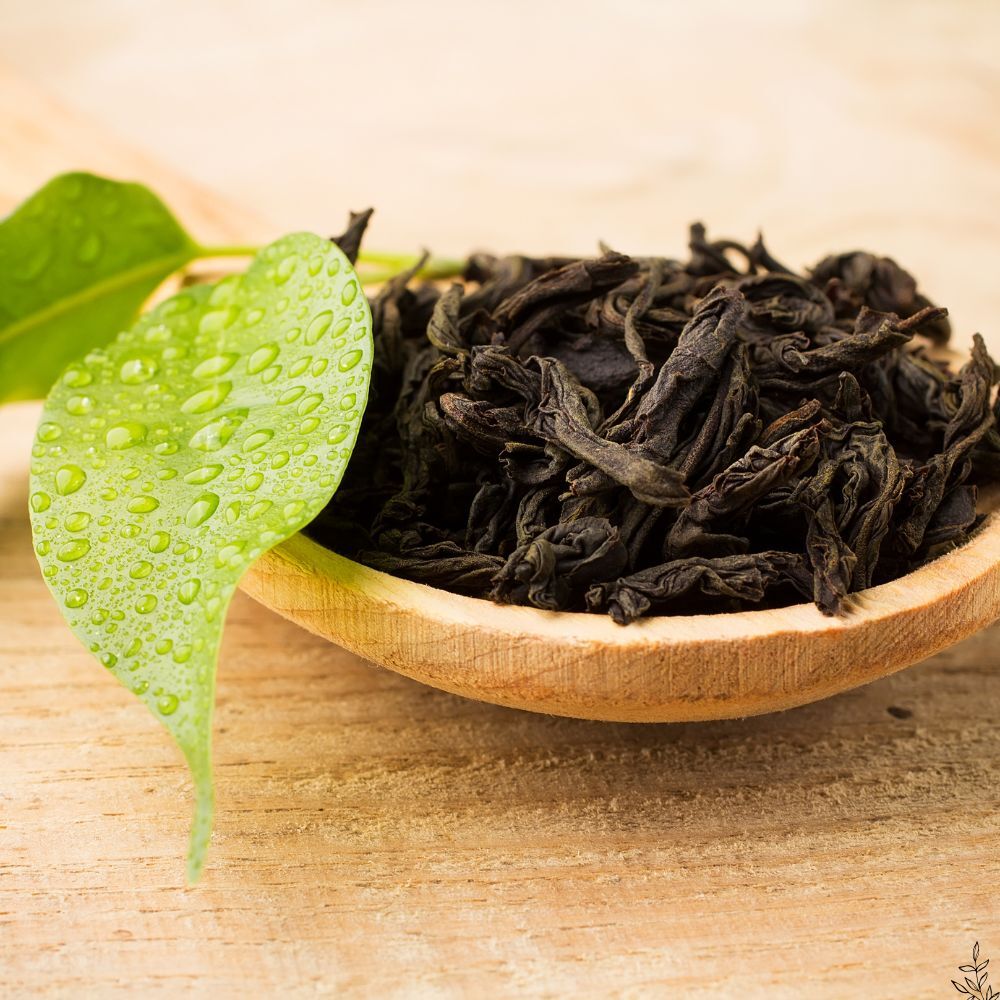
Black tea is forgiving — but the steep time is the most common failure point. These numbers produce the best cup consistently.
Most disappointing cups share the same root causes. Here they are — and exactly what to do instead.
Black tea hits a sharp bitterness cliff around 5 minutes. Past that, tannins dominate and nothing rescues it. Set a timer every time. 3–4 minutes is the sweet spot for most styles.

Black tea needs genuinely hot water — 200–212°F. Cooled water produces a flat, thin, slightly sour cup. Boil it, let it sit 15 seconds, pour.
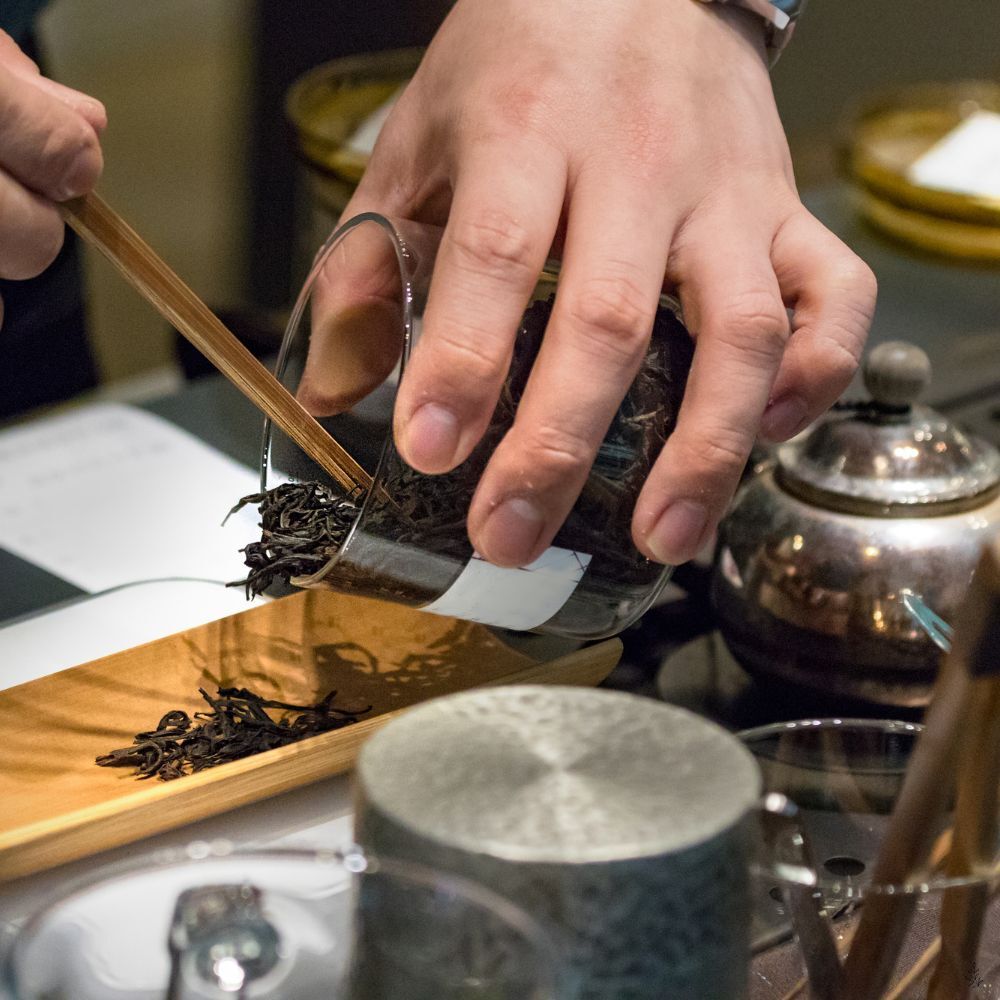
A generous heaped teaspoon per 8 oz cup. Strength comes from the amount of leaf, not from steeping longer — which only adds bitterness, not body.
Cover while steeping: a small plate or lid over the cup during steeping keeps the temperature from dropping. Heat escapes quickly from an open cup — covered steeping means consistently hotter water and better extraction throughout.
All four true teas come from the same plant. Black tea is defined by one thing: full oxidation. Here's the four-step journey.

Freshly picked leaves lose most of their moisture over 12–18 hours. The leaf becomes limp and pliable — ready to roll without shattering.

Leaves are rolled or broken to rupture cell walls — which releases enzymes and exposes them to oxygen, beginning the oxidation chain reaction.

Unlike green or oolong, black tea is allowed to oxidize completely. The leaf turns from green to coppery-brown to near-black as the enzymes do their work.

High heat stops the oxidation, removes remaining moisture, and locks in the flavour — turning the leaf its characteristic near-black colour and making it shelf-stable.
Most black teas fit somewhere on this map. Knowing the three archetypes tells you what to expect in the cup — and which one to reach for when.

The backbone of English Breakfast blends. Bold, malty, brisk — the black tea that stands up best to milk and sugar. Breakfast blends, Irish Breakfast, and most CTC teas live here.

The "Champagne of teas." Muscatel grape aroma, floral, bright — noticeably lighter in body than Assam. First flush Darjeeling is closer to oolong than a typical black tea. Best without milk.

Sri Lanka's signature. Medium-bodied, clean, with a citrus or slightly winey quality — less malty than Assam, less floral than Darjeeling. Works with milk, works plain, excellent iced.
Most supermarket "black tea" is Assam-style CTC blend — designed for strength and value. Great for milk tea. If you've only had that style, trying a good single-origin Darjeeling or whole-leaf Ceylon will taste like a completely different drink.
What black tea actually tastes like — and why it gives a steadier energy than the same caffeine from coffee.

Full oxidation produces rich malty notes, a firm tannic structure, and a satisfying briskness — the pleasant grip at the back of the throat. That bold character is exactly what makes black tea milk-friendly and coffee-adjacent.

The tannins that create briskness bind with milk proteins — softening the cup without losing the character underneath. Black tea is the only true tea that becomes better with milk rather than just diluted by it.

40–70 mg of caffeine per cup. Its natural L-theanine produces a steadier, calmer lift than the same caffeine from coffee — alert without the anxiety edge that espresso can bring.
Every bad black tea cup has a cause — and it's almost always one of these four.
Over-steeping — almost every time.
Pull the leaf at 3–4 minutes maximum. If using bags, remove immediately at 3 min. Reduce by 30 seconds and compare next brew.
Water not hot enough — under-extracted.
Use water closer to a full boil — 200°F minimum. Sourness is the under-extraction signal. Hotter water, same steep time, different cup.
Not enough leaf — the most common mistake.
Use a heaped teaspoon per 8 oz. Don't fix weak tea by steeping longer. More leaf, same time, proper strength.
Stale tea or chlorinated tap water.
Store tea airtight, away from light and heat. If the tap tastes flat, filtered water makes a visible difference in the cup.