Learn Tea

Steep smarter: temps, times, and tips for black, green, and herbal—hot, iced, and cold-brew.

Choose Your Style

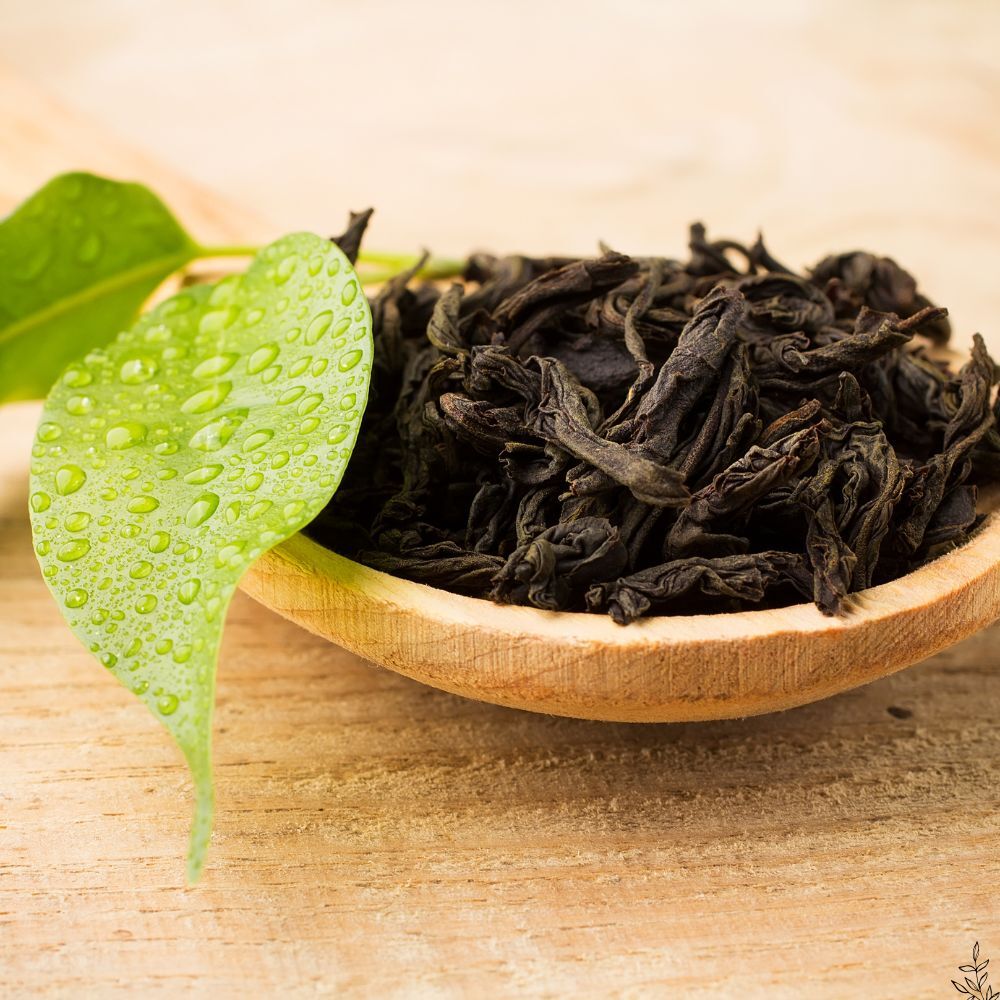
Black Tea

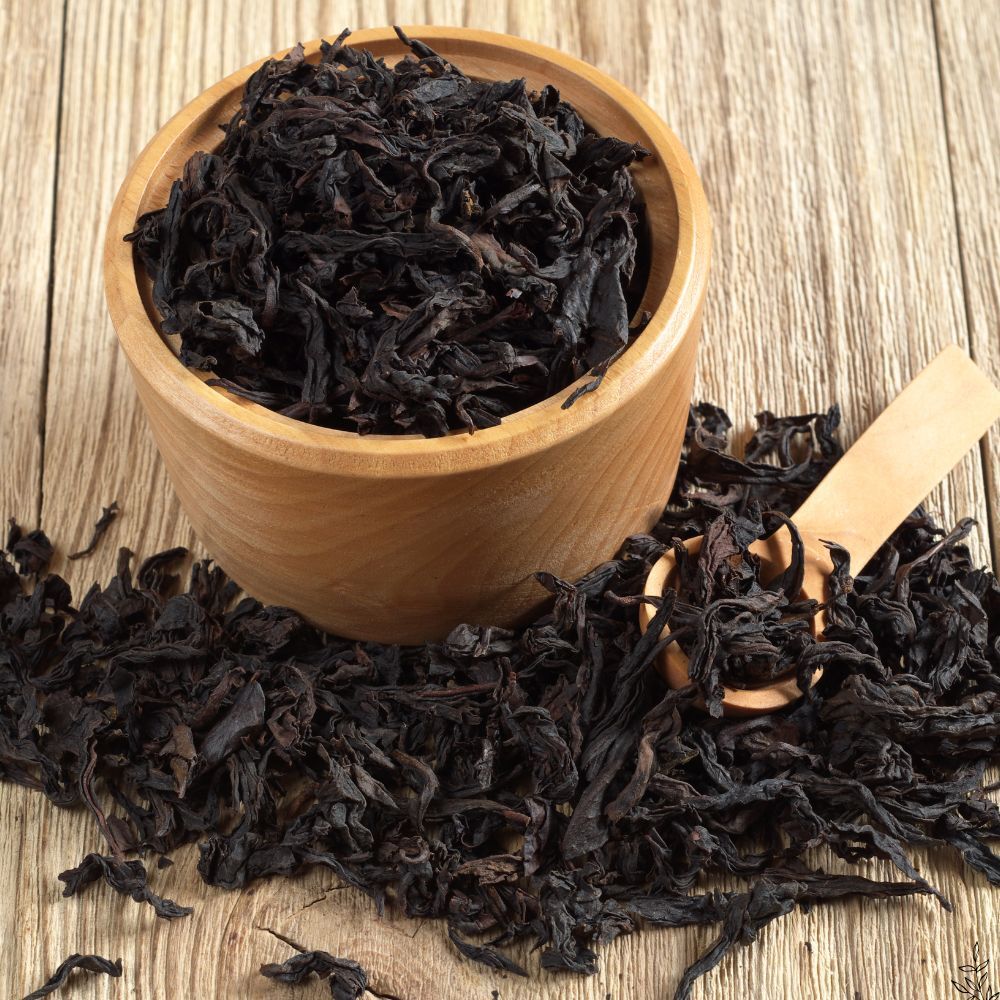
  • Temp: 200–212°F (93–100°C)
  • Time: 3–5 min
  • Ratio: ~2–3 g per 240 ml (8 oz)
  • Tip: add milk/honey for a London Fog vibe (see Lavender Fog below).

Green Tea

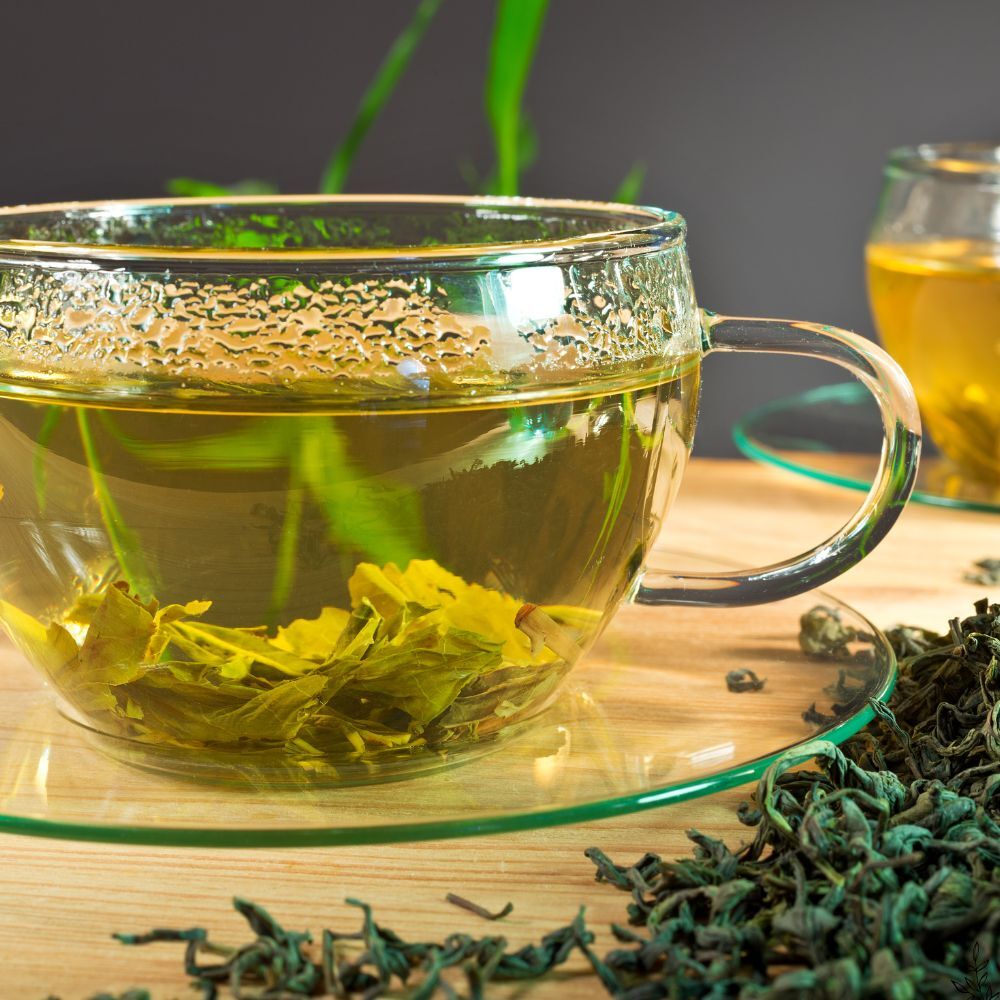
  • Temp: 165–185°F (74–85°C)
  • Time: 1–3 min
  • Ratio: ~2 g per 240 ml (8 oz)
  • Tip: if bitter, lower temp and/or shorten time.

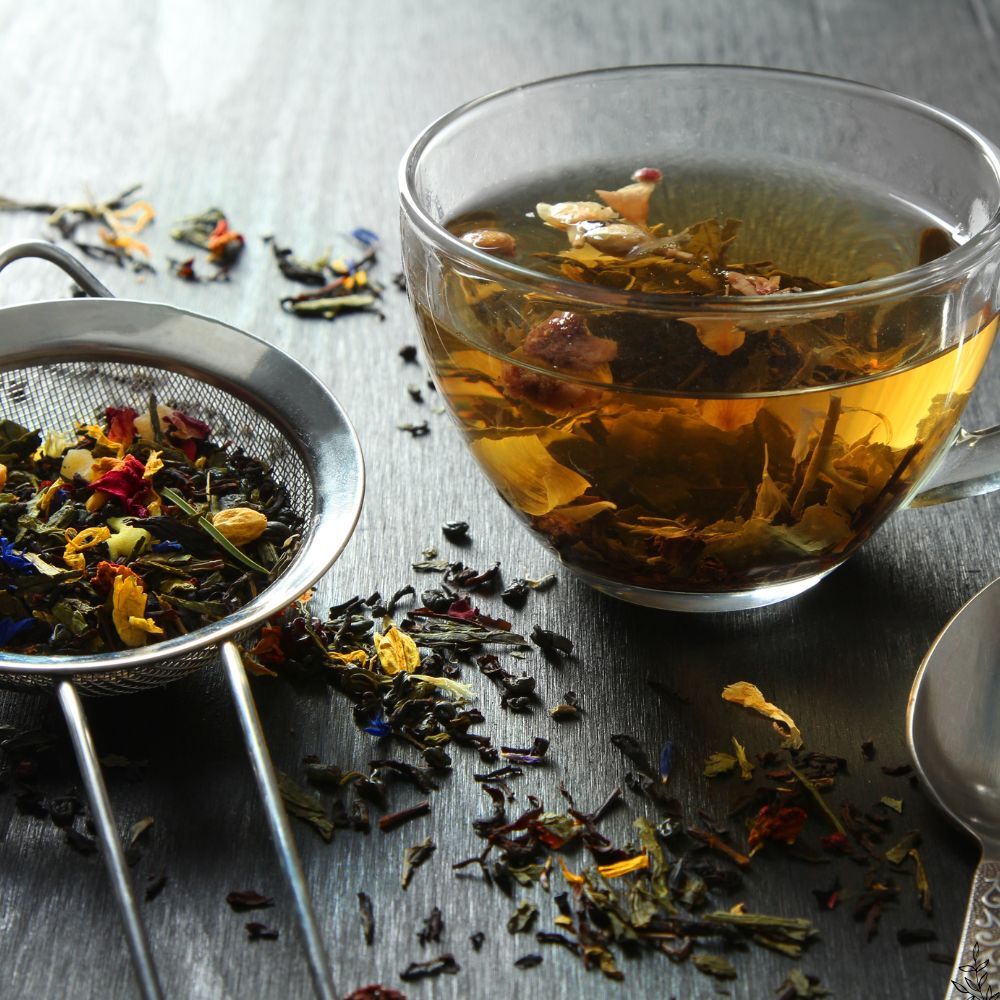
Herbal / Caffeine-Free

  • Temp: 205–212°F (96–100°C)
  • Time: 5–7 min (rooibos 4–6)
  • Ratio: 2–3 g per 240 ml (8 oz)
  • Tip: longer steeps = fuller body, not always more bitter.

Japanese-Style Iced

  1. Use hot-brew directions, but make half your water ice in the server.
  2. Steep hot at normal temp/time; pour over the ice to chill instantly.
  3. Swirl to combine; sweeten or add citrus if you like.

Bright aromatics, ready in minutes.

Pitcher Iced (Black/Herbal)

  1. Steep strong: 2× leaves for the usual time in half the water.
  2. Strain, then add equal ice/cold water to finish volume.
  3. Chill in fridge; serve over ice with lemon.

Cold Brew: Black / Herbal

  1. Ratio: 1:50–1:60 (tea:water by weight) for ready-to-drink.
  2. Steep 6–12 hours in the fridge.
  3. Strain well; keep chilled 3–5 days.

Smooth, low-bitterness; adjust strength via ratio/time.

Cold Brew: Green

  1. Ratio: 1:60–1:70
  2. Steep 4–8 hours in the fridge.
  3. Strain gently to avoid astringency; enjoy ultra-refreshing.

Dial-In Troubleshooting

Too Bitter

  • Lower temperature (esp. green).
  • Shorten steep by 30–60 sec.
  • Use slightly fewer leaves.

Too Weak

  • Add 0.5–1 g more per 8 oz (240 ml).
  • Extend steep by 30–60 sec.
  • Make sure water’s hot enough.

Too Astringent

  • Drop temp 5–10°F (3–6°C).
  • Shorten time; avoid squeezing bags/filters.
  • For greens, try cooler water first.

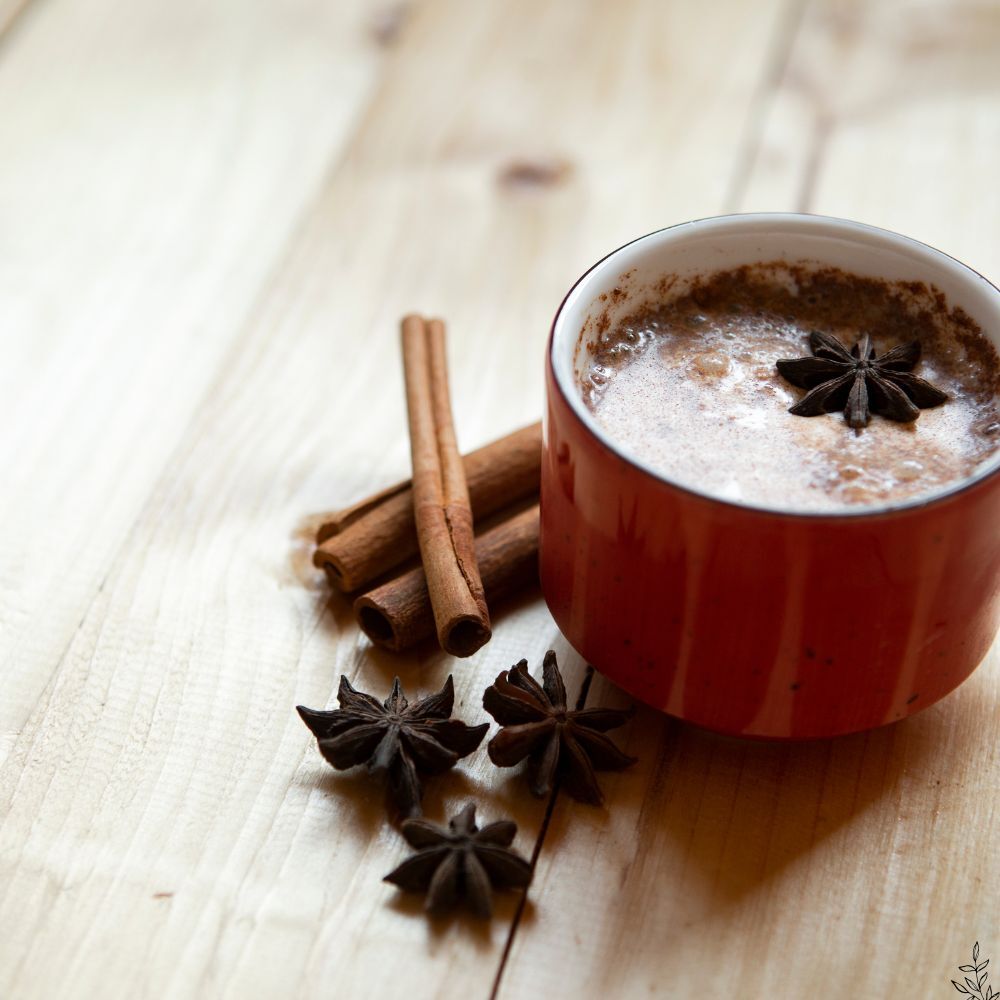
Featured: Lavender Fog (London Fog)

  1. Steep black tea 3–4 min (hot) or make a strong iced concentrate.
  2. Add 1–2 tsp vanilla syrup + a few drops lavender syrup/extract.
  3. Top with milk or alt-milk; finish with a dusting of vanilla sugar.

Psst—watch for our Lavender Fog drops. In the meantime, browse Tea & Herbal Blends.

Water & Sweetness

  • Filtered water = sweeter, clearer cup.
  • A tiny pinch of salt can soften bitterness (you won’t taste salt).
  • Citrus/honey brighten iced blends without heavy sweetness.

Tea 101 (quick tour)

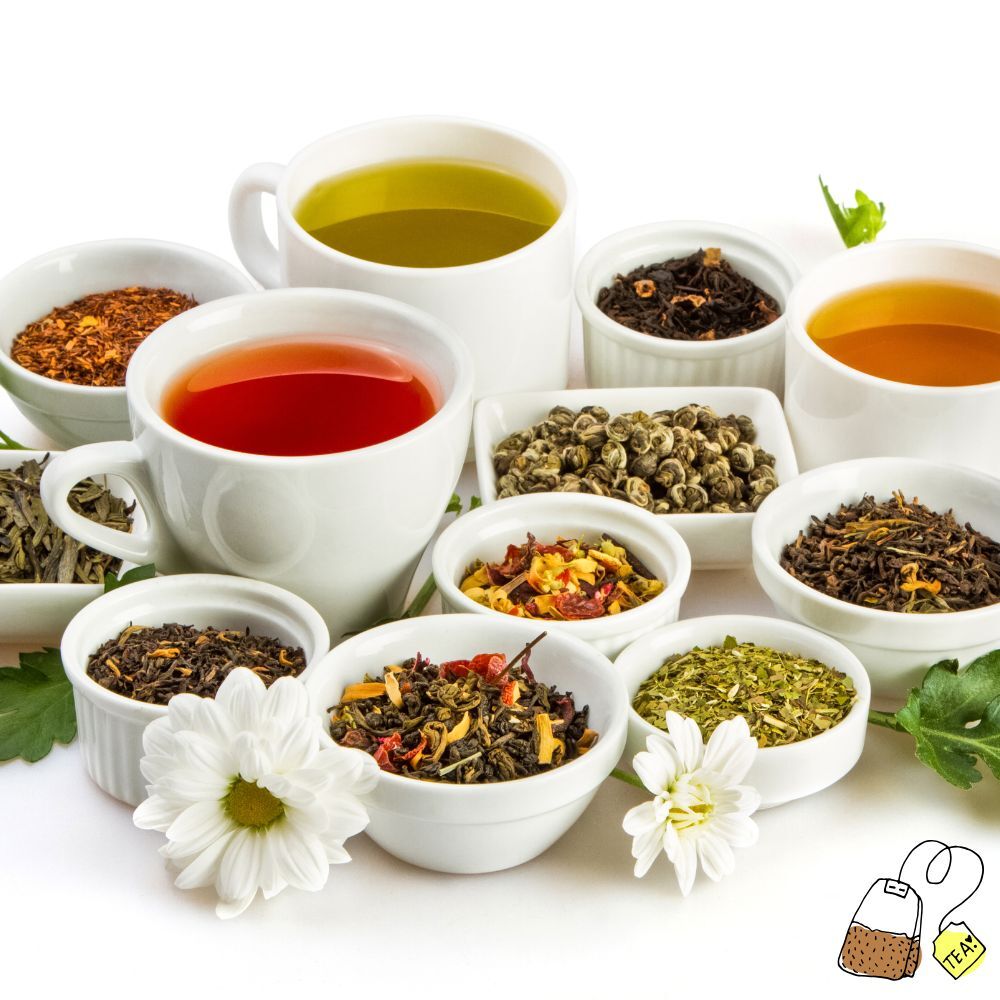
True Teas

  • Green: bright, grassy, delicate.
  • Black: bold, malty, cozy.
  • Oolong: floral→roasted, complex.
  • White: light, honeyed, soft.

Herbal (Tisanes)

  • Rooibos: naturally caffeine-free, vanilla-nutty.
  • Chamomile, mint, blends: calming & kid-friendly.

Sachets vs. Loose

  • Pyramid sachets: convenient, room to unfurl.
  • Loose leaf: maximum aroma control.

Note: Many teas are “Powered by Tea Spot.” Same Coo Coo’s branding with transparent partner credit.

Temperatures & Times

Start here, then adjust to your taste and water.

TypeHot WaterAmountSteep TimeNotes
Black200–212°F (93–100°C)1 sachet or 2–2.5 g / 240 ml3–5 minGreat with milk/honey.
Green170–185°F (77–85°C)1 sachet or 2 g / 240 ml2–3 minBitter? Lower temp/shorter time.
Oolong185–200°F (85–93°C)2–3 g / 240 ml2–4 minMultiple short steeps shine.
White175–185°F (80–85°C)2–3 g / 240 ml3–5 minSubtle; avoid boiling.
Herbal200–212°F (93–100°C)1 sachet or 2–3 g / 240 ml5–7 minComforting and flexible.
Rooibos200–212°F (93–100°C)1 sachet or 2–3 g / 240 ml5–7 minRich, naturally sweet.

Sweet Tea (balanced & tea-forward)

  1. Concentrate: Steep 10–12 black tea sachets (or ~28–32 g loose) in 1.5 qt / 1.4 L water at 200–212°F for 5 minutes; remove tea.
  2. Sweeten: Dissolve 1–1.5 cups sugar while hot (start lower; adjust next batch).
  3. Finish: Add cold water/ice to reach 1 gallon / 3.8 L. Chill. Lemon optional.

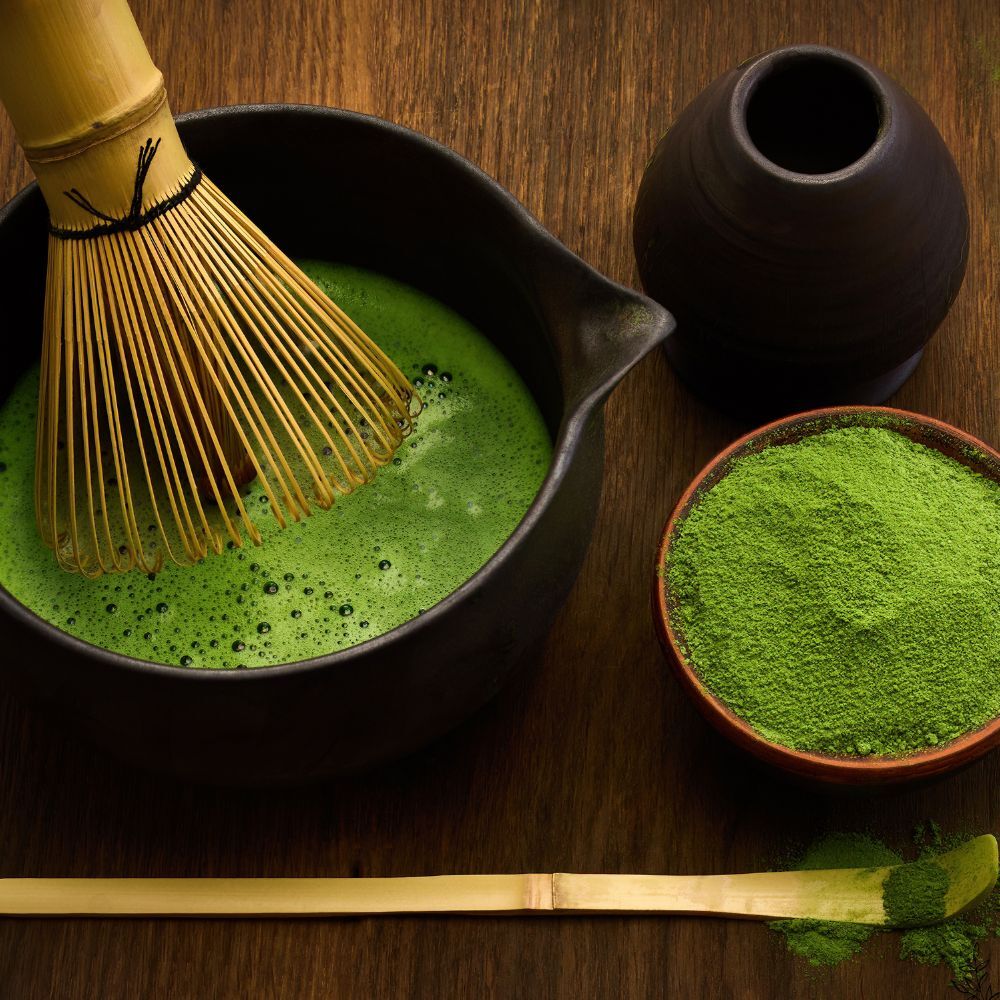
Matcha Basics

Caffeine Snapshot

  • Black: medium-high per cup.
  • Oolong/Green: medium (varies by leaf & steep).
  • White: light-medium.
  • Herbal/Rooibos: naturally caffeine-free.

Actual mg vary with leaf, dose, temp, and time.

Storage & Freshness

  • Airtight, cool, dry, dark. Avoid fridge/freezer moisture swings.
  • Use within a few months of opening for peak aroma.
  • Keep away from strong kitchen odors.

Tea Processing: from leaf to cup

Click to expand

Most tea comes from Camellia sinensis. What changes is how the leaf is handled after plucking—how much it withers, bruises, oxidizes, gets “fixed” by heat, and how it’s dried or aged. That chemistry = flavor.

1) Pluck → Wither

Fresh shoots lose water to concentrate aromatics and soften the leaf for shaping.

Tea leaves spread on racks to wither

2) Bruise / Roll

Mechanical rolling or gentle tossing ruptures cells and exposes enzymes to oxygen.

Rolling tea to bruise the leaves

3) Oxidize → Fix

Controlled browning (like cut apples). Heat step (“kill-green”) halts enzymes at a target point.

Hot pan or drum used to fix tea and stop oxidation

Green Tea • minimal oxidation

  • Fixing ASAP: pan-fired (China) or steamed (Japan) stops enzymes early.
  • Shape & dry: needle, flat spear, curled, powder (matcha when stone-milled).
  • Cup: grassy → nutty (pan) or umami/savory (steam). Bitter if too hot.
Steaming or pan-firing green tea leaves

Black Tea • full oxidation

  • Wither → roll: heavy bruising, long oxidation until leaves turn coppery.
  • Dry: bakes in flavors (malty, caramel, spice).
  • Cup: body for milk/sugar; great for London Fog.
Fully oxidized black tea showing deep copper color

Oolong • partial oxidation (10–80%)

  • Bruise in baskets/drums: edges oxidize; center may stay green.
  • Fix & roast: light florals → dark roasts with caramelized notes.
  • Cup: layered steeps; great for re-infusing.
Oolong being gently tossed to bruise leaf edges

White Tea • wither & dry

  • Minimal handling: no rolling; very light oxidation during wither.
  • Cup: soft honey, melon, meadowy florals; brew cooler.
Silver buds and leaves drying for white tea

Pu-erh & Dark Teas • microbial magic

  • Raw (Sheng): sun-withered, lightly fixed, slowly ages (years).
  • Ripe (Shou): post-fermented via warm pile “wet-hopping” to accelerate aging.
  • Cup: earthy, date-like sweetness; very smooth.
Pu-erh cakes aging on bamboo shelves

Scented/Blended

  • Jasmine: layered with fresh blossoms to absorb aroma.
  • Earl Grey: black tea + bergamot oil (our Lavender Fog riffs on this).
  • Herbal mixes: caffeine-free botanicals for function & flavor.
Jasmine-scented green tea being layered with blossoms
Brew smarter via process: higher oxidation (black) tolerates hotter/longer steeps; greener styles prefer cooler temps. Roasted oolongs shine with short multiple infusions; shou pu-erh loves a rinse + short pulses.

Tea FAQ

Why is my green tea bitter?

Likely too hot or too long. Drop to 170–180°F and steep ~2 minutes. You can also reduce leaf slightly.

Can I re-steep oolong?

Yes—many oolongs shine on steeps 2–4. Adjust times per steep to taste.

What’s the best iced method?

Flash-chilled for aromatics; cold brew for smoothness. Try both and choose your vibe.

Last updated: