This hub extends our Uganda Origins Guide with space for producer profiles, Rwenzori natural programs,
Mount Elgon washed projects, and transparent conversations about quality Robusta. It’s built for curious guests,
bar teams, and wholesale partners who want specifics instead of stereotypes.
Uganda’s most compelling coffees come from smallholders and focused groups investing in better cherry selection,
drying infrastructure, and cupping. This is your parking lot for named partners as relationships solidify.
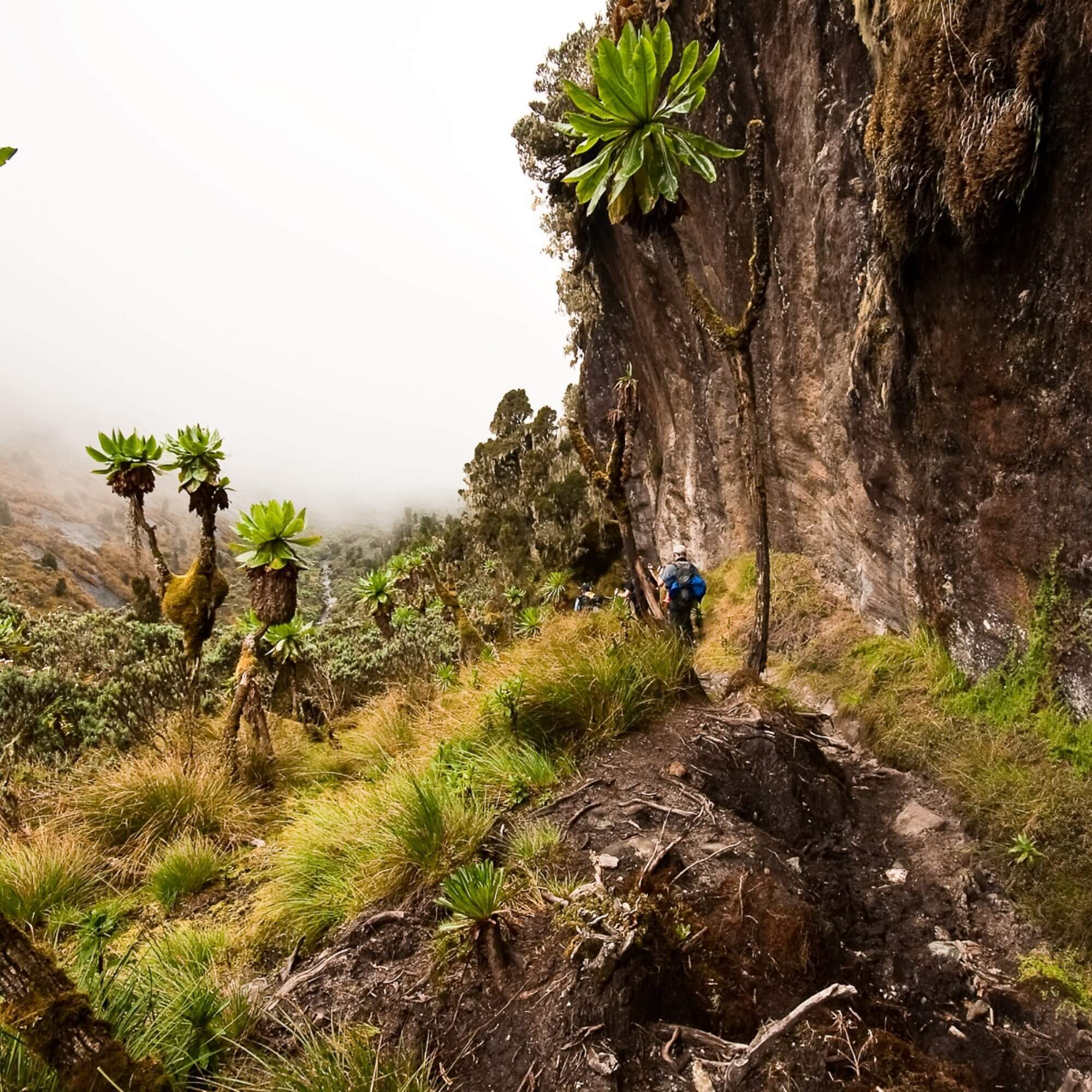
Rwenzori Mountains
Steep Slopes, Structured Naturals
Historically home-dried “DRUGAR,” Rwenzori is shifting toward organized cherry collection and raised-bed
naturals. As you confirm partners, name the stations and cooperatives here, with details on elevation, cherry
delivery, and drying protocols that keep fruit character clean.
Mount Elgon
Washed Clarity from the Borderlands
On Elgon’s slopes, organized washing stations and farmer groups produce washed Arabicas with citrus, florals
and cane sugar sweetness. Document those partners here — altitude bands, fermentation styles, and how they
separate lots fit perfectly in this space.
Southwest, West Nile & Beyond
Emerging Arabica Micro-Regions
Smaller, higher-elevation pockets are building quality programs. Use this card for early microlots, pilot
projects, and stories that show you’re backing documented improvement — not just buying spot coffees.
Robusta Heartlands
Fine Robusta with Full Disclosure
When (and only when) you work with high-elevation, carefully processed Robustas, this is where you name the
groups, share prep standards, and explain their role in blends. No mystery. No hiding.
How Ugandan Lots Fit Into Our Menu
Every Uganda lot should have a defined job. This keeps the lineup lean, confident, and easy to explain at the bar
or in a wholesale cupping.
Rwenzori Natural Arabica
Fruit-Driven Single Origins
Jammy FruitDessert Pairing
Selected naturals with clean berry, dried fruit and cocoa notes; reserved for lots that show intention,
not accidental ferment. Ideal for seasonal spotlights and adventurous regulars.
Elgon Washed Arabica
Anchor for Modern East Africa
CitrusFloralsSugarcane
Clean washed lots with structured acidity and sweetness. Use as a standalone filter, or as a supportive
component in blends needing brightness without sharp edges.
Fine Robusta & Dual-Origin Blends
Crema, Weight & Honest Architecture
Espresso StructureTransparent
High-standard Robustas may be integrated into select blends for crema and dark chocolate depth. When used, the
packaging and story spell it out — building trust instead of hiding behind euphemisms.
Processing Discipline, QC & Our Fine Robusta Policy
Uganda’s reputation lives or dies on processing. This block is where you make your standards public — and raise
the bar you’ll hold yourself to.
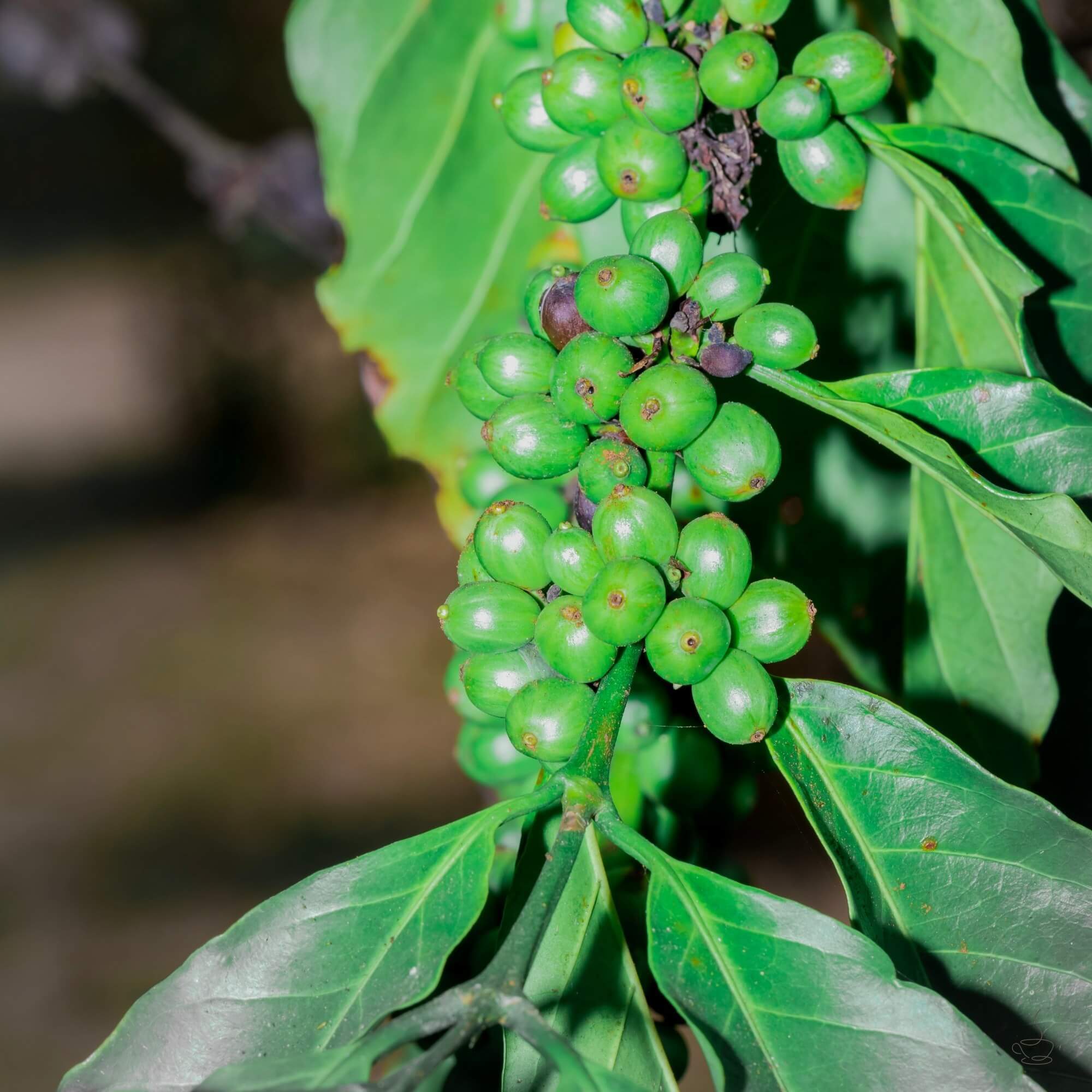
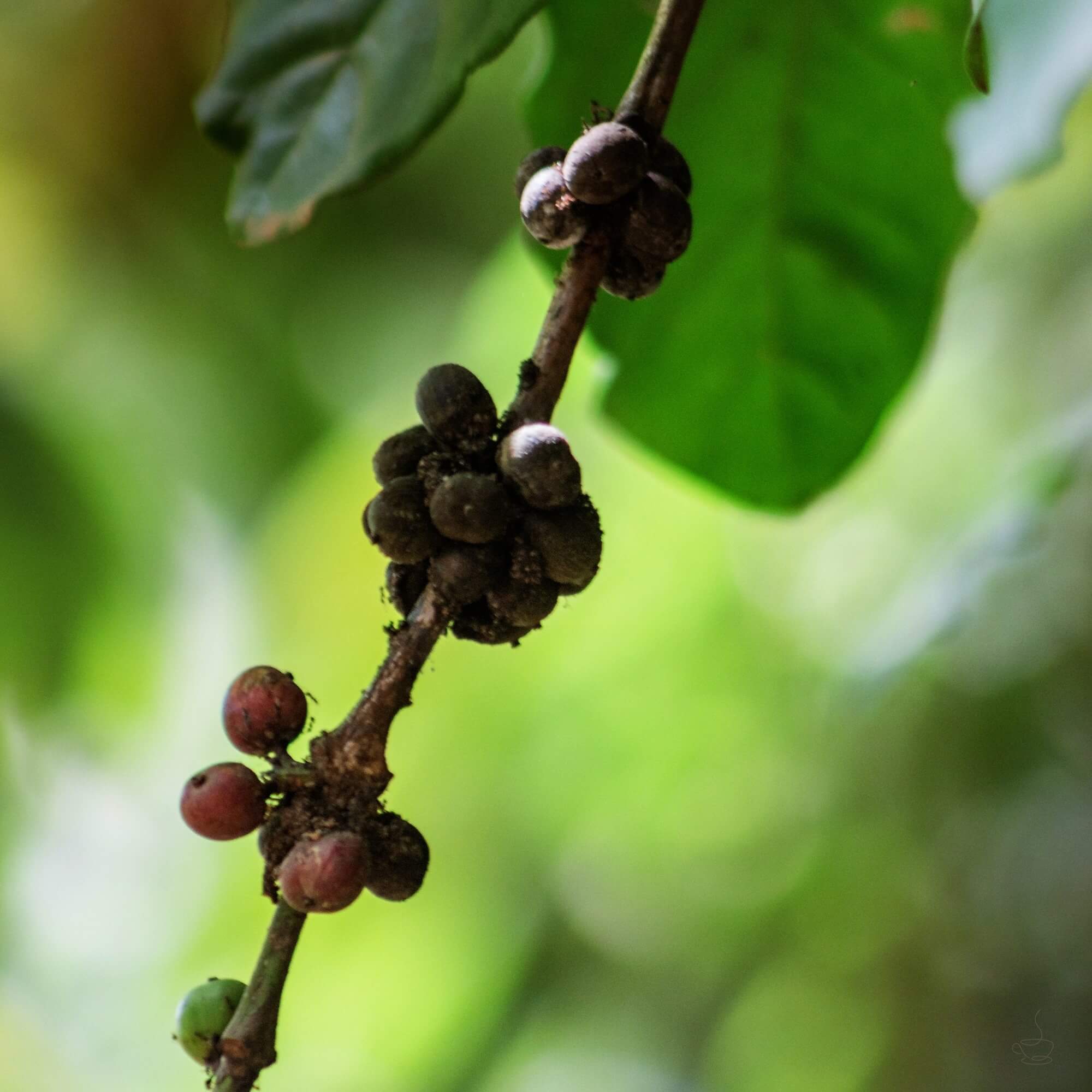
For naturals: We look for floated cherry, clean patios or raised beds, protective drying,
and lots cupping free of acetic bite, phenolics or rough ferment. Jammy is welcome; dirty is not.
For washed Arabicas: Traceable washing stations, defined fermentation windows, channel
grading, full rinses, and slow drying — the fundamentals that give citrus and florals a clean frame.
For Robustas: Only consider documented highland lots with improved clones, tight picking,
and controlled drying. Cupped blind against standards, not slotted in by default.
QC stack: Multiple cupping tables (arrival & pre-roast), visual inspection, moisture &
water activity ranges, and ongoing tasting once coffee is on bar.
Roast approach: Light–medium for expressive Arabicas; slightly deeper but measured development
for any blends featuring Robusta to keep cups sweet, soluble, and stable.
As you codify minimum scores, screen sizes, or specific partners, plug them in here — it reads well to guests
and signals seriousness to green buyers and wholesale accounts.
Impact, Relationships & Long-Term Uganda Work
Uganda is often flattened into “cheap African component.” This page lets you document how you’re doing better,
even if progress is incremental.
Named partners: As agreements deepen, list washing stations, cooperatives, or exporters by
name with clear roles and expectations.
Premiums with proof: Where possible, note quality premiums or long-term contracts aimed at
reinforcing selective picking, drying infrastructure, and cupping capacity.
Shared standards: Highlight collaborations on moisture targets, defect thresholds, and lot
separation — real levers of cup improvement.
Honesty over halo: If traceability is at group-level, say that. If you reach farmer-level or
block-level, show how and why.
Future origin reports, interviews, and visit recaps can link here, building a living archive that supports both
SEO and trust.
Brew, Positioning & How to Talk About Uganda on Bar
Uganda coffees help your team tell a story of reclamation and precision: an origin moving beyond clichés, with
cups that justify their place on your shelves.
By-the-Cup & Features
Showcase a clean Rwenzori natural as “fruit-forward, disciplined, not wild ferment.”
Use descriptive notes: blackberry, dried plum, cocoa nib, sweet spice.
Core Filter & Blends
Use Elgon washed lots in blends needing structure and brightness.
Highlight that Uganda components are selected, not incidental.
Espresso & Fine Robusta Integration
As single-origin espresso: fruit, cocoa, and weight for engaged guests.
If using Robusta: explain openly on signage/online; emphasize crema, texture,
and that it passes strict sensory and traceability checks.
Brew curves and recipes for each Uganda SKU can live in
Bert’s Coffee Brew Guide so staff always have a current reference.
The main origin page orients quickly. This Stories hub gives you room for named partners, Rwenzori and Elgon
project details, fine Robusta policy, and QC language — the kind of specificity that builds trust with both
guests and green buyers.
What should we add here over time?
Signed-partner lists, harvest notes, cupping results, interviews, and visit recaps. Small, consistent
updates quietly raise your perceived standard and SEO weight.