Tanzania Origin Stories — Kilimanjaro Legacy, Southern Highlands Momentum
This hub extends our Tanzania Origins Guide with space for estate profiles, AMCOS groups, microlots, and QC
language. It’s written for curious guests, wholesale partners, and bar teams who want to speak precisely about
Tanzanian coffees on your menu.
Tanzania’s story is split between historic northern estates and rapidly improving Southern Highlands smallholder
groups. This section is your parking lot for the specific partners you choose to champion.
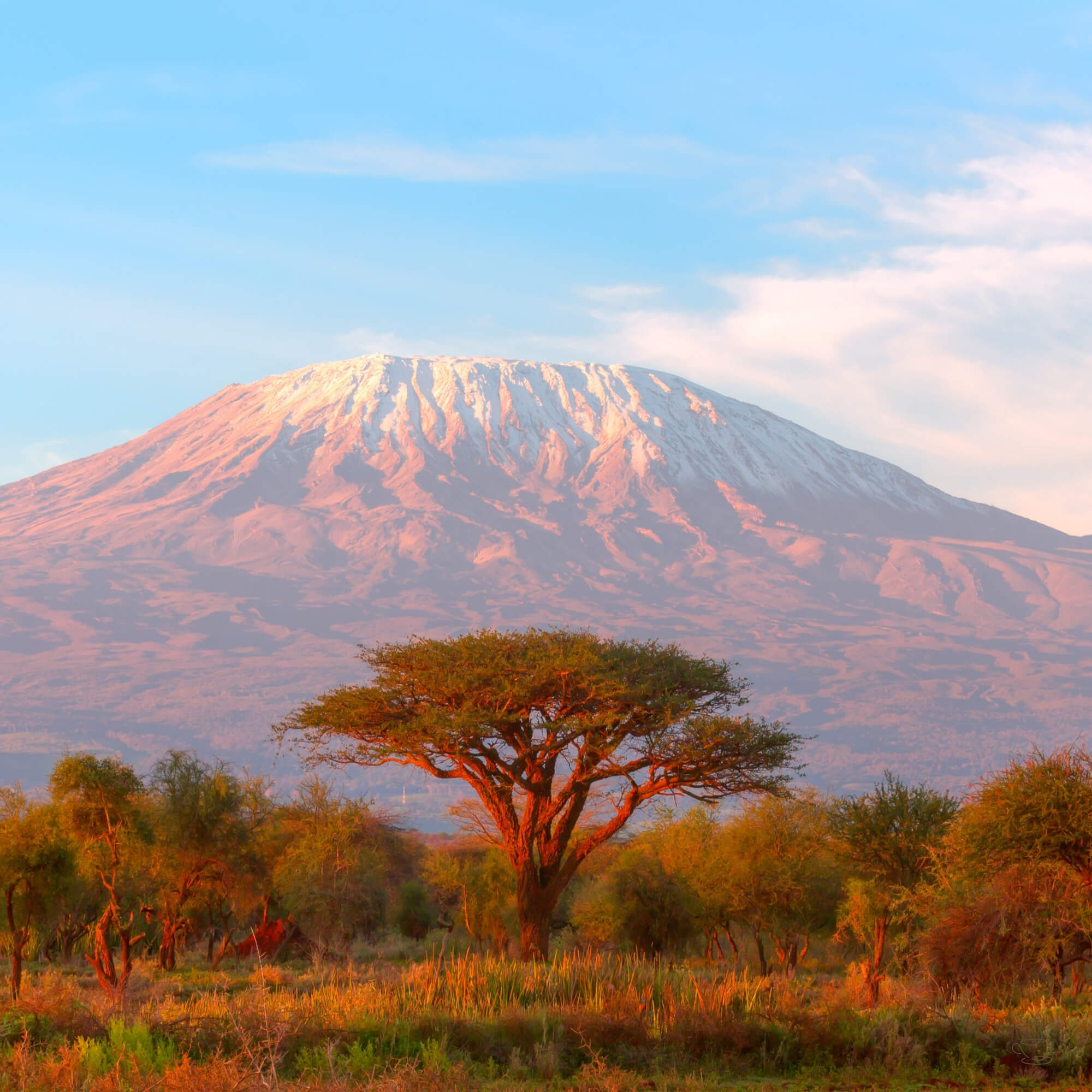
Kilimanjaro & Arusha
Volcanic Slopes & Legacy Estates
Decades of agronomy, infrastructure, and washed processing define this corridor. Use this block to name
estates or factories you work with, outline altitude bands, and explain why their citrus-floral profiles
become reference points in your lineup.
Mbeya & Songwe
AMCOS, Central Mills & Modern Quality
Thousands of smallholders deliver cherry to centralized mills and AMCOS-style groups. As you lock in partners,
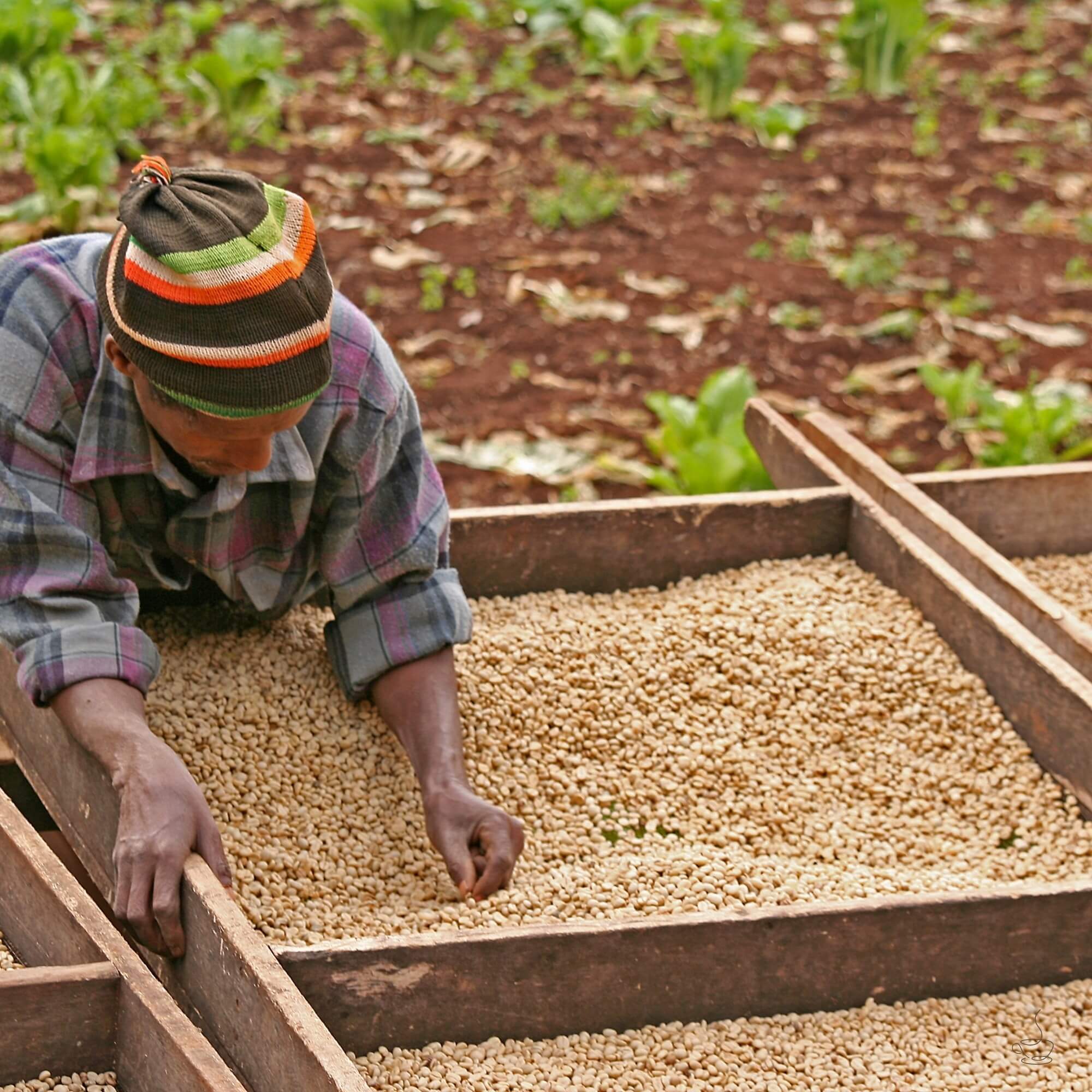
list them here with details on how they manage cherry selection, fermentation, and raised-bed drying to
produce juicy, clean lots.
Ngorongoro, Tarime & Others
Microlots & Distinct Terraces
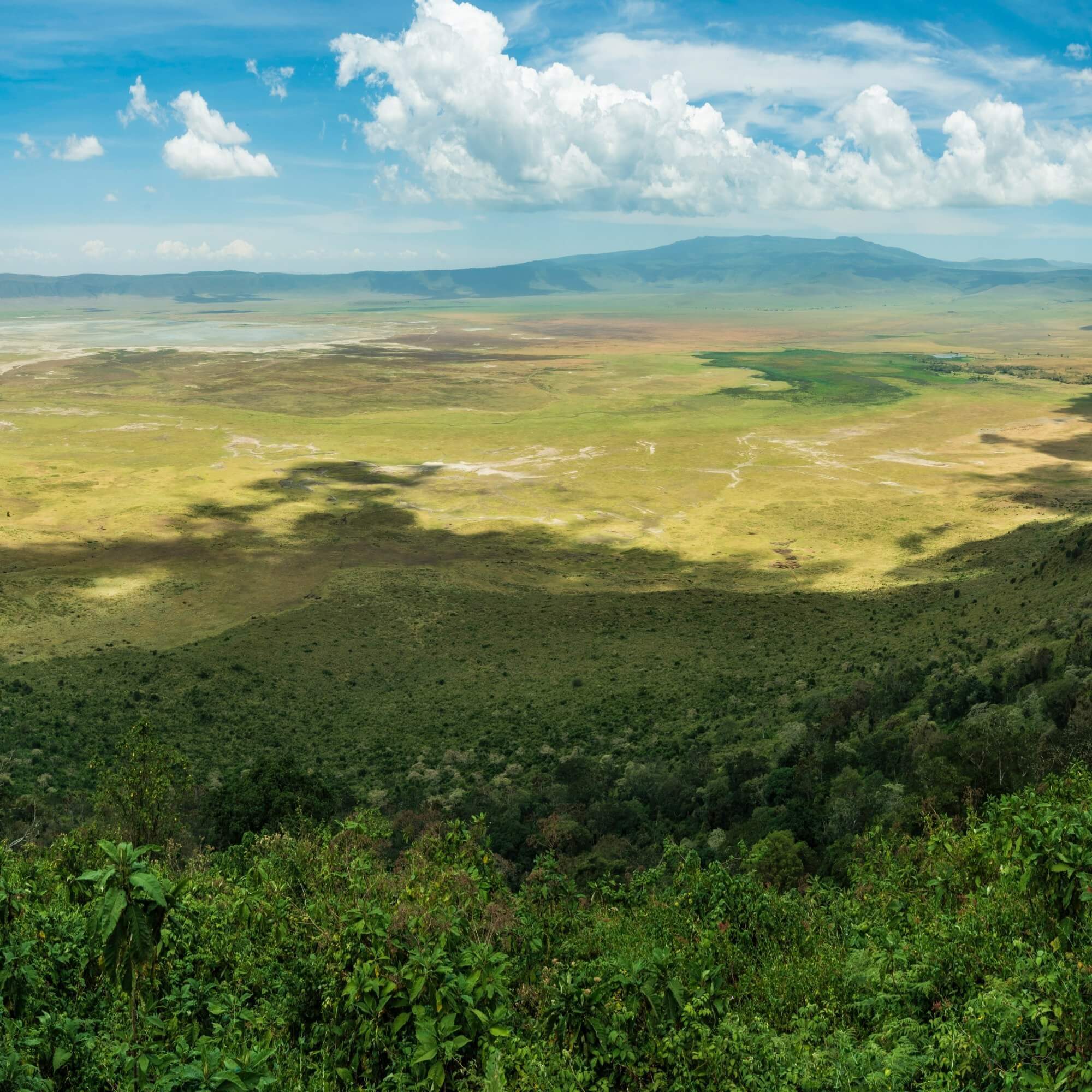
High-altitude pockets near Ngorongoro and Tarime offer structure, florals, and unique signatures. Ideal
territory for small releases once you have repeatable, relationship-based sourcing to talk about.
How Tanzanian Lots Fit Into Our Lineup
Tanzanian coffees let you showcase East African character in a slightly calmer, more sugarcane-sweet voice.
Every lot gets an explicit job so your shelves and menus feel intentional.
Washed Kilimanjaro / Arusha
Flagship Single-Origin Filter
HeritageEducational
Citrus, florals, black-tea structure, sugarcane sweetness. Ideal for pour-over bars and as a benchmark
Tanzania expression guests can come back to.
Southern Highlands AMCOS Lots
Modern House & Wholesale Pillars
ScalableTraceable
Clean washed lots from Mbeya/Songwe with juicy citrus and balanced sweetness. Built for reliable rotation in
retail bags, drip programs, and wholesale menus.
Microlots & Experiments
Contrast & Limited Releases
Short RunStory-Driven
Carefully vetted naturals, honeys, or special-block washed lots. Use them to highlight specific producers or
groups, always with transparent context and clean-cup discipline.
Processing, QC & How We Read Tanzanian Cups
Tanzania’s quality range is wide. This is where you show guests and partners that your choices are selective,
measured, and repeatable.
Washed focus: Preference for fully washed coffees with clear cherry flotation, hand sorting,
controlled fermentation, thorough washing, and slow raised-bed drying.
Naturals & honeys: Only from mills and estates with proven process control; presented as
clearly labeled, limited offerings.
QC stack: Multi-stage cupping, visual and screen grading, moisture and water activity checks
before any Tanzania lot enters the Small Batch of Friends lineup.
Flavor target: Citrus and florals on a sweet, sugarcane / caramel base; articulate but not
punishing. We avoid lots that lean thin, vegetal, or harsh.
Roast approach: Light–medium with full development: enough heat and time to stabilize
structure and sweetness while preserving lift.
As you tighten specs (screen size, density, cup scores, partner checklists), this is the block to document it
for SEO and transparency.
Impact, Equity & Transparency in Tanzania
Tanzania is often summarized with safari photos and vague “mountain-grown” claims. Your advantage is specificity
— naming structures, not just scenery.
Named partners: As relationships solidify, list estates, AMCOS groups, and exporters with
location, altitude, and processing details.
Clear value flow: Where possible, outline how premiums or long-term contracts support
agronomy, drying infrastructure, and producer income stability.
Training & quality: Preference for partners investing in picking standards, lot
separation, and cupping labs — the things that show up in the cup.
Honest limitations: If traceability is at the group or estate level, say that plainly; if you
achieve block- or farmer-level detail, highlight it with evidence.
Future field reports, interviews, and collaborative projects can link from here, turning this hub into a live
archive of your Tanzania work.
Brew & Menu Strategy for Tanzanian Coffees
Tanzanian coffees are perfect for showing guests a precise, uplifting cup that still feels accessible. This
section helps your team position each SKU on bar.
By-the-Cup & Pour Over
Lean into clarity without bravado.
Feature Kilimanjaro/Arusha lots as “classic East Africa, calm and clean.”
Use tasting notes like orange, black tea, sugarcane, florals.
House Filter & Drip
Southern Highlands as a reliable backbone.
Blend with chocolate-forward origins for balanced daily brews.
Emphasize traceable groups and QC for wholesale partners.
Espresso, Blends & Limiteds
When used thoughtfully, Tanzania sings on bar.
As single-origin espresso: citrus and florals over syrupy sweetness for engaged guests.
In blends: small percentages add lift and aroma without hijacking comfort.
Detailed brew specs and recipes for each Tanzania release can live in
Bert’s Coffee Brew Guide, keeping dialing guidance centralized.
Why separate the Tanzania Stories hub from the main origin page?
The main page orients guests quickly. This Stories hub gives room for station names, AMCOS details,
microlots, QC notes, and impact work — the depth that builds trust with serious drinkers and wholesale
partners.
What content should be added here over time?
As sourcing matures: partner lists, harvest recaps, cupping reports, interviews, and photos from visits.
Every update compounds your authority and SEO while staying honest and specific.