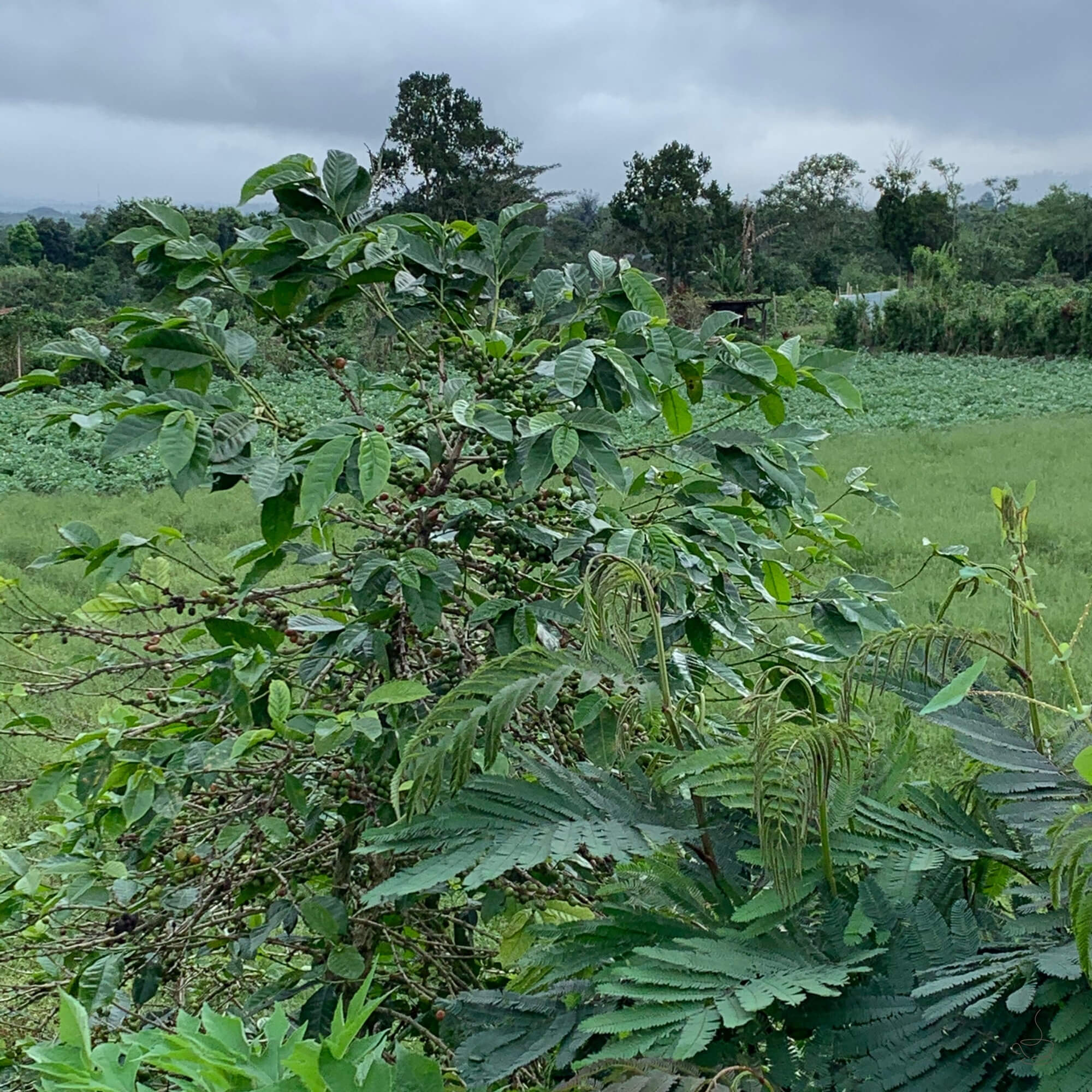
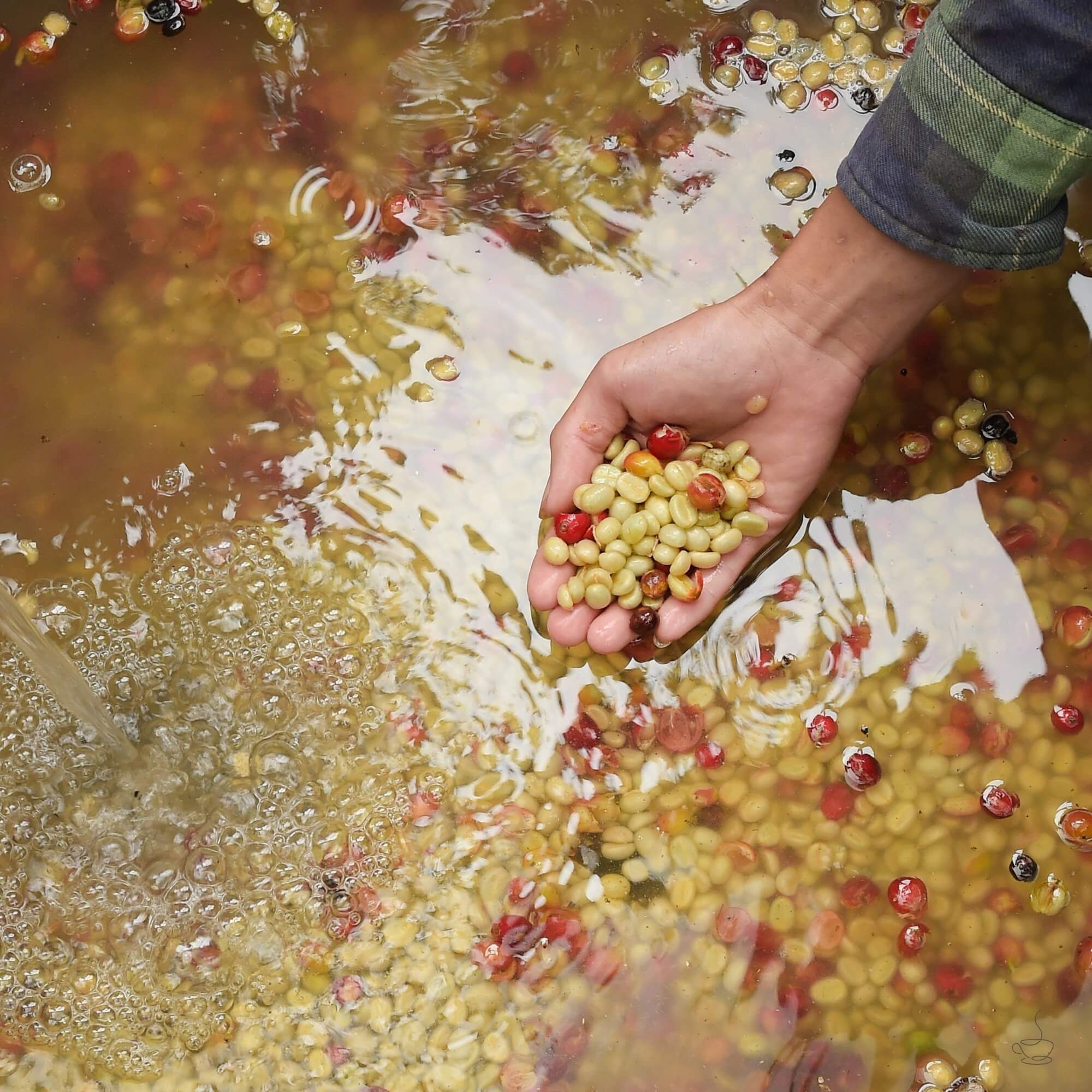
This hub extends our Sumatra Origins Guide. It’s built to house named co-ops, washing stations, and processors,
and to explain exactly how we separate intentional, syrupy Sumatras from the generic “dark and murky” stereotype.
Sumatra is a network origin: countless smallholders, village collectors, and central mills. This section is your
space to name the partners who prove they can deliver clean, distinctive lots year after year.
Aceh — Gayo Highlands
Traceable High-Altitude Co-ops
Use this card for named Gayo cooperatives and village groups: elevation ranges, organic practices (where
verified), cherry collection points, and how they manage wet-hulling and drying for cleaner, sweeter profiles.
Lintong & Lake Toba
Volcanic Slopes & Focused Mills
Reserve this space for partner mills that separate by village and elevation, manage moisture carefully, and
deliver classic chocolate-and-spice cups without dirty or rubbery notes.
Experimental Projects
Washed & Natural Sumatra
Highlight small projects working with raised beds, controlled naturals, or fully washed protocols. These lots
show what Sumatra can be when process is dialed-in: clearer fruit, structured sweetness, less rustic weight.
Aggregation with Intention
Moving Beyond Loose “Mandheling” Labels
If a coffee is sold under broad names like Mandheling, explain how your exporters and mills tighten that into
real traceability and screening instead of vague marketing language.
How Sumatra Lots Work Inside Our Menu
Defining roles keeps Sumatra purposeful — not a catch-all filler. Use this grid to map specific offerings.
Gayo / Lintong Selections
Signature Single Origins
Syrupy BodyDark ChocolateHerbal-Sweet
Clean wet-hulled or washed lots with defined provenance. Used as featured Sumatras that show depth and
sweetness without murk.
Blend Components
Grounding, Not Overpowering
Body BuilderCocoa & Spice
Sumatra appears in espresso and filter blends where heavy body, chocolate and soft earthiness are intentional.
Percentages and roles can be documented here for wholesale partners.
Experimental / Limited
New Sumatra Profiles
Washed ClarityNatural Fruit
When partners produce washed or natural micro-lots with high cleanliness, they earn limited releases. This
slot explains those stories and what sets them apart from classic wet-hulled cups.
Wet-Hulling, Risk & the Standards We Use
Sumatra’s identity is tied to Giling Basah (wet-hulling), where parchment is removed at higher
moisture and beans finish drying exposed. It can be beautiful or disastrous. This is where you publish your line
in the sand.
Moisture & water activity: Only lots within defined stability ranges; anything outside is
rejected or downgraded.
Defect thresholds: Screened for mold, phenolic, rubber, baggy or harsh ferment notes. If it
smells wrong at green, it doesn’t get roasted.
Traceable networks: Preference for co-ops and mills that can show cherry selection steps,
flotation, hulling timelines and drying infrastructure.
Process diversity: Encouraging washed and natural experiments that maintain Sumatra’s weight
while lifting clarity.
Roast curves: Built to preserve sweetness and structure; no “just roast it dark” shortcuts.
As you dial in numeric specs (cupping scores, defect counts, moisture targets), add them here to underline that
Sumatra meets the same bar as your other origins.
Impact, Relationships & Forest-Aware Sourcing
Many Sumatran producers live close to protected forests and steep hillsides. Responsible sourcing here is about
both cup quality and landscape stewardship.
Named partners: Over time, list the co-ops, exporters and mills you trust, with how long
you’ve worked together.
Premiums with purpose: Highlight investments in drying patios, shade management, and training
that directly reduce defects and improve income stability.
Forest edge responsibility: Note any commitments to avoiding deforestation, protecting water
sources, or improving waste handling at mills.
Honest language: Make clear when a coffee is traceable to specific groups vs. responsibly
curated regionals — no greenwashing.
Future trip logs, interviews, and before/after quality snapshots can live here for both transparency and SEO.
Brew Guidelines & How to Talk About Sumatra on Bar
Sumatra is polarizing. This section helps your team frame it as a deliberate, modern choice.
Single Origin Story
Lead with syrupy body, cocoa, gentle spice and clean herbal depth.
Explain wet-hulling simply and why your partners do it well.
Blend Architecture
Position Sumatra as a body and sweetness anchor, not a way to hide defects.
Mention when it’s used for chocolatey comfort profiles or night-cap blends.
Roast & Extraction Notes
Medium–medium dark with focus on solubility and sweetness.
For espresso: slightly tighter ratios accentuate syrupy, fudge-forward shots.
Detailed recipes for each Sumatra SKU can live in
Bert’s Coffee Brew Guide, keeping this page focused on narrative,
standards and roles.
The main origin page orients guests quickly. This hub is where you document named partners, wet-hulling
standards, and lot-specific stories that prove your Sumatra offerings are curated, not default.
What should we add over time?
Co-op profiles, quality-improvement projects, before/after cupping results, and transparent notes on how
you manage risk around moisture and defects. Small, frequent updates build trust and search value.