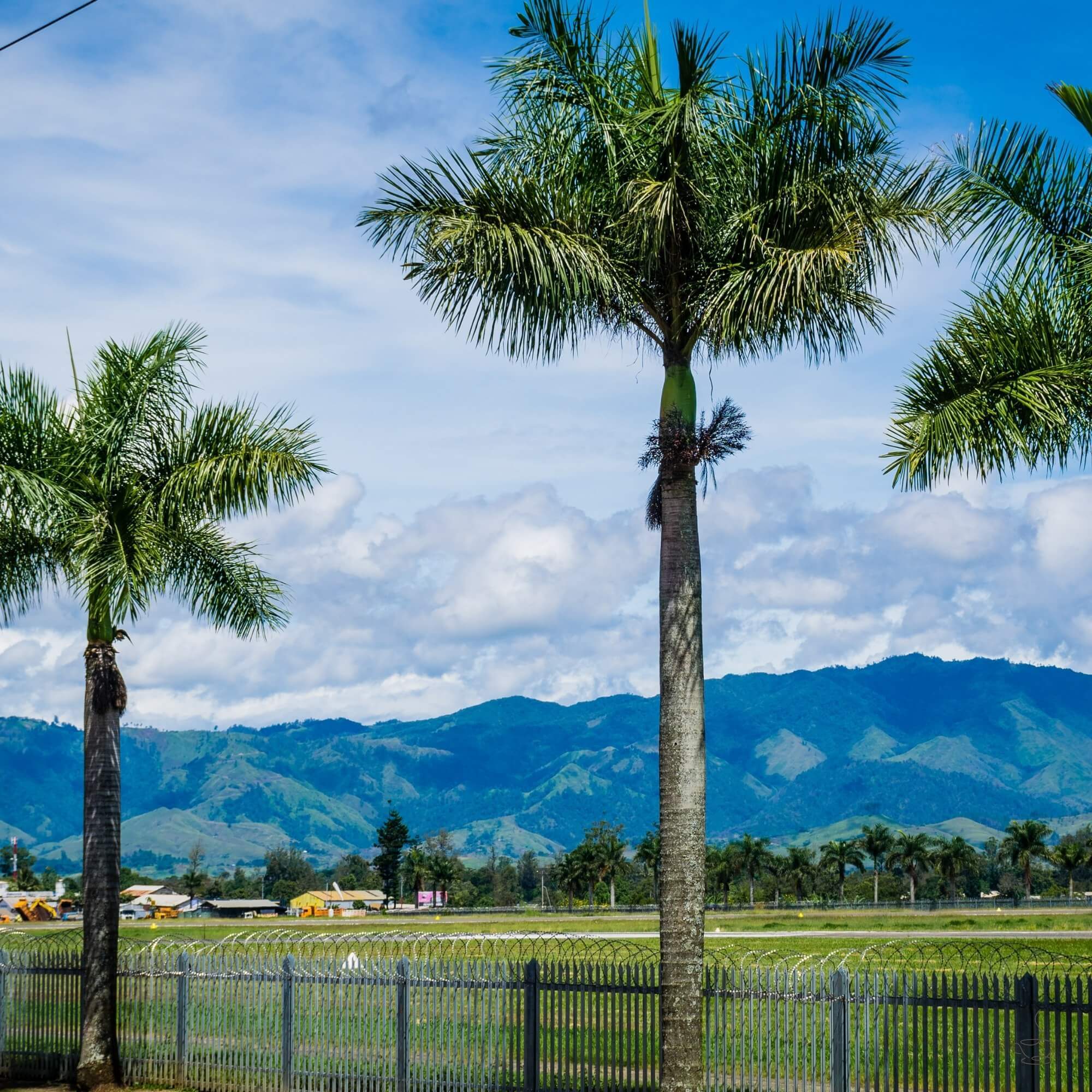
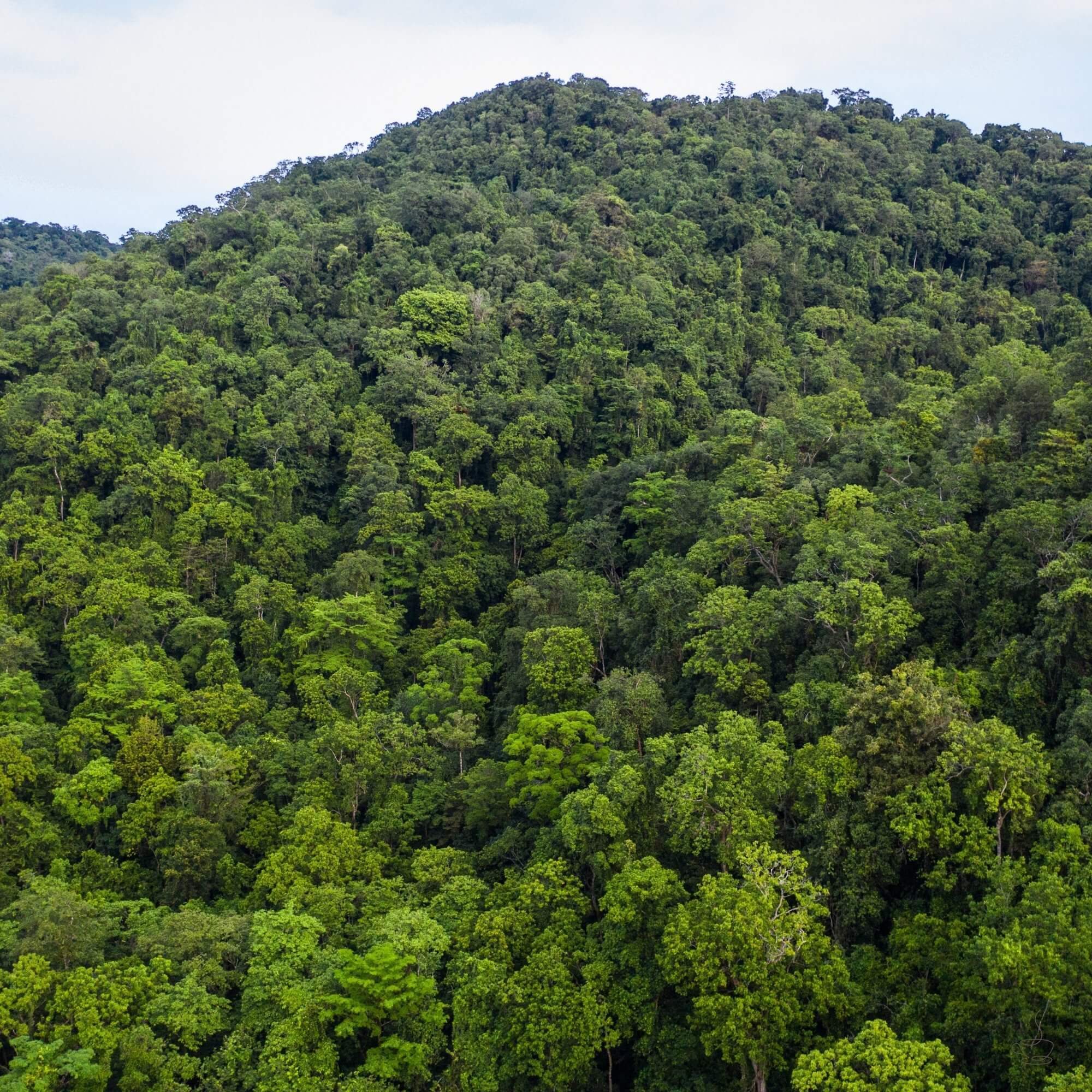
This page extends our Papua New Guinea Origins Guide. It’s built to show how your PNG coffees move beyond
“unpredictable origin” into disciplined, traceable lots that link high-elevation gardens, modern mills and
guest-ready flavor.
Eastern & Western Highlands detailVillage coffee gardensWashed process disciplineHeirloom / Typica lineageBright yet grounded profilesWholesale story support
Papua New Guinea’s best coffees come from thousands of smallholder “coffee gardens” delivering cherry to a
relatively small number of good mills. This section is your space to name the people turning steep terrain
and heirloom cultivars into stable, export-ready coffee.
Eastern Highlands
Goroka & Surrounding Clusters
Use this card for named washing stations and associations around Goroka. Document altitude bands, varieties,
and how cherry collection routes plus centralized processing create citrus, floral and tea-like clarity.
Western Highlands / Jiwaka
Mt. Hagen & Waghi Valley Networks
Introduce the mills and cooperatives you rely on here. Tie their selective picking, flotation, clean
fermentation and drying patios to the deeper sweetness and chocolate-fruit profiles in your lineup.
Simbu & Emerging Zones
High, Fragmented, Full of Potential
Reserve this for Simbu/Jiwaka and newer projects: training on picking, raised beds, and moisture control that
convert “wild” potential into structured, high-scoring lots.
Regional & Signature Blends
PNG as a Transparent Regional Profile
Explain how you build regional PNG: which provinces, altitude ranges, minimum cup scores, and why that
profile earns its place in blends and menu staples.
How Papua New Guinea Lots Work in Your Lineup
PNG can be bright and expressive or comforting and chocolatey — depending on region, variety and roast.
Use this grid to define clear roles so staff and partners can speak with confidence.
Single Origin
Highland Showcase
Citrus & Stone FruitFloralHoney & Cocoa
Spotlight washed PNG lots with layered acidity, florals and honeyed sweetness. Ideal for pour-over programs
and feature rotations that highlight “bright but not sharp” profiles.
Blend Component
Lifter & Bridge
Brightness SupportJuicy Structure
PNG adds lift and aromatics to chocolate-forward blends. Describe which blends include PNG and why: to
bring life to Brazil-heavy bases or to echo East African vibrancy with more body.
Microlots & Experiments
Proof of Potential
Honey / NaturalWashed Microlot
Use this for limited PNG releases from standout mills or village groups — clearly framed as clean, structured
experiments, not risky ferment bombs.
Processing Standards: Turning PNG Potential into Reliability
PNG’s reputation swings between brilliant and challenging. Here’s where you codify how your program stays on the
right side of that line.
Selective picking & cherry delivery: Preference for partners who train growers on color
standards and pay for ripe cherry, not volume alone.
Clean washed protocols: Flotation to remove defects; monitored fermentation; thorough washing
and channel grading; slow, even drying on patios or raised beds.
Measured moisture & storage: Lots that meet target moisture and water activity; stored
off the floor with protection from humidity and heat.
Experimental controls: Honeys/naturals only when shade, airflow, bed depth and timelines are
documented and supported by cupping data.
Roast alignment: Medium profiles that keep PNG’s fruit and florals intact while locking in
sweetness and shelf stability.
As partnerships mature, you can turn this section into concrete specs and before/after stories that back up your
PNG claims.
Impact, Long-Term Buying & Respect for PNG Communities
PNG’s coffee economy is shaped by smallholder households, difficult roads and limited services. Your choices
about who you buy from and how you communicate standards have real weight.
Multi-year commitments: Explain how you aim to renew contracts with the same mills or groups,
rewarding quality improvements with repeat business.
Transparent premiums: When possible, share how quality premiums move through exporters or
mills to reach smallholders.
Training & feedback: Mention shared cuppings, defect workshops and drying training that
connect sensory feedback at your lab to decisions in the highlands.
Cultural respect: Emphasize collaboration over savior narratives. Use photos and names with
consent and context.
This is the space for future case studies: specific groups, infrastructure upgrades, and quality gains over time.
Brew Guidelines & How to Talk About PNG on Bar
Give your team language and starting points that match how you position Papua New Guinea coffees.
For Guests
“High-elevation, vibrant but not sour.”
“Think citrus, stone fruit and honey over a cocoa backbone.”
“A great next step if you like washed Centrals and want something more adventurous.”
For Espresso & Blends
Use PNG to add aromatics and structure without overwhelming with sharp acidity.
Pairs well with Brazil/Colombia bases and select East African components.
Flag on spec sheets where PNG appears so wholesale partners can market the origin story.
Brew Notes
Filter: 1:15–1:16, slightly cooler water if acidity is very lively.
Espresso: medium roast, watch for fast extractions (often quite soluble); adjust dose to highlight sweetness.
Cold brew: PNG’s sweetness and body translate well; emphasize cocoa + citrus twist.
Detailed recipes for specific PNG SKUs can live inside
Bert’s Coffee Brew Guide, keeping this hub focused on sourcing and story.
Explore More Papua New Guinea with Coo Coo’s Coffee
The main Origins Guide introduces the origin. This hub is built for deeper sourcing notes, QC standards,
training content and SEO — helping wholesale partners and engaged guests see that your PNG offerings meet a
clear, high bar.
What should we add here over time?
Named mills and associations, cup score ranges, moisture/defect specs, photos from visits, and profiles of
smallholder groups. Short, factual updates compound into a strong trust signal.