Kenya Origin Stories — Factories, Grades & High-Structure Cups
This hub extends our Kenya Origins Guide with factory-level context, grading notes, and how we decide which Kenyan
lots earn a place at Small Batch of Friends. It’s written for guests, bar teams, and wholesale partners who want
real detail behind those vivid blackcurrant cups.
SL28 & SL34 HeritageDouble Washed DisciplineAuction & Direct ChannelsAA vs AB (Beyond the Grade)High-Elevation Volcanic Soils
Factories, Co-ops & Estates — Where Our Kenya Starts
Kenya’s best coffees come from tightly run factories (washing stations) serving networks of smallholders, plus a
handful of quality-focused estates. This section becomes your living roster once partners are confirmed, so every
label has a home story.
Nyeri & Kirinyaga
Benchmark Factories
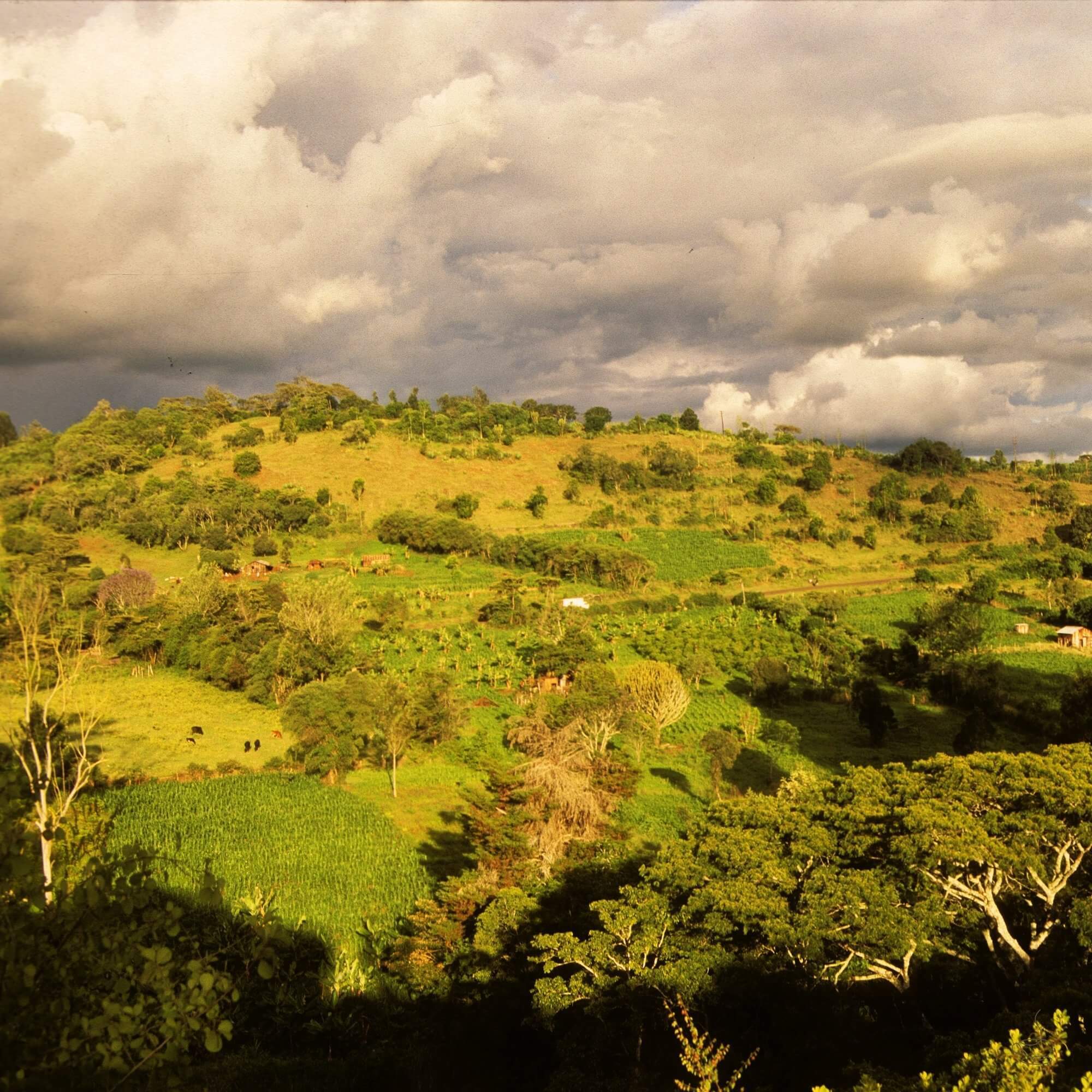
Landscape near Nyeri
Embu, Murang’a & Kiambu
Quietly Excellent Co-ops & Estates
Co-ops and estates that deliver solid structure and sweetness. Ideal for transparent single origins and
consistent bright components in blends.
Emerging Regions
Beyond the Classics
Space for future relationships and experimental profiles — natural lots, new varieties, climate adaptation
work. Use this column to showcase innovation once it’s real.
How Kenyan Lots Fit into Our Lineup
Kenya isn’t background noise. Each lot gets a job description — reference cup, education piece, blend scalpel,
or short-run showstopper.
AA / AB Washed
Flagship Filter & Benchmark
Single-OriginFilter BarQC Reference
High-elevation washed lots with blackcurrant, citrus, and deep sweetness. Used to calibrate roast profiles,
extraction, and green quality across the program.
PB / Micro-lots
Character & Limited Releases
PeaberryShort RunFlight Feature
Curated for uniqueness — floral, tropical, or unusually sweet profiles that expand what guests expect from
Kenya beyond “just AA.”
Blend Components
Acid & Aroma with a Job
StructureLift
Used in measured percentages to add snap, fruit, and length to blends. When Kenya is in the blend, we say so —
and we select lots that perform, not just sound good.
Processing, Grades & QC — How We Read Kenyan Coffee
Kenya’s system is technical by nature. Our job is to translate that clearly and guard against chasing letters
instead of cups.
Double-washed profiles: Floaters removed, controlled fermentation, full washing,
and soaking for uniform parchment — a key source of that polished acidity.
Grading (AA, AB, PB, etc.): Size/density only. We cup every grade; an AB that wins on flavor
beats an AA that only wins on paper.
Defect intolerance: We screen out phenolic, potato, and hard/under-ripes that can hide under
“complexity.”
Seasonality: We buy current-crop and retire lots before age flattens acidity and aromatics.
Roast approach: Light–medium with full internal development: tight spreads, high sweetness,
clean finish — never grassy or scorched.
This is where you can later plug in specific cupping protocols, water specs, and lab scores as your QC playbook
matures.
Relationships, Routes & Transparency in Kenya
Kenya’s supply landscape includes auctions, direct sales, and marketing agents. Instead of hiding behind it, we
explain how we navigate it and what that means for the coffees in your cup.
Named factories & societies: As partnerships stabilize, we publish factory/society names,
membership size, and elevation, so guests can follow along.
Buying logic: Cup-driven selections first, then evaluate logistics, premiums, and repeatability.
Premiums: When quality premiums or multi-year commitments apply, we say how they tie back to
sorting, processing, or member payments.
Honest boundaries: If a coffee is traceable “to cooperative” but not to individual producers,
we state that plainly.
Future posts and partner spotlights can link here, turning this page into a living documentation of your Kenya work.
Brew & Menu Strategy for Kenyan Coffees
Kenya is your “we’re serious” showcase: if you respect its acidity and sweetness, guests feel the intent behind
your program.
Filter & Pour-Over
Home base for washed Kenya.
Use as a rotating feature with clear region/factory callouts.
Dial in 1:15.5–1:16.5, 93–96°C, aiming for snap + sweetness.
Espresso & Signature Drinks
For guests who enjoy clarity.
Offer as a seasonal spro or spro + tonic; highlight tasting notes boldly.
Roast and recipe to avoid sourness: full development, tighter ratios.
How We Talk About It
Direct, confident, no fluff.
“Nyeri AA from [Factory], SL28/34, blackcurrant & grapefruit.”
“Kirinyaga AB, redcurrant & lemon, built for filter clarity.”
Avoid vague “exotic” language; lead with place, process, and flavor.
Brew recipes for each Kenya SKU can live in
Bert’s Coffee Brew Guide to support staff and home brewers.
The main Kenya page is built for quick understanding. This Stories hub is where we park factory lists,
grading explanations, QC notes, and project updates — supporting SEO, staff training, and trust.
Will you publish specific factories and partners?
Yes. As partnerships stabilize, we’ll add factory, society, and estate names plus harvest details and
lot-based stories, so each release has a clear reference point.