This hub extends our Java Origins Guide. It’s where we document specific estates, cooperatives, and projects,
and show how we use Java to deliver composed, reliable coffees with real place behind the name.
“Java” has history. This is your space to show which partners are writing the next chapter — with traceability,
disciplined processing, and cup profiles that earn a permanent slot on your menu.
East Java — Ijen Plateau
Legacy Estates with Modern QA
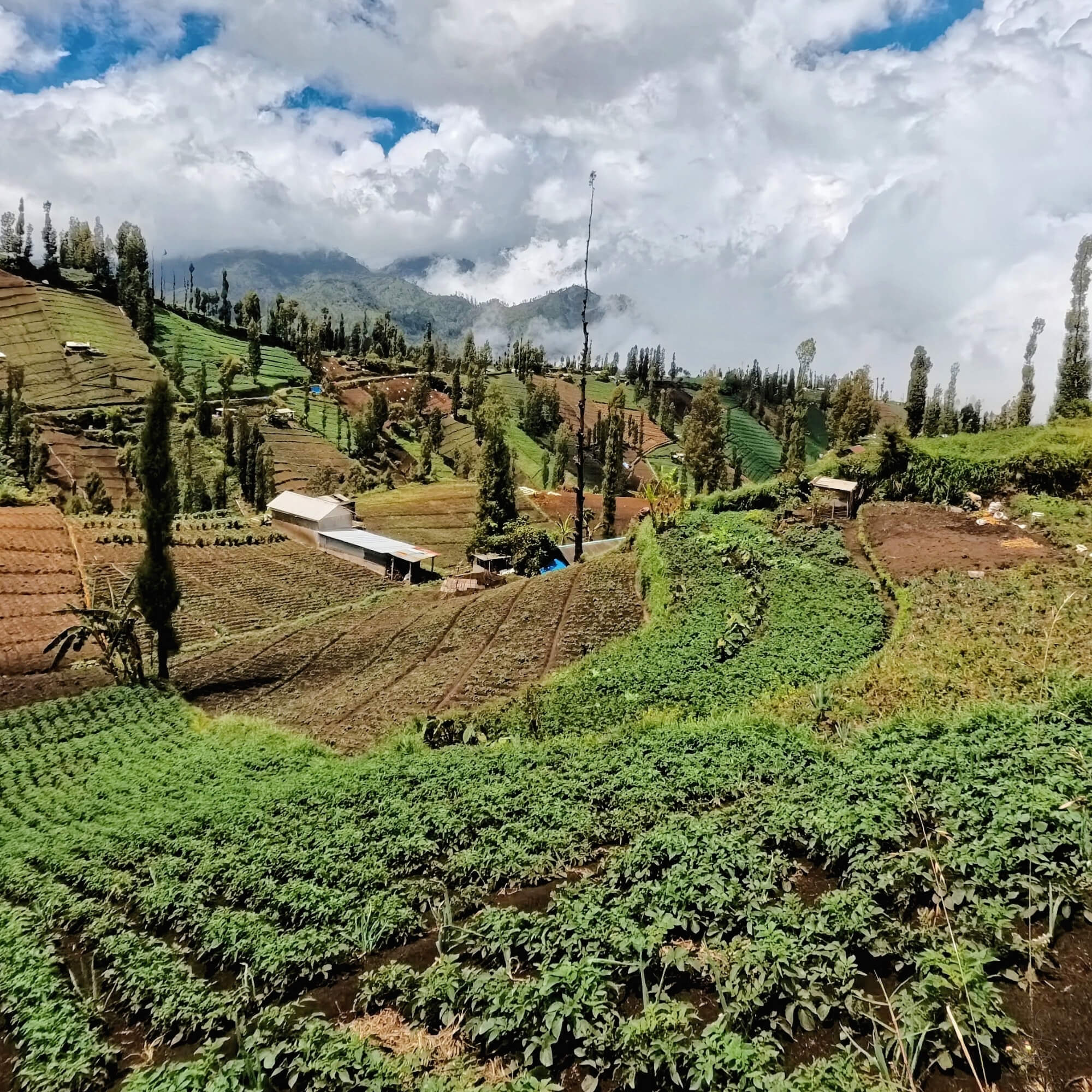
Kawah Ijen plateau East Java
West Java Highlands
Smallholder Cooperatives & Microlots
West Java Highlands
Experimental Partners
Honey, Natural & Controlled Fermentations
Highlight projects trialing naturals, honeys, or extended ferments with real guardrails: clear protocols,
tight drying targets, and profiles that bring fruit and florals without losing Java’s grounded character.
Label Integrity
When “Java” is on the Bag
Rule: “Java” means traceable to the island, with documented region/estate where
possible — not a generic placeholder. That clarity is part of your brand.
How Java Lots Fit Inside Our Lineup
Java is a flexible “calm center” origin. This grid helps wholesale partners and enthusiasts see how each lot is
designed to behave.
Single Origin Java
Clean, Composed Daily Driver
Cocoa & CaramelSweet SpiceGentle Citrus
Lots with dependable clarity and structure. Ideal for menus that want a familiar-yet-elevated cup with a
clear origin story.
Blend Component
Polished Backbone & Smoother Edges
Body & BalanceEspresso-Friendly
Java appears in blends to round sharper acidity from East Africa or Central America, contributing cocoa,
structure and subtle spice without overwhelming the cup.
Limited Releases
Microlots that Redefine “Java”
Honey & NaturalFloral / Fruit Lift
When partners execute clean experimental lots, they get their own spotlight. This slot explains the farm,
method, and why the cup steps beyond the traditional profile.
Processing Standards: From Estate Protocols to Microlot Discipline
Java’s advantage is infrastructure: mills, experience, and access to water and transport. We lean into that by
requiring process discipline that matches our other origins.
Washed quality: Clear fermentation windows, thorough washing, clean channels, and targeted
drying for stability. No mildew, no swampy cups.
Honey & naturals: Accepted only when there is documented raised-bed drying, turning
schedules, and strong physical and sensory performance.
Occasional wet-hulled: Used sparingly; must pass strict cupping (no baggy, phenolic or rubber
notes) and add value through body and warmth.
Metrics: Moisture, water activity and defect thresholds aligned with our overall menu
standards; anything outside becomes a no or a different tier, not a quiet compromise.
Roast curves: Designed for medium-ish development that unlocks sweetness and structure,
instead of masking origin with roast.
As you tighten specifics (numerical targets, cupping minimums), drop those details here to signal a high bar.
Impact, Long-Term Relationships & Honest Heritage
Java’s history is complicated, from colonial estates to modern reforms. This is where you show how your sourcing
respects that context and invests forward.
Named partners: List estates, co-ops or exporters as relationships form, with timelines and
shared goals.
Better premiums: Connect quality-based premiums to improved picking, drying facilities and
worker conditions.
Training & quality labs: Highlight cupping labs, agronomy support, or shared QC language
that help producers hit specialty specs consistently.
Truth in storytelling: When a coffee is a curated regional blend rather than a single estate,
say so — and explain how that curation works.
Over time this section can house trip reports, interviews and before/after quality snapshots that deepen trust.
Brew Guidelines & How to Talk About Java on Bar
Java is your “approachable sophistication” card. This section arms your team with language and practical pointers.
For Guests
“Classic, smooth, cocoa-forward with gentle spice and balanced acidity.”
“Ideal if you like comfort but still want a thoughtful, traceable coffee.”
For Espresso & Blends
Use Java to soften sharper components and add chocolate backbone.
Great in milk drinks where subtle spice and cocoa read clearly.
Brew Notes
Pour-over: moderate doses and 1:15–1:16 ratios accentuate clarity.
Espresso: medium roast, classic ratios for syrupy, structured shots.
Specific recipes for each Java SKU can live in
Bert’s Coffee Brew Guide, keeping this page focused on narrative and
sourcing standards.
The main Origin Guide orients guests quickly. This Stories hub is where you prove that your Java offerings
are specific, vetted and intentional — ideal for wholesale partners, educators and curious drinkers.
What should we add as we grow?
Named estate and coop profiles, QC thresholds, photos from visits, and updates as you bring on new Java
lots. Small, concrete additions build SEO strength and trust over time.