India Origin Stories — Estates, Monsoon Lots & Modern Fine Robusta
This hub extends our India Origins Guide with room for estate profiles, monsooned projects, and how we evaluate
Indian Arabicas and Robustas. It’s the place for specifics: who we work with, why their coffees qualify, and how
they fit into our menu architecture.
India’s specialty reputation is estate-driven and slowly expanding through organized grower groups. This section
becomes your living roster of named partners and pilot projects.
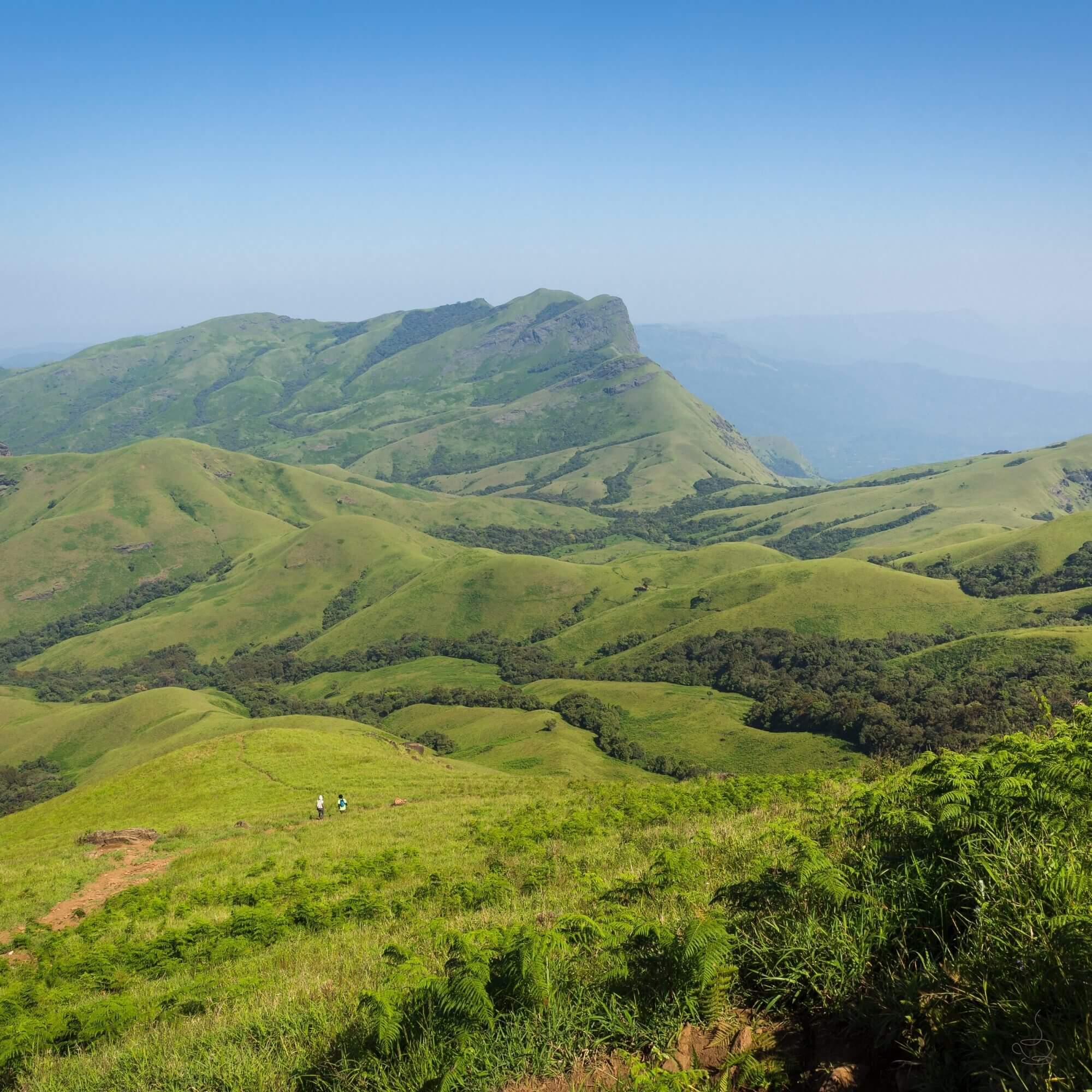
Chikmagalur & Bababudangiri
Historic Arabica Slopes
Kudremukh national park in Chikmagalur karnataka
Coorg (Kodagu)
Estate Scale with Specialty Intent
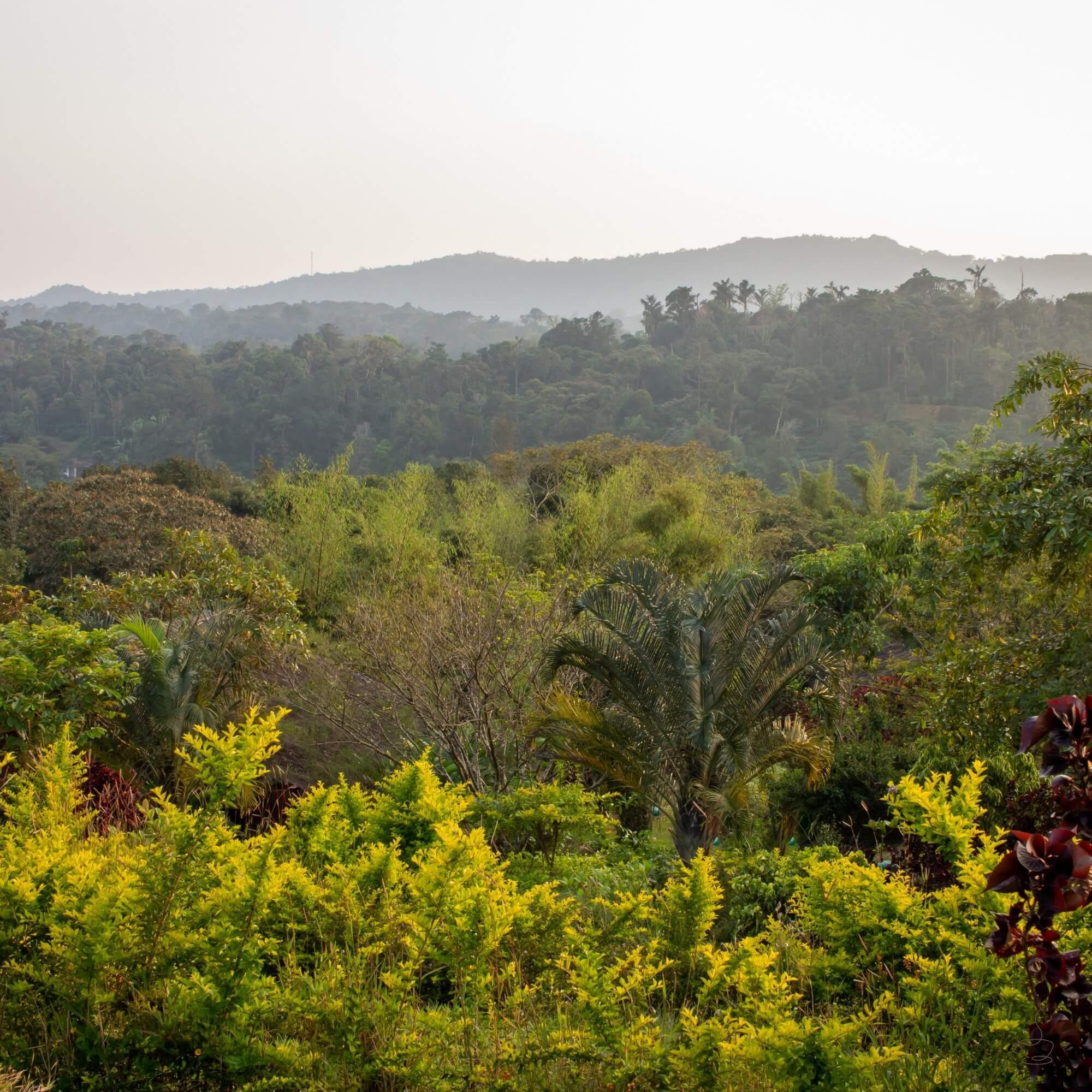
Coorg supplies both approachable house profiles and structured blend components. Reserve this space for
estates or groups that meet your physical and sensory specs, including how they manage shade, soil, and
long-term consistency.
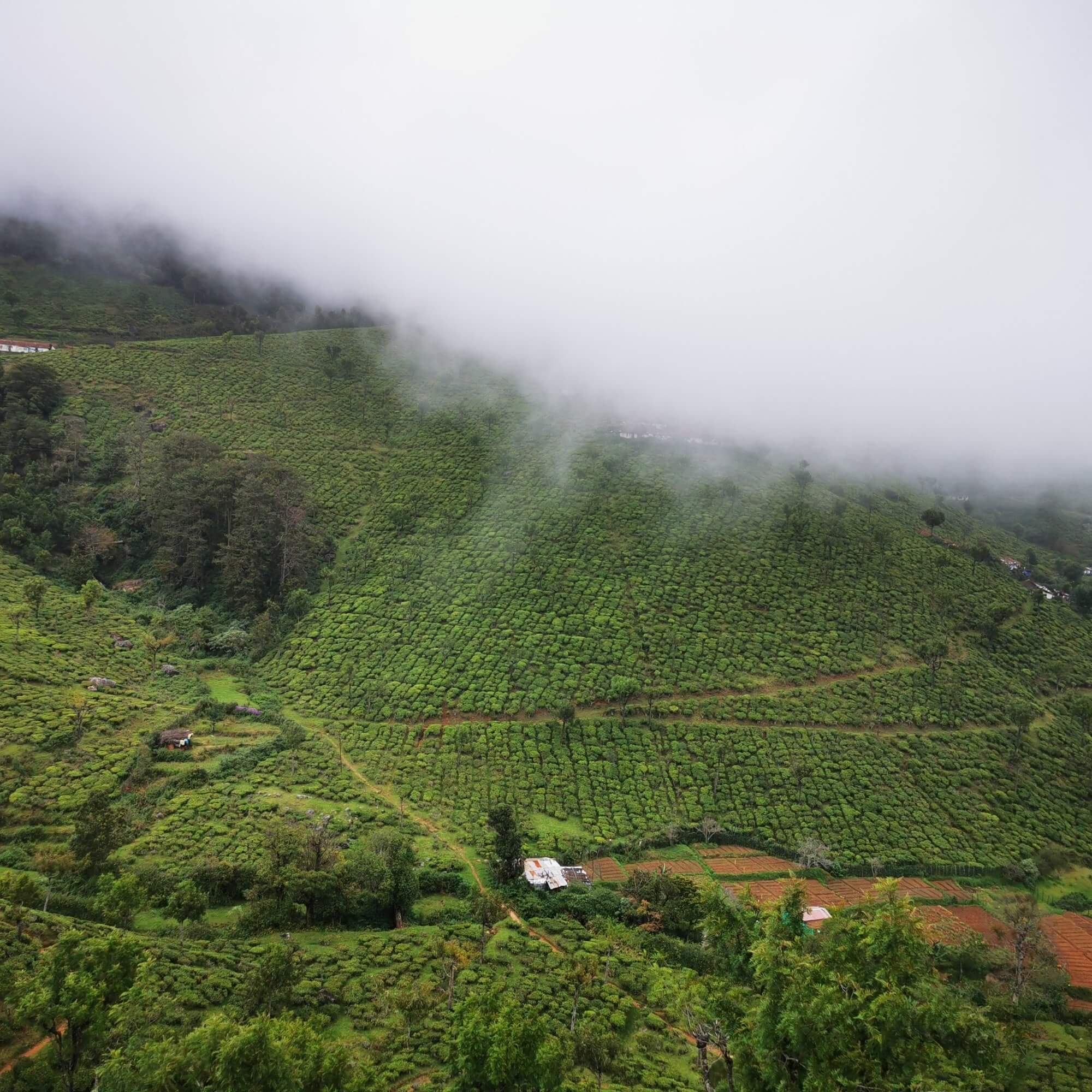
Nilgiris, Shevaroys & Palani Hills
Higher Elevation, Brighter Expression
These higher, cooler zones can yield citrus, florals and elegant sweetness. Capture microlot stories here:
fermentation tweaks, variety trials, and why these coffees earn feature status.
Robusta Origins
Fine Robusta with Receipts
If you work with Indian Robustas, this is where you list producer groups, altitude, clones, and post-harvest
standards. The message: any Robusta you use is traceable, cupped hard, and included on purpose.
How Indian Lots Fit Into Our Lineup
Clear roles prevent “generic Indian” from creeping into your menu. Every lot should earn its place.
Estate Washed Arabica
Comfort-First Single Origins
Cocoa & NutDaily Driver
Clean washed lots from reputable estates. Think chocolate, toasted nuts, gentle spice, low–medium acidity.
Ideal for approachable single origin filters and espresso with broad appeal.
High-Elevation & Specialty Lots
Lift & Nuance
CitrusFloralsHoneyed Sweetness
From Nilgiris, Shevaroys or carefully managed pockets. These lots challenge assumptions: tighter picking,
modern processing, and brighter cups worthy of features and limited releases.
Monsooned & Fine Robusta Components
Structure, When It Matters
Heavy BodyLow AcidityEspresso Tool
Monsooned or high-grade Robustas appear only in blends where their density, crema and rustic sweetness are
intentional. Packaging and copy name these components clearly, never hiding them.
India’s story is as much about process control as it is about place. This is where you publish the standards
that keep your offerings sharp.
Washed coffees: Verified selective picking, defined ferment times, clean channels, and
slow, even drying. Target cups: clean cocoa, nuts, subtle spice, no muddiness.
Naturals & honeys: Only from partners with raised beds, controlled density and sorting,
free from phenolic or acetic defects. Used for layered sweetness, not chaos.
Monsooned Malabar: Considered only from experienced producers; checked for stability,
sweetness, and clean, savory tones. Deployed where low acidity and heavy body serve a clear flavor brief.
Fine Robustas: High-altitude or improved-clone Robustas that pass blind cupping thresholds.
If they don’t clear the bar, they don’t enter the building.
QC stack: Arrival cuppings, moisture and water activity checks, physical grading, and
ongoing on-bar calibration to ensure India lots taste like a choice, not a compromise.
As you formalize numeric specs (scores, moisture ranges, screen size, etc.), add them here to signal rigor to
wholesale partners and coffee geeks.
Impact, Relationships & Long-Term India Work
India offers some of the most structured, professionally run farms in coffee — and also communities where better
pricing and agronomy support can move the needle quickly. This hub gives you space to document real commitments.
Named partners: List estates, collectives, and exporters you trust, with how long you’ve
worked together.
Environmental practices: Shade preservation, wildlife corridors, water treatment, and soil
care that go beyond the brochure.
Honest traceability: If a coffee is estate-specific, say so. If it’s a region-select blend,
explain the sourcing logic and constraints.
Future trip reports, interviews, and cupping recaps can be added here, building a timeline that works for SEO
and for guests who want proof, not slogans.
Brew, Positioning & How to Talk About India on Bar
India coffees help you tell a story of shade-grown heritage meeting modern QC. This section guides bar teams and
wholesale partners on how to frame that story.
Single Origin Features
Emphasize cocoa, nuts, soft spice and gentle acidity.
Use language like “forest-grown” and “slow-developed sweetness” when true and documented.
Blend Architecture
India as a grounding element: chocolate and structure for house blends.
Pair with brighter Africans or florals for contrast without losing balance.
Espresso & Monsooned / Robusta Use
Offer at least one India-forward espresso with transparent notes on components.
If Monsooned or Robustas are used, explain clearly: “for crema, body & traditional profile,” backed by
QC and traceability.
Specific brew recipes for each India SKU can live in
Bert’s Coffee Brew Guide so staff always have current references.
The main origin page is built for fast orientation. This hub is for naming estates, documenting monsooned
projects, publishing QC and fine Robusta policies, and housing trip reports — the kind of detail that builds
trust and search value.
What content should we add over time?
Producer interviews, harvest updates, cupping scores, side-by-side Monsooned vs. washed comparisons, and
transparent explanations of any Robusta use. Small, regular updates signal seriousness.