This hub extends our Ethiopia Origins Guide with sourcing logic, washing-station details, and how we decide which
Ethiopian lots carry the Small Batch of Friends name. It’s built for guests, wholesale partners, and anyone who
reads the back of the bag and wants proof, not poetry.
Stations, Co-ops & Estates — Where Our Ethiopia Story Starts
Ethiopia’s best coffees are built collectively: thousands of smallholders delivering to mills and washing
stations. This section becomes your living directory once partners are locked, so customers and buyers can see
exactly who stands behind each lot.
Yirgacheffe & Surrounds
Named Washing Stations & Villages
Classic washed Ethiopians with jasmine, citrus, and tea-like structure. As you confirm sources, list stations
and kebeles here: elevation ranges, cultivar mixes, and why their protocols consistently hit clean and floral.
Sidama & West Arsi
Organized Co-ops & Traceable Lots
Co-ops and private mills with documented cherry selection, fermentation, and drying. Ideal for stable, bright,
modern profiles and wholesale anchors.
Guji & Western Origins
Forest Coffee & Character Producers
Guji, Limu, Jimma and beyond: forest and semi-forest coffees, often with standout naturals. Capture the names
of exporters, processors, and farmer groups once you’ve cupped and aligned.
How Ethiopian Lots Fit into Our Lineup
Ethiopia is a benchmark origin for your program. Each lot should have a defined job: teach, delight, calibrate, or
contrast — never “misc floral something.”
Washed Ethiopia
Signature Filter & Reference Cup
Single-OriginFilter BarQC Benchmark
Clean jasmine, citrus, and stone fruit with tea-like body. This is where you set your bar for roast precision
and green quality — if this cup isn’t singing, nothing else is either.
Natural Ethiopia
Juicy Fruit & Contrast Lots
Limited ReleaseEspresso Feature
Ripe berry and stone fruit naturals that stay clean and structured. Used for seasonal spotlights, spro
features, and side-by-side flights with the washed counterpart.
Blends & Roles
Lift, Not Noise
Brightness ComponentFlorals in Milk
When Ethiopia appears in blends, it’s on purpose: to add clarity, sweetness, and aroma with declared %
contributions when relevant — never anonymous filler.
Processing & QC — Guardrails for Ethiopian Coffees
Ethiopia’s reputation is huge; our QC has to match it. This section is your promise that the florals and fruits
your guests taste are backed by discipline, not luck.
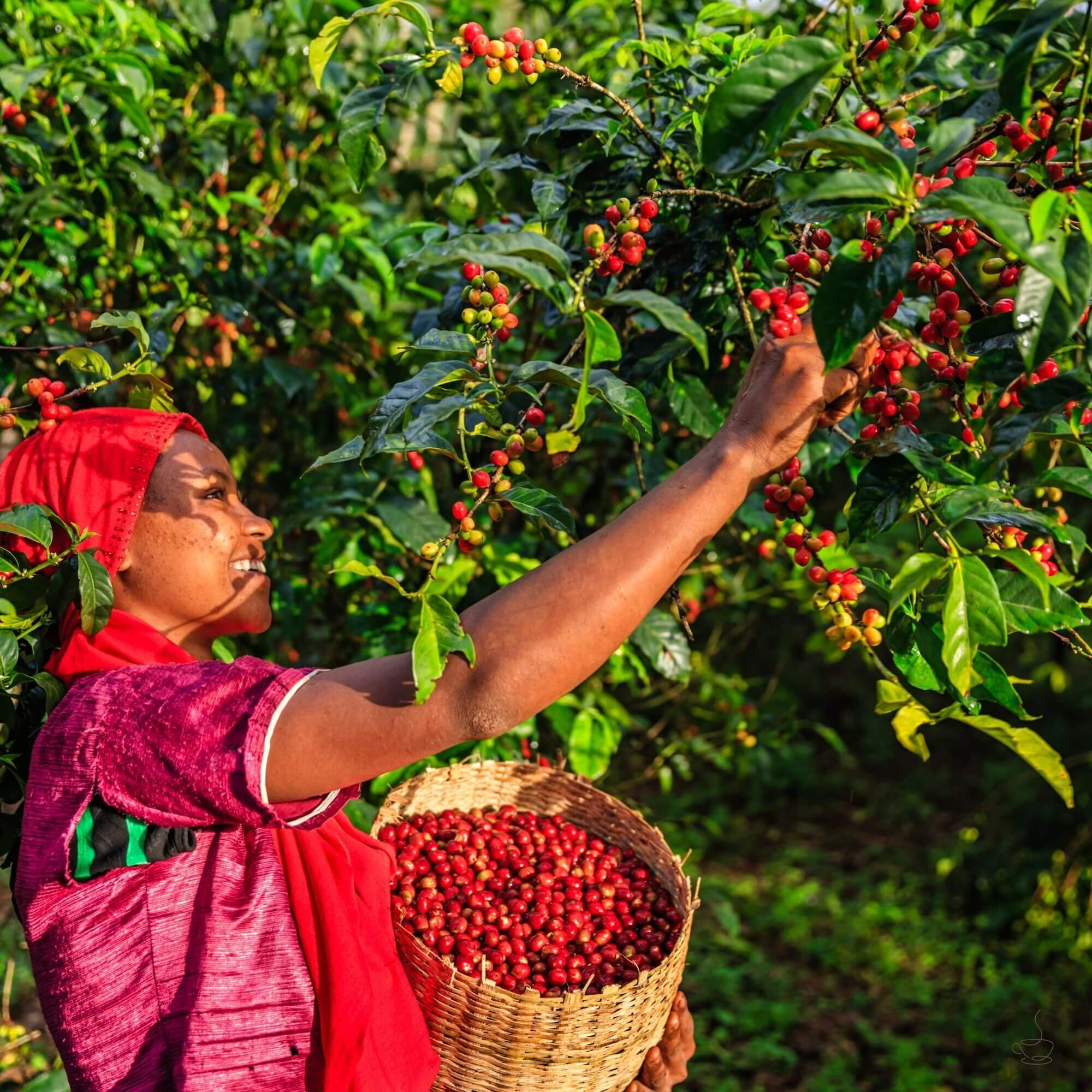
Selective picking: Preference for programs/stations that incentivize ripe cherry only.
Washed protocols: Documented fermentation times, clean channels, and soaked/well-rinsed parchment.
Natural protocols: Thin bed layers, frequent turning, full drying to safe moisture/aw — no mold,
no phenolic “winey” defects passed off as complexity.
Arrival QC: Moisture, water activity, physical grading, and cupping against offer samples.
Seasonality: Retire lots before age dulls acidity and aromatics; label harvest year clearly.
As you sign real relationships, this copy can be tightened with specific station standards and partner quotes.
Projects, Relationships & Transparency in Ethiopia
Ethiopia is complex: changing regulations, different export structures, and layered supply chains. Instead of
vague “heirloom” language, we commit to publishing what we know, how we buy, and where we’re still learning.
Named partners: When possible, share washing-station, co-op, or exporter names and how long
you’ve been working together.
Premiums with purpose: Explain how quality premiums or long-term contracts support better
picking, processing, and stability for producers.
Honest gaps: If a lot is “traceable to station” but not to individual farmers, say that
plainly instead of over-claiming.
Future blog posts, cupping notes, and farm features can all link back here as your Ethiopia story deepens.
Brew & Menu Strategy for Ethiopia Coffees
Ethiopia is where you quietly prove you’re serious: extraction discipline, water quality, and communication all
show up fast in these profiles.
Filter & Pour-Over
Primary home for washed Ethiopias.
Start 1:16–1:17, 93–96°C, aiming for clarity and sweetness.
Highlight tasting notes and station names on menus and signage.
Espresso & Milk
For naturals or structured washed lots.
Use as feature shots or in small % blends for berry and floral lift.
Avoid over-roasting to “make it work” — adjust recipes instead.
How We Talk About It
Specific, confident, and human.
“Guji natural, blueberry & peach, from [Station], harvest [year].”
“Yirgacheffe washed, jasmine & lemon, brewed to show clarity.”
No lazy “heirloom magic” claims without context.
Detailed brew specs for each SKU can live in
Bert’s Coffee Brew Guide for staff and home brewers.
The main Ethiopia page is built for quick understanding. This Stories hub is where we park sourcing notes,
QC standards, and project details — supporting deeper SEO, education, and trust.
Will you name specific stations and partners here?
Yes. As relationships solidify, we’ll add station, co-op, and exporter names, plus harvest info and links to
focused articles, so every claim on a label has a home.