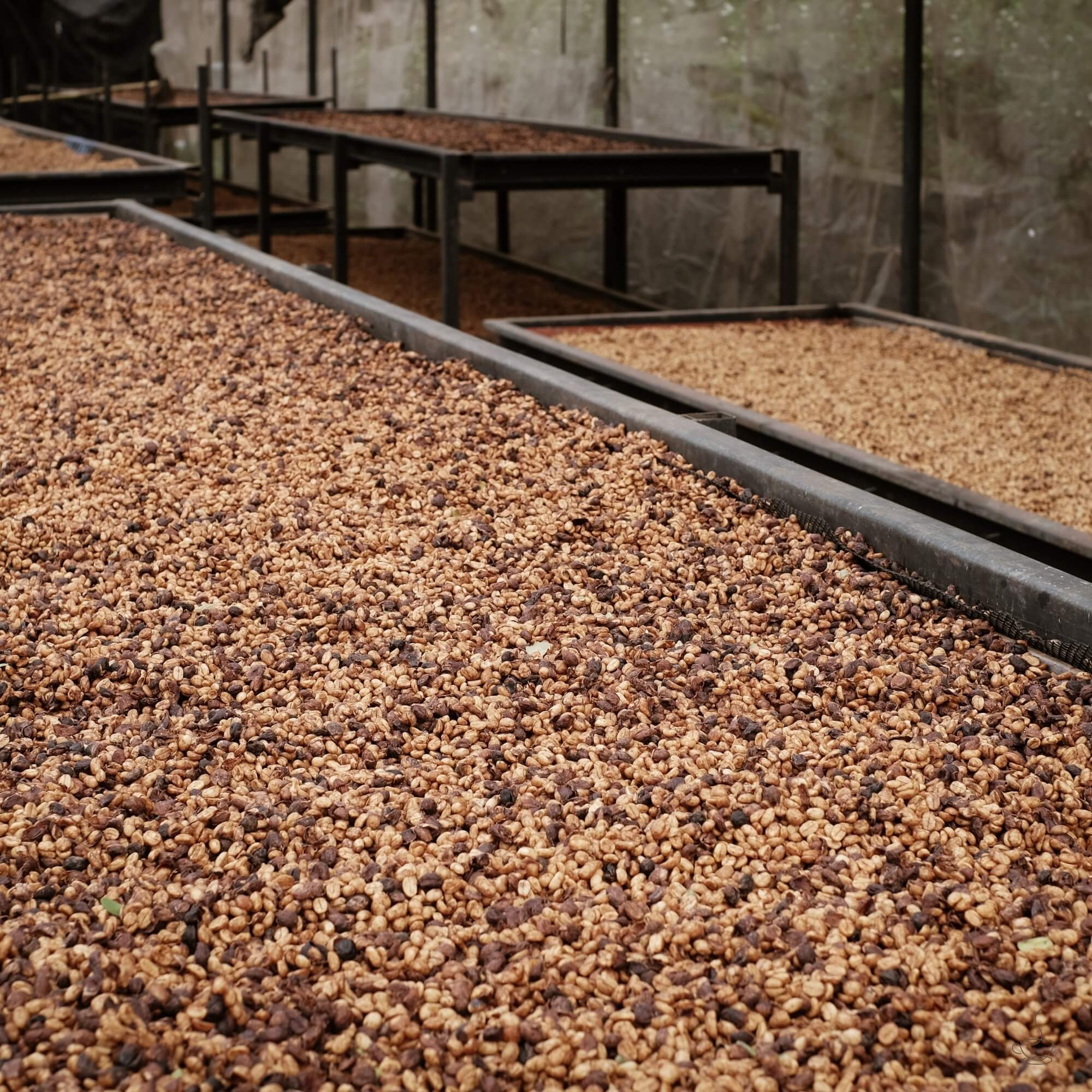
This hub is the deeper layer behind our Costa Rica Origins Guide: how we read regions, micromills, and process
choices to pick lots that feel deliberate in the cup — not just pretty on paper. It’s where traceability,
honey-process nuance, and clean washed profiles connect directly to what lands on your bar.
Micromill ModelVolcanic TerroirHoney Process DepthClean Washed ProfilesTraceable Lots
Costa Rica’s defining move was giving producers control: small and medium farms investing in their own mills,
experimenting with process, and separating lots by variety, elevation, and day. When we buy here, we’re looking
for partners who treat that control as a responsibility, not just a marketing line.
Tarrazú (Los Santos)
Family Micromill — Citrus, Structure & Detail
High-elevation plots and a family-run mill separating lots by day and variety. Classic washed and yellow honey
profiles with crisp citrus, stone fruit, and honeyed sweetness — the kind of traceable lot we lean on for
clean, modern Costa Rica expression.
West Valley
Experimental Mill — Honeys Done Right
A micromill known for disciplined honey processing: controlled mucilage levels, slow drying, and careful
turning. We look here for lots where sweetness and texture deepen without losing clarity or pushing ferment.
Central Valley & Beyond
Heritage Farms — Volcanic Balance
Established farms on volcanic soils producing reliable washed profiles with cocoa, citrus, and balanced
sweetness. These become foundations for approachable single origins and blend components with a clear story.
How We Use Costa Rica Lots in Our Lineup
Costa Rica is where we go when we want precision: coffees that are easy to explain, easy to brew, and clearly
connected to specific people and places. Each style below is a role we may fill as our sourcing deepens.
Washed • Tarrazú / West Valley
Signature Costa Rica Single Origin
FilterBatch BrewClean & Citrus
High-grown washed lots with citrus, stone fruit, floral lift, and honeyed sweetness. We use these to showcase
Costa Rica’s precision and terroir without processing noise.
Lots where controlled honey processing builds deeper sweetness and body while staying clean. Ideal for filter,
modern espresso, and menus that want to talk about process in concrete terms.
Role: Storytelling coffee — proof that process can be intentional, not gimmicky.
Selected Lots
Costa Rica in Blends
Blend ComponentClarity & Sweetness
We may fold Costa Rica into blends when we want articulate acidity and honeyed sweetness to support Brazil or
other origins — never as anonymous filler, always with a defined function in the cup.
Role: Structure and lift with a traceable story behind it.
Processing & Selection — Beyond the Buzzwords
Costa Rica is famous for honey and natural processes, but not all of them deserve the spotlight. Our filter is
simple: if the choices don’t show up as clarity, sweetness, and stability in the cup, we pass.
Washed: Benchmark for cleanliness. We expect defined acidity, traceable lots, and consistent drying.
Honey: White/yellow for subtle sweetness; red/black only when producers demonstrate real control and low defect risk.
Naturals & experimental: Chosen rarely and intentionally — ripe cherry selection, careful drying, and flavor that feels designed, not accidental.
Every Costa Rica coffee we choose should help you talk confidently about why it tastes the way it does — with
processing notes backed by real practice, not trend-chasing language.
Sustainability, Research & Paying for Precision
Costa Rica’s coffees often cost more — and they should. Micromill infrastructure, selective picking,
water treatment, and experimental processing all add real work and risk. Our job is to support that with buying
decisions that value reliability and transparency over “cheap but pretty.”
Favoring partners who publish or share lot details: elevation, varieties, process steps.
Looking for environmental measures: responsible water use, soil health, shade where appropriate.
Recognizing that higher farm-gate and mill-gate prices are part of sustaining this model.
As our Costa Rica program matures, this hub will track the specific farms and micromills behind our offerings so
you can see the value chain your guests are buying into.
Brew Insights for Costa Rica Coffees
Costa Rica’s strength is balance. We like to brew in a way that underlines clarity and sweetness — whether it’s a
washed Tarrazú or a carefully executed honey lot.
Filter & Batch Brew
Lean into definition and sweetness.
1:15.5–1:16 ratio, medium grind.
Total brew ~2:45–3:15.
Target: citrus, stone fruit, honey, clean finish.
Espresso
Honey and washed Costa Ricas can shine as modern espresso.
Start near 1:2–1:2.2 ratio.
Aim for ripe fruit, caramel, and silky texture, not sharp edges.
Blend with Brazil for a polished house espresso profile.
Cold & Signature Drinks
Clean structure holds up beautifully over ice.
Flash brew to preserve aromatics.
Pair with citrus, florals, honey, or mild fruit flavors.
Use honey lots for layered sweetness in signatures.
Will you list specific Costa Rica micromills and farms here?
Yes. As we formalize recurring relationships, this page will be updated with named micromills, farms, and
lots so your Costa Rica offerings come with real, verifiable backstory.
How is this different from the main Costa Rica origin page?
The main origin page introduces Costa Rica as a producing country. This hub is built for guests, wholesale
partners, and coffee pros who want deeper sourcing, processing, and brew context tied specifically to
Coo Coo’s Coffee selections.