This page extends our Yemen Origins Guide. It is your space to show that Yemen on your menu is deliberate:
tiny highland terraces, heirloom genetics, modern drying, and hard standards — not a romantic label on a rustic cup.
Ancient coffee homelandHigh-altitude naturalsHeirloom populationsMicro-lot verificationStrict defect controlStory backed by QC
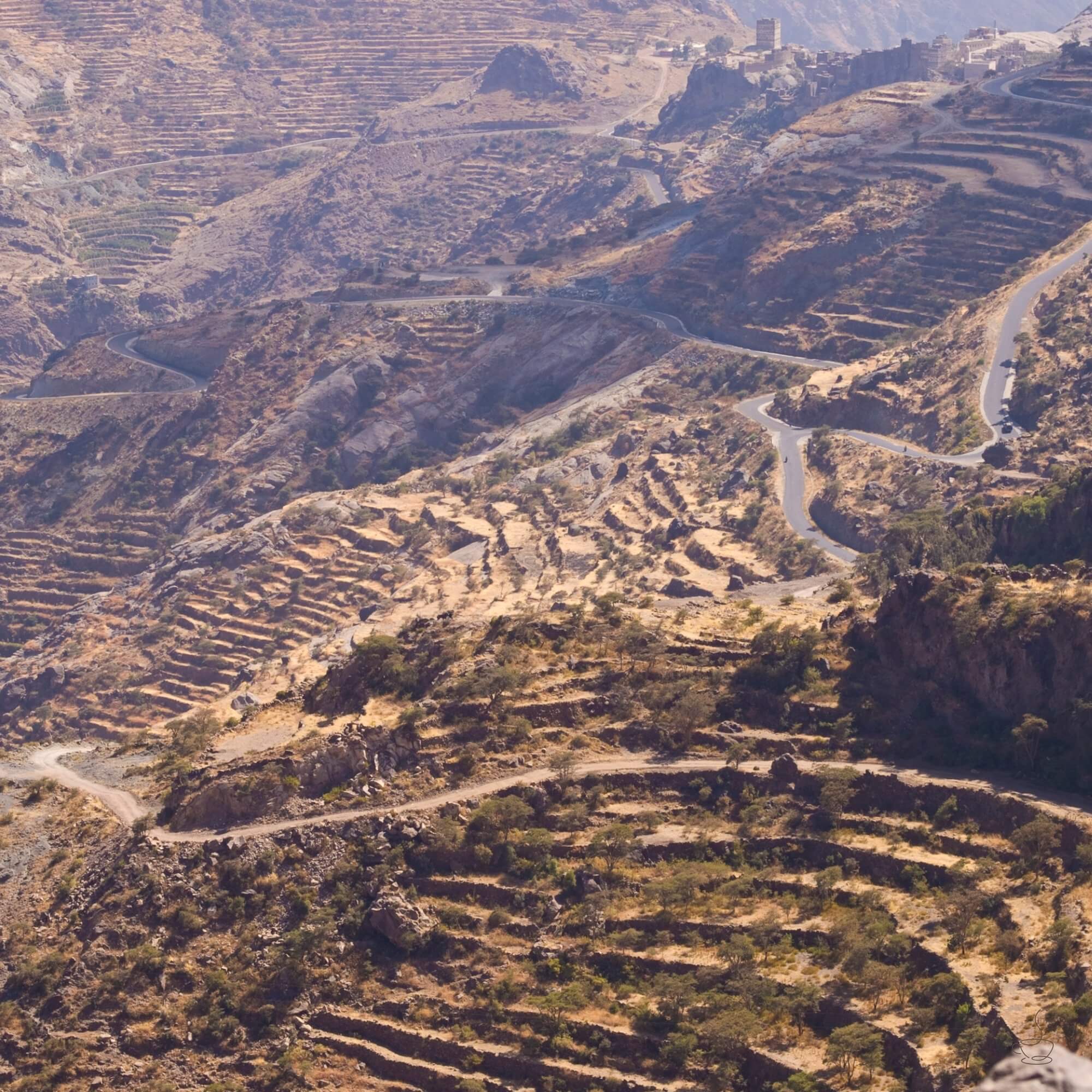
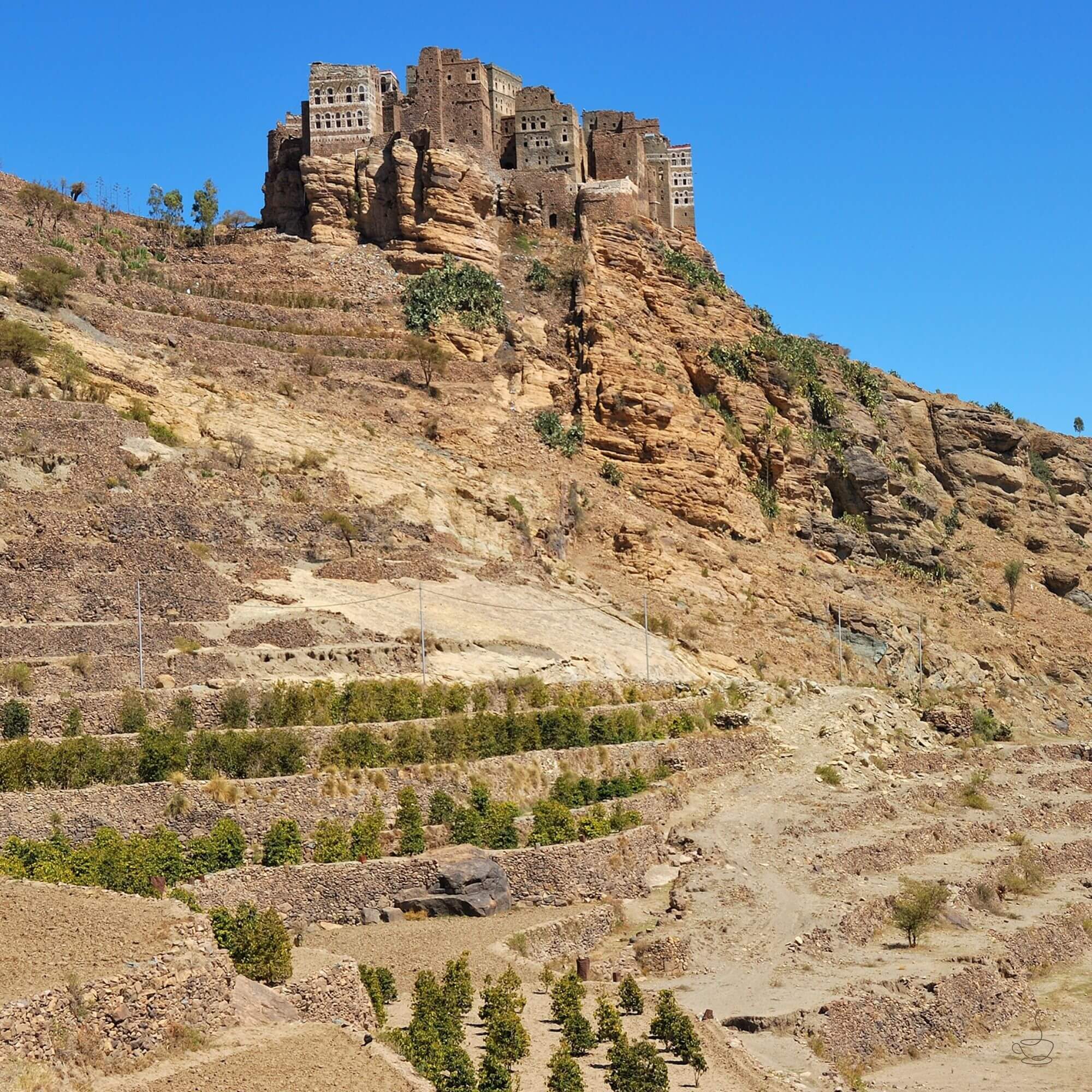
Yemen’s coffees come from families farming steep stone terraces, often at 1,900–2,300+ meters,
with trees that predate many modern origins. Use this section for named partners and regional projects, showing
that every lot is traceable beyond a port name or marketing myth.
Haraz
Structured Fruit & Modernized Drying
Reserve this for groups using raised beds, selective picking and lot separation. Connect their protocols to
the clean berry, fig and cocoa notes guests find in the cup.
Bani Matar & Hayma
Classic High-Highland Profiles
Use this for traditional terraces where improved picking and drying turn historically rustic profiles into
structured, age-worthy naturals.
Northern & Eastern Highlands
Remote, Dense & Demanding
Highlight projects that bring cupping support, drying infrastructure and export transparency to remote
communities — and only bottle those efforts when the cup is genuinely clean.
Curated Regional Selections
No Anonymous “Mocha” Bins
State clearly that Yemen for Coo Coo’s Coffee means identified regions, documented lots and repeatable quality —
not vague, blended “Mokha” with no traceability.
How Yemen Lots Live in Your Menu
Yemen should feel rare, authored and intentional — never background noise. This framework helps staff present it
with confidence.
Hero Single Origin
Deep, Layered, Conversation-Starting
Raisin & FigBerry & GrapeCocoa & Spice
Position Yemen as a limited-release feature: complex, dense, and best served to guests who enjoy big, layered
naturals with a historic backstory grounded in facts.
Espresso Experiments
When Density Meets Development
SyrupyStructured
If roasted and dialed correctly, select Yemen lots can produce syrupy, winey espresso shots. Frame these
as intentional, time-bound features — not default house options.
Never Filler
Transparency Over Tokenism
Named LotsHigh Standards
Make it explicit: you don’t hide Yemen in blends just to say it’s there. If it’s blended, it’s labeled, and the
component is chosen for structure and sweetness — not marketing.
Processing Discipline & QC Expectations for Yemen
Yemen’s potential and its risks are both high. This block lets you set your minimum bar — useful for wholesale,
retail staff, and savvy drinkers.
Selective harvest: Preference for partners who train pickers on ripeness and use flotation
or basic separation where possible.
Improved drying: Raised beds or properly managed rooftops/patios; thin layers, frequent
turning, protection from dust and exhaust.
Lot structure: Separated by village, altitude band, or producer group so payments and flavor
both track back to real people.
Green standards: Moisture, density, and defect counts checked; no accepting “good story,
bad cup” coffees.
Cupping & re-cupping: Multiple evaluations pre-shipment and on arrival to catch fade,
taints or inconsistencies.
Roast philosophy: Light-medium with enough development to unlock dense seeds while preserving
fruit, spice, and florals.
Over time, replace this generic language with your specific importer/producer protocols and published QC metrics.
Partnerships, Ethics & How We Talk About Yemen Responsibly
Yemen deserves honest, careful storytelling. Use this area for concrete collaborations, not vague narratives.
Anchor every claim in something verifiable.
Named partners where safe/appropriate: Exporters, producer groups, or cooperatives who
document practices and premiums.
Premiums tied to quality: Show how higher prices connect to improved drying, sorting,
and local livelihoods — not just scarcity hype.
No conflict tourism: Avoid exploiting hardship in marketing; focus on craft, terroir,
and concrete improvements.
Transparency journey: Note where traceability is strong and where it’s still evolving.
As you develop longer-term relationships, convert them into short partner profiles or case studies here.
Brew Guidelines & Guest Language for Yemen
Yemen is bold, but it should read as intentional complexity, not “funky because old.” These prompts
keep the story tight.
How to Describe Yemen to Guests
“Think dried fruit, cocoa, gentle spice — dense and layered.”
“One of coffee’s oldest homelands, sourced with modern standards.”
“Limited, traceable lots — we only roast it when the cup is clean and compelling.”
Internal Talking Points
Emphasize strict QC and traceability expectations.
Clarify that rustic or defective cups are not “part of the charm.”
Use Yemen as a teaching origin for naturals, density, and careful sourcing.
Brew Starting Points
Filter: 1:15–1:16, slightly longer contact times for full sweetness.
Espresso: medium-fine, 1:2–1:2.3 ratio to highlight syrupy structure.
Publish recommended recipes in your Brew Guide, not on the bag front.
The Origins Guide introduces Yemen’s regions and terroir. This hub is built for deeper sourcing notes,
QC standards, partner features, and SEO-friendly, verifiable storytelling that shows Yemen is a curated
choice, not a label trend.
What should we publish here over time?
Producer spotlights, terrace restoration or drying-improvement projects, cupping reports, roast development
notes, and clear explanations of how premiums flow. Keep each entry specific and grounded.