Hawaiʻi Origin Stories — Kona Truth, Island Terroir & High-Standard Lots
This hub extends our Hawaiʻi Origins Guide with sourcing detail, QC guardrails, and how we decide which Hawaiʻi
coffees earn a spot on our menu. It’s written for guests, wholesale partners, and anyone who wants more than
a postcard on the bag.
Hawaiʻi is small, visible, and expensive. That makes accuracy non-negotiable. This is where you’ll plug in the
real names — Kona farms, Kaʻū projects, Maui estates — once they’re locked, cupped, and aligned with your standards.
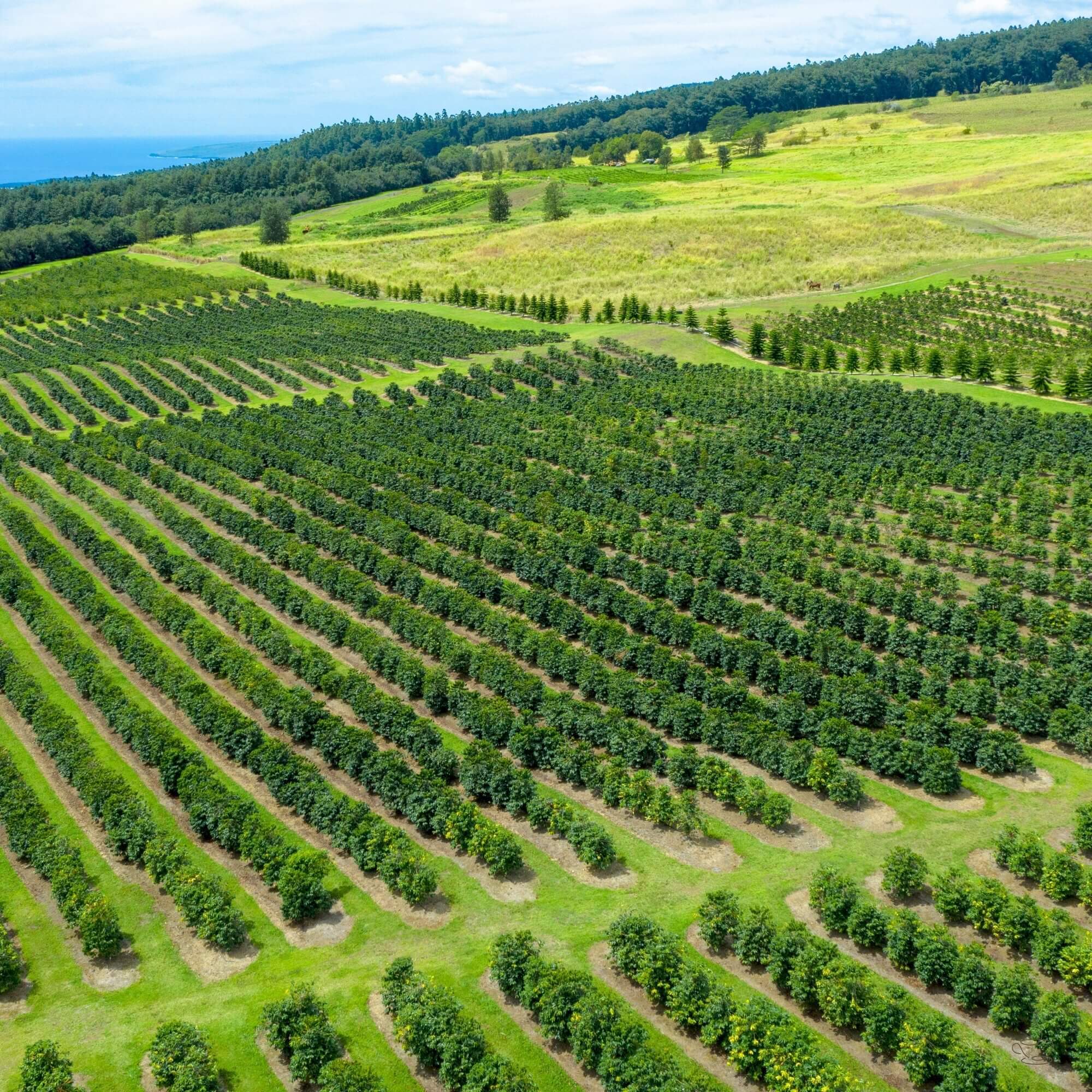
Kona Coffee Belt
Named Kona Farms & Family Plots
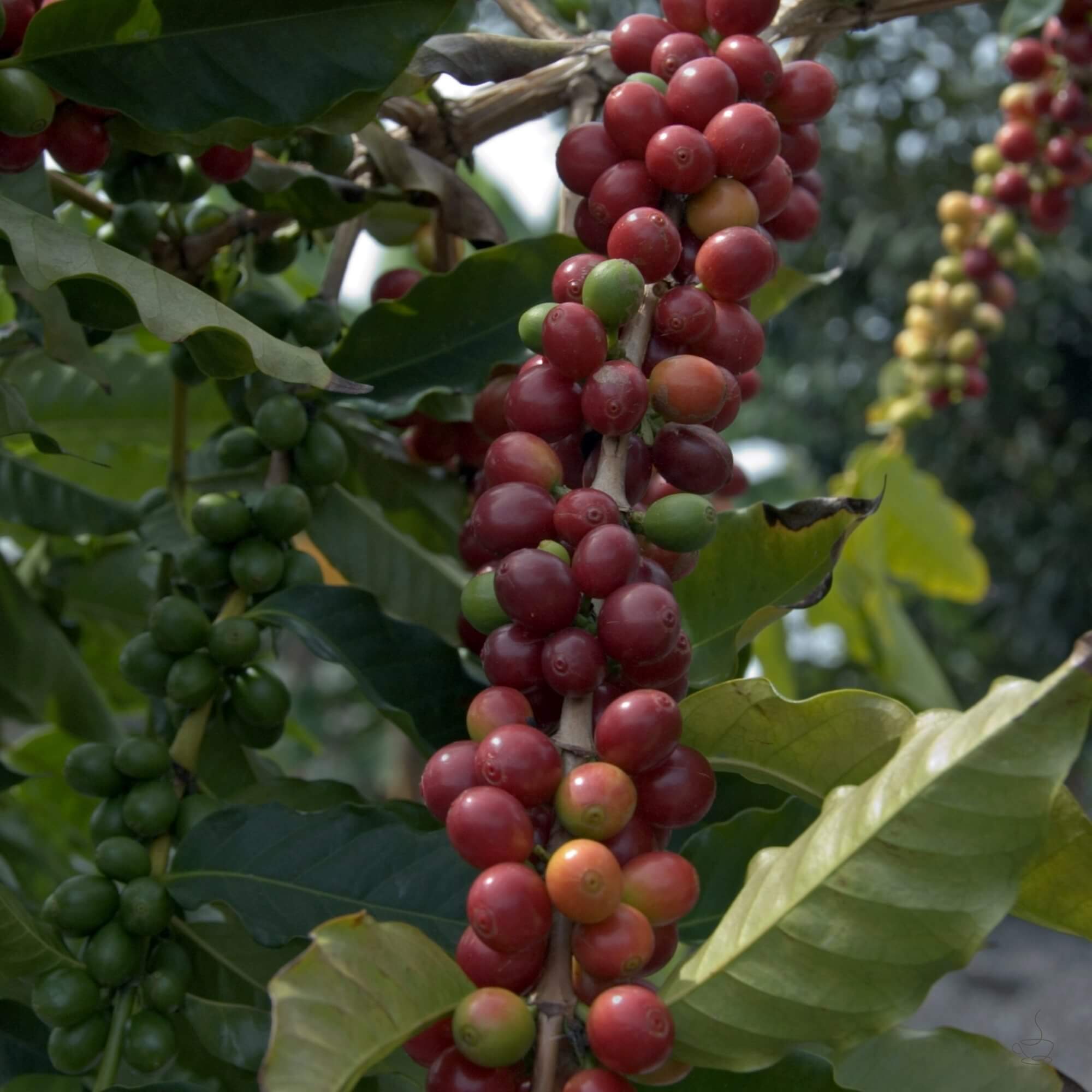
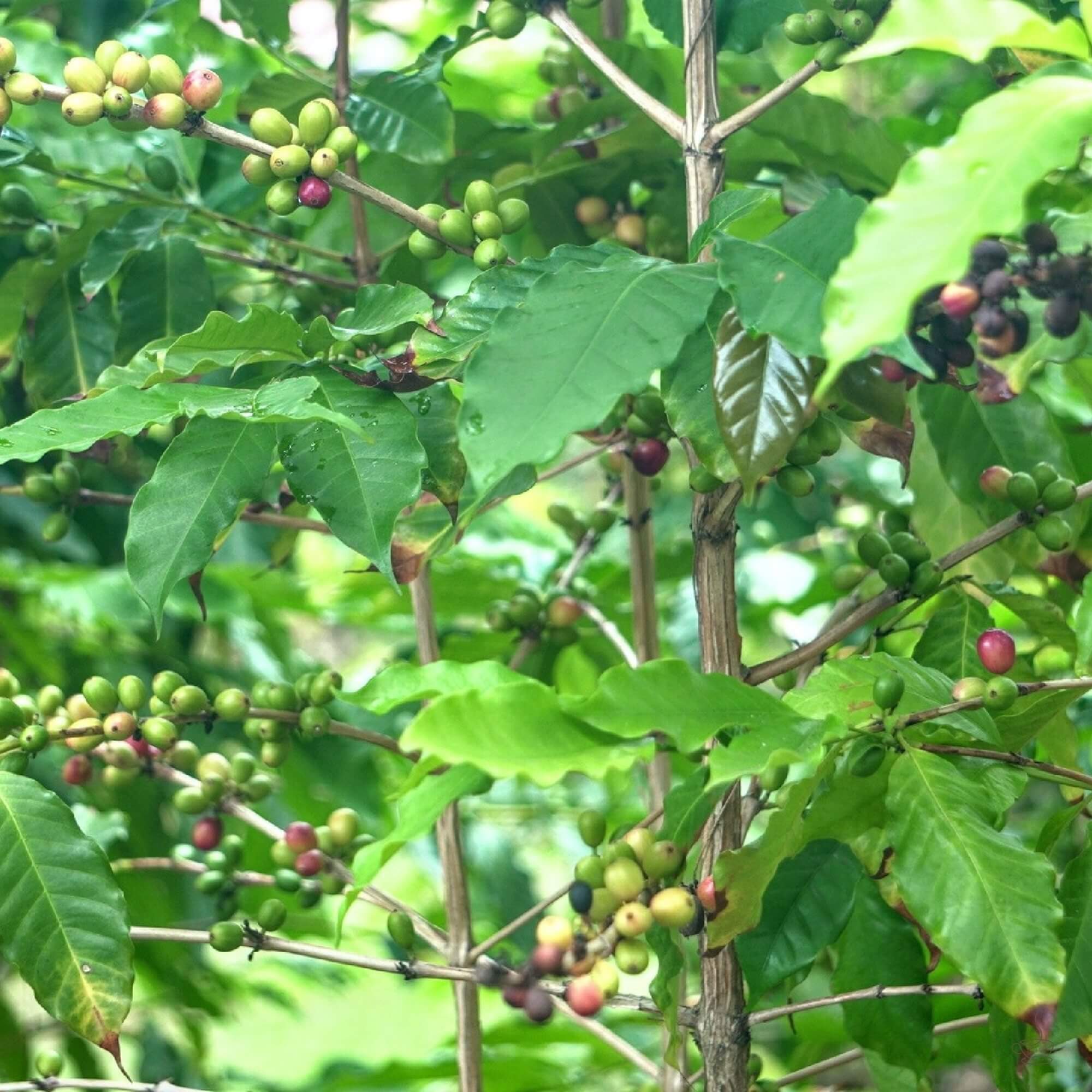
Documented farms along the Kona belt with elevation bands, variety breakdowns, and hand-picking practices.
When you commit, list each partner here — no anonymous “Kona-style” sourcing, ever.
Kaʻū & Emerging Microregions
High-Potential South & Experimental Blocks
Producers in Kaʻū and other pockets testing varieties and processes with strong farm-level control. Ideal for
limited releases and educational flights that show Hawaiʻi beyond only Kona.
Maui, Kauai & Estates
Estate Systems & Mill Relationships
Larger or estate-style operations where agronomy, processing, and milling happen under one umbrella. Here’s
where you’ll log who they are, how they process, and why their green consistently cups above the noise.
How Hawaiʻi Lots Fit into Our Lineup
Hawaiʻi isn’t a filler origin for this brand — it’s a precision tool. Each lot should have a clearly defined role
that guests can taste and staff can explain in under 30 seconds.
100% Kona / Named Estate
Flagship Island Feature
Single-OriginSlow BarGift Box
Reserved for documented farms with clean, sweet cups (think caramel, citrus, macadamia, cocoa). Presented as
a calm, elegant coffee with full origin information — no noise, no blend fog.
Kaʻū / Maui / Other Islands
Exploratory & Contrast Lots
Limited ReleaseSide-by-Side Tasting
Show how different islands express sweetness, fruit, and body. Labeled precisely, never framed as Kona, and
used to tell a more complete Hawaiʻi story.
No Fake Blends
What We Refuse To Do
No “Kona-Style”No 10% Gimmicks
If a coffee includes Hawaiʻi as a component, we’ll say exactly how much and why. If it’s 100% Kona or Kaʻū,
it will be stated clearly and backed by documentation and cupping.
Processing & QC — Protecting Hawaiʻi’s Reputation
Hawaiʻi carries a premium before it hits your roastery. Our job is to make sure what’s in the bag is worthy of
that number and of the people picking on steep volcanic slopes.
Washed-first standard: Clean, well-fermented washed coffees are the baseline. Honey and
natural processes are welcome when protocols are written down and cupping is spotless.
Defect & density checks: Confirm grading and density; screen out insect damage, quakers,
and age that show up hard in gentle profiles.
Moisture & water activity: Logged per lot on arrival; Hawaiʻi should not arrive baggy, flat,
or unstable given the price point.
Estate & mill transparency: Names, elevations, varieties, and processes published where we
use them, not hidden in internal docs.
Re-cupping before release: Every Hawaiʻi lot is cupped against contract samples; if quality
slipped, it’s reclassified or doesn’t launch.
As you build partnerships, this section becomes a live record of how you protect Hawaiʻi as an origin, not just a label.
Projects, Collaboration & Transparency in Hawaiʻi
Hawaiʻi is uniquely positioned for visible, traceable collaboration — fewer links in the chain and strong local
ownership. This hub is where you’ll log real projects instead of marketing fluff.
Farm stories with receipts: When you highlight a farm, list the basics: acres, elevation,
varieties, picking approach, processing style, and how you’re buying.
Quality & pricing alignment: Explain, in human language, how higher costs, labor and land
translate into cup quality and stable relationships.
Environmental care: Note shade management, erosion control, water use, and agronomy support
where you can verify it.
Blog posts, producer interviews, and harvest updates can all link back here so wholesale partners and guests
have one canonical reference.
Brew & Menu Strategy for Hawaiʻi Coffees
With Hawaiʻi, we’re aiming for “quietly excellent” — cups that taste effortless because the work behind them wasn’t.
Filter & Slow-Bar
Primary stage for most Hawaiʻi lots.
Start 1:16–1:17; 92–94°C water, highlight honeyed sweetness and gentle acidity.
Present with full origin card so guests connect flavor, place, and price.
Espresso Applications
Delicate, but rewarding.
1:2–1:2.2 ratio; watch for over-extraction that flattens nuance.
Use as a rotating feature shot, not your only option.
How We Talk About It
Clear, specific, never gimmicky.
“100% Kona from [Farm], [elevation], fully washed, caramel & citrus.”
“Kaʻū washed, brown sugar & tropical stone fruit — limited seasonal lot.”
Avoid vague “island vibe” copy; lead with farm, process, and cup.
Brewing playbooks for specific Hawaiʻi SKUs can live in
Bert’s Coffee Brew Guide for bar teams and home customers.
The main Hawaiʻi page is guest-friendly and high-level. This Stories hub is where you park sourcing notes,
QC standards, and deeper context — building trust, SEO value, and an easy reference for partners.
Will you list specific farms and lots here?
Yes. As you commit to Hawaiʻi partners, add their names, elevations, varieties, and processing details here,
then link back from product pages so customers can verify the story.