This hub is the working ledger behind our Guatemala Origins Guide: where we map how specific regions, producers,
and mills turn steep volcanic terrain and smallholder labor into the chocolate-sweet, fruit-layered coffees that
earn a place on the Coo Coo’s Coffee menu.
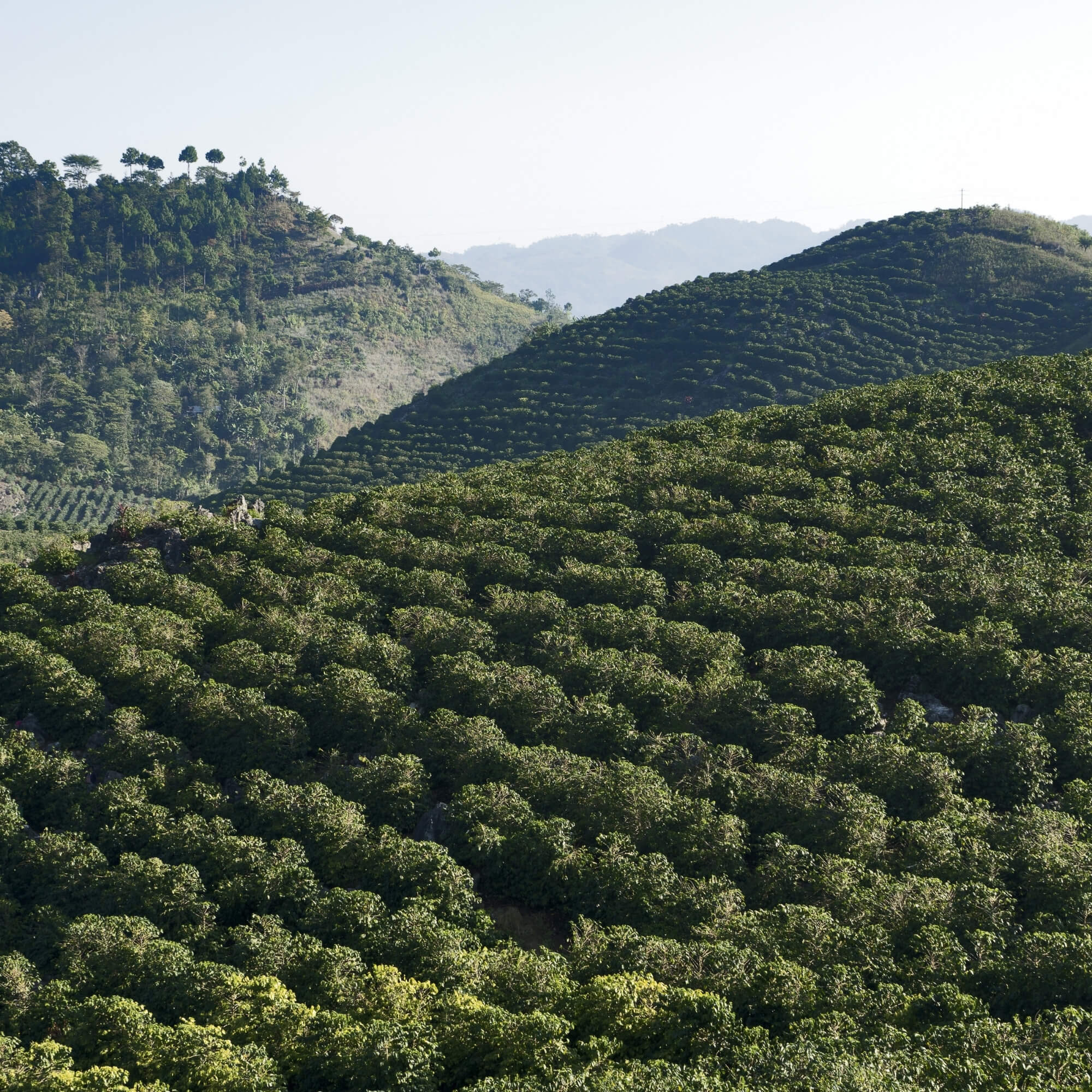
Guatemala’s best coffees flow from a mix of estates, family farms, and cooperatives — many in remote, mountainous
areas where quality premiums and steady relationships matter. As we build this program, this is where named
partners and photos will live.
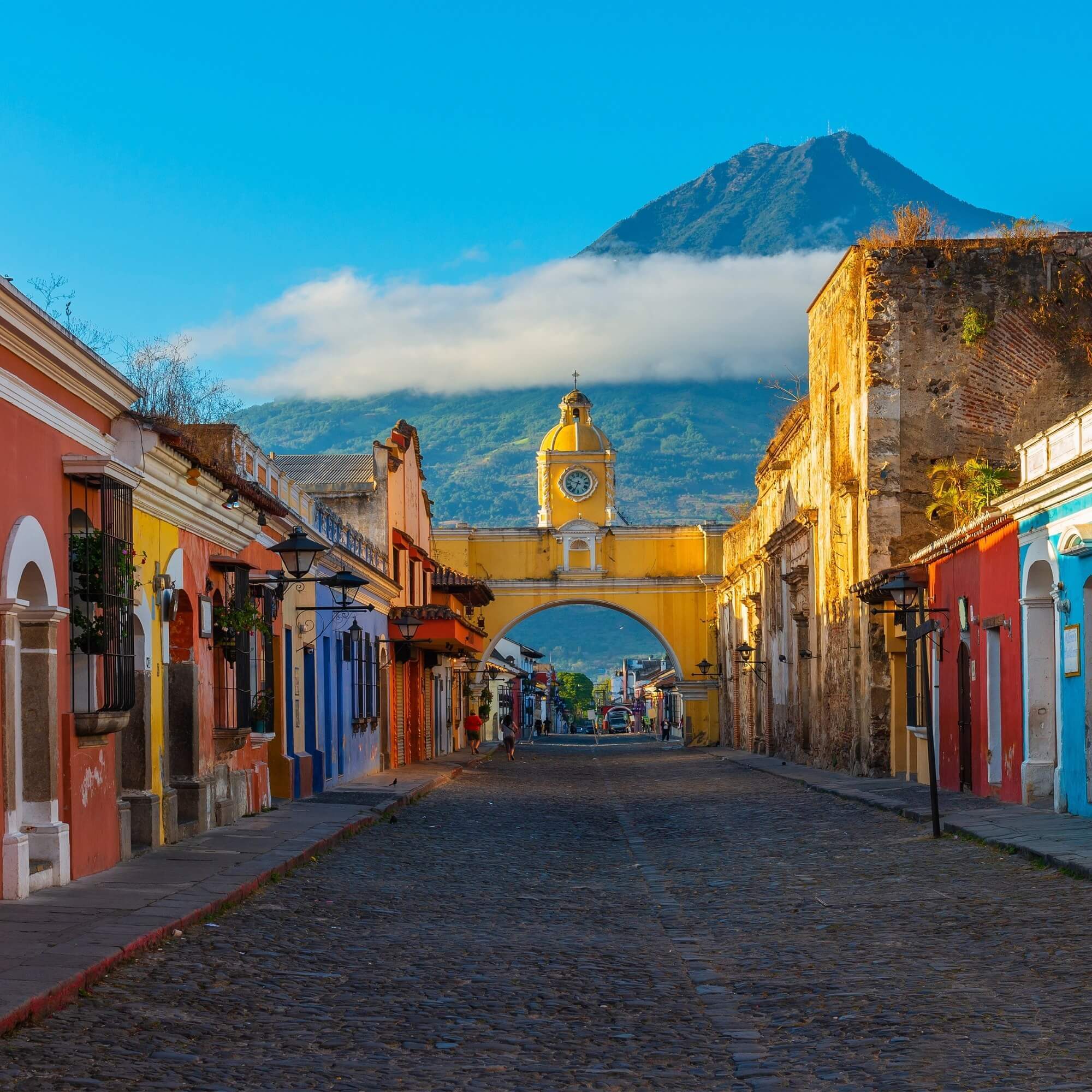
Antigua Valley
Estate & Family Farms — Classic, Polished Cups
Volcanic soils, cool nights, and disciplined washed processing define Antigua’s reputation. Here we look for
lots with cocoa, toffee, citrus, and that clean, composed cup profile guests instantly connect with “Guatemala”.
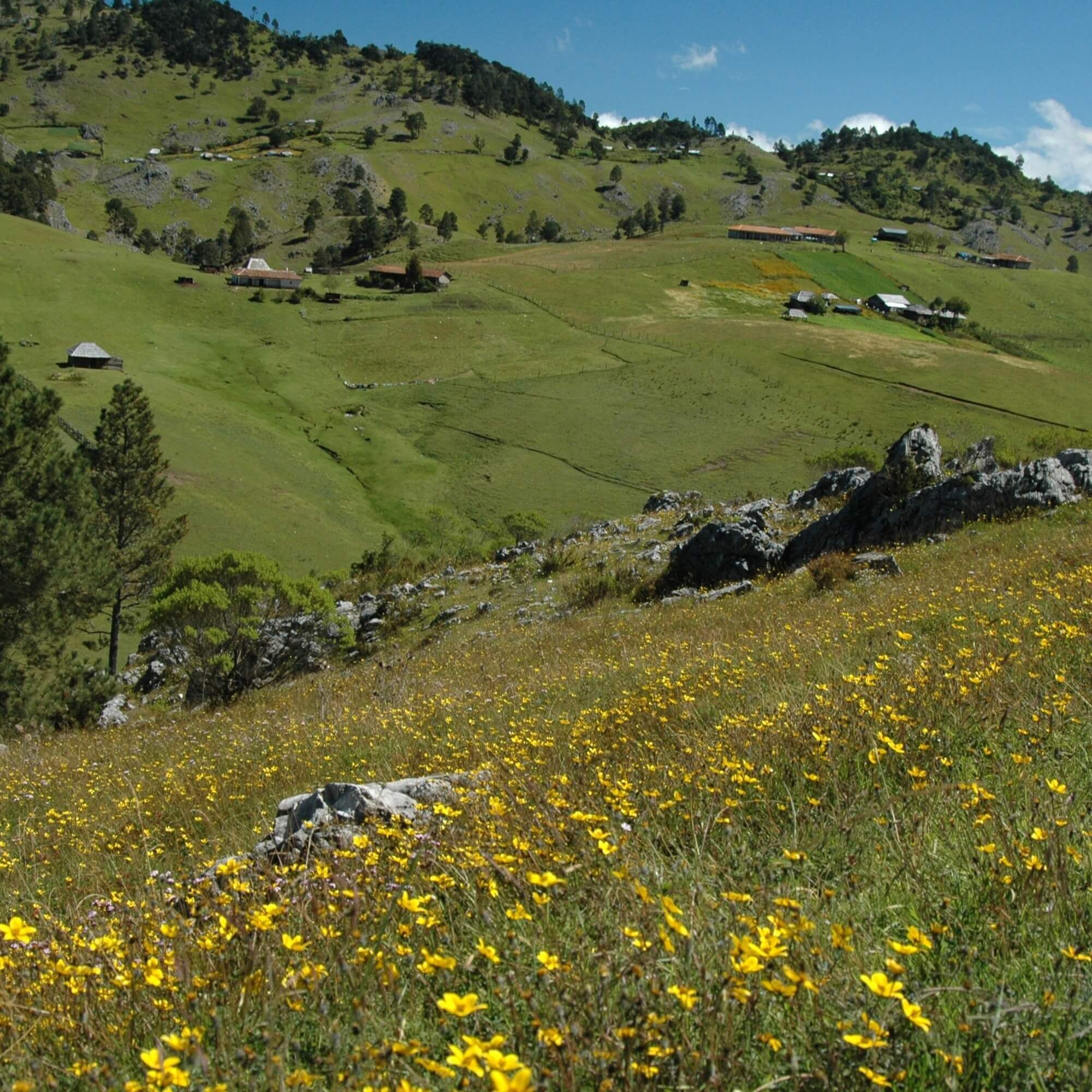
Huehuetenango Highlands
Remote Smallholders — High Elevation Energy
In Huehuetenango, smallholder farms on steep slopes and hot valley winds support late harvests and high
density. We target lots (often via quality-focused exporters or co-ops) with red fruit, citrus, florals, and
cane-sugar sweetness — vibrant but grounded.
Atitlán, Cobán, Fraijanes & Oriente
Regional Co-ops — Character with Context
Cooperatives and regional mills here can deliver distinctive profiles when support and training align:
lake-cooled florals from Atitlán, forested spice and cocoa from Cobán, bright highland cups from Fraijanes and
Oriente. We’re interested where transparency and cup quality move together.
How We Use Guatemalan Lots in Our Lineup
Guatemala is a “both/and” origin for us — capable of wearing the house-coffee crown or acting as precise structure
in blends. Each style below represents a role we expect to fill as sourcing relationships deepen.
Washed • Antigua / Atitlán
Comfort-Forward Single Origin
FilterBatch BrewApproachable
Chocolate, caramel, orange, and almond in a clean, steady cup. Ideal as a shop’s daily Guatemala feature:
instantly lovable, easy to explain, and flexible across brew methods.
Role: Anchor for guests stepping into specialty.
Washed • Huehuetenango
Highland Highlight Lot
Single OriginFruit & Florals
High-elevation lots with red fruit, citrus zest, florals, and cane sugar. We feature these to show how precise
Guatemala can be when terrain, picking, and processing line up.
Role: Showcase coffee for menus and subscribers.
Select Regions
Guatemala in Blends
Blend ComponentSweet Structure
We bring in chocolate-sweet, balanced lots to support Brazil or other origins when a blend needs more structure,
red fruit, or polished acidity — never as faceless “Central”, always with a documented source.
Role: Build depth without muddying the story.
Processing & Selection — Clean Cups First
For Guatemala, washed is still the reference. The country’s best cups come from careful depulping, fermentation,
washing, and drying that translate altitude and soil into clarity. We start there — and treat anything else as
an escalation that has to earn its keep.
Washed: Non-negotiable standards: ripe cherry, controlled fermentation, even drying, and
profiles that hold up at multiple roast levels.
Honey & Naturals: Considered only from producers or mills with strong track records:
clean sensory scores, low primary defects, and flavors that feel designed (fruit, florals, depth) rather than
rough or boozy.
Data-backed buys: We read lot sheets, ask about process steps, and verify on the cupping table
— not just on a label.
If a Guatemalan coffee makes it onto your bar under our label, it should be a coffee you can defend to a curious
guest or a seasoned buyer without hand-waving.
Many Guatemalan coffees come from remote highland communities where labor is intensive and costs are rising.
Paying for quality here is not optional — it’s the only way this flavor profile has a future.
Favoring exporters, co-ops, and estates that invest in agronomy support, drying infrastructure, and fair labor.
Looking for programs that support indigenous communities, climate adaptation, and stable long-term buying.
Choosing traceable, vetted lots over anonymous blends labeled “Guatemala” for convenience.
As we formalize ongoing relationships, this hub will highlight specific partners, projects, and the premiums tied
directly to the coffees you serve.
Brew Insights for Guatemalan Coffees
Guatemala is naturally cooperative on bar: it tolerates small swings in grind and recipe while still delivering
sweetness and structure. We lean into that when writing brew specs.
Filter & Batch Brew
Highlight cocoa, citrus, and a clean finish.
1:15.5–1:16 ratio, medium grind.
Total brew ~2:45–3:15.
Target: round sweetness, gentle orange or red fruit, no sharp edges.
Will this page list specific Guatemalan producers?
Yes. As we confirm recurring partners in Antigua, Huehuetenango, Atitlán and other regions, this hub will be
updated with named farms, co-ops, and micromills tied to actual offerings.
How is this different from the main Guatemala origin page?
The main origin page introduces Guatemala as a producing country. This stories hub is for guests, wholesale
partners, and coffee pros who want deeper sourcing context, processing details, and brew guidance linked
directly to Coo Coo’s Coffee selections.