Costa Rica Coffee Origins — Precision, Micromills & Clean Sweetness

Costa Rica is where micromill culture, traceability, and processing innovation meet volcanic soils and high-altitude valleys. It’s a laboratory of clean washed lots, characterful honeys, and structured naturals that we use when we want clarity with intention.

Crisp Acidity Honeyed Sweetness Citrus & Stone Fruit Balanced Structure Micromill Precision Traceable Lots
Terraced coffee farms in Costa Rica with volcanic mountains in the background
Scarlet Macaw

Costa Rica at a Glance

Altitude
1,200–2,000+ m (region dependent)
Varieties
Caturra · Catuai · Villa Sarchí · Bourbon · Hybrids & trials
Processing
Washed · White/Yellow/Red/Black Honey · Natural
Harvest
November – March (by region & altitude)
Producer Model
Micromills & small/medium farms with strong traceability
Flavor Spectrum
Citrus · Stone fruit · Honey · Cocoa · Clean, balanced acidity

Major Coffee-Growing Regions of Costa Rica

Costa Rica’s strength is definition: clearly delimited regions, active research, and micromills that control processing on-site. That lets us choose lots not just by country, but by valley, elevation, and style.

Tarrazú (Los Santos)

One of the most recognized appellations: high elevations, cool nights, and dense beans.

  • Altitude: ~1,400–2,000 m
  • Profile: Bright citrus, stone fruit, honeyed sweetness, clear structure.

West Valley

Home to many micromills; diverse microclimates and processing styles.

  • Altitude: ~1,300–1,700 m
  • Profile: Sweet, floral, balanced; ideal for honey and experimental lots.

Central Valley

Historic region influenced by volcanic soils and balanced climates.

  • Altitude: ~1,100–1,600 m
  • Profile: Cocoa, citrus, gentle fruit; versatile for blends & singles.

Brunca & Tres Ríos / Others

Southern and select eastern/central regions offering structured, sweet washed profiles.

  • Altitude: ~1,000–1,800 m
  • Profile: Clean, sweet cups; some lots show floral and tropical nuance.
Learn more about Costa Rica’s terroir, micromills & processing culture

Costa Rica’s eight recognized coffee regions are shaped by volcanic soils, defined wet/dry seasons, and elevations that regularly reach above 1,500 m. But what truly sets the country apart is its micromill model: farm or family-owned mills that control cherry selection, depulping, drying, and lot separation on site.

This model gives producers leverage and lets us buy with surgical precision — choosing specific honey styles, fermentation approaches, and drying curves instead of anonymous regional blends. White, yellow, red, and black honey processes adjust how much mucilage stays on the bean and how slowly it dries, tuning sweetness, mouthfeel, and aromatics.

At Coo Coo’s Coffee, we treat Costa Rica as a source of intentional coffees: traceable lots with documented practices, used where we want clarity, sweetness, and a direct connection between producer decisions and cup experience.

Processing Styles & How We Select Costa Rica Lots

People, Landscape & Coffee Culture

Costa Rica’s specialty scene reflects decades of investment in quality and sustainability — from farm-level agronomy support to university research and progressive exporters. Micromills and family farms emphasize cup quality, environmental protection, and traceability, giving roasters and guests a clear view into who produced a coffee and how. Our role is to select partners and lots that live up to that reputation — and roast in a way that respects the precision they bring to every harvest.

From the Tico Table
The food your coffee grew up next to.

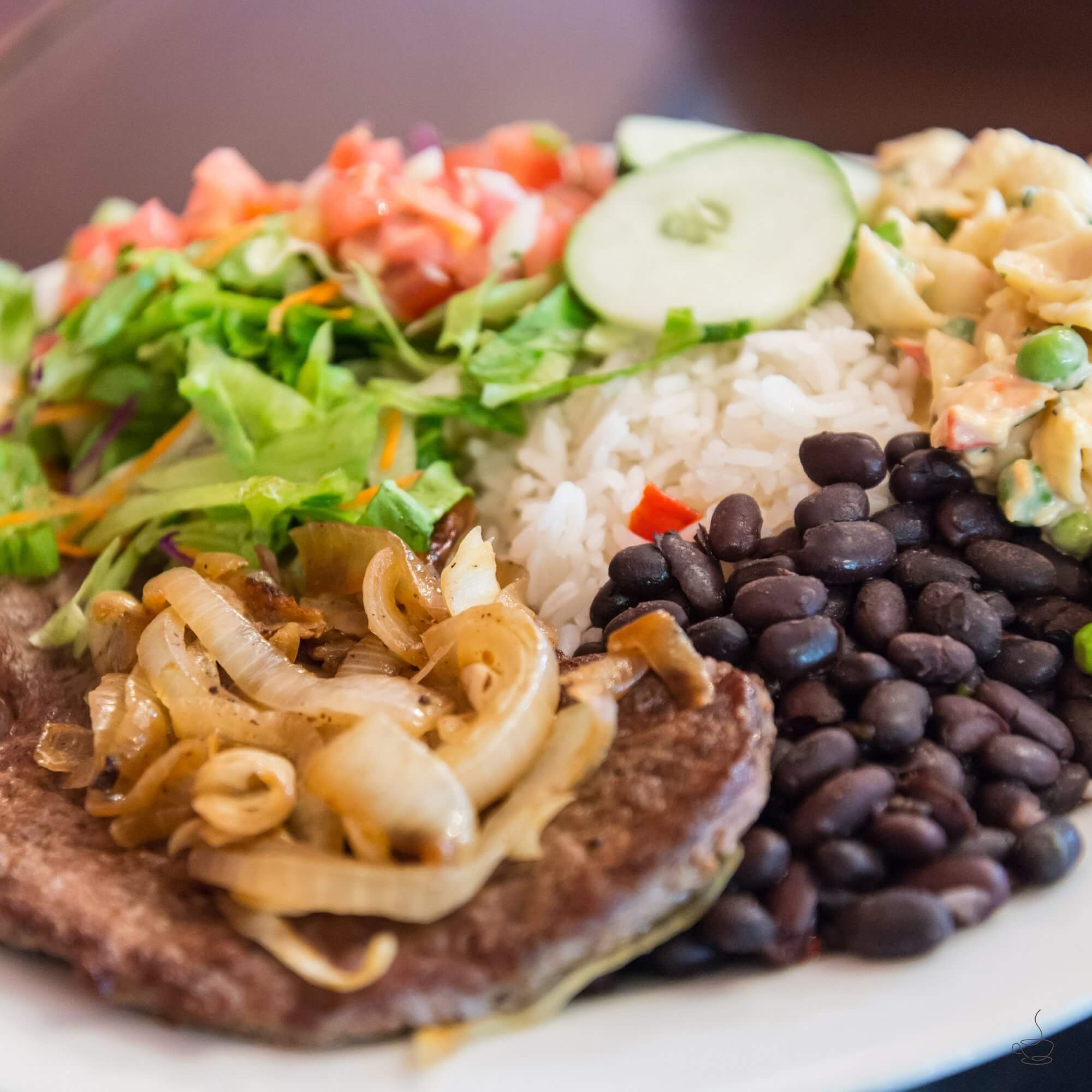
In Costa Rica, this coffee isn't a specialty-shop treat — it's breakfast. It sits on the table next to rice and beans, poured hot while the family eats. So instead of a fancy photo, here's the real thing: two dishes Ticos (Costa Ricans) actually cook at home, the kind made by grandmothers who never wrote a recipe down. Simple, honest, and better with a cup in your hand.

Gallo Pinto
Costa Rica's national breakfast · serves 4

"Spotted rooster" — the speckle of black beans through the rice. Every Tico grew up on it, and every family swears theirs is best. The one thing no one skips: Salsa Lizano, the tangy little sauce that makes it taste like Costa Rica. Serve it beside eggs and a cup of coffee, exactly the way it's eaten there.

You'll need
2 cups cooked white rice (day-old is best) · 1 cup cooked black beans, plus a few spoonfuls of their liquid · ½ onion, finely chopped · ½ red bell pepper, finely chopped · 2–3 Tbsp Salsa Lizano · 2 Tbsp chopped cilantro · 1 Tbsp oil · salt

Make it
1. Warm the oil; soften the onion and pepper, about 4 minutes.
2. Add the beans with a splash of their liquid and the Salsa Lizano; let it bubble a minute.
3. Fold in the rice until everything's coated and hot through — keep it moist, not dry.
4. Off the heat, stir in the cilantro; salt to taste.
5. Serve with fried eggs, sweet fried plantains, a spoon of natilla (sour cream), warm tortillas — and Costa Rica coffee.
Grandma's way: no measuring cups. Add the Lizano by eye until it smells right.
Tres Leches
Queque de tres leches · the beloved dessert · serves 12

A cloud-light sponge soaked in three milks until it's tender and cool, finished with cream and a dusting of cinnamon. It's the cake that shows up at every Costa Rican celebration — and a cold slice with a hot cup of coffee is one of life's quiet perfect things. That cinnamon on top? It shakes hands with the cinnamon note already in this coffee.

The cake
1 cup flour · 1½ tsp baking powder · 5 eggs, separated · 1 cup sugar · ⅓ cup milk · 1 tsp vanilla
The three milks
1 can (12 oz) evaporated milk · 1 can (14 oz) sweetened condensed milk · ¼ cup whole milk or cream
On top
1 cup heavy cream, whipped with 2 Tbsp sugar · ground cinnamon

Make it
1. Heat oven to 350°F. Whisk the flour and baking powder.
2. Beat the yolks with ¾ cup sugar until pale; mix in the milk and vanilla, then fold in the flour.
3. Whip the whites to soft peaks, add the last ¼ cup sugar to stiff peaks, and fold gently into the batter.
4. Bake in a 9×13 pan about 30 minutes, until golden. Cool.
5. Poke all over with a fork. Stir the three milks together and pour slowly over the cake. Chill to soak — overnight is best.
6. Spread the whipped cream over the top and dust with cinnamon.
Serve it cold, with a hot cup. That's the whole point.

These recipes belong to Costa Rica, not to us. We share them the way they were shared with the world — with respect, and an invitation to pull up a chair at your own table. Pura vida.

Costa Rica in Pictures

Pair the story with visuals: volcanic slopes, micromills, drying patios, and the everyday life that surrounds Costa Rican coffee.
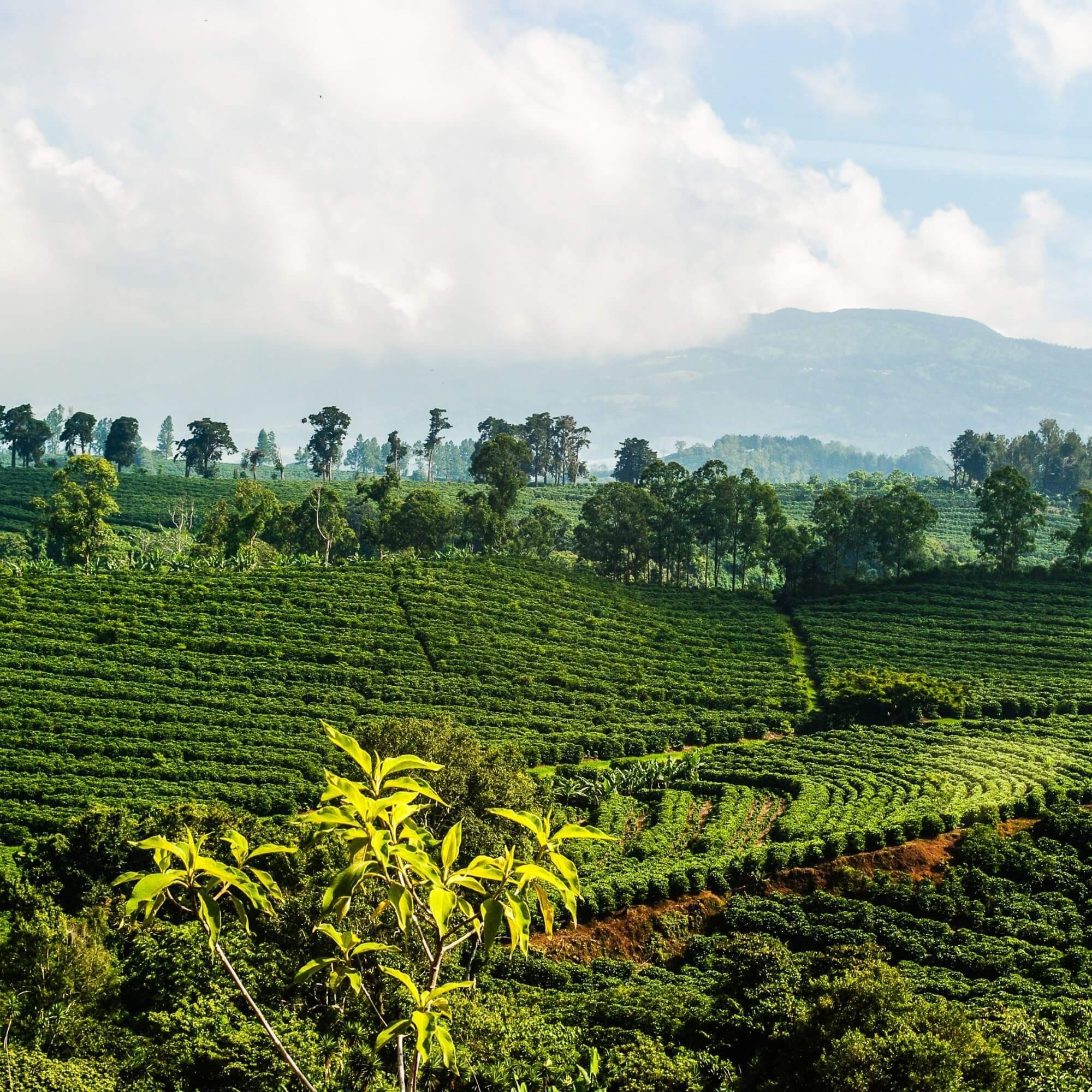

High-altitude coffee farm in Costa Rica
High-grown plots catching cool nights and clear sun.
Hillside Landscapes
Hillside Landscapes
Costa Rican town street and café
Tortuga - island
Ripe coffee cherries on a branch in Costa Rica
Cosplay enthusiasts at anime convention
Honey process coffee drying on raised beds in Costa Rica
Day of the dead costume
Volcanic landscape in Costa Rica
Traditional pork casado dish.
Cupping table with Costa Rican coffees
Antonio beautiful tropical beach
River and forest landscape in Costa Rica
Green tree frog
Costa Rican coastline at sunset
Jaco Beach
Dive Deeper: Costa Rica Origin Stories

Costa Rica at Coo Coo’s Coffee

We’ve secured Costa Rica green lots and are dialing in roast profiles now. You’ll only see Costa Rica coffees in our shop once they meet our standards for clarity, sweetness, and a defined role on the menu — no placeholder offerings.

See How We Roast for Clarity

Costa Rica Origin FAQ

What makes Costa Rican coffee stand out?
Defined regions, micromill control, and a culture of experimentation create clean, traceable coffees with dialed-in processing — from classic washed profiles to precise honeys and naturals.
Are honey and natural processes just trends?
In Costa Rica, they’re often intentional tools. When managed correctly, they tune sweetness, body, and fruit character without sacrificing cleanliness. We select only lots where that control is evident.
How does Coo Coo’s Coffee use Costa Rica coffees?
As transparent single origins and structured components in blends that call for clarity, citrus or stone fruit, and honeyed sweetness — always with documented sourcing and a defined role in the cup.