Learn Coffee

Coffee Processing — From Cherry to Green Bean

Process is where the flavour fingerprint gets set. Origin gives you the raw material. Roasting unlocks it. But it's processing — what happens to the cherry between harvest and export — that decides the body, sweetness, and fruit intensity before we ever touch the drum. This hub decodes all of it.

Washed, natural, honey, wet-hulled, anaerobic, decaf — every method decoded in plain language. Built for guests, wholesale partners, and our own team so we all speak the same language at the bar and on the menu.

Core methods live Built for training & guests Honest about what we offer Advanced guides coming
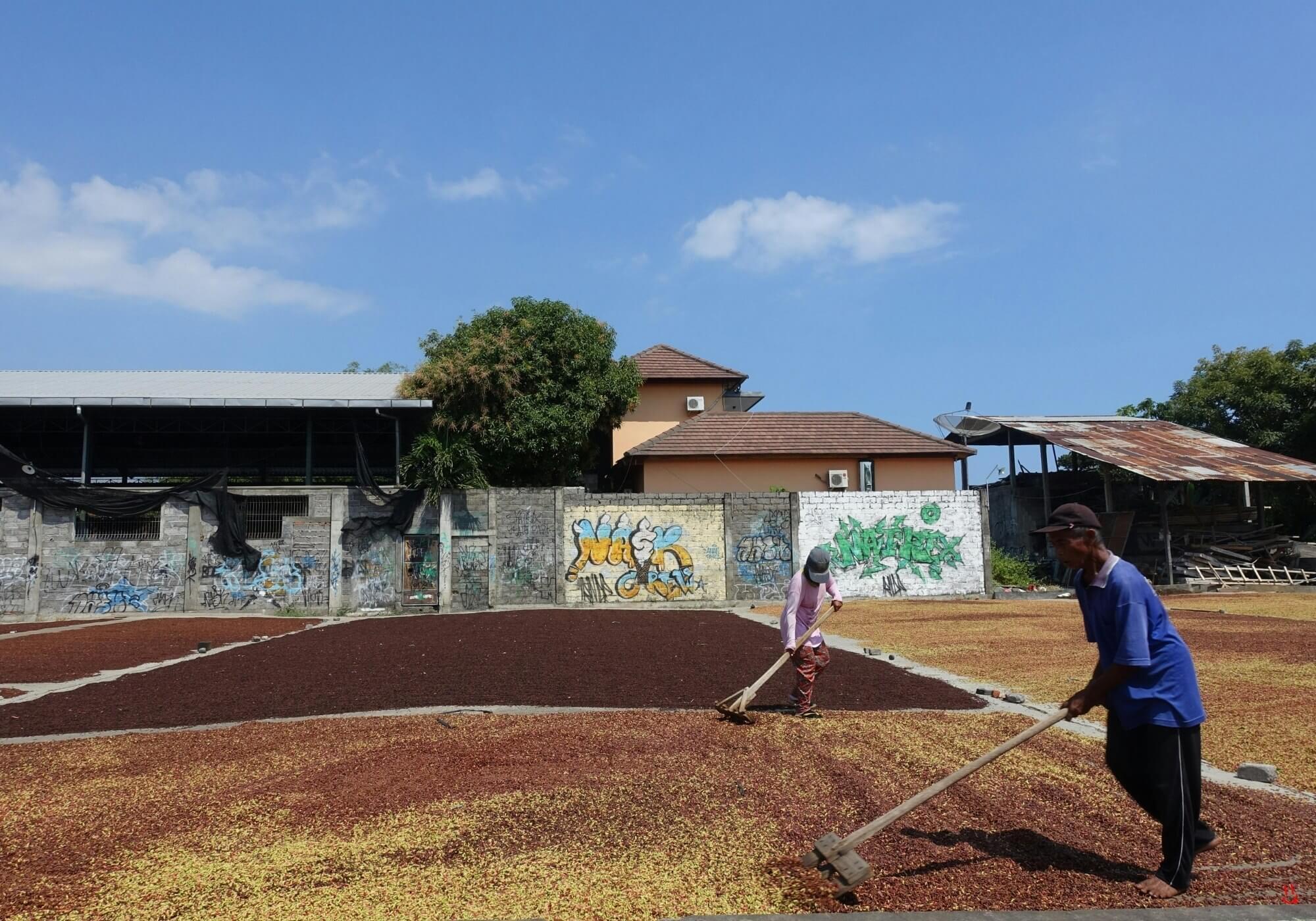
Workers turning coffee cherries on raised drying beds in full sun
Natural process — cherries dried whole; the sun does the work.

Clean to Fruit-Forward — Understanding the Processing Spectrum

Every processing method sits somewhere on a line from maximum clarity to maximum fruit expression. This is the single most useful mental model for understanding process.

Clean & Transparent Balanced Rich & Fruit-Forward

Washed

All fruit removed before drying. The origin, terroir, and variety speak most clearly. High acidity, clean sweetness, transparent structure. The method that exposes every flaw — and every virtue.

Honey & Pulped Natural

Skin removed, some fruit mucilage left on during drying. Lands between washed clarity and natural richness — honeyed sweetness, rounder body, more forgiving to roast. The middle path with its own character.

Natural (Dry Process)

Cherries dried whole. Fruit contact through the entire drying period builds bigger body, jammy or winey fruit notes, and lower acidity. The most expressive method — and the hardest to execute cleanly without defects.

Core Processing Methods

Start here. These are the foundational styles you'll see on our bags most often. Each one has its own pattern of sweetness, body, and clarity.

Washed coffee fermenting in concrete tanks before rinsing
Explainer Live

Washed (Wet) Processing

Clean, terroir-first, transparent

Skin and fruit removed before drying. Controlled fermentation and rinsing strip the cherry back to parchment — leaving the green bean's intrinsic character in full view. High-clarity cups where origin and variety speak loudest.
Bright acidity Clean sweetness Transparent structure
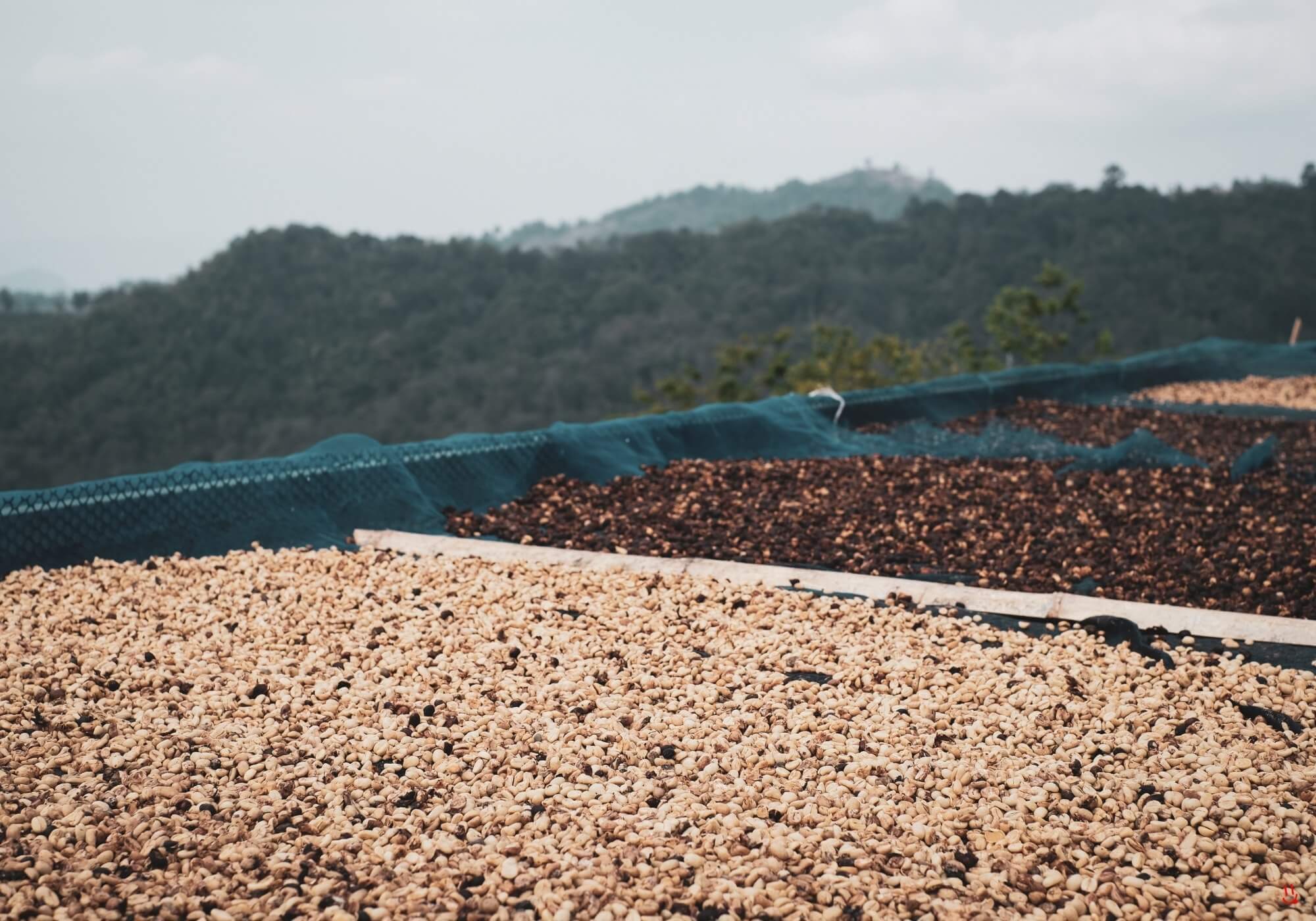
Whole coffee cherries spread on raised drying beds for natural processing
Explainer Live

Natural (Dry) Processing

Fruit-forward, textural, expressive

Cherries dried whole on raised beds or patios. Sugars and fruit contact during drying push bigger body and intense fruit when handled carefully — and produce off-flavours when they're not. The highest-risk, highest-reward method.

Jammy fruit Full body Lower acidity
Honey processed coffee drying with sticky mucilage intact on parchment
Explainer Live

Honey & Pulped Natural

Between washed and natural — honeyed and round

Skin removed, mucilage left on during drying. How much mucilage is left (yellow honey, red honey, black honey) controls how much fruit character transfers. Rounder body than washed, more clarity than natural — a versatile middle ground.

Honey sweetness Round body Controlled fruit
Indonesian smallholder farm where wet-hulled giling basah process is traditional
Explainer Coming

Wet-Hulled (Giling Basah)

Indonesia's native method — earthy, heavy, complex

A distinctly Indonesian approach where parchment is removed at unusually high moisture levels before a second drying phase. The result is a heavier body and characteristic earth or spice notes — when handled carefully. Needs tight QC to avoid woody or fermented defects.

Heavy body Earthy & spice Indonesia-native

Full explainer planned — we want to show the right lots first.

"Live" means the explainer page is ready and linked. "Coming" means we're actively building the guide and won't publish it until we can show real examples from our own sourcing — not just theory.

Advanced & Fermentation-Driven Methods

These methods build on the core styles by adjusting fermentation, oxygen exposure, or yeast environment. We treat them as tools — never gimmicks — and only feature them when they're clean, documented, and purposeful.

Explainer Coming

Anaerobic Fermentation

Sealed tanks, controlled environment

Cherries or depulped coffee fermented in sealed, oxygen-free tanks. The CO₂ produced changes how fermentation bacteria behave — steering aromatic compounds in specific directions. Can be spectacular or synthetic depending on execution and coffee quality.

Intense aromatics Needs transparency Origin-dependent

Planned explainer: how we vet, buy, and label anaerobic lots honestly.

Explainer Coming

Carbonic Maceration & Experimental

Wine-inspired, showpiece lots

Whole cherries fermented in CO₂-saturated tanks — borrowed from Beaujolais winemaking. Produces striking, unusual aromatic profiles. Reserved for clearly documented, stable coffees with a strong underlying green quality. Not a trick to hide mediocre raw material.

Showpiece lots Limited frequency Not everyday drinkers

We'll only publish this when we have the right lots to illustrate it with.

Read Now

How Process, Roast & Brew Connect

The full picture — not just one piece

Process sets the flavour canvas. Roasting shapes and unlocks it. Brewing extracts it into your cup. These three decisions are always in conversation with each other — changing one changes how the others should be approached.

Big picture For team training

Decaf Processing — What Actually Happens to the Caffeine

Decaf isn't one thing. There are several distinct methods with very different implications for flavour, chemistry, and transparency. Here's the overview while the full explainer is in progress.

Explainer Coming

Swiss Water Process

Chemical-free, water-based, traceable

Green beans soaked in a flavour-charged water solution that draws caffeine out while leaving most flavour compounds intact. 100% chemical-free — our preferred method when we can source it. Originated in Canada, third-party certified.

Chemical-free Certified traceable Our preference
Explainer Coming

Sugarcane EA (Ethyl Acetate)

Naturally derived, Latin America-native

Ethyl acetate derived from sugarcane fermentation is used as the solvent. Naturally sourced EA is considered safe and produces excellent cup quality — many specialty roasters use this as their second-choice method. Common in Colombian origins.

Natural solvent Colombia-common Good cup quality
Explainer Coming

CO₂ & Other Methods

Supercritical CO₂ and methylene chloride — what's what

Supercritical CO₂ uses pressurised carbon dioxide to selectively remove caffeine — expensive but high-quality results. Methylene chloride (MC) is the most common industrial method; we avoid it. Full explainer will cover which methods we accept and why.

Spectrum of methods Transparency matters

The full decaf explainer will live at /learn/coffee-processing/decaf/ and will include which methods we actually use, and links to any current decaf coffees on our menu. No mystery about what's in your night-cap cup.

Processing, Roast & Origin — How They Fit Together

Processing is one leg of a three-legged stool. Use these explainers alongside our origins hub and roast process guide to see the full picture.

Coffee belt world map showing growing regions
For Guests & Team

Coffee Origins Hub

Country-by-country guides that show where each processing style actually appears and why origins adopt them — the complete flavour context.

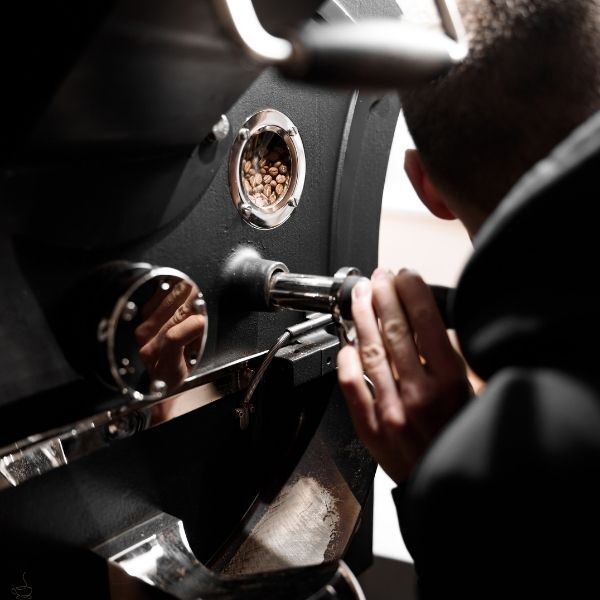
Coffee beans at first crack in the roaster drum
Next Step

Our Roast Process

Process sets the canvas, roast shapes it. 8 steps from green intake to QC cupping — how we work with what processing gave us.

Vintage map with a coffee cup — iconic blends and history
For Curious Blends

Iconic Blends & Explainers

Mocha Java, blend architecture, and more. Honest takes on classic ideas — built from real origins and real processing decisions, not nostalgia.

Last updated:  ·  Learn Hub  ·  Origins Hub