A Tale of Two Sidra's or How We Love This Farm
Posted by Coo Coo's Coffee on Jan 21st 2026
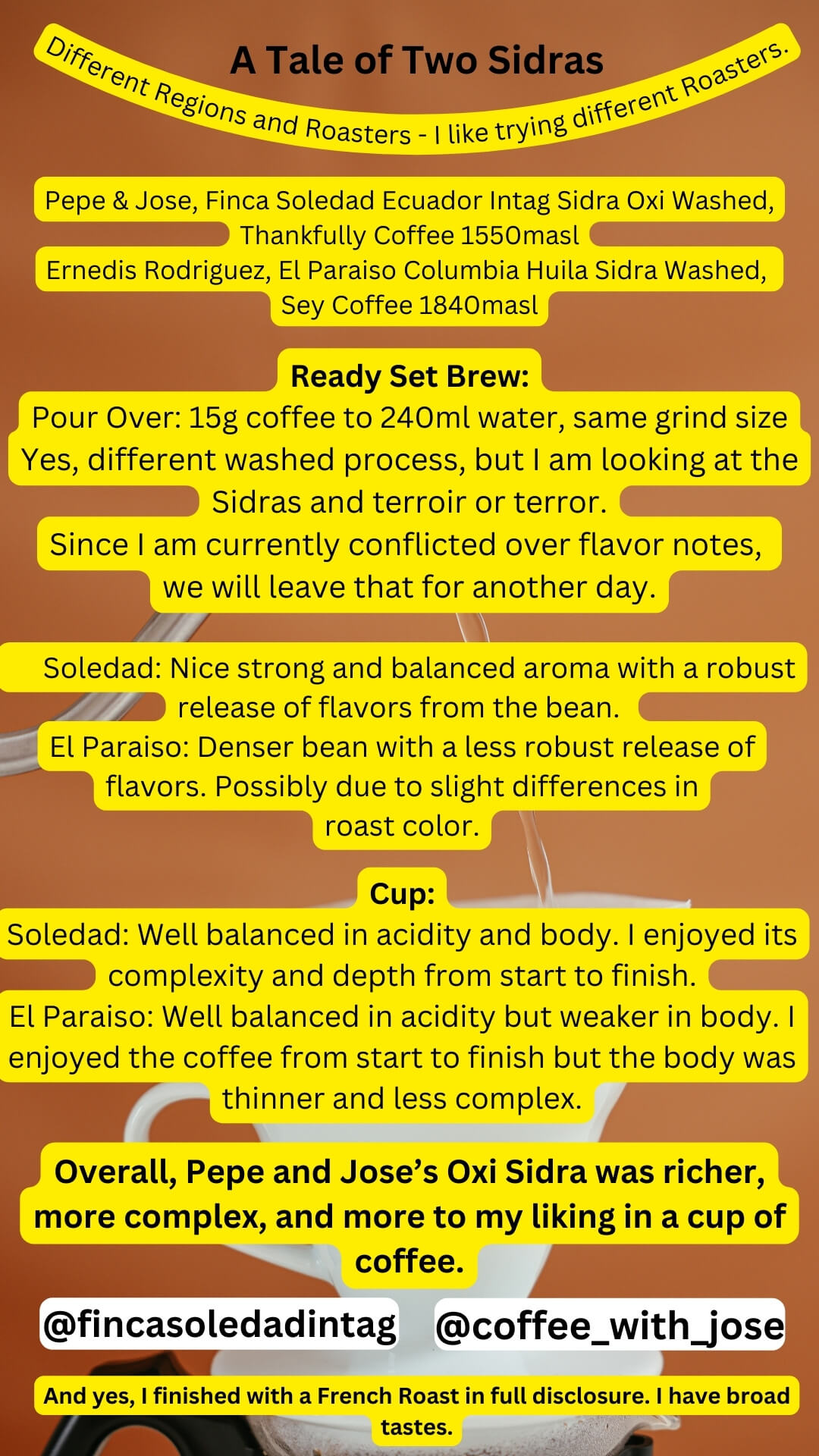
Roast Notes & Cup Snapshot
Two Sidras, two approaches — Here’s the quick read, plus a clean side-by-side for the coffee nerds.
Quick notes (fast scan)
- Pepe & Jose’s Sidra (washed): sweeter, more layered, with a richer finish.
- Jose’s roast: reads deeper and rounder — comfort plus complexity.
- Shared thread: clean structure, high clarity, and that “intentional” feel in the cup.
- Why it matters: the farm work shows up as sweetness, balance, and repeatable quality.
A Tale of Two Sidras
Same variety. Different origins. Different roasters. Same brew recipe — and a clear favorite.
The coffees
- Finca Soledad (Intag, Ecuador) — Sidra, Oxi Washed
Roasted by Thankfully Coffee • ~1550 MASL - El Paraíso (Huila, Colombia) — Sidra, Washed
Roasted by Sey Coffee • ~1840 MASL
Brew recipe (Ready Set Brew)
Pour-over: 15g coffee → 240ml water • same grind size
These are different washed processes, and the origins/terroir are different too — so this is a “Sidra + place + roast style” comparison more than a strict like-for-like lab test.
Quick notes (fast scan)
- Soledad (Thankfully): strong, balanced aroma with a robust release of flavor; well balanced in acidity and body; complexity and depth from start to finish.
- El Paraíso (Sey): denser bean with a less robust release of flavor (possibly slight roast color differences); balanced acidity but a weaker, thinner body; enjoyable but less complex.
- Overall: Pepe & Jose’s Oxi Sidra was richer, more complex, and more to my liking in the cup.
Side-by-side comparison
| Finca Soledad (Thankfully) | El Paraíso (Sey) | |
|---|---|---|
| Process | Sidra • Oxi Washed | Sidra • Washed |
| Elevation | ~1550 MASL | ~1840 MASL |
| Aroma | Strong & balanced | More subtle |
| Flavor release | Robust release of flavors | Less robust (possibly slight roast color differences) |
| Acidity | Well balanced | Well balanced |
| Body | Balanced, fuller body | Weaker body; thinner feel |
| Complexity | Complex & deep start-to-finish | Enjoyable, but less complex |
| Your takeaway | Richer, more complex, favorite | Good cup, just not the winner today |
Context: This compares two different origins and two different roasters. Both coffees are Sidra — and the standout for me was the Finca Soledad Ecuador (Thankfully Coffee).
Note:
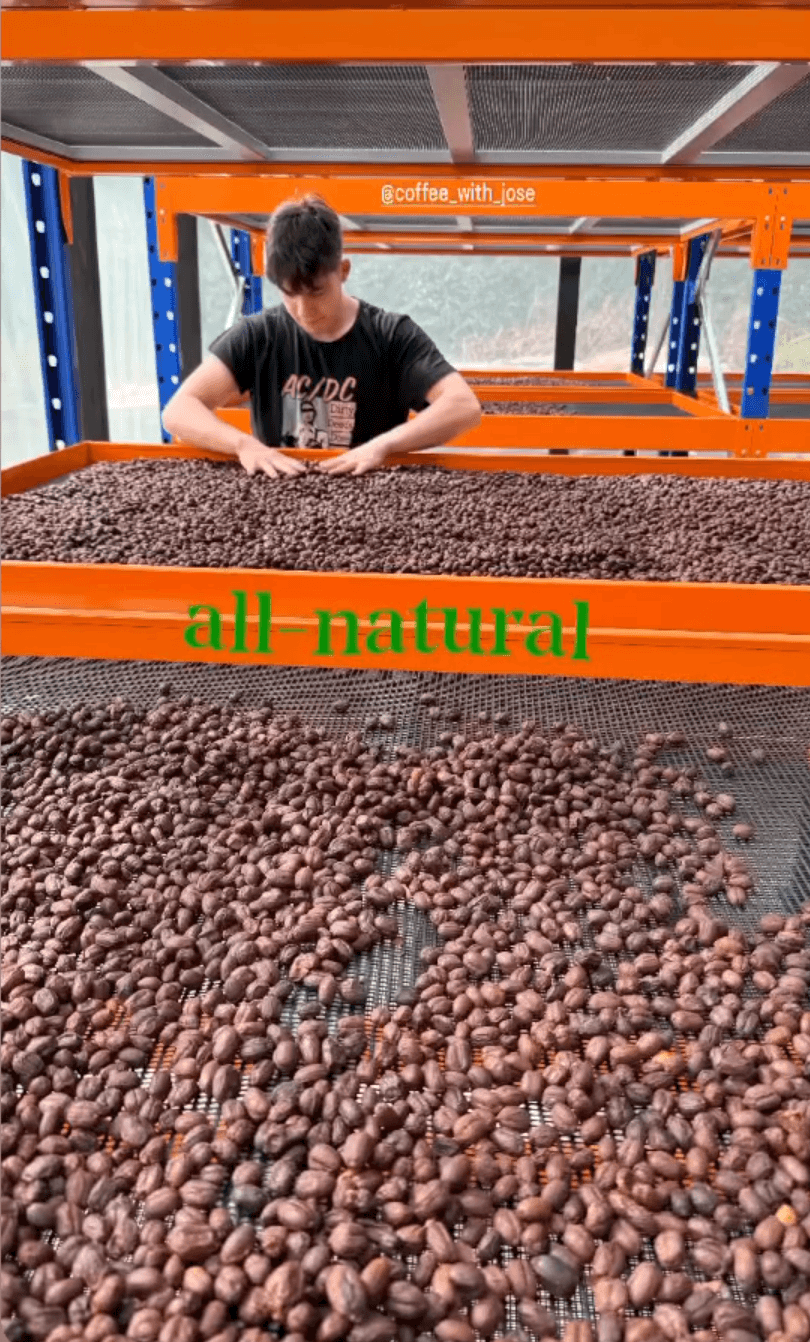
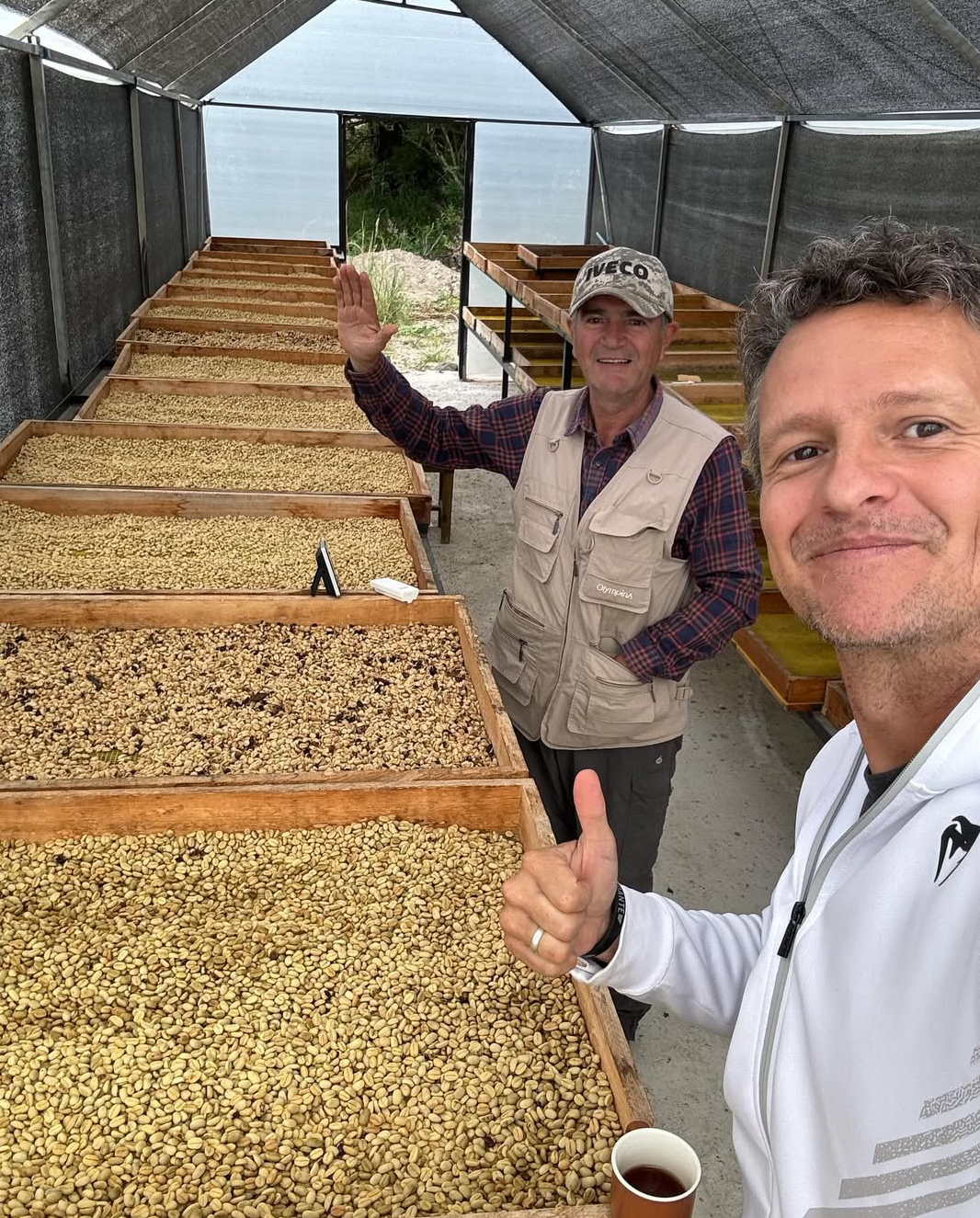
This is one of our favorite producer families in the world — not just for the coffees, but for the care, curiosity, and human warmth that shows up in everything they do.
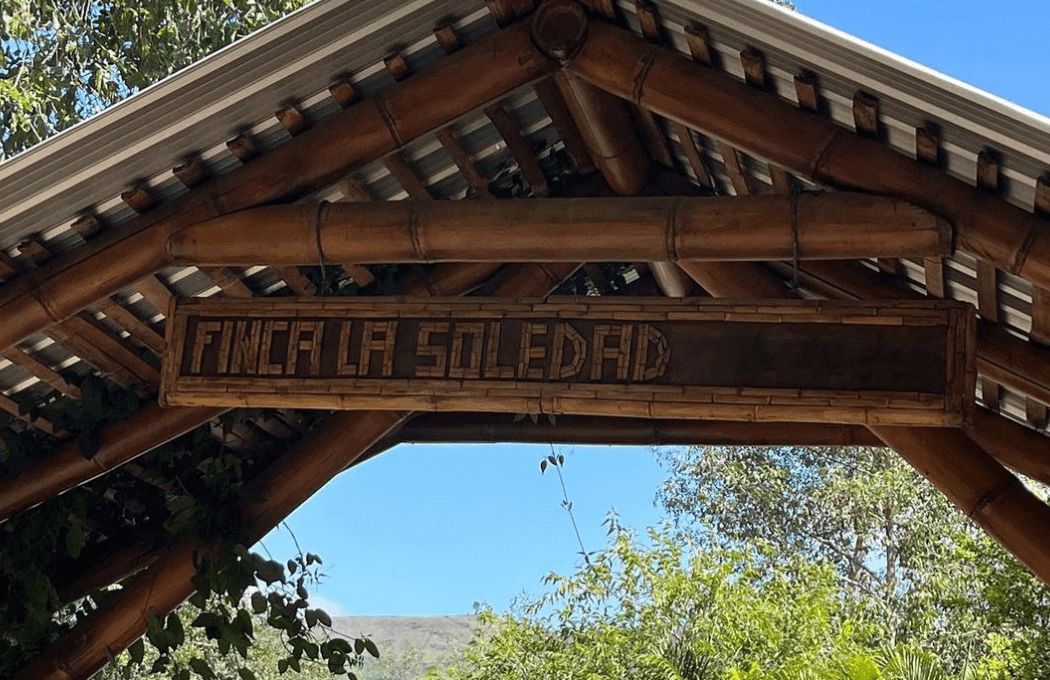
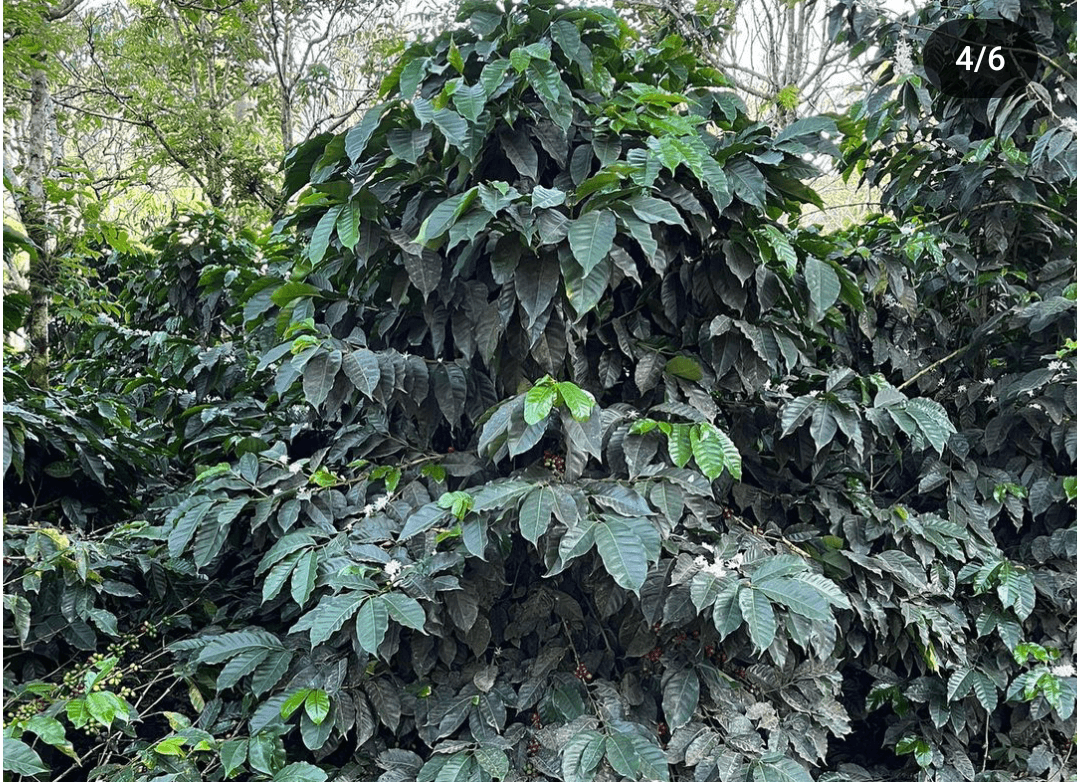
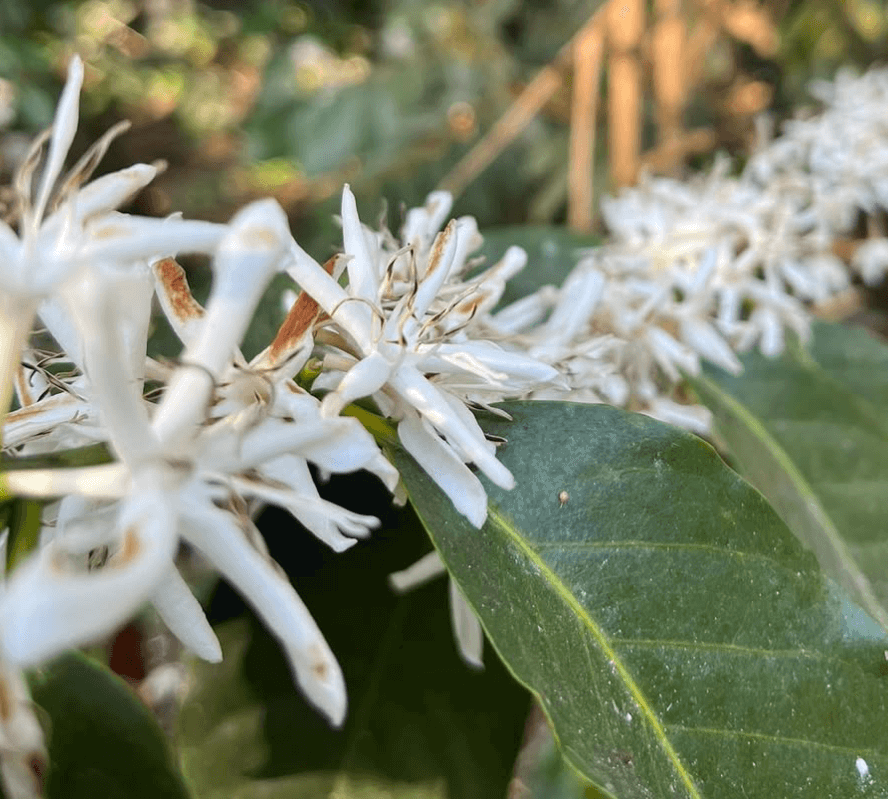
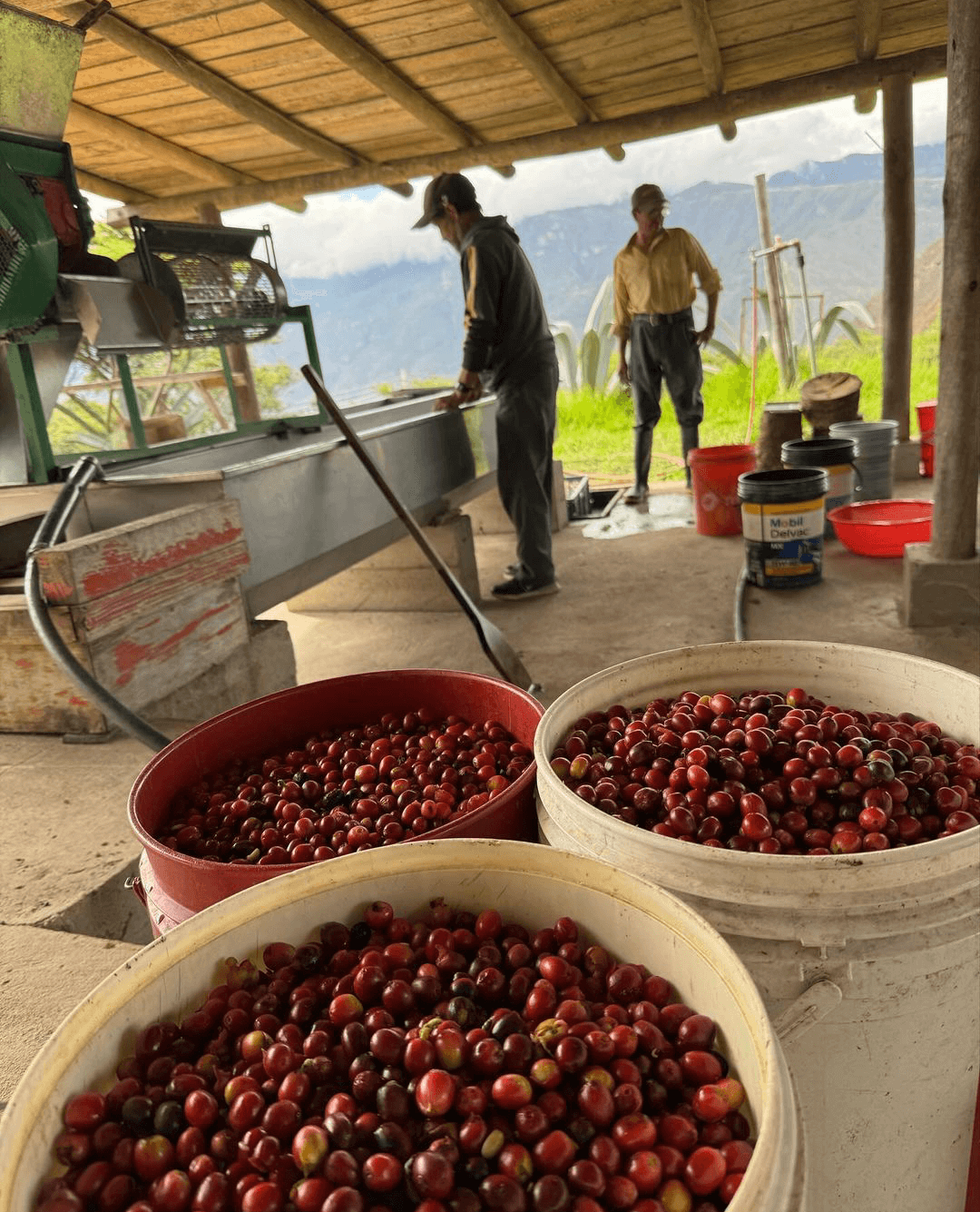
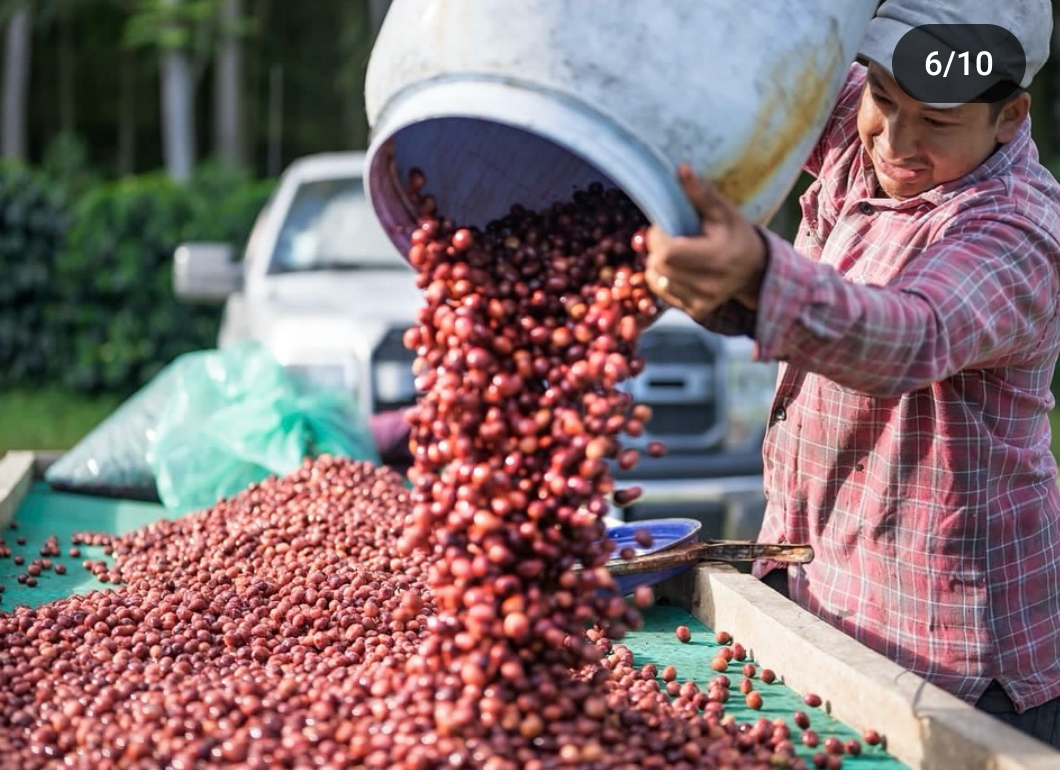
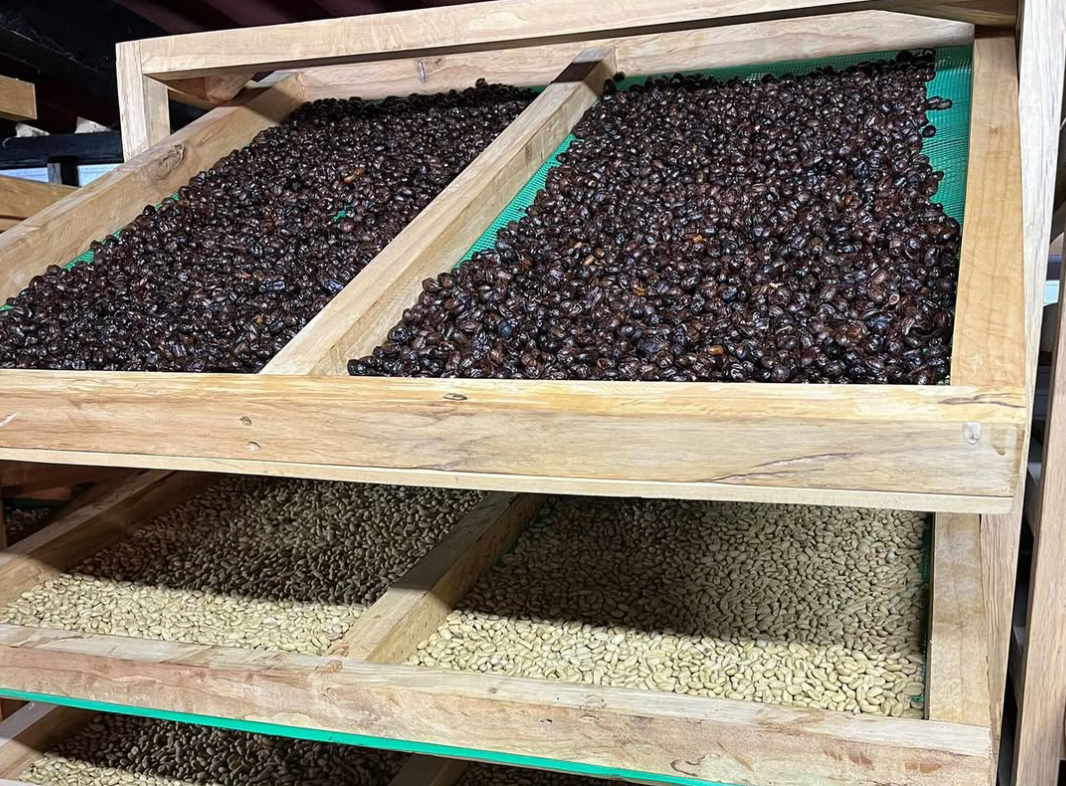
Below is the story in photos: the entrance, the land, the people, the contributors, the cupping table, and the terroir that makes these coffees feel alive.
To the Farm
Finca Soledad & Del Putushio • Pepe & Jose Jijon • Ecuador
The People
The heart of the farm: the family, the craft, and the care.
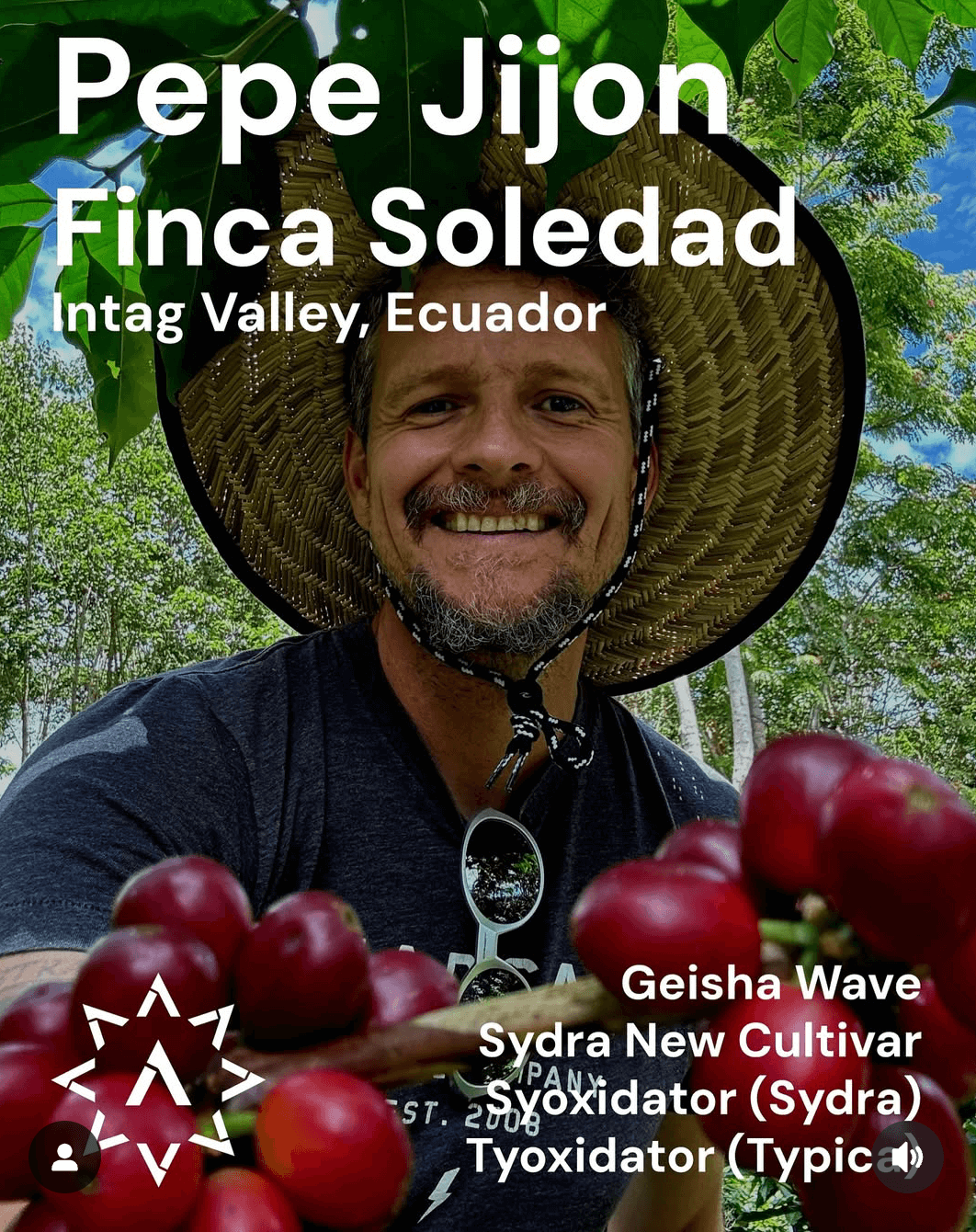 Pepe Jijon
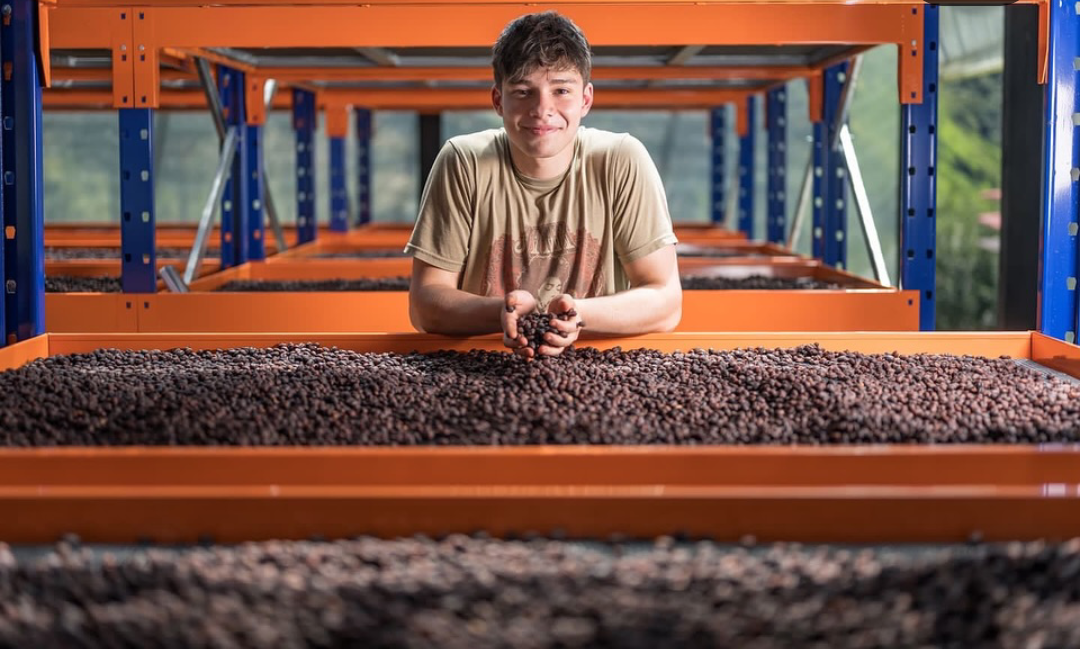 Jose Jijon
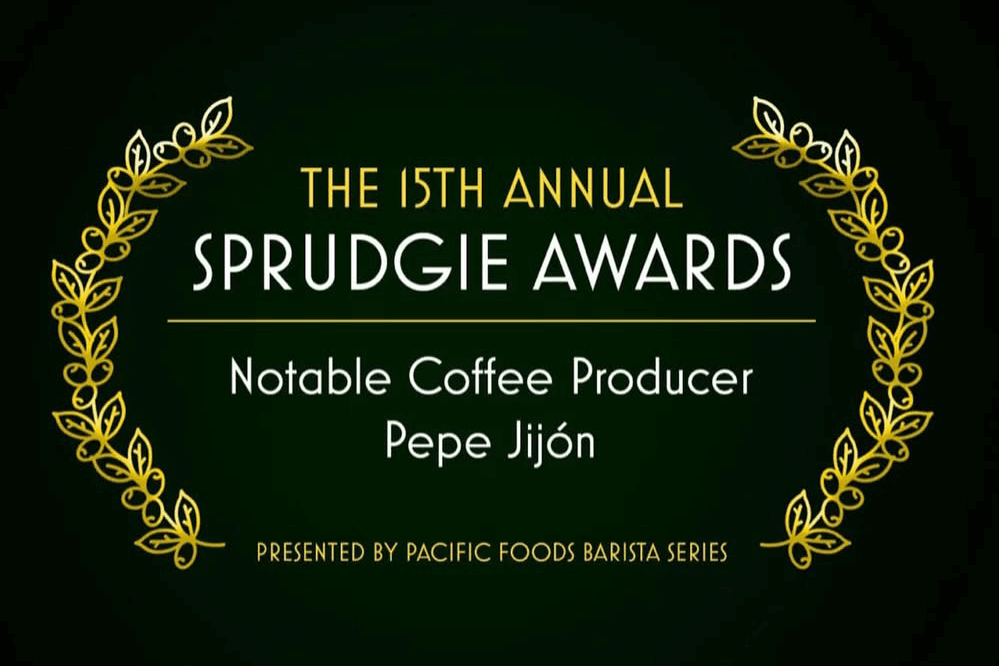 Recognition
Contributors
Great coffee is always a team story — hands, hearts, and a lot of skill.
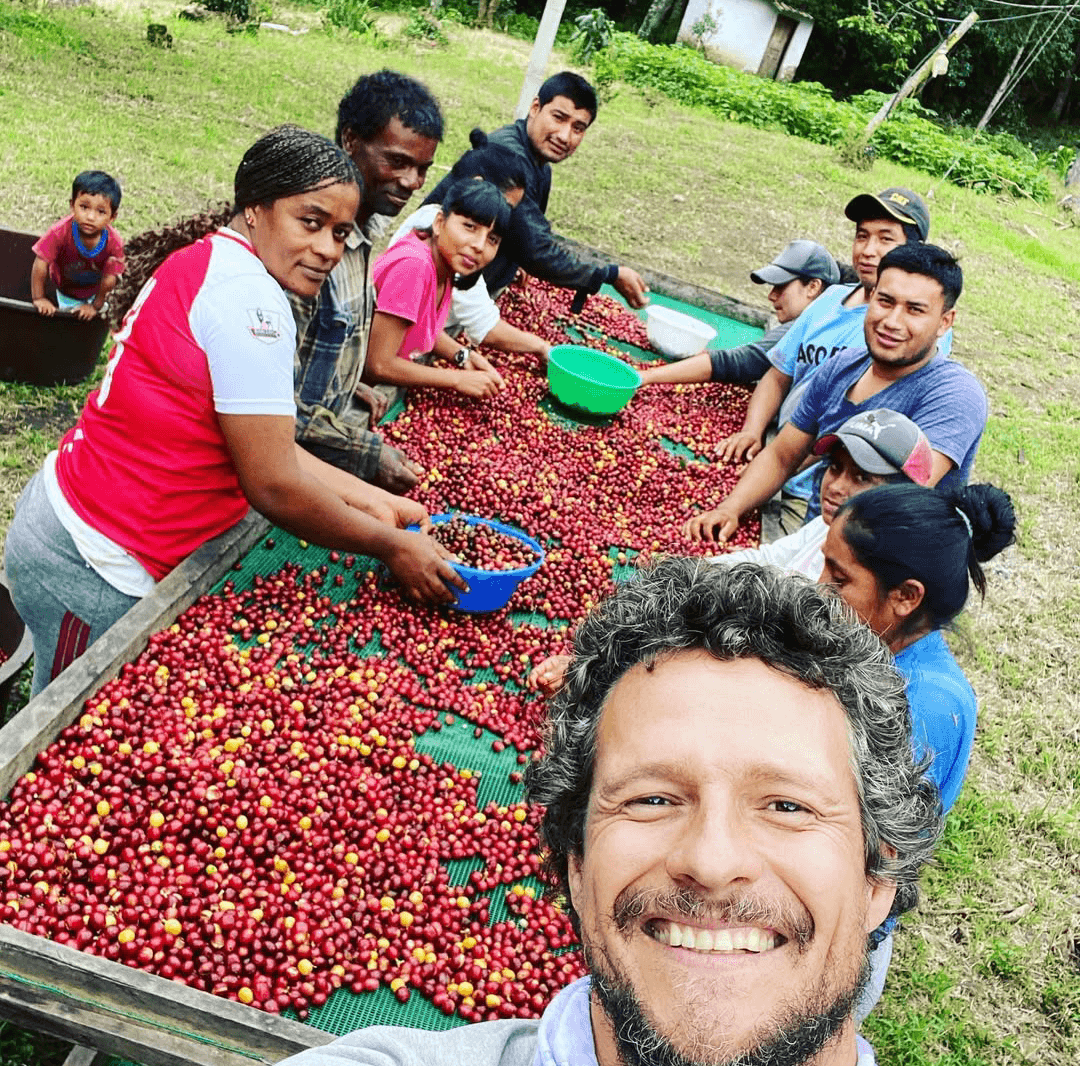

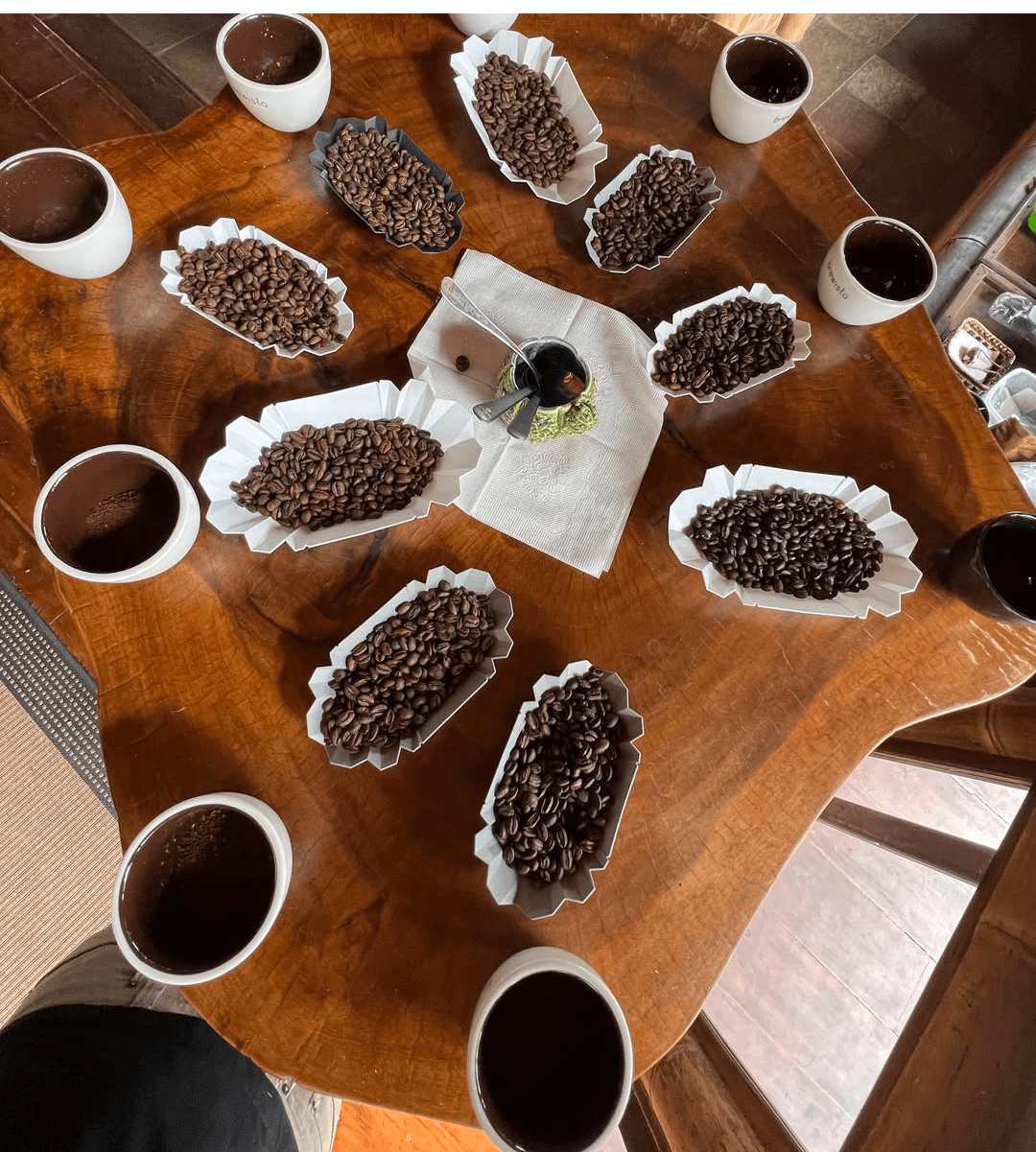
Cupping, Cupping, Cupping
This is where the work becomes flavor — evaluation, calibration, and craft.
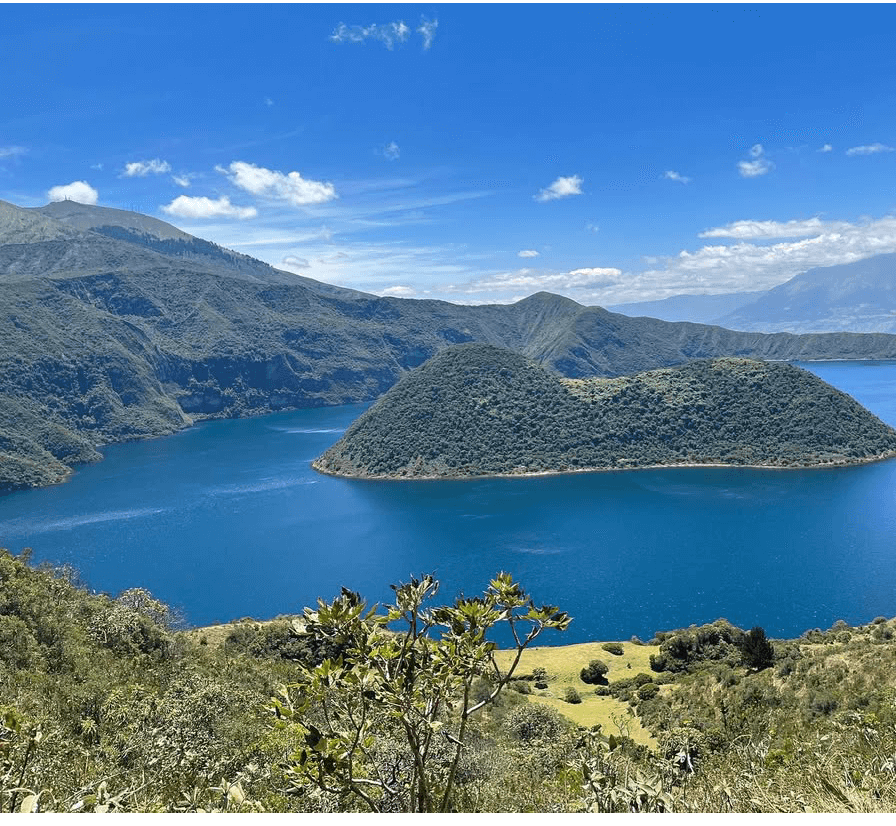
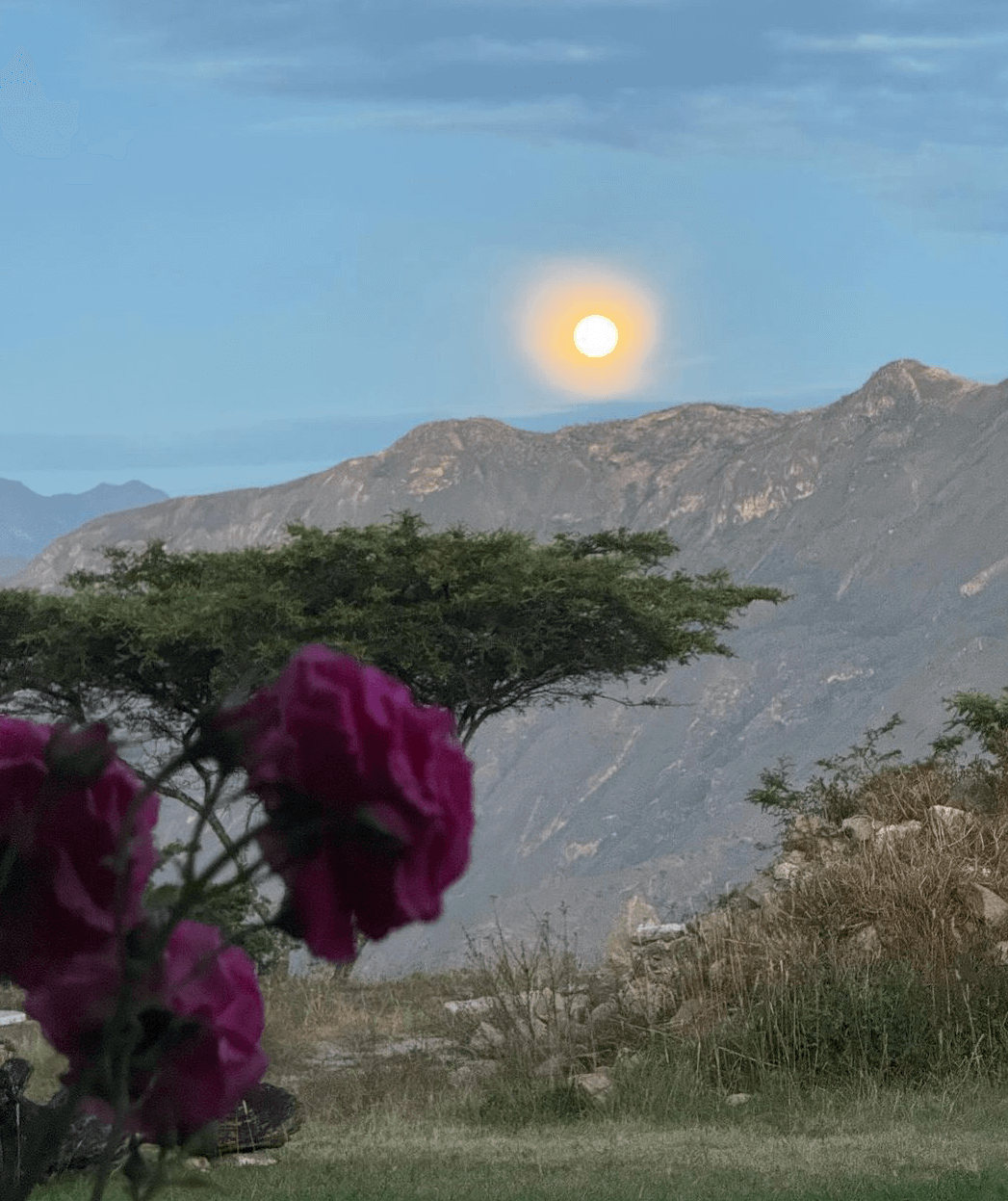
Beautiful Terroir for Coffee Plants
The land, the altitude, the air — it all ends up in your cup.